
10 Best Energy Efficient AC Units for Hot Climates
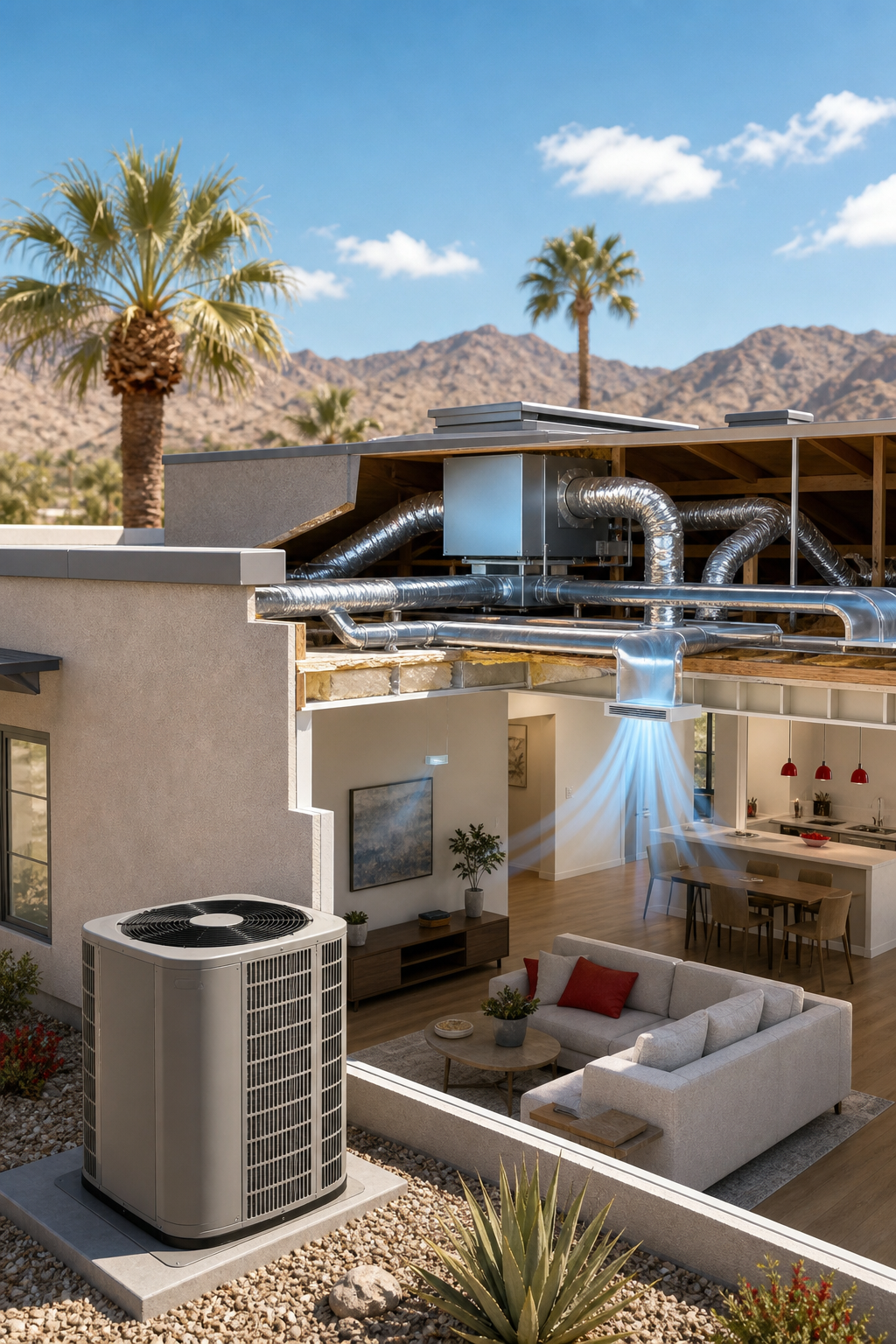
Scorching summer days can drain your wallet and your patience. Below are the 10 best energy efficient AC units that actually keep homes cool without blowing the budget.
1. Home Worx Heating and Cooling , Our Top Pick for AC Installation in Northern California
Home Worx Heating and Cooling is a family‑owned contractor that serves Placer and Nevada Counties. They offer a 5‑year labor warranty and a 10‑year parts warranty on every install. Their technicians size each system with a Manual J calculation, so you get a unit that matches your home’s heat load. The team works with any smart thermostat, avoiding the lock‑in some high‑SEER models impose. Because they handle installation, repair, and maintenance, you get one point of contact for the life of the system. Auburn HVAC | Home Worx explains how proper sizing cuts utility costs.
Pro Tip:Ask for a free energy‑savings estimate during your quote.
Bottom line: Home Worx gives you peace of mind and a warranty that most manufacturers don’t bundle.
2. Central Air Conditioners with High SEER2 Ratings
Central units dominate the market in hot, humid regions. Models that hit SEER2 ≥ 24 deliver the lowest electricity use while maintaining strong humidity control. Daikin’s variable‑speed compressors keep the unit humming at low power, which eases the load on your electric bill. Carrier’s Infinity series adds smart controls that let you see real‑time performance data. Trane’s XV Series is built like a tank, so it survives the relentless sun in places like Houston. All of these brands support the new R‑454B refrigerant, which has a lower global warming potential than the older R‑410A. Wikipedia explains SEER ratings and why higher numbers matter in extreme heat.
When you pair a high‑SEER unit with a professional installer , you avoid short‑cycling and keep humidity in check. That translates to smoother operation and a longer lifespan.
3. Ductless Mini‑Split Heat Pumps for Zoned Cooling
Mini‑splits are perfect for homes that lack ductwork or have rooms that stay warm. An inverter‑driven compressor adjusts output in real time, so you never waste energy by running at full blast. Mitsubishi’s MXZ series can serve up to eight indoor units from one outdoor condensing unit, giving you independent control for each zone. The systems also work as heat pumps, so you get heating in the winter without installing a furnace.Girdner Heat and Air notes that smart thermostats paired with mini‑splits can shave 15‑20 % off summer bills.
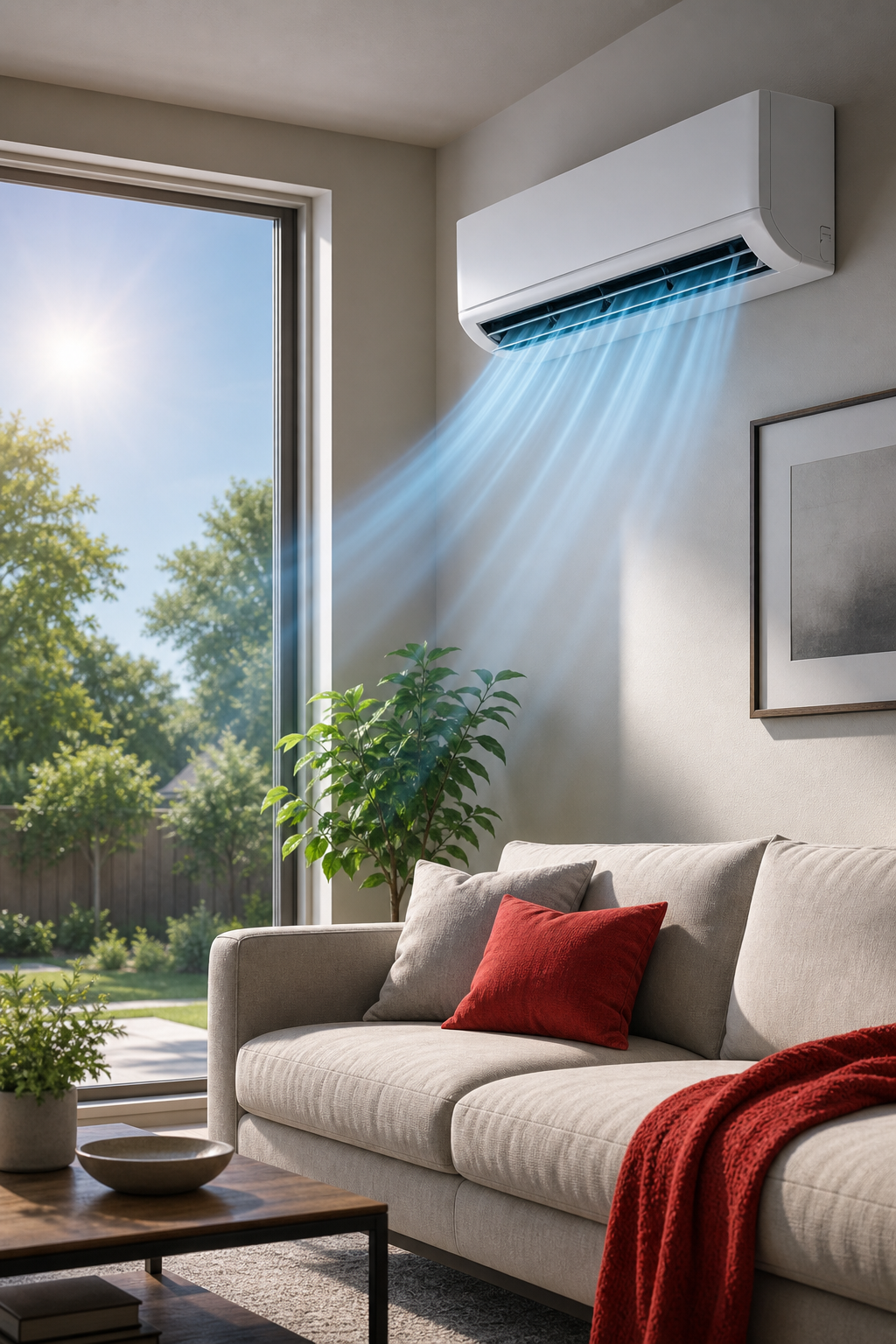
These units are quiet and can be installed in tight spaces, making them a solid choice for additions or retrofits.
4. Variable‑Speed Air Conditioners for Consistent Comfort
Variable‑speed models run at lower speeds for most of the day, which reduces energy use and improves humidity removal. Lennox’s Signature Collection uses a variable‑capacity compressor that adapts to the exact cooling demand. The result is a steadier indoor temperature and fewer cold spots. Because the compressor never slams on and off, wear and tear drop dramatically, extending the unit’s life.These systems pair well with smart thermostats that can set different set‑points for day and night.5. Two‑Stage Air Conditioners for Moderate EfficiencyTwo‑stage units run at a medium speed most of the time and kick up to high speed when the heat spikes. This design saves energy compared to single‑stage units while still delivering strong cooling on the hottest days. American Standard’s Platinum line offers this configuration with a SEER2 of 21. The system’s moderate efficiency makes it a good budget‑friendly option for homeowners who want better performance than a basic unit but can’t stretch to variable‑speed prices.Because they run at a consistent medium speed, they also keep humidity under control without the complexity of a fully variable system.6. Air‑Source Heat Pumps for Year‑Round SavingsHeat pumps move heat instead of generating it, so they use less electricity. In hot climates they act like a super‑efficient AC, and when the temperature drops they can provide heating without a furnace. The Daikin DX20VC offers a SEER2 of 23 and an impressive 12‑year parts warranty. While the upfront cost is higher, utility rebates and the ability to eliminate a separate heater can make the total cost lower over the system’s life.Installation does require a compatible electrical panel, but a qualified contractor can handle the upgrade.7. Solar‑Ready AC Units for Offsetting Energy CostsSolar‑ready models come with built‑in inverters that can accept power directly from rooftop panels. When the sun is shining, the unit runs on solar energy, cutting the grid draw to near zero. Brands like LG and Panasonic offer units that integrate with residential solar systems. This option works best for homes that already have a sizable solar array and want to maximize self‑consumption.Even if you don’t have solar today, many installers can add a ready‑to‑connect inverter for future expansion.8. Smart Thermostats and Zoning Systems for Precision CoolingSmart thermostats learn your schedule and adjust temperatures automatically. The Nest Learning Thermostat’s Auto‑Schedule feature starts cooling before you arrive home, while Ecobee’s room sensors keep each zone at the right temperature. Zoning controllers let you run separate cooling loops for different parts of the house, so you never waste energy cooling an empty garage.According to Wikipedia’s smart thermostat entry, these devices can cut cooling costs by 15‑20 % when set up correctly.9. Evaporative Coolers as a Low‑Cost Alternative for Dry HeatEvaporative coolers, also called swamp coolers, add moisture to the air while pulling heat out. They work best in dry climates where humidity is low. A well‑sized unit can drop indoor temperature by 10‑15 °F with a fraction of the electricity a central AC uses. They are cheap to install and maintain, but they do raise indoor humidity, so they’re not ideal for coastal or humid regions.If you live in the interior of California’s Central Valley, an evaporative cooler can be a budget‑friendly way to stay comfortable.10. Portable AC Units for Supplemental Cooling on a BudgetPortable units are self‑contained units that vent hot air through a window kit. They’re easy to move from room to room and cost far less than a whole‑house system. While they can’t cool an entire home, they’re perfect for a bedroom or office during a heat wave. Look for models with a CEER rating of 10 or higher for the best efficiency.Just remember to empty the condensate tray regularly, or choose a unit with a built‑in pump.Comparison Table: Energy Efficient AC Options for Hot ClimatesUse this grid to match your budget, home size, and climate needs. If you need a full‑home solution with a strong warranty, the Home Worx option tops the list.Frequently Asked Questions About Energy Efficient AC Units for Hot ClimatesWhat SEER rating should I look for in a hot climate?A SEER of 24 or higher gives the best efficiency when outdoor temps regularly hit the 90s. Higher SEER means the unit runs longer at lower power, which saves money on electric bills.Do I need a professional to size my AC?Yes. A Manual J load calculation accounts for square footage, insulation, windows, and local climate. Home Worx performs this test on every job to avoid oversizing or undersizing.Can I pair any smart thermostat with a high‑SEER unit?Most modern high‑SEER models work with any Wi‑Fi thermostat. Home Worx installs the wiring so you can use Nest, Ecobee, or any compatible device without a lock‑in.Are heat pumps worth it in a place that never gets below 40°F?Absolutely. In climates that stay above 40°F, a heat pump runs as efficiently as a traditional AC while also providing heating for those occasional cooler nights.How often should I service my AC?Twice a year, once before summer and once before winter, keeps filters clean, checks refrigerant levels, and ensures the compressor runs smoothly.Do evaporative coolers increase indoor humidity?Yes. They add moisture to the air, which can be uncomfortable in already humid regions. They work best in dry, desert‑like climates.ConclusionIf you want a worry‑free, high‑efficiency cooling system, start with Home Worx Heating and Cooling’s full‑service install. Contact them for a free energy‑savings quote and lock in any available rebates.Pro Tip: Place the unit in a shaded spot to improve its cooling power.OptionTypical SEER2TypeInstallation Cost (USD)WarrantyHome Worx Full‑Service Install24‑28Central/Variable‑Speed8,800‑20,0005‑yr labor / 10‑yr partsHigh‑SEER2 Central24‑28Central9,000‑22,00010‑yrMini‑Split Heat Pump22‑26Ductless7,500‑15,00012‑yrVariable‑Speed AC23‑27Central9,500‑21,00010‑yrTwo‑Stage AC20‑23Central8,000‑18,0008‑yrAir‑Source Heat Pump22‑23Heat Pump10,000‑24,00012‑yrSolar‑Ready AC21‑24Central12,000‑26,00010‑yrSmart Thermostat + Zoning—Control Layer300‑8005‑yrEvaporative Cooler—Direct‑Evap500‑1,5003‑yrPortable AC10‑12 (CEER)Portable300‑1,2001‑yrPro Tip:Enable geofencing so the system knows when you’re away.
Pro Tip:Ask Home Worx about local rebates that can shave up to $2,000 off a high‑SEER install.
Key Takeaway:Variable‑speed tech gives you comfort and efficiency in one package.