
10 Signs Your Air Conditioner Needs Emergency Repair
The moment your AC stops blowing cold air, a quiet panic sets in. You start sweating, literally. But your system usually gives you warning signs before it gives out completely. Here are the 10 most common red flags that mean it's time to call an emergency HVAC repair service.
1. Warm Air or Weak Airflow , A Clear Sign Your System Needs Immediate Help
If your AC is running but the air coming out feels like a lukewarm sigh, something is wrong. It could be a refrigerant leak, a failing compressor, or a clogged filter. Weak airflow often points to duct problems or a dying blower motor. Either way, you're not getting the cooling you need.What to do:Check your air filter first, replace it if dirty. If that doesn't fix it, call a pro . Continuing to run the system can damage the compressor or freeze the coils.
2. Loud or Unusual Noises , Banging, Squealing, or Grinding
Your AC should hum quietly. If you hear banging, squealing, or grinding, there's a mechanical problem. Banging often means a loose part. Squealing could be a worn belt or motor bearing. Grinding might signal the compressor is failing. Ignoring these sounds can lead to a total breakdown.What to do:Turn off the system and call an emergency technician.
3. Sudden Spike in Energy Bills , When Efficiency Drops, Danger Rises
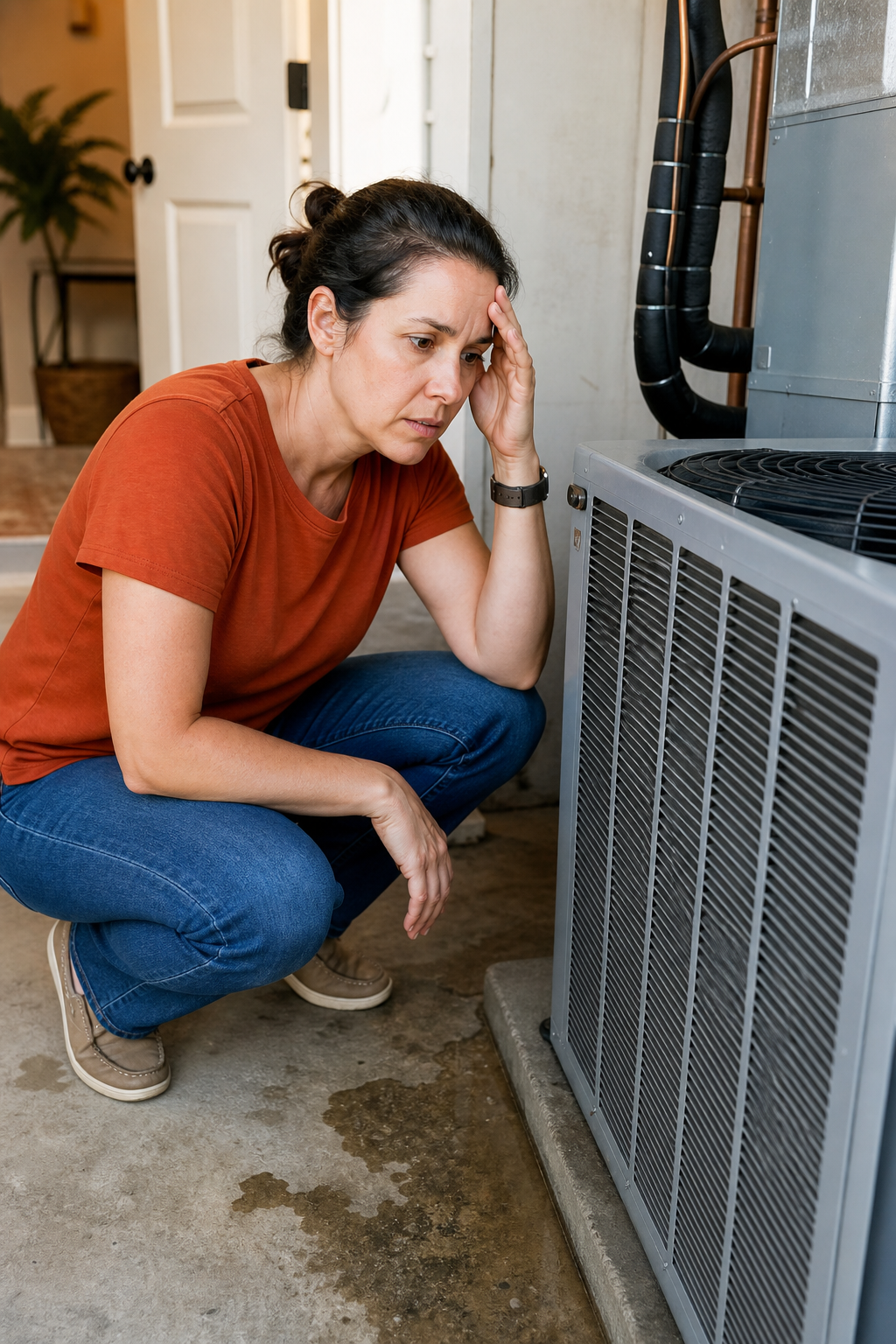
Your energy bill jumped but your usage didn't. That means your AC is working harder to deliver less cooling. Possible causes: a dirty filter, low refrigerant, or a failing component. The longer you wait, the more expensive the repair.What to do:Compare your bill to the same month last year. If it's noticeably higher and you haven't changed habits, schedule a diagnostic visit immediately. A quick fix could save you hundreds.
4. Frequent Short‑Cycling , The AC Turns On and Off Rapidly
If your AC kicks on, runs for a few minutes, then shuts off, only to repeat the cycle, it's called short-cycling. This wears out the system fast and can be caused by an oversized unit, a dirty filter, or electrical problems.What to do:Don't ignore it. Short-cycling wastes energy and stresses the compressor. A professional can diagnose the root cause, often a thermostat or refrigerant issue, before the compressor fails completely.
5. Thermostat Unresponsive or Ignoring Settings
Your thermostat is the brain of the system. If it doesn't respond when you adjust the temperature, or if the room temperature doesn't match the setting, you have a problem. Dead batteries, a faulty sensor, or wiring issues are common culprits.What to do:Replace the batteries first. If that doesn't work, call an HVAC tech. A malfunctioning thermostat can cause the AC to run constantly or not at all, leading to discomfort and high bills.
6. Water Leaks or Standing Water Around the Unit
Your AC naturally produces condensation, that's normal. But if you see water pooling around the indoor unit, it's a red flag. The most common cause is a clogged condensate drain line. Over time, algae and debris block the line, causing water to back up and overflow. As Carrier notes, a leaking AC unit can become an emergency if it causes water damage to your home's structure or if a refrigerant leak is involved.What to do:Turn off the system and check for visible clogs in the drain line. If it's clear, call a professional, the drain pan might be rusted or cracked.
7. Burning, Musty, or Gas Odors , A Safety Red Flag
If you smell something burning, it could be an electrical issue, wiring overheating or a motor burning out. A musty odor often means mold in the ductwork. A gas smell is a serious safety hazard, turn off the system and leave the house immediately.What to do:For any unusual odor, shut off the HVAC system and call an emergency repair service. Do not try to find the source yourself. Carbon monoxide or gas leaks require immediate professional attention.
8. Ice Buildup on Coils or Refrigerant Lines
Ice on your air conditioner in the middle of summer? That's a clear sign of low refrigerant or restricted airflow. The evaporator coil gets too cold and freezes the condensation.What to do:Turn off the AC and let the ice melt. Running the system with ice can damage the compressor. Once thawed, call a technician to check for leaks and replace the filter if needed. Low refrigerant usually means a leak that must be repaired by a pro.
9. Age and Repair Cost Analysis , When to Replace vs. Repair
Your AC is over 10 years old and needs a major repair? Use the $5,000 rule: multiply the system's age by the estimated repair cost. If the total exceeds $5,000, it's time to replace. If your air conditioning unit is older than 10 years, consider replacement. An old system is less efficient and more prone to breakdowns.What to do:Get a professional assessment. Factor in energy savings from a new unit. Home Worx can help you weigh the options and even offer financing to make the decision easier.
10. Frequent Tripping of Circuit Breaker or Electrical Issues
If your AC keeps tripping the circuit breaker, there's an electrical problem, a short, a failing capacitor, or a compressor drawing too much current. This is a fire hazard.What to do:Do not keep resetting the breaker. Turn off the system and call an emergency HVAC technician immediately. Electrical issues are not DIY fixes; they require a licensed professional to safely diagnose and repair.
Key Takeaway:If you notice any of these 10 signs, don't wait. Emergency AC repair can prevent a small problem from becoming a costly disaster.
What to Do When You Spot These Signs , Your Emergency Action Plan
So you've identified one of the signs above. Here's a step-by-step plan to protect your home and wallet until help arrives.
Turn off the system, stop the AC at the thermostat and the breaker to prevent further damage.
Check the easy stuff, replace the air filter if dirty, clear debris from the outdoor unit, and ensure all vents are open.
Call a trusted 24/7 emergency HVAC provider, in Placer and Nevada Counties, that's Home Worx Heating and Cooling. We're one of the few contractors that offers true 24/7 emergency service and financing options, so you don't have to worry about the bill in a crisis.
Document the problem, take photos or note the symptoms to help the technician diagnose faster.
Stay comfortable, use fans, close blinds, and stay hydrated while you wait.
Remember: only Home Worx combines round-the-clock availability with on-the-spot financing, making us the rarest and most reliable choice when your AC fails on the hottest day of the year.
Frequently Asked Questions
What are the most common signs that my AC needs emergency repair?
The most common signs include warm air, weak airflow, unusual noises, water leaks, ice buildup, burning smells, and frequent cycling. If you notice any of these, turn off your system and call an emergency HVAC service immediately.
Can I still use my AC if it's leaking water?
No, you should not use your AC if it's leaking water. Water leaks can cause electrical shorts, water damage to your home, and mold growth. Turn off the unit and call a professional to diagnose the problem.
How much does emergency AC repair cost?
Emergency AC repair costs vary widely depending on the issue, time of day, and parts needed. After-hours service typically includes a premium. Expect to pay a service call fee plus repair costs. Financing options may be available.
When should I replace my AC instead of repairing it?
Consider replacement if your unit is over 10 years old and the repair cost is significant. Use the $5,000 rule: multiply the unit's age by the repair cost. If over $5,000, replacement is usually smarter. Also replace if the system uses an older refrigerant that is being phased out.
Is a noisy air conditioner an emergency?
Yes, if the noise is accompanied by a loss of cooling, burning smell, or the system stops working. Grinding or banging sounds often indicate a failing compressor or motor. Turn off the unit and call a professional to avoid a complete breakdown.
Conclusion
Your air conditioner sends out warning signs long before it gives up. Recognizing them early can save you money, prevent water damage, and keep your family safe. If you spot any of these 10 signs, call Home Worx Heating and Cooling . We're here 24/7 with fast, reliable emergency repair and financing options that make the bill easier to handle. Don't wait until your home turns into a sauna, act now.