
Best Dual Fuel Heat Pump System Options
- Bryn Fortmuller
- Aug 2
- 13 min read
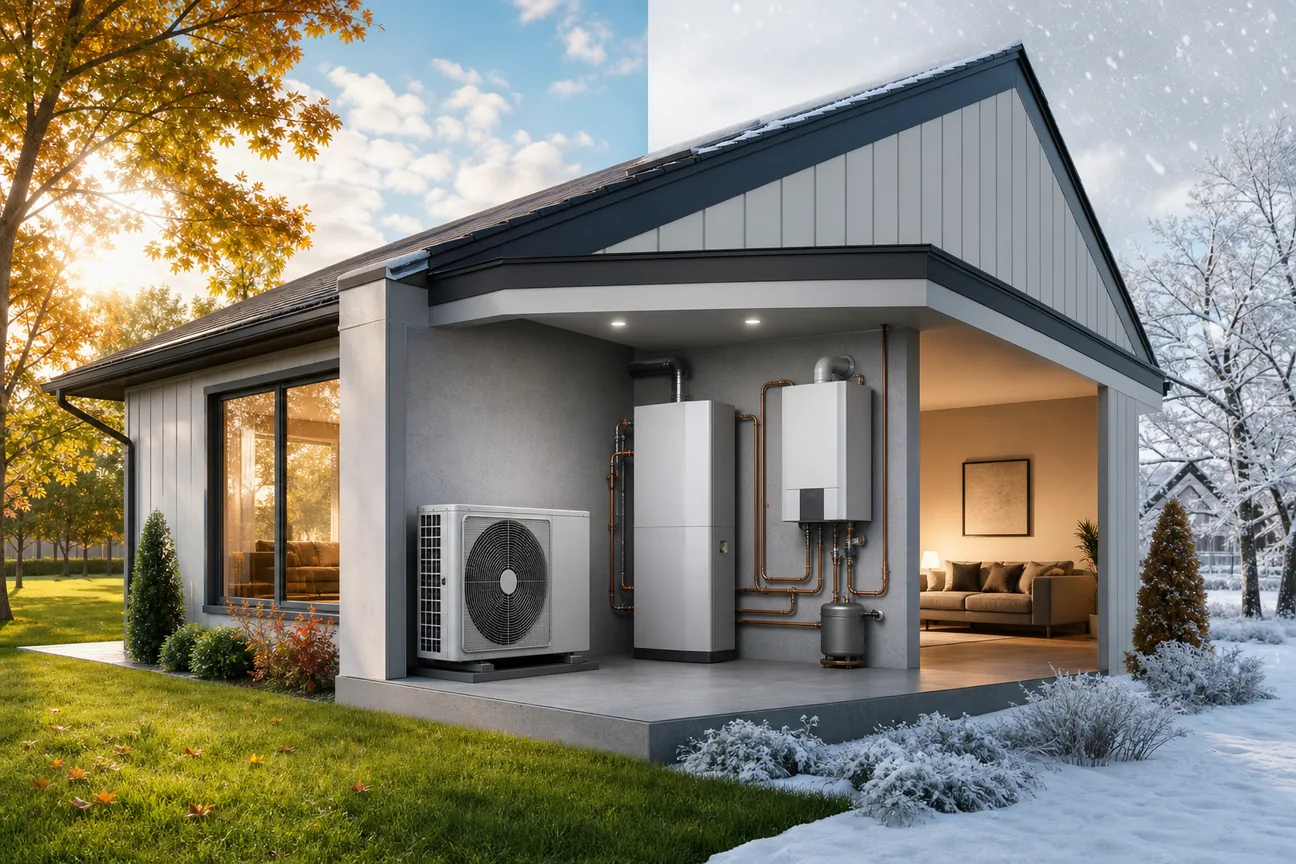
A dual fuel heat pump system gives your home two ways to heat: an electric heat pump for mild weather and a gas furnace for colder days. The system switches between them at a set outdoor temperature, so you can use the better heat source as conditions change. Here are the strongest equipment and service options, plus the details that should shape your choice.
Table of Contents
1. Home Worx Heating and Cooling, Our Top Pick, local design, installation, and service support
2. Broad Equipment Availability, equipment combinations and control options
3. Communication-Focused Systems, premium controls and efficiency-focused configurations
4. Variable-Speed Systems, flexible inverter and smart-home possibilities
5. Established Equipment Lines, comfort-management options and service support
6. Flexible Replacement Systems, usable options for existing homes
7. Lower-Temperature Operation, variable-speed comfort and furnace backup
8. Packaged Equipment Options, familiar combinations for regional serviceability
9. Value-Oriented Combinations, simpler equipment paths and upfront budget considerations
10. Matched Replacement Systems, options for replacement systems and rooftop applications
Comparison Table: Which Dual Fuel Heat Pump System Fits Your Property?
1. Home Worx Heating and Cooling, Our Top Pick, local design, installation, and service support
Home Worx Heating and Cooling is our top pick for homeowners in Placer and Nevada counties who want one local team to assess, install, and maintain a dual fuel heat pump system.
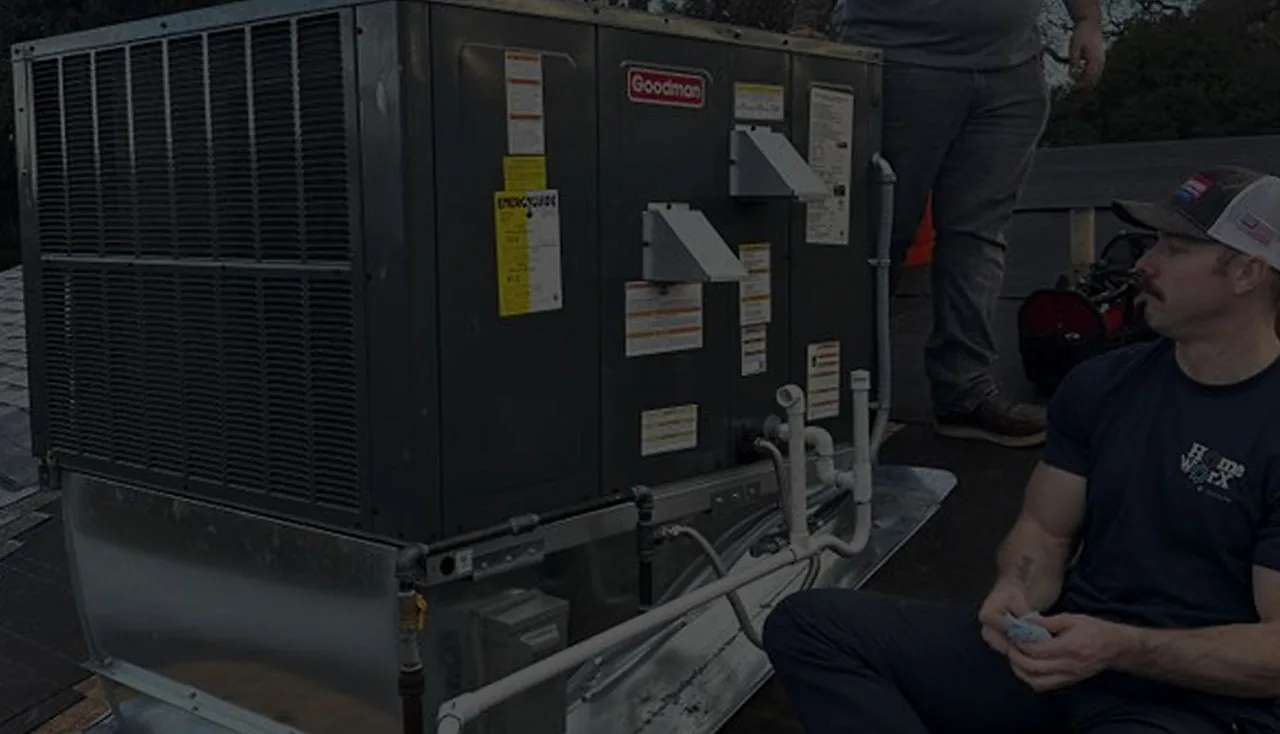
The value here is the full project review. We can look at your current furnace, ductwork, electrical service, thermostat, and outdoor unit before recommending a setup. That matters because a heat pump must match the home's heating load, cooling load, airflow, and available power. A larger unit is not automatically better.
Our team serves Colfax, Auburn, Rocklin, Roseville, Lincoln, Grass Valley, Penn Valley, and nearby communities. Sierra foothill homes can face hot summer afternoons and cold winter nights, which makes a two-source system worth a closer look. Some homes may need a dual fuel design. Others may do better with a standard heat pump or a new furnace.
Home Worx also handles installation, maintenance, air quality work, emergency repair, and financing options. You can review the wider range of Home Worx HVAC services when you want the same team to manage related work.
The caveat is simple: no contractor can choose the right balance point from a brand name alone. We still need your home's load data, utility rates, fuel type, and equipment match before we can give sound advice.
2. Dual fuel heat pump systems, equipment availability and control options
Dual fuel heat pump systems pair an electric heat pump with a gas furnace, then use outdoor temperature data to choose the heating source.
The heat pump moves heat between the home and outdoors. In summer, the cycle reverses and cools the house. In mild winter weather, the heat pump can provide heat without burning gas. When outdoor conditions reach the programmed balance point, the furnace takes over.
That changeover is one of the most important parts of any dual fuel heat pump system. The setting can change after the installer reviews local weather, fuel costs, and system capacity. There is no single temperature that fits every home.
Correct sizing, thermostat setup, duct checks, and refrigerant charge all matter. Homeowners should replace filters regularly and arrange yearly service. Those tasks sound small, but a blocked filter can reduce airflow and make the system run longer.
A dual fuel heat pump system may be a sensible choice when you want a widely available equipment line and a local installer already knows the matching controls. The limitation is that equipment availability and dealer skill can vary by area, so the installed design matters more than the badge on the outdoor cabinet.
3. Premium-control dual fuel systems, advanced controls and efficiency-focused configurations
Premium-control dual fuel systems focus on communication between the heat pump, furnace, blower, and thermostat. That can help the system make smaller output changes instead of switching on and off as often.
This setup uses an electric heat pump paired with a gas furnace. The heat pump handles mild weather and summer cooling. The furnace handles the coldest periods, when the heat pump may lose capacity or cost more to run.
The balance point depends on local weather and utility prices. If electricity is costly compared with gas, the furnace may take over sooner. If gas costs more, the installer may allow the heat pump to run at lower outdoor temperatures, provided it can still meet the home's heat demand.
Higher-level controls may also track indoor temperature, outdoor temperature, and humidity. That can improve comfort in a home where one floor runs warmer than another. But communicating equipment needs compatible indoor parts. Mixing controls without checking the match can remove the benefit.
Heat pumps can deliver more heat energy than the electricity they consume in some operating conditions because they move heat rather than make it. Some eligible systems may qualify for tax credits or local utility rebates. Check current rules before counting an incentive in your budget.
Review the system's operating details and matched equipment list for more information on how the two heat sources work together.
Premium-control systems make the most sense for owners who value fine control and are willing to pay close attention to the matched equipment list. Premium controls cannot fix poor duct design or an incorrect load calculation.
4. Inverter Dual Fuel Systems, flexible inverter and smart-home possibilities
Inverter dual fuel systems are worth considering when variable-speed operation and low-temperature heat pump performance are high on your list.
An inverter compressor can change its output to match the home's need. On a mild day, it may run at a lower level for longer. That can reduce temperature swings and help avoid the short cycling that occurs when equipment is oversized.
Some inverter heat pump discussions also focus on heat pumps that keep operating at lower outdoor temperatures. That does not mean every model has the same capacity at every temperature. Ask for the unit's certified heating capacity at the design temperature, not just its headline efficiency rating.
Smart-home control can be useful when it shows the current mode and lets you adjust schedules. Still, the outdoor sensor and installer settings should remain the main source for fuel changeover. Internet weather data can be delayed or wrong at the property.
This option fits homeowners who want a heat pump to carry more of the winter load while keeping a furnace in reserve. The tradeoff is a more exact design review. The system, thermostat, furnace, and ductwork must communicate correctly.
5. Dual Fuel Systems, established equipment and comfort-management options
Dual fuel systems combine an electric heat pump with a gas furnace for homes that need cooling, mild-weather heat, and a stronger heat source during cold snaps.
Some hybrid dual fuel product families include packaged equipment for certain building types. Packaged units place major heating and cooling parts in one outdoor cabinet, which can help when indoor mechanical room space is tight. That setup is more common in light commercial work than in a typical single-family replacement.
For a home, the key question is still the same: can the available equipment match the home's duct layout and load? A system that heats well but cannot move enough air will not feel comfortable. A system sized for a rare cold night may cycle poorly during the long cooling season.
A matched equipment line with access to trained service support can suit owners who want a familiar installation and maintenance path. Ask the installer to explain the thermostat's changeover setting, backup mode, filter size, and warranty terms before signing.
The main limitation is local availability. A strong local installer with a different brand may be a better choice than a weak match with a familiar name.
6. Dual fuel systems, usable replacement flexibility for existing homes
A dual fuel system is worth a look when you want to explore a replacement that may reuse parts of an existing forced-air setup.
Many homes already have a gas furnace, central air conditioner, ducts, and a line-voltage circuit near the outdoor unit. A compatible heat pump may replace the air conditioner while the furnace stays as the backup heat source. That can reduce the scope of the change, but a technician still needs to check the furnace blower, coil, controls, refrigerant lines, and outdoor disconnect.
Keep warranty records, rebate information, financing details, product documents, and trained professional support in mind. Those details matter in a dual fuel project because the installation has more parts than a basic furnace replacement.
Existing-home flexibility does not mean every furnace can pair with every heat pump. The blower may lack the needed airflow. The coil may not match. The thermostat may not support dual fuel changeover. A permit or electrical adjustment may also be required under local rules.
Before replacing a working furnace, ask for two quotes: one that adds a heat pump to the existing furnace and one that replaces both indoor components. The cheaper first quote may not be the better long-term match.
For homeowners comparing the cost side of a heat pump project, our guide to heat pump installation cost options can help you see which parts tend to change the final estimate.
This approach fits a careful replacement plan. It is less suited to a rushed purchase based on equipment price alone.
7. Variable-Speed Dual Fuel Systems, comfort and lower-temperature operation
A variable-speed dual fuel system can be a strong candidate for homeowners who want variable-speed heat pump operation and a furnace for extra capacity.
Variable-speed operation can keep the indoor temperature steadier because the compressor does not need to run at one fixed output all the time. That may also help the system run more quietly during light heating or cooling calls.
The balance point needs two checks. The economic crossover asks when the furnace costs less to run. The thermal balance point asks when the heat pump can no longer meet the home's heat loss. Those are different questions, and the lower temperature is not always the safe setting.
For example, a homeowner might prefer the heat pump at a lower temperature because gas prices are high. But if the heat pump cannot cover the home's load at that temperature, the furnace must take over sooner. A control setting that saves a little per hour can leave the home underheated during a cold snap.
A detailed design and commissioning process is important. Ask for capacity data at the outdoor design temperature, not just the rated size. The caveat is that the system's performance depends heavily on airflow, charge, wiring, and control setup.
For local dual fuel service in Placer and Nevada counties, contact Home Worx Heating and Cooling.
8. Matched dual fuel systems, familiar packaged options for regional serviceability
Dual fuel systems pair a heat pump with a natural gas furnace, then let controls select the heating source based on outdoor conditions.
These systems use electric heat during milder weather and gas heat when the home needs more output. That basic split works well for climates with warm summers, cool shoulder seasons, and at least some cold winter nights.
For a homeowner, service access is a key part of the decision. Ask whether the local technician stocks common control parts and understands the changeover logic. A dual fuel system can still heat with one source when the other has a fault, but that depends on how the system is wired and configured.
A matched system may be a good fit when a nearby dealer has strong experience with the equipment. The equipment line alone does not tell you how well the installation will perform.
One detail deserves special attention: the gas furnace and heat pump should not fight each other. Correct controls should shut down one heat source before the other runs. Your installer should test that sequence during commissioning.
9. Value-oriented dual fuel heat pump systems
Value-oriented equipment combinations are often considered by homeowners who want a simpler equipment path with attention to upfront budget.
When comparing equipment, review product details, warranty terms, available local specialists, and efficiency information. That gives you a starting point for comparing system types, but it does not replace a load calculation or a site visit.
A value-focused dual fuel heat pump system should still include a written match between the outdoor heat pump, indoor coil, furnace, thermostat, and refrigerant type. Ask who will handle warranty registration and which labor coverage comes from the installer.
This approach can make sense when a local contractor knows the product line and can service it without long delays. It may not be the best fit if you want advanced communicating controls or a highly custom comfort plan.
Do not compare quotes by outdoor unit price alone. The scope should show duct changes, electrical work, permits, start-up testing, thermostat setup, and removal of old equipment.
For local guidance in the Placer County and Nevada County area, contact Home Worx Heating and Cooling.
10. Dual-Fuel Rooftop Systems, an option for matched replacement systems
Dual-fuel rooftop equipment is another option for a matched replacement, particularly for light commercial properties.
These systems pair a heat pump with a gas or propane furnace. The system changes heat sources when outdoor conditions reach the programmed balance point. The control can be set around comfort, operating cost, or emissions goals.
Rooftop equipment is not the usual choice for a single-family home, but the design shows why dual fuel can help commercial buildings. A facility may use the heat pump through much of the year, then rely on the furnace during the coldest periods. Some rooftop models also include backup settings and separate refrigerant circuits for added service flexibility.
For residential buyers, a matched split system may be appropriate when a local installer can provide the exact indoor and outdoor model pairing, certified capacity at low temperatures, and a service plan.
The limitation is that equipment aimed at commercial rooftops does not automatically translate to a better home installation. Property type comes first.
Balance-point controls determine when the furnace provides supplemental heat.
For local dual-fuel service in the Placer County and Nevada County area, contact Home Worx Heating and Cooling.
Comparison Table: Which Dual Fuel Heat Pump System Fits Your Property?
The best choice depends less on a brand ranking than on the fit between your home, fuel prices, controls, and local service. Use this table to frame the first conversation with an installer.
Option | Best fit | Ask about | Main caution |
Home Worx Heating and Cooling | Placer and Nevada County homeowners wanting local project support | Load calculation, duct review, rebates, service plan | Final design must match the home |
Homes needing broad dealer support | Homeowners seeking broad dealer support | Balance point and control match | Dealer quality varies |
Lennox | Owners who want detailed communicating controls | Compatible indoor components | More complex controls can raise project cost |
Daikin | Homes prioritizing inverter operation | Low-temperature capacity data | Model performance differs |
Homes with strong local dealer access | Owners with strong local dealer access | Residential versus packaged equipment | Availability may vary |
Existing homes with a compatible furnace | Existing homes with a compatible furnace | Reuse versus full replacement | Not every furnace can be paired |
Homes seeking variable-speed comfort | Homes seeking variable-speed comfort | Thermal and economic balance points | Needs careful commissioning |
Homes with a capable regional dealer | Homes with a capable regional dealer | Changeover testing and parts support | Installation quality still drives results |
Budget-focused replacement planning | Budget-focused replacement planning | Warranty and matched system details | Do not judge by unit price alone |
Matched replacement or light commercial work | Matched replacement or light commercial work | Residential model availability | Some research centers on rooftop units |
How to choose a dual fuel heat pump system
Start with the home, not the brand. A qualified HVAC contractor should review the building envelope, insulation, duct size, furnace condition, electrical panel, refrigerant lines, and local permit needs.
Check the fuel mix.Dual fuel usually needs natural gas or propane for the furnace side.
Ask for the balance point.The installer should explain when the system changes from heat pump operation to gas heat.
Separate cost from capacity.The cheapest operating point is not safe if the heat pump cannot meet the load.
Review electrical needs.An existing air conditioner circuit may help, but the final load must be checked.
Confirm incentives.Utility rebates can change. Get written eligibility details before relying on them.
Plan maintenance.Replace filters on schedule and arrange annual service for airflow, charge, controls, and furnace operation.
Key Takeaway:The right changeover temperature depends on fuel prices, equipment capacity, and the home's heat loss. It should be measured and set by the installer.
Where dual fuel works well, and where it does not
A dual fuel heat pump system works best in a home with meaningful seasonal swings. The heat pump can handle mild spring and fall weather plus summer cooling. The furnace can cover periods when outdoor air is too cold for the heat pump to carry the full load.
It also gives the homeowner fuel flexibility. If gas prices rise, the controls may favor electricity for longer. If electric rates rise, the furnace may take over sooner. The savings depend on actual rates, furnace efficiency, heat pump performance, and the selected balance point.
The main drawbacks are the higher upfront cost and added control work. You have two heating sources to service. A gas furnace still needs combustion checks. The heat pump needs clean airflow, correct refrigerant charge, and a clear outdoor coil.
Dual fuel is not always the best answer. A mild climate may favor a heat pump alone. A home without gas or propane may need an all-electric design. A poorly insulated home may need envelope work before a new HVAC system can deliver steady comfort.
Pro Tip:Ask for a side-by-side estimate that shows expected operating assumptions, equipment match, electrical work, permits, maintenance, and warranty coverage. A lower equipment quote can become the higher project cost after missing work is added.
Maintenance, rebates, and local installation details
Maintenance starts with airflow. Check the filter regularly and replace it when it is dirty. Keep plants, leaves, and other debris away from the outdoor unit. Uneven rooms, long run times, or a change in the sound of the equipment deserve attention.
Annual service should include the heat pump, furnace, thermostat, safety controls, electrical connections, duct airflow, and refrigerant charge. The technician should also confirm that the system changes modes at the intended outdoor temperature.
Rebates are more complex than a sales flyer may suggest. Eligibility can depend on the utility territory, equipment model, efficiency rating, income rules, permit status, and installation date. State programs may have waitlists or limited funds. In Northern California, check the current rules for your electric provider and ask whether a gas-to-electric conversion is required.
California permit requirements can also affect the schedule. A contractor should explain which permits apply and who will submit the paperwork. Home Worx Heating and Cooling can help homeowners in the Placer and Nevada County area compare the installation scope before they commit to a system.
FAQ
What is a dual fuel heat pump system?
A dual fuel heat pump system pairs an electric heat pump with a gas or propane furnace. The heat pump handles cooling and often provides heat during mild weather. When outdoor conditions reach the programmed changeover point, the furnace takes over. This gives the home two heating sources instead of relying on electric resistance backup.
At what temperature does a dual fuel heat pump switch to gas?
A dual fuel heat pump often switches near 35°F to 40°F, but there is no universal setting. The installer should base the balance point on the unit's low-temperature capacity, the home's heat loss, furnace efficiency, electricity price, and gas or propane cost. The safest setting must protect both comfort and heating capacity.
Is a dual fuel heat pump worth it in California?
A dual fuel heat pump can be worthwhile in California homes that already use gas or propane and face cool winter nights. It may reduce gas use during mild weather while keeping furnace backup. The answer depends on your utility rates, climate, existing equipment, and installation cost. Some mild homes may do better with an all-electric heat pump.
Can I add a heat pump to my existing gas furnace?
You can often add a heat pump to an existing gas furnace if the furnace blower, indoor coil, ductwork, controls, refrigerant lines, and electrical circuit are compatible. An HVAC technician must verify the match first. Keeping the furnace may lower the project scope, but replacing mismatched indoor parts can produce better long-term performance.
Does a dual fuel heat pump need a larger electrical panel?
A dual fuel heat pump may not need a panel upgrade, especially when it replaces an existing central air conditioner with a compatible circuit. The answer depends on the heat pump's electrical load, the home's service size, and other major appliances. A licensed installer should check the panel, circuit, wire, disconnect, and permit requirements.
Conclusion
For most homeowners in the Northern California foothills, the best first move is a home-specific design review rather than a brand-only comparison. Contact Home Worx Heating and Cooling to compare a dual fuel setup with other heating choices, confirm the balance point, and review local installation and rebate requirements before work begins.