
Best Single-Stage vs Two-Stage AC Options
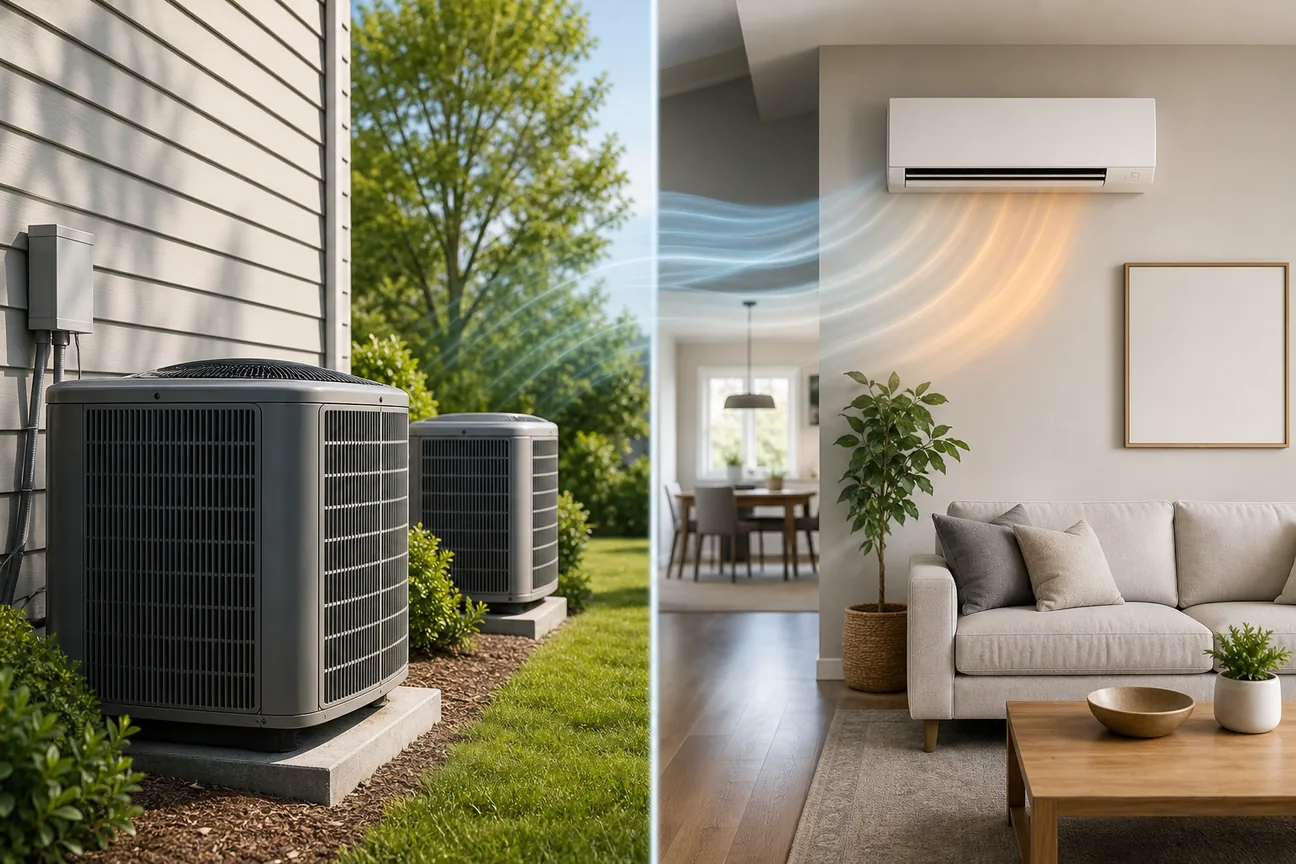
Two-stage air conditioning sounds like the obvious upgrade. But in the Sierra foothills, the extra cost may bring only a small efficiency gain. Here are the best single stage vs two stage ac options, plus which homes in Auburn, Colfax, Rocklin, Roseville, Grass Valley, Penn Valley, and Lincoln may suit each one.
Table of Contents
1. Home Worx Heating and Cooling
Home Worx Heating and Cooling is the best starting point when you need a new system sized for a local home. We serve Placer and Nevada Counties, including Auburn and Colfax, with installation, maintenance, repair, and indoor air-quality service.
Choosing between single-stage and two-stage AC starts with the home itself. A load calculation helps match the system to the building. That matters because manufacturer listings often leave out recommended home size and BTU guidance. A unit that is too large may cool fast but cycle often. A unit that is too small may run for long periods on hot afternoons.
We also look at duct condition, insulation, sun exposure, thermostat location, and the way your family uses each room. In a foothill home, the best answer may be a well-sized single-stage system rather than a more costly two-stage model.
Home Worx lists a financing plan at $120 per month. That can make replacement easier to plan, though your final payment depends on approval and project terms. We can also help you ask about available PG&E or state energy rebates and check the permit needs for your California project.
Key Takeaway:Ask for a load calculation and a written comparison of total installed cost before choosing a second stage.
The tradeoff is clear. A local contractor can judge the whole system, while a product page usually shows only part of the decision. For homeowners in Colfax or Auburn, that local check may save more money than buying the highest rating on the page.
2. Comfort Series, Straightforward single-stage cooling for Rocklin homes
The Comfort Series is a single-stage option for Rocklin homeowners who want basic on-or-off cooling with a lower equipment cost. Carrier lists this series at up to 16.5 SEER2, though the rating depends on the matched system and installation.
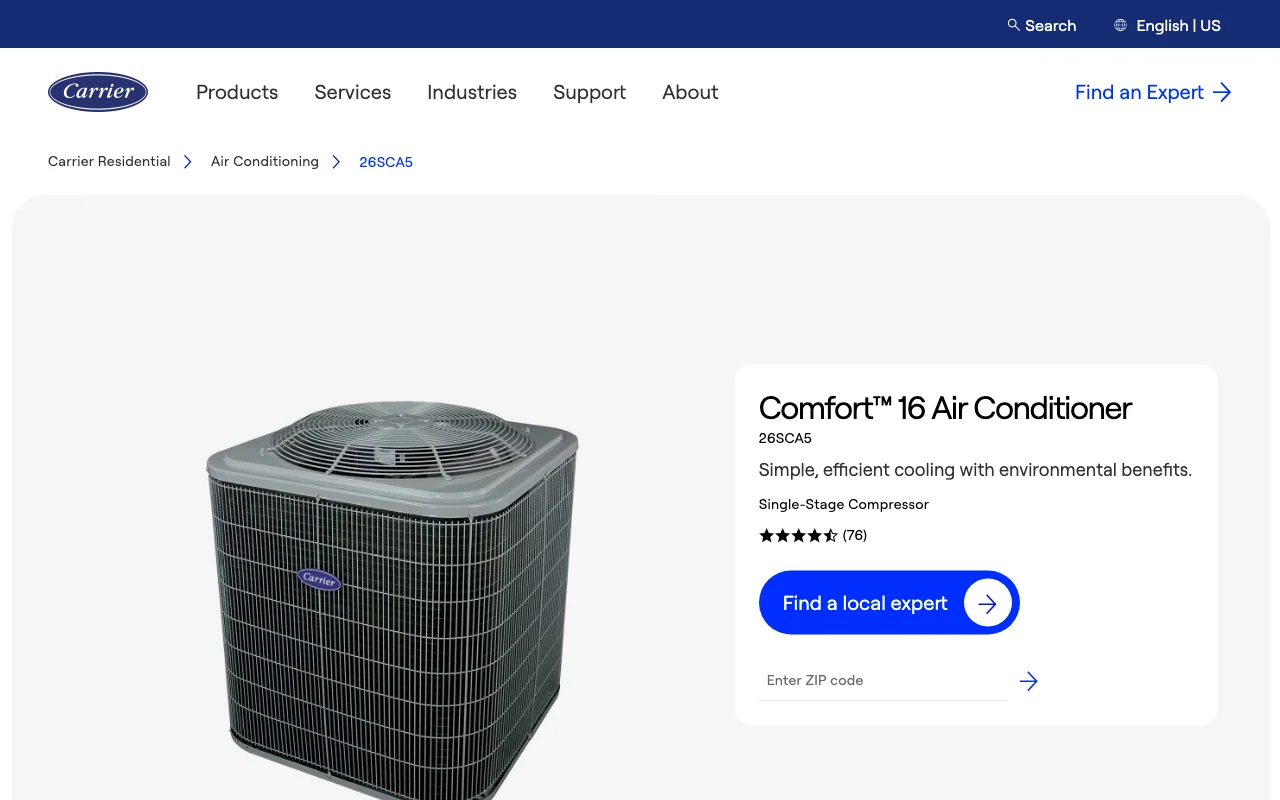
Single-stage cooling runs at one output level. When the thermostat calls for cooling, the compressor starts. It then stops when the set point is reached. That simple control scheme can be a good fit for a smaller home, a rental property, or a household in Auburn or Colfax that wants a predictable replacement cost.
The main limit is comfort control. A single-stage unit does not slow down during mild cooling demand. It may reach the thermostat setting quickly, then shut off while warmer rooms catch up. Good duct design and correct sizing reduce that problem, but they cannot turn a single-stage system into a two-stage system.
Correct installation and regular service remain important. These steps help the system operate as intended and can reduce avoidable problems.
Roseville homes face long, hot summer days, as do homes in Grass Valley and Penn Valley. A single-stage unit can still work well when the contractor checks airflow and matches the indoor coil, outdoor unit, and blower. It is less suited to buyers who want very even room temperatures or long, low-speed cycles.
Choose this type when upfront cost carries more weight than fine comfort control. It is often the sensible baseline for a properly sized home in Lincoln. Contact Home Worx Heating and Cooling for local single-stage cooling guidance and service.
3. Performance Series, Two-stage comfort and efficiency for Roseville conditions
The Performance Series gives Roseville homeowners a two-stage option with a listed rating of up to 18.0 SEER2. In the single stage vs two stage ac choice, the second stage is meant to handle lighter cooling demand without always running at full output.
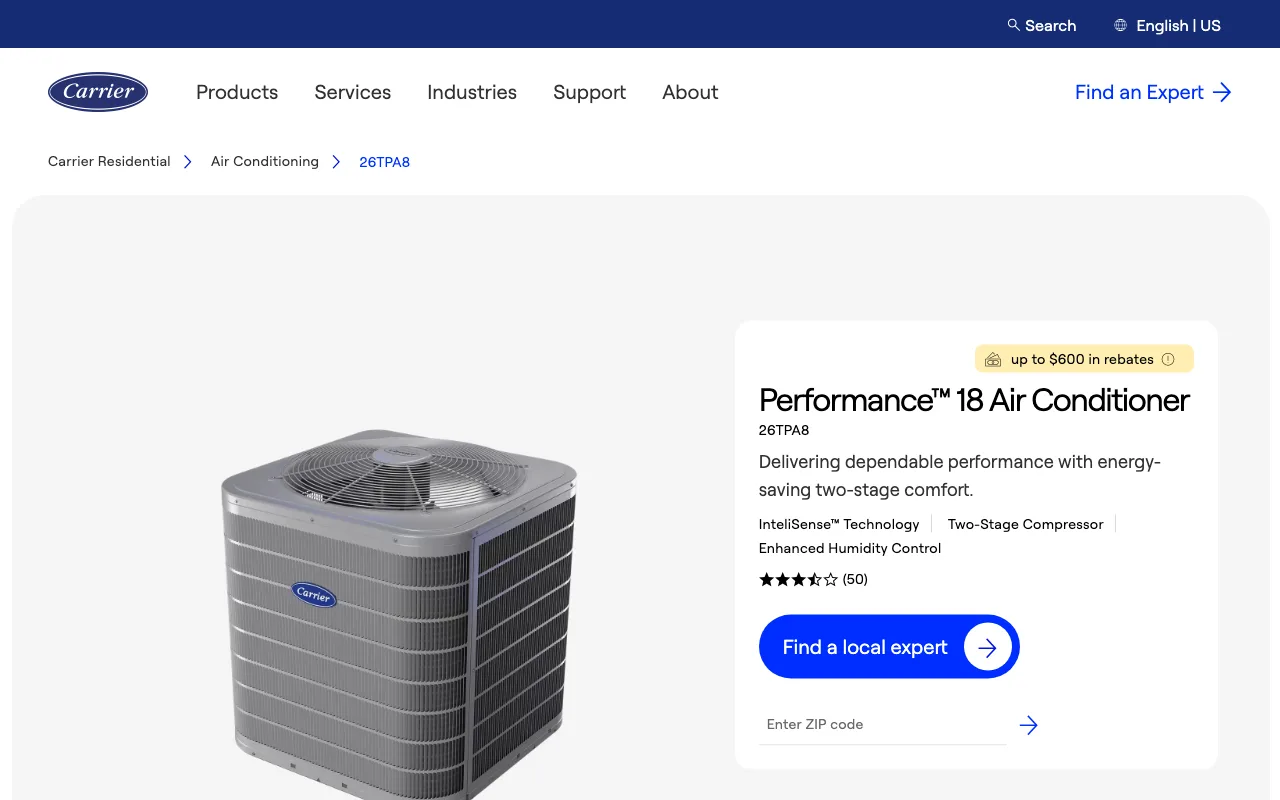
On a mild afternoon, the system may run at its lower stage for a longer cycle. That can help reduce temperature swings and may improve moisture control when the system runs long enough. When the heat rises, the second stage adds capacity.
That sounds useful, but it does not guarantee a lower bill. The gain depends on the equipment match, ductwork, thermostat control, run time, and the home’s heat load. A two-stage unit installed in a poorly sealed or badly sized system can disappoint.
Carrier lists the Performance Series at up to 18.0 SEER2. The word “up to” matters. Your contractor should show the matched-system rating rather than quoting the highest number from a product family.
Roseville homes can have very different cooling needs. A newer, shaded home may not need the same capacity as an older house with leaky ducts and west-facing windows. Before paying for a second stage, compare the expected comfort gain with the full installation price.
Homeowners who want a clearer explanation of low-stage operation can to what a two-stage air conditioner does . The key point is simple: the system has more than one operating level, but it still needs proper sizing to work well.
Pro Tip:Ask the installer to show the rated efficiency for the exact indoor and outdoor equipment combination, not just the series name.
The Performance Series makes more sense when comfort is a high priority and the home has a long cooling season. It makes less sense when the price gap is large and the expected run-time savings are small.
4. Infinity System, Premium variable comfort for Grass Valley and Penn Valley
The Infinity System is the premium variable-comfort choice for Grass Valley and Penn Valley homes. Carrier lists the system at up to 21.0 SEER2, the highest rating in the options covered here.
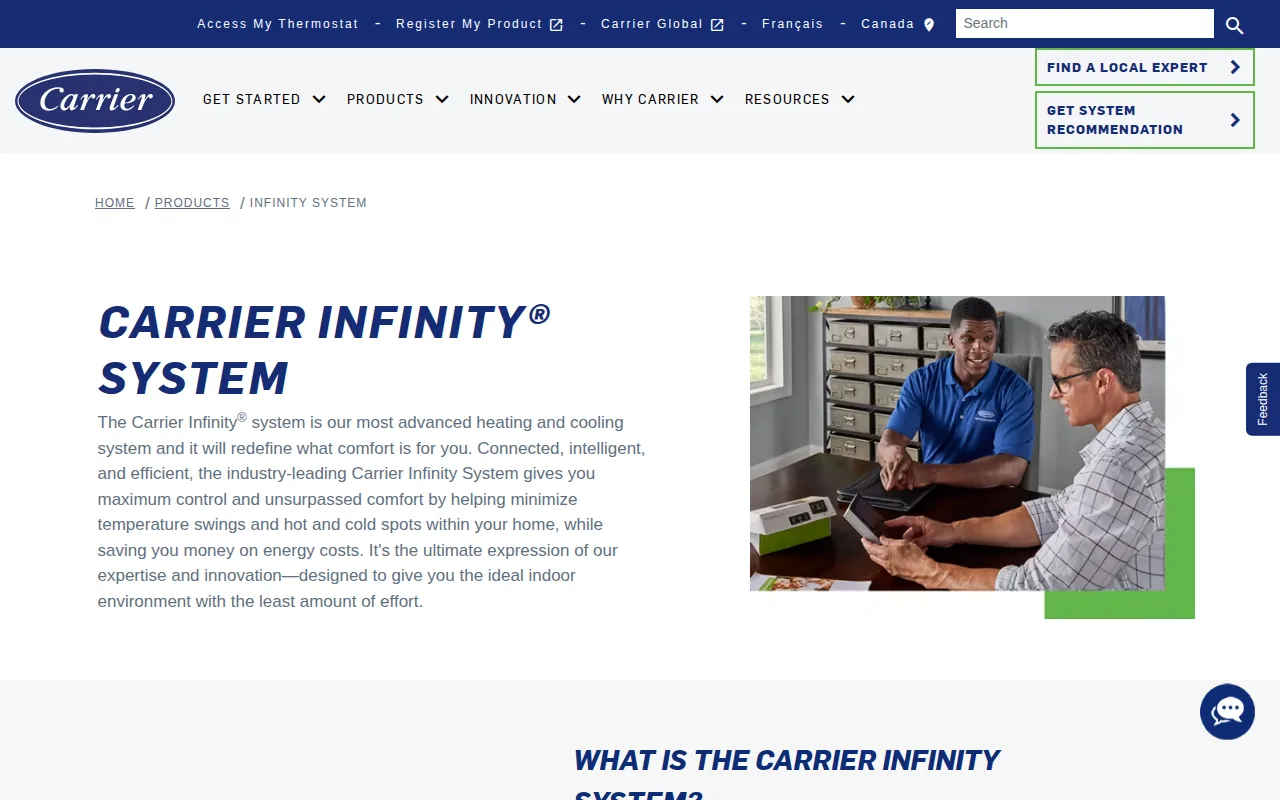
Variable operation gives the system more control over output than a basic single-stage unit. Instead of switching only between off and full output, it can adjust more closely to the demand. That may help a home feel steadier, especially when some rooms heat faster than others.
There is a catch. The highest rating does not tell you the payback period. A system with a high SEER2 rating also needs compatible controls and matched components. If the ductwork leaks or the home has major insulation gaps, the equipment cannot fix those issues by itself.
Grass Valley and Penn Valley homes may also face different temperature patterns because of elevation, shade, and older construction. A variable system can be attractive in a home with uneven rooms, but the contractor still needs to inspect airflow and calculate the load.
Premium equipment also brings more parts and controls than a basic system. That may improve comfort, but it can raise the cost of service if a control board or sensor fails later. Ask for warranty terms and a maintenance plan in writing before you sign.
The Infinity System is best for buyers who value even temperatures and are willing to pay more for control. It is not the automatic best buy for every foothill home.
5. AL19B24, High-efficiency two-stage performance for Lincoln homes
The AL19B24 is a two-stage air conditioner for Lincoln and Auburn homeowners who want a high efficiency rating without moving to a fully variable system. Luxaire lists it at up to 19.75 SEER. That places it above many standard single-stage choices on paper.
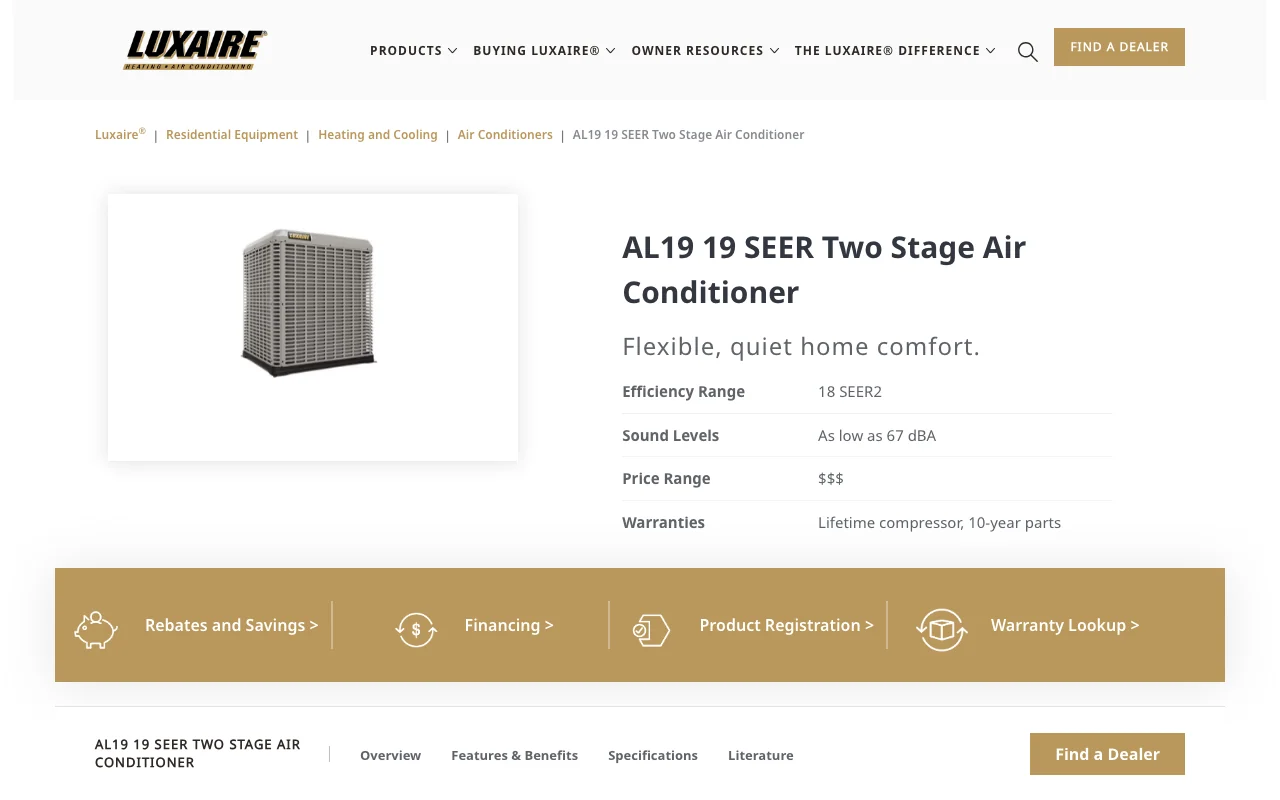
The system also lists features aimed at reducing vibration, including a swept-wing fan and composite base. Its communication capability is designed to work with a compatible control. Those details may matter in a home where outdoor sound or tighter temperature control is a concern. Colfax and Rocklin homeowners can weigh those considerations alongside system sizing.
The AL19B24 has an “up to” rating, so the installed result depends on the matched equipment and test conditions. Roseville buyers should compare the complete system rather than relying on the rating alone.
Lincoln buyers should also compare the price premium with expected use. Research on comparable single-stage and two-stage systems found examples where the two-stage model cost more than $2,000 extra while the listed efficiency gain was only 0.1 SEER. That does not make two-stage equipment bad. It means the added cost may not pay back quickly in every home.
Option | Stage type | Listed efficiency | Best fit | Main caution |
Home Worx Heating and Cooling | Depends on selected system | Depends on selected system | Local sizing, installation, and financing guidance | Technical details need to come from the project quote |
Comfort Series | Single-stage | Up to 16.5 SEER2 | Lower-cost, straightforward cooling | Basic on-or-off operation |
Performance Series | Two-stage | Up to 18.0 SEER2 | More comfort control during lighter demand | Higher cost may not suit every home |
Infinity System | Variable | Up to 21.0 SEER2 | Premium temperature control | More equipment and control complexity |
AL19B24 | Two-stage | Up to 19.75 SEER | High listed efficiency with two-stage operation | Actual value depends on matched installation |
For Lincoln, the right choice may be a single-stage system with a strong installation rather than the most expensive rating. Review duct condition as part of the quote. Old ducts can affect comfort and operating cost; see ductwork replacement in Lincoln for more information. Grass Valley and Penn Valley homeowners can apply the same ductwork review when comparing options.
Pick the AL19B24 when its extra efficiency and two-stage control fit your budget and your comfort goals. If the added price strains the project, ask for a properly sized single-stage alternative before deciding. Contact Home Worx Heating and Cooling for local sizing and installation guidance.
FAQ
Is a two-stage AC better than a single-stage AC?
A two-stage AC can improve comfort during lighter cooling demand, but it is not always the better value. Single-stage systems cost less and can cool well when sized and installed correctly. In the single stage vs two stage ac decision, compare the installed price, expected run time, duct condition, and comfort goals.
Does a two-stage air conditioner save more money?
A two-stage air conditioner may use less energy in some homes, but savings are not guaranteed. The result depends on the equipment match, thermostat, ductwork, insulation, and local cooling demand. A small efficiency gain may not recover a large purchase premium, especially when the system runs for a limited part of the year.
What SEER2 rating should I choose in Northern California?
Many homes can work well with a mid-range rating when the system is sized correctly. A higher SEER2 rating may make sense when the equipment runs often or comfort is a top concern. Ask for the rating of the full matched system, not only the outdoor unit or product family.
Is a single-stage AC good for a home in Rocklin or Lincoln?
A single-stage AC can be a good fit for Rocklin or Lincoln when the home has sound ducts and the unit matches the cooling load. It gives basic on-or-off control and often costs less. Homes with uneven rooms may benefit from two-stage or variable operation, but an assessment should come before paying for it.
How do I compare AC quotes?
Compare the equipment match, SEER2 rating, capacity, warranty, labor scope, permit handling, and financing terms. Also ask whether the quote includes duct repairs or electrical work. Home Worx Heating and Cooling can explain these choices for homes across Placer and Nevada Counties, including local permit and rebate questions.
Conclusion
For most foothill homes, a properly sized single-stage system is the sensible first quote, while two-stage or variable equipment suits buyers who place a higher value on steady comfort. Ask Home Worx Heating and Cooling for a load calculation, matched-system rating, and full installation price before you choose. We serve Auburn, Colfax, Rocklin, Roseville, Grass Valley, Penn Valley, and Lincoln.