
Best Ways to Improve Indoor Air Quality at Home
Stuffy air makes you cough, sneeze, and feel tired. We’ve gathered the most effective ways to clean the breath you take inside your house. Below are the ten options that actually move pollutants out of your living space.
1. Home Worx Heating and Cooling (Our Top Pick) , Complete Indoor Air Solutions
Home Worx Heating and Cooling is a family‑owned HVAC contractor serving Colfax, Auburn, and the wider Placer and Nevada County area. Their Air Quality Solutions integrate a high‑efficiency filter directly into your furnace or heat pump, so every room gets cleaned air without extra units.
Because the system works at the source, it captures particles that other point‑source purifiers miss, like radon‑size gases and fine dust that travel through ducts. The company also offers financing, so you can spread the cost over months.
Best for homeowners who want a whole‑house fix and don’t want to juggle multiple devices.Pro Tip:Ask for a MERV 13 filter upgrade during installation for a balance of filtration and airflow.
Key Takeaway:A whole‑home HVAC filter tackles pollutants where they enter the house.
One downside is the upfront expense; a full system can run several thousand dollars. If your budget is tight, you might start with a portable purifier and upgrade later.
Rocklin HVAC | Home Worx explains how their service helps families breathe easier during wildfire season.
2. DIY Corsi‑Rosenthal Box , Affordable DIY Air Purifier
The Corsi‑Rosenthal Box is a simple cube made from four MERV 13 filters and a 20‑inch box fan. 3M scientists confirmed it can trap viruses and fine particles, making it a solid stop‑gap when you can’t install a whole‑house system.
Build time is about 45 minutes and cost ranges from $80 to $100. Replace the filters every six months , the dust buildup is a clear visual cue.
This option shines in large rooms that lack good ventilation, like a home office or a classroom. It’s portable, so you can move it from room to room as seasons change.
A limitation is noise , the fan runs at around 60 dB, which some find distracting during quiet activities.
For step‑by‑step instructions, see Filtrete’s DIY guide.
3. HEPA Air Purifiers , Cleanest Air for Sensitive Spaces
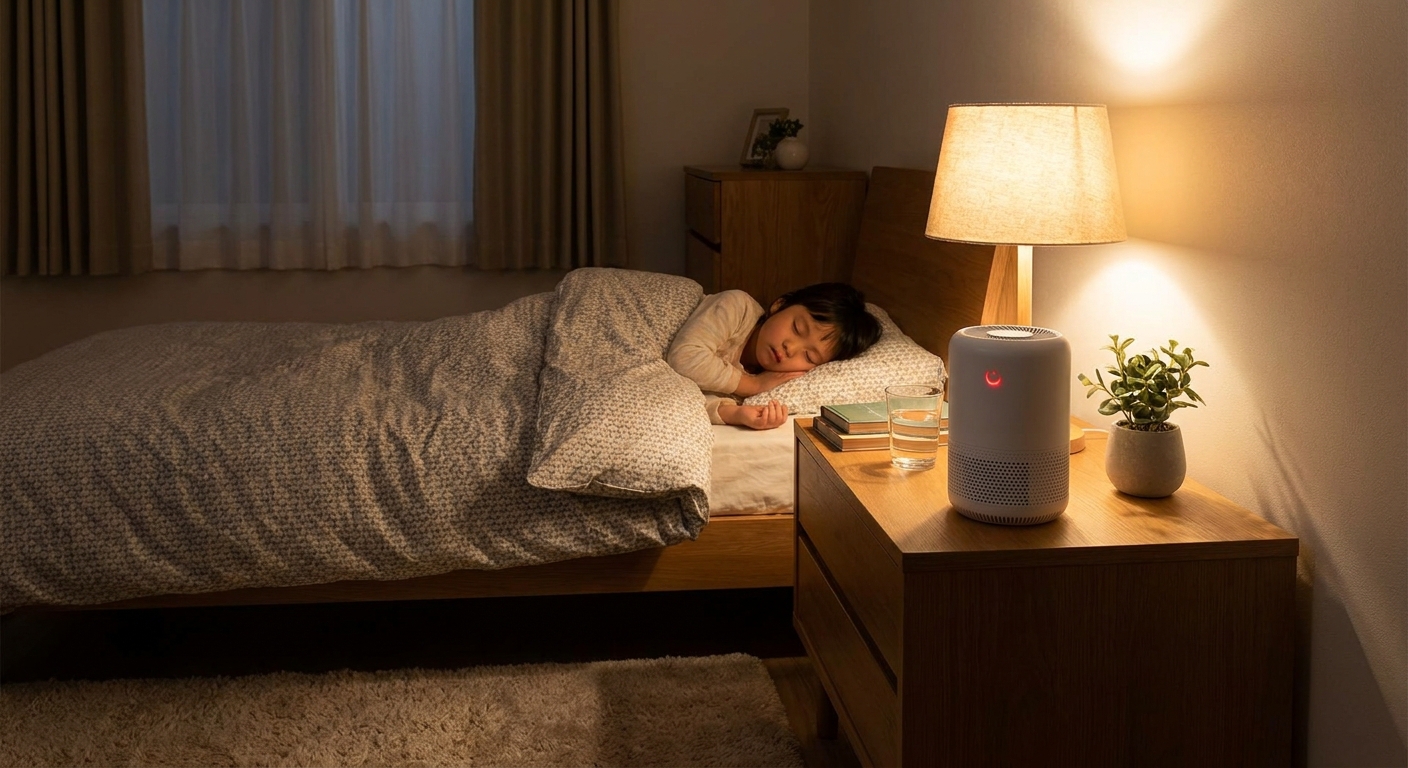
HEPA (High‑Efficiency Particulate Air) filters remove 99.97 % of particles down to 0.3 µm. Studies show a portable HEPA unit can cut indoor PM2.5 levels by roughly half in a typical bedroom.
They are ideal for nurseries, allergy‑prone rooms, or any space where you need the cleanest possible air. Units vary in size; pick one that matches the square footage you want to treat.
One drawback is the cost , a good HEPA purifier runs $200‑$500, and you’ll need to replace the filter every 6‑12 months.
Peer‑reviewed research confirms the real‑world efficacy of HEPA cleaners in reducing PM2.5.
4. Ventilation Fans & ERVs , Fresh Air Flow Without Losing Comfort
Energy Recovery Ventilators (ERVs) pull stale indoor air out while bringing fresh outdoor air in, transferring heat and moisture so you don’t lose comfort.
In tightly sealed California homes, an ERV can lower humidity in summer and keep indoor air warm in winter without overworking your HVAC.
Fans in kitchens and bathrooms add spot ventilation, but they don’t filter pollutants. Pair them with an ERV for whole‑home exchange.
Installation usually requires a professional; the unit must be sized to your home’s airflow needs.
Panasonic’s ERV line offers whisper‑quiet operation and a 10‑year lifespan.
Panasonic’s ERV overview explains how the heat‑exchange core works.
Lincoln HVAC | Home Worx can help you choose the right size for your floor plan.
5. Radon Detection & Mitigation , Protect Your Family from Hidden Risks
Radon is a colorless, odorless gas that seeps from the ground. The EPA advises testing every home, especially in areas with higher geological radon levels.
A simple charcoal canister kit costs under $30 and gives a quick reading. If levels exceed 4 pCi/L, a mitigation system, typically a vent pipe and fan, can lower indoor radon by 80 % or more.
Radon mitigation adds a vent line to the foundation and a fan that exhausts gas outside. It runs continuously but uses little electricity.
Because radon can cause lung cancer, testing is a non‑negotiable step for any serious IAQ plan.
One caution: installing a mitigation system without professional guidance may create pressure imbalances that affect other ventilation.
6. Carbon Monoxide Detectors , Early Warning for Silent Threats
Carbon monoxide (CO) is a deadly, odorless gas produced by incomplete combustion. A detector alerts you before levels become harmful.
Place a detector near each sleeping area and on every floor with a fuel‑burning appliance. Digital units with battery backup last 5‑7 years.
Testing your detectors monthly with the built‑in test button ensures they work.
If you hear a beep, ventilate the area and call emergency services. Never ignore a CO alarm.
Most detectors do not need professional installation, but pairing them with a smart hub lets you receive alerts on your phone.
7. Humidity Dehumidifiers & Moisture Barriers , Balanced Moisture Levels
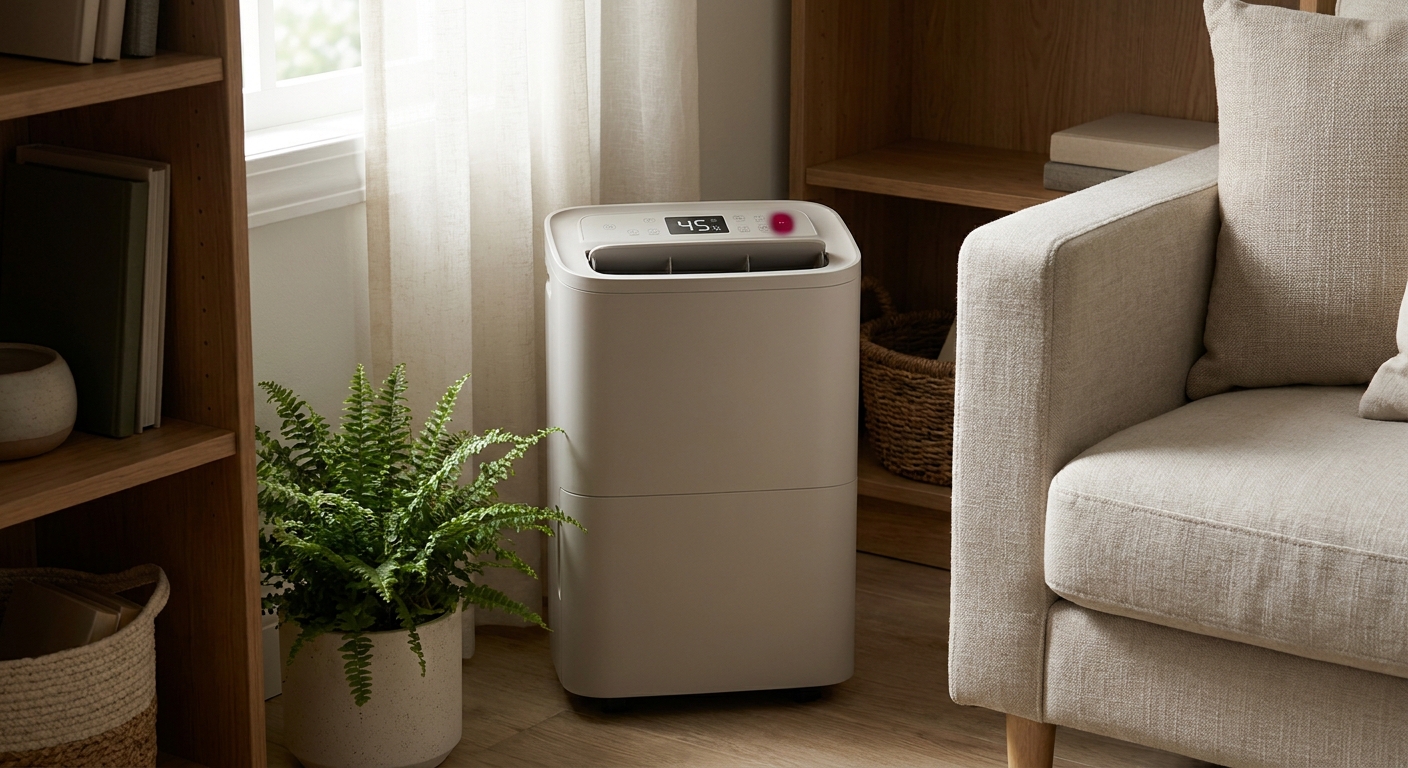
Keeping indoor humidity between 30‑50 % stops mold, dust mites, and static electricity. In the dry season, a humidifier adds moisture; in the wet season, a dehumidifier pulls excess water from the air.
Modern units have built‑in hygrometers and shut off automatically when the target range is reached, saving energy.
A moisture barrier in crawl spaces, typically a heavy‑duty polyethylene liner, prevents ground moisture from rising into the living area.
One limitation is the need to empty the water tank or hook up a drain line, which some homeowners find inconvenient.
Carrier’s humidity guide details ideal ranges for California homes.
8. UV‑C Air Disinfection , Virus & Bacteria Reduction Technology
UV‑C lamps installed in the HVAC ductwork inactivate viruses, bacteria, and mold spores as air passes through.
Unlike filters, UV light destroys microorganisms, so it works well alongside a high‑efficiency filter.
Installation requires a qualified technician; the lamp needs replacement every 12‑18 months for peak performance.
UV‑C does not remove particles, so pair it with a MERV 13 filter for best overall IAQ.
Because the light is sealed inside the duct, there’s no risk of exposure to occupants.
9. Indoor Plants for Air Quality , Natural Filters with Careful Management
Some houseplants can absorb volatile organic compounds (VOCs) and add humidity. NASA’s research lists several species, like spider plant, peace lily, and snake plant, as effective at removing formaldehyde and benzene.
Plants also boost mood and provide a visual touch of nature.
However, over‑watering can raise indoor humidity and encourage mold. Use a well‑draining pot and let the soil dry between waterings.
Plants alone won’t replace mechanical filtration, but they’re a nice supplemental layer.
For a full list of NASA‑approved plants, see CO2Meter’s plant guide.
10. Regular Cleaning & Maintenance , Keeping Dust and Allergens at Bay
Routine vacuuming with a HEPA‑rated vacuum removes settled dust that can become airborne again.
Changing HVAC filters every 1‑3 months (depending on usage) ensures the system doesn’t recycle dirty air.
Duct cleaning is optional; the EPA says it only helps if there’s visible mold, excessive dust, or a pest infestation.
Cleaning vents and registers removes surface dust that can otherwise re‑enter the airflow.
Professional HVAC tune‑ups each spring keep fans and coils clean, preserving both efficiency and air quality.
EPA guidance on duct cleaning explains when the service is worthwhile.
American Lung Association notes that a sealed‑system vacuum prevents dust from re‑entering the room.
Comparison Table: Quick Reference of the 10 Options
Option | Type | Best For | Key Note |
Home Worx HVAC Filtration | Whole‑home system | All‑season, all‑room coverage | Higher upfront cost |
Corsi‑Rosenthal Box | DIY portable | Large rooms, tight budget | Noise level |
HEPA Air Purifier | Portable filter | Allergy‑sensitive spaces | Filter replacement cost |
Ventilation Fans & ERVs | Mechanical ventilation | Energy‑efficient fresh air | Professional install |
Radon Test & Mitigation | Gas detection & vent | Homes on radon‑prone soil | Requires vent routing |
CO Detectors | Safety sensor | Any home with fuel appliances | Battery replacement |
Dehumidifier / Moisture Barrier | Humidity control | Damp climates, basements | Drain management |
UV‑C Disinfection | In‑duct lamp | Virus/bug reduction | Lamp lifespan |
Indoor Plants | Biological filter | Supplemental, aesthetic | Maintenance needed |
Regular Cleaning | Maintenance routine | All homes | Time commitment |
FAQ
How often should I change my HVAC filter?
Change the filter every 1‑3 months depending on household traffic and pets. A visual check for dust buildup helps decide when it’s time.
Do I need a professional to install an ERV?
Yes, a qualified HVAC technician should size and connect the ERV to your ductwork. Improper installation can reduce efficiency.
Can plants replace a HEPA purifier?
No, plants add modest VOC removal but cannot capture fine particulates like dust or pollen. Use them alongside a filter for best results.
Is radon testing a one‑time thing?
Test every two years or after major home renovations, because soil conditions can change over time.
What’s the cheapest way to start improving IAQ?
Begin with regular vacuuming using a HEPA‑rated vacuum and replace your furnace filter with a MERV 13 option. Both steps cost under $100 and show immediate improvement.
Ready to take the next step? Explore our full guide on indoor air quality solutions to plan a complete upgrade for your home.