
How HVAC Systems Reduce Home Allergies: Step‑by‑Step Guide
Allergy season can make your home feel like a trap. The good news is your HVAC system can turn that trap into a fresh‑air zone. Below we walk through the exact steps that cut pollen, dust, and mold so you breathe easier.
Step 1: Choose and Install High‑Efficiency Air Filters
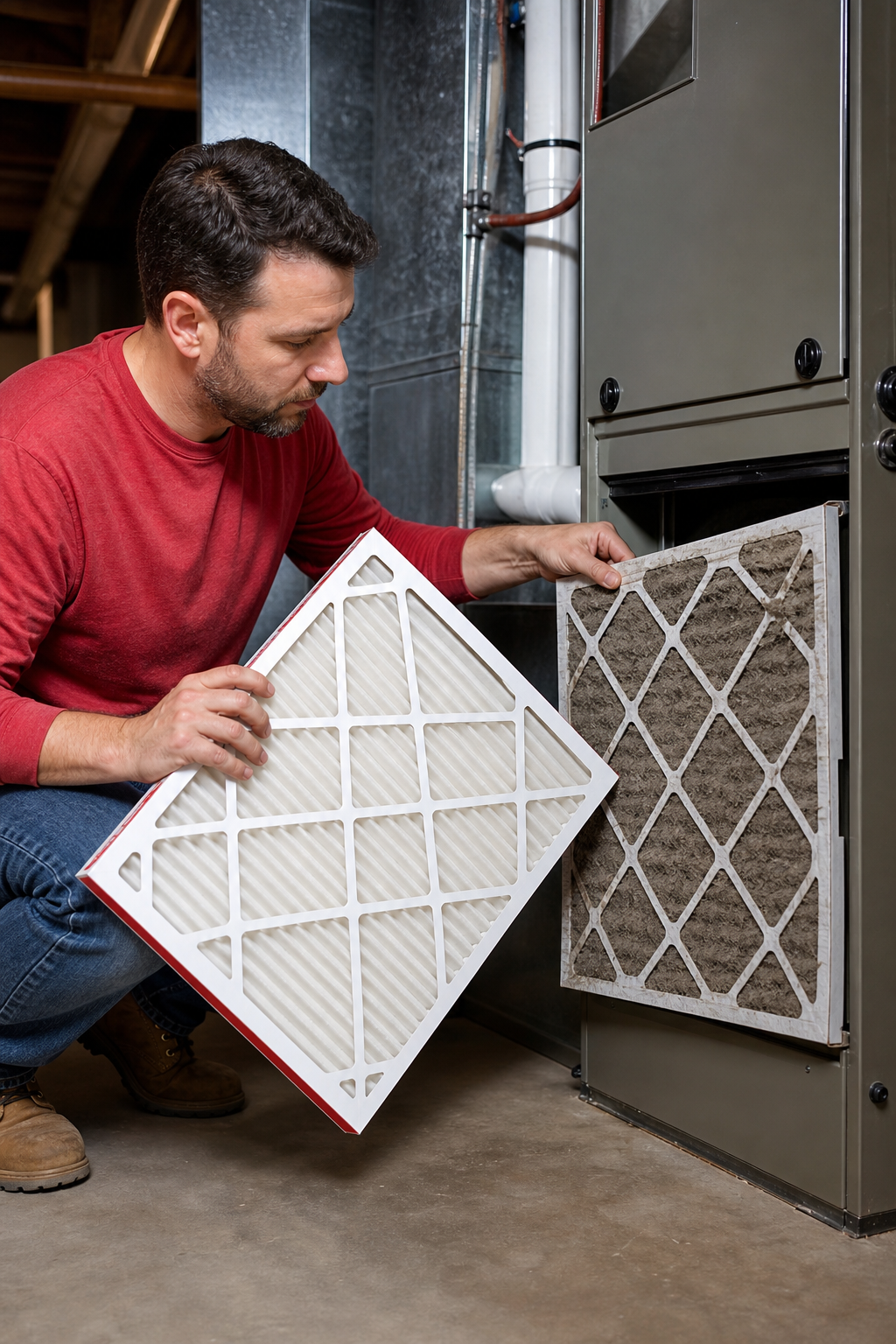
Start with a filter that catches the tiny particles that trigger sneezing. A high‑efficiency filter traps pet dander, pollen, and other small particles while still allowing airflow. If you live in the Colfax or Auburn area, Home Worx Heating and Cooling can size the right filter for your system and handle the install.
We recommend checking the filter’s dimensions and sealing any gaps around the filter frame. Gaps let unfiltered air slip through, undoing the upgrade. Ensuring the filter housing is sealed tightly helps maintain proper airflow.
Swap the filter every 1‑3 months during high‑pollen months. A clean filter maintains airflow and keeps the blower from working harder, which protects the fan motor.
Step 2: Control Indoor Humidity with Dehumidifiers or Humidifiers
Dust mites and mold love moisture. Keep relative humidity between 30 % and 50 % to make your home less inviting for them. In the Sierra foothills, a whole‑house dehumidifier works best because it treats the air before it reaches ducts.
For homes that get too dry in winter, a humidifier can add moisture back to the air, preventing static that lifts dust into the breathing zone. Maintaining balanced humidity reduces allergen growth.
Ask Home Worx to evaluate the right capacity for your square footage. Proper sizing avoids excess energy use while keeping the humidity sweet spot.
Step 3: Optimize Fan Operation and Continuous Filtration
Running the fan continuously pulls air through the filter all day, not just when heating or cooling. This steady flow dilutes pollen that sneaks in through doors and windows.
Set the thermostat fan switch to “ON” rather than “AUTO” during peak pollen times. The “ON” mode keeps air moving, so allergens don’t settle on surfaces. It also provides a constant stream for any air cleaning device to operate.
Be aware that a nonstop fan may wear the filter faster, so schedule more frequent checks. The trade‑offs between energy use and air cleanliness should be considered.
Thermostat controls let you switch the fan remotely, so you can turn it on when you’re home and back to “AUTO” at night to save energy.
By now you should have a more even temperature and cleaner air circulating throughout every room.
Step 4: Add Advanced Air Cleaning (UV Lights & Whole‑House Purifiers) and Schedule Maintenance
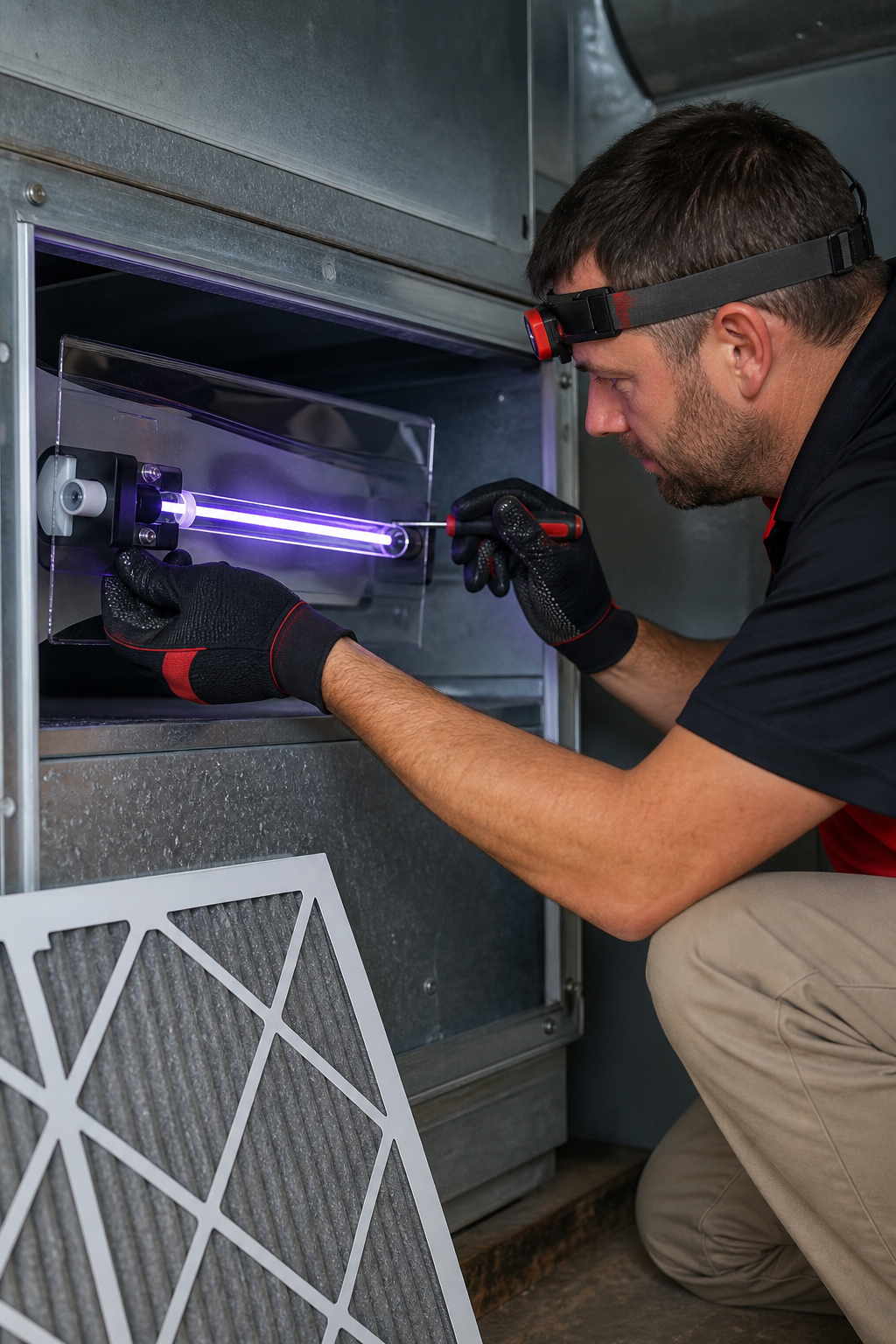
For the toughest allergens, consider installing a UV air‑cleaning technology inside the ductwork. UV light can inactivate mold spores, bacteria, and viruses, reducing their ability to reproduce before the air reaches your lungs.
Place the unit where airflow is high and temperature stays within the typical operating range for UV equipment. Replace the unit according to the manufacturer’s recommendations, as its effectiveness can decline over time.
Combine UV cleaning with an additional whole‑home air cleaning stage that uses a high‑efficiency filter. This secondary stage captures particles that may bypass the primary filter, providing extra protection.
Regular maintenance keeps the system humming. Routine duct cleaning removes dust that settles in ducts, while a coil inspection prevents moisture buildup that could foster mold.
Home Worx offers an annual maintenance plan that includes filter replacement, system checks, and duct cleaning. SERVICES | Home Worx outlines what’s covered.
FAQ
How do HVAC filters reduce allergens?
Filters trap particles like pollen, pet dander, and dust mites as air passes through. A higher MERV rating catches smaller particles, preventing them from circulating.
Can I run my HVAC fan all the time?
Yes, running the fan continuously improves filtration and balances temperature, but it may increase energy use and wear the filter faster.
What humidity level is best for allergy control?
Keeping indoor humidity between 30 % and 50 % limits dust‑mite reproduction and discourages mold growth.
Do UV components affect my HVAC system?
UV components can degrade some materials over time, so they should be installed where they won’t contact seals or insulation. Regular lamp checks avoid damage.
How often should I service my HVAC system?
Schedule a professional inspection at least once a year. A yearly tune‑up catches filter clogging, coil moisture, and duct leaks before they become allergy triggers.
Ready to turn your home into a low‑allergen zone? Roseville HVAC , Home Worx Heating and Cooling explains how a full‑service install can give you comfort and cleaner air for years to come.
Further reading: how HVAC systems help reduce home allergies