
Top 10 Heat Pump Repair Costs Explained
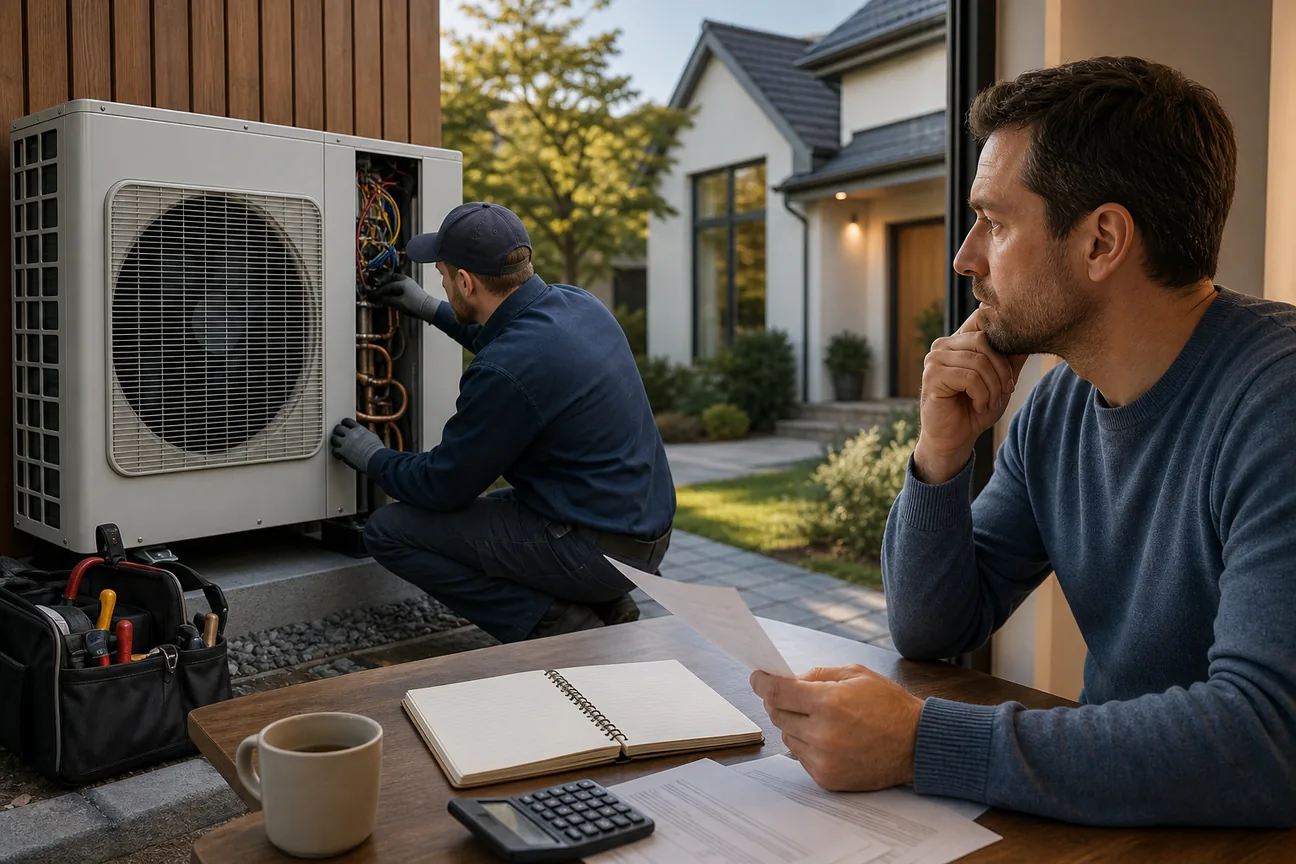
Heat pump repair costs can swing wildly, leaving homeowners unsure what to expect. Below is a quick rundown of the most common fixes, the price ranges you’ll see in 2026, and which jobs are worth fixing versus swapping out.
1. Home Worx Heating and Cooling (Our Top Pick)
Home Worx Heating and Cooling is a family‑owned contractor serving Placer and Nevada counties. They promise sub‑two‑hour emergency response and transparent financing options. Homeowners who need a fast fix appreciate the 24/7 availability, especially during extreme weather spikes.
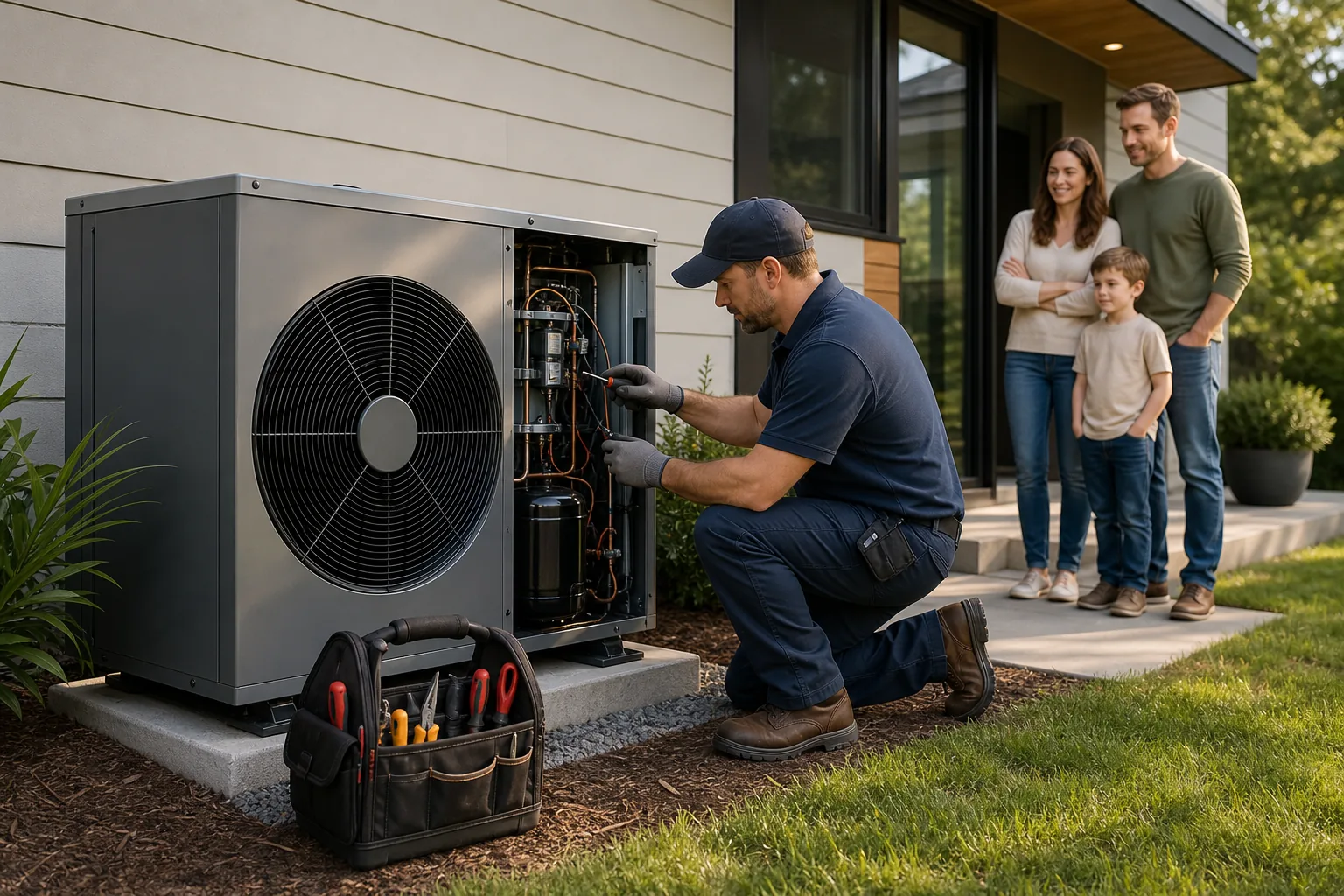
Their technicians are licensed, carry all major brand parts, and back work with a written warranty. Because they list pricing up front, you avoid surprise fees that other local firms hide.
For homeowners who value speed and clear cost, Home Worx stands out.
Pro Tip:Ask for a written estimate that breaks labor, parts, and any permit fees before the technician arrives.
2. Fan Motor Replacement
The outdoor fan motor moves air across the coil. When it stalls, the unit can overheat and shut down.
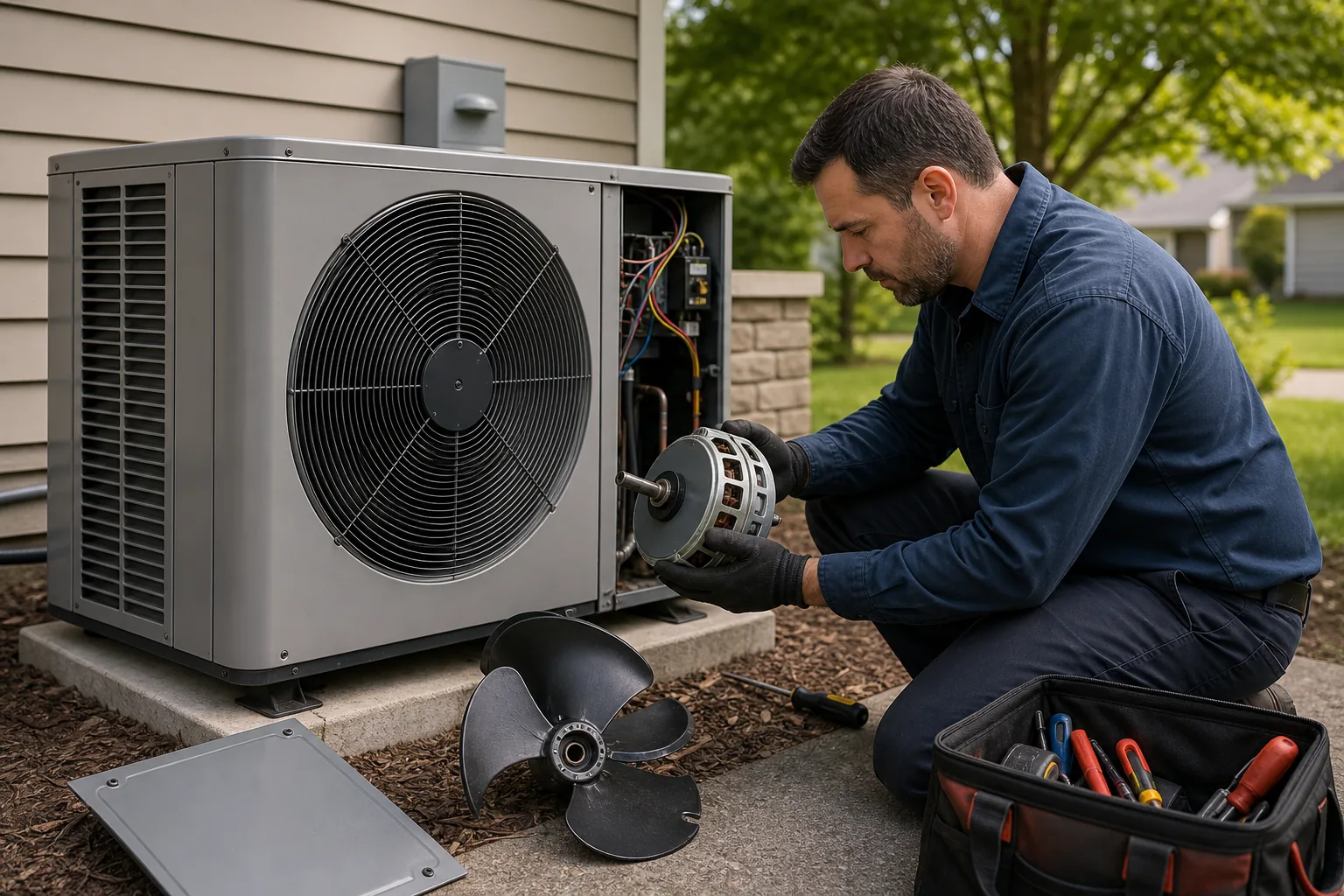
Pricing for parts and labor varies; contact a technician for an estimate. A failing motor often makes a loud humming sound before it quits.
Because the motor is exposed to the elements, regular cleaning can extend its life. If debris builds up, the motor draws extra current and wears out faster.
When the motor fails, a pro will test winding resistance and replace the unit with a matched OEM part.
3. Compressor Replacement
The compressor is the heart of the heat pump, pressurizing refrigerant to move heat. When it fails, the system can’t heat or cool.
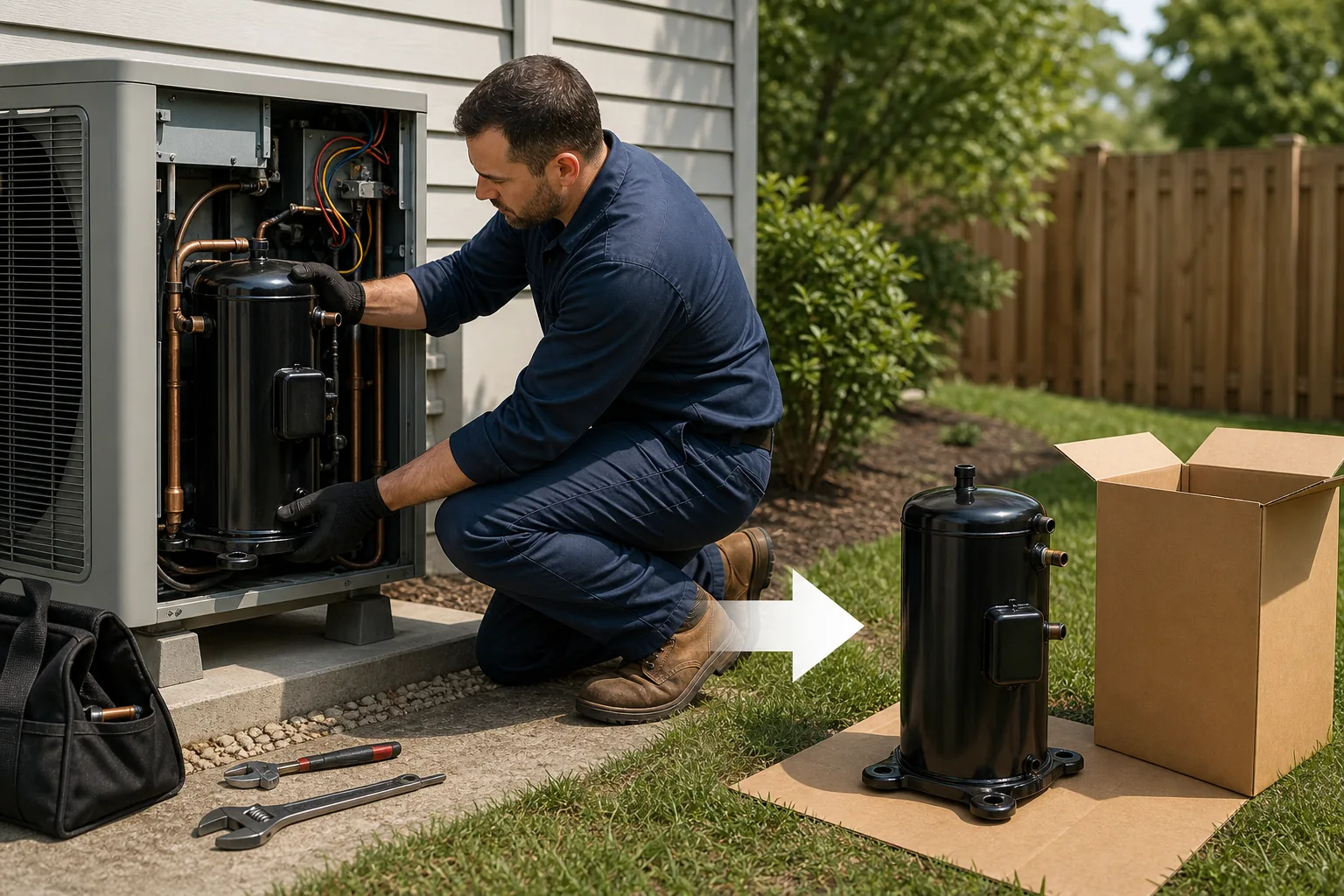
Replacement parts costs for a residential unit vary, and labor depends on accessibility. Total pricing is competitive and aligns with industry norms.
Older units often have sealed compressors that require a full refrigerant evacuation, which adds time. If your unit is over 12 years old, weigh the repair against a new, high‑efficiency model that could lower utility bills.
Many homeowners find that a new compressor restores the system’s SEER rating, delivering up to 30 % energy savings compared to an aging pump.
4. Refrigerant Leak Repair , $150 to $800
Leaks reduce cooling efficiency and can cause the system to overheat. A small leak may need only a recharge, while a larger breach requires component replacement.
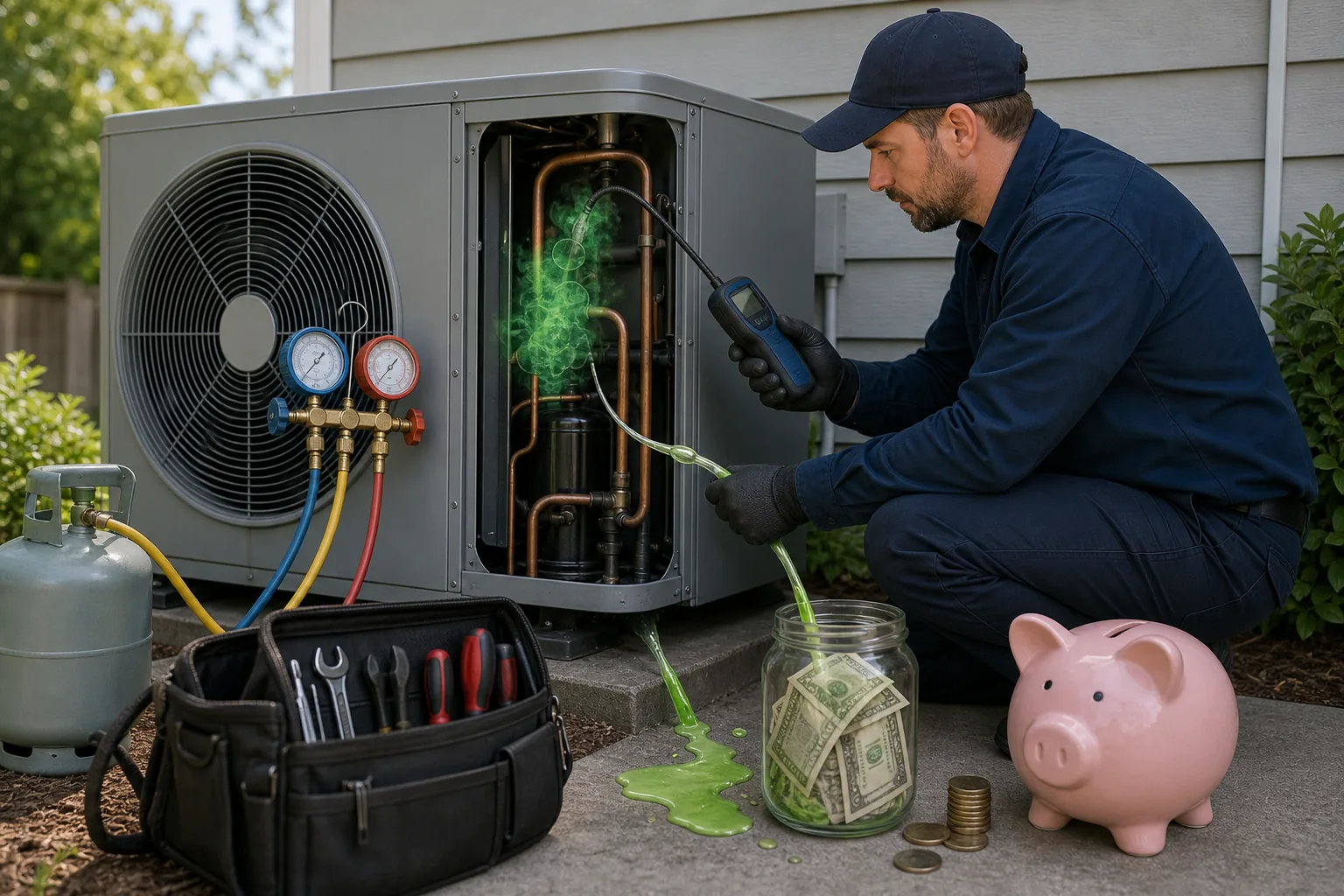
Technicians locate leaks with a UV dye or electronic detector, then seal the line or replace the affected coil. Parts cost $50‑$250; labor adds additional cost, yielding the $150‑$800 range.
Because refrigerants are regulated, handling a leak often requires a certified pro. Older systems may use phased-out refrigerants, which can increase material costs.
$150‑$800Typical refrigerant leak repair range
Early detection via regular maintenance can keep repair costs near the low end.
5. Thermostat Replacement , $100 to $400
Thermostats control when the heat pump runs. A faulty unit can misread temperature and cause constant cycling.
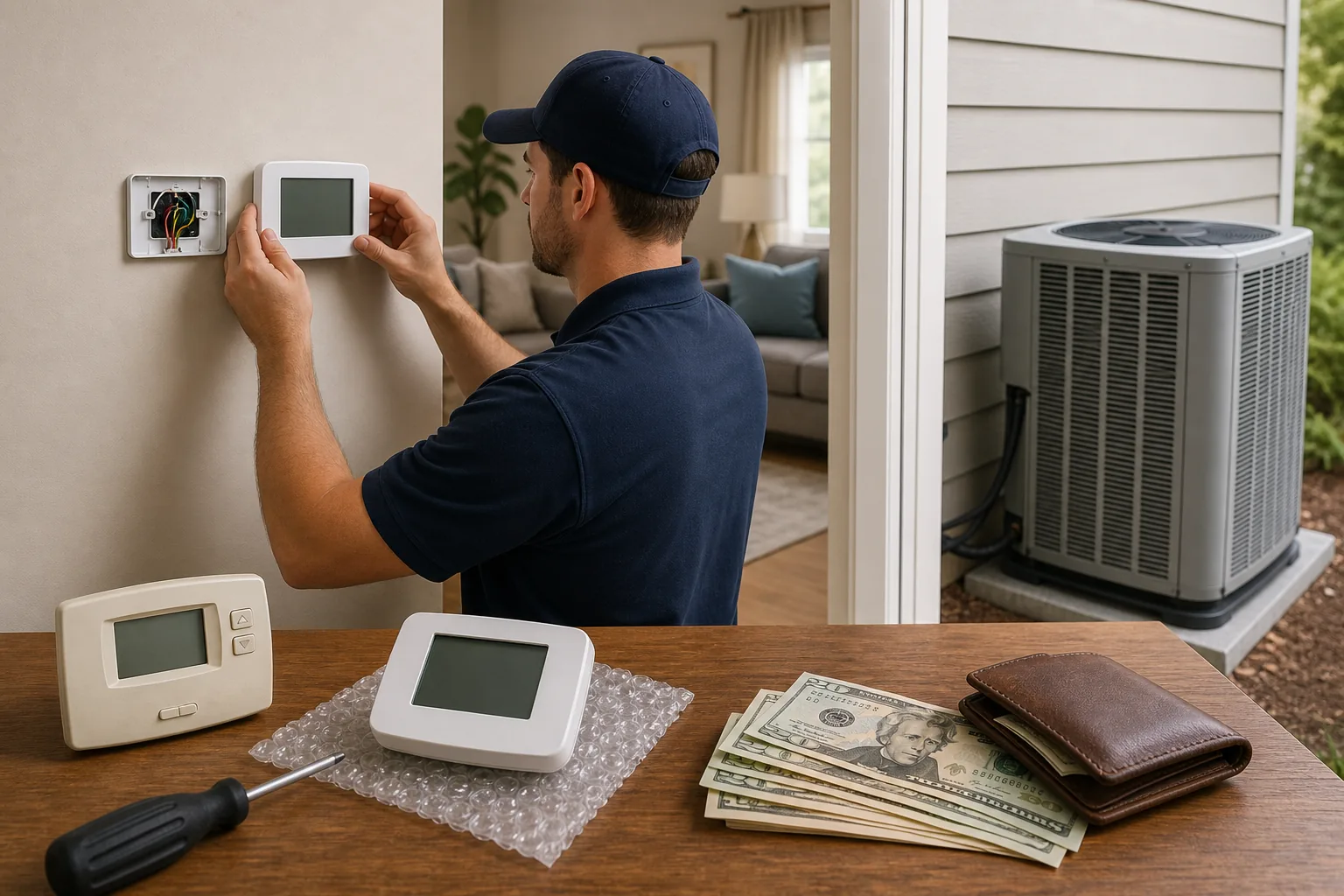
Basic programmable models run $50‑$150; smart Wi‑Fi versions are available at various price points. Installation labor is usually $65‑$100 per hour, so most jobs finish in under two hours.
Upgrading to a smart thermostat can shave 10‑15 % off annual energy bills, . Pair it with Home Worx’s financing options for a low‑monthly payment.
6. Reversing Valve Repair , $400 to $1,000
The reversing valve switches the refrigerant flow so the heat pump can heat in winter and cool in summer. When it sticks, the unit stays in one mode.
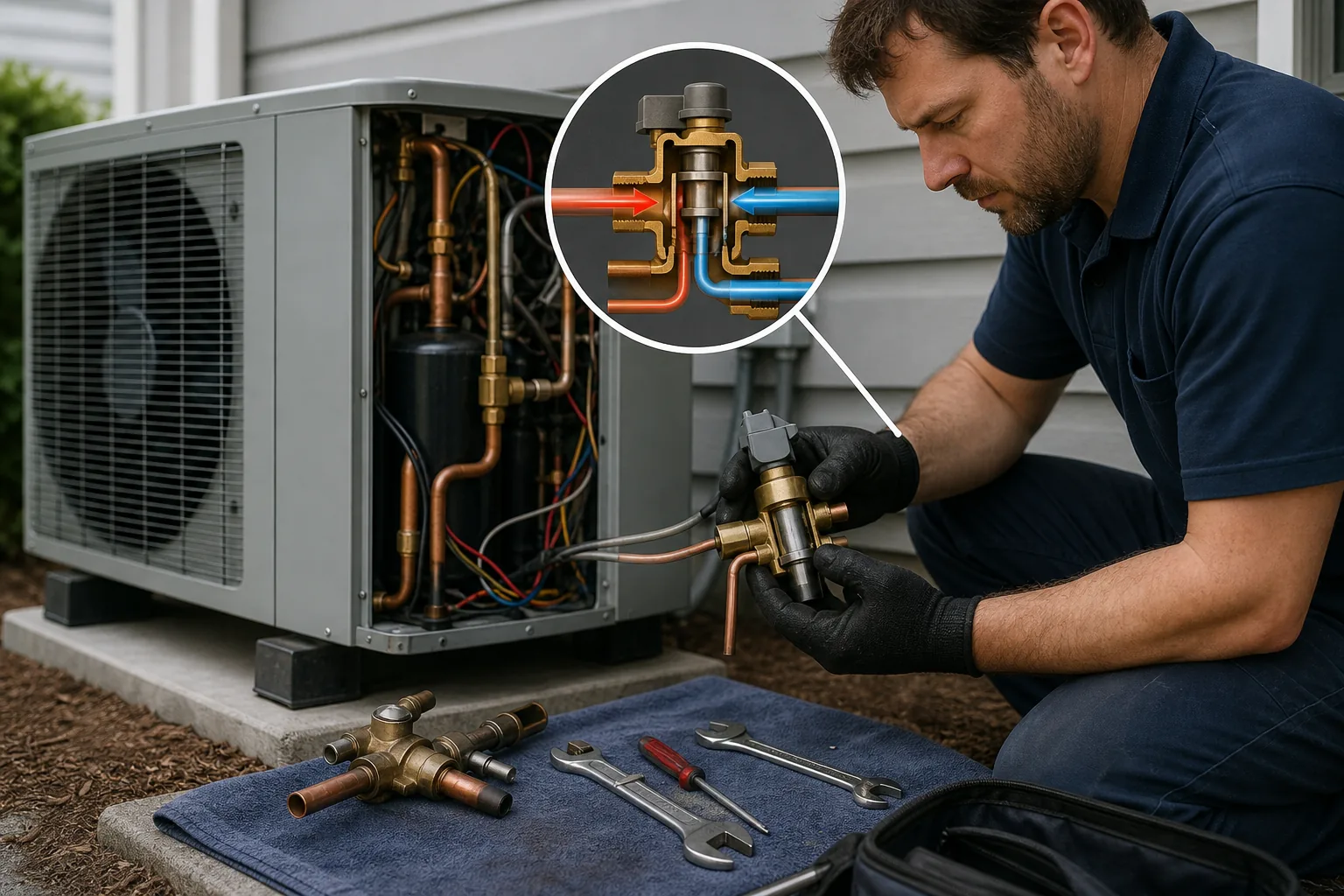
Replacement parts cost $200‑$500; labor can be $200‑$500, giving the $400‑$1,000 bracket. Because the valve sits in the outdoor unit, technicians need to vent refrigerant safely.
Home Worx’s technicians have the certification to handle refrigerant disposal without penalties.
For systems older than 12 years, a stuck valve may signal broader wear, making a full system assessment worthwhile.
7. Defrost Control Board Replacement , $200 to $500
During winter, the outdoor coil can frost over. The defrost control board tells the unit when to melt that ice.
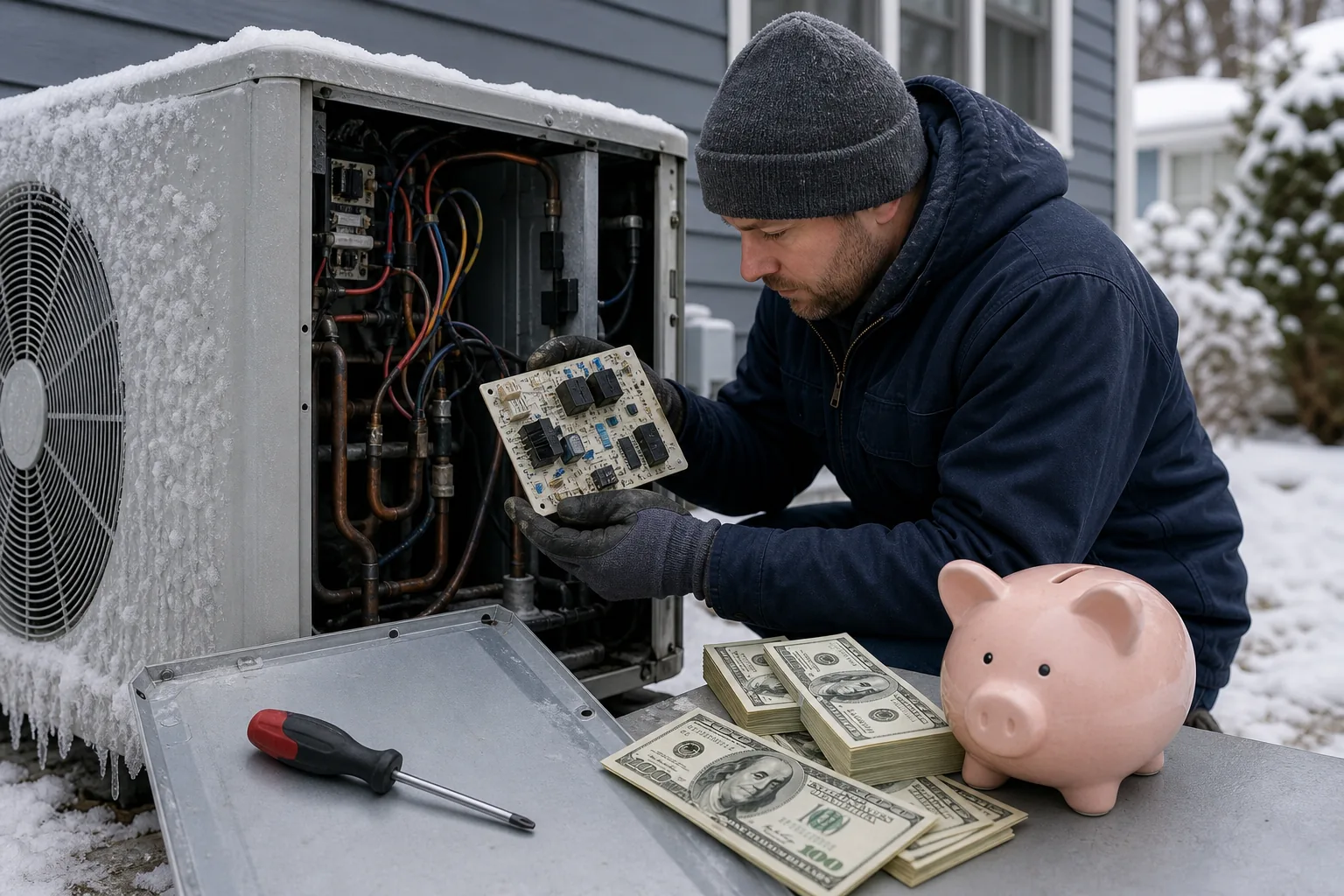
When the board fails, the coil stays frozen and the pump can’t pull heat. Parts costs vary; labor adds $80‑$250.
Symptoms include a warm indoor temperature while the outdoor unit runs continuously. A technician will test voltage and replace the board if needed.
Regular coil cleaning can prevent excess frost buildup, keeping the board healthy.
8. Contactor and Capacitor Replacement , $100 to $300
Contactors switch high‑current power to the compressor and fan motor. Capacitors give them the starting jolt.
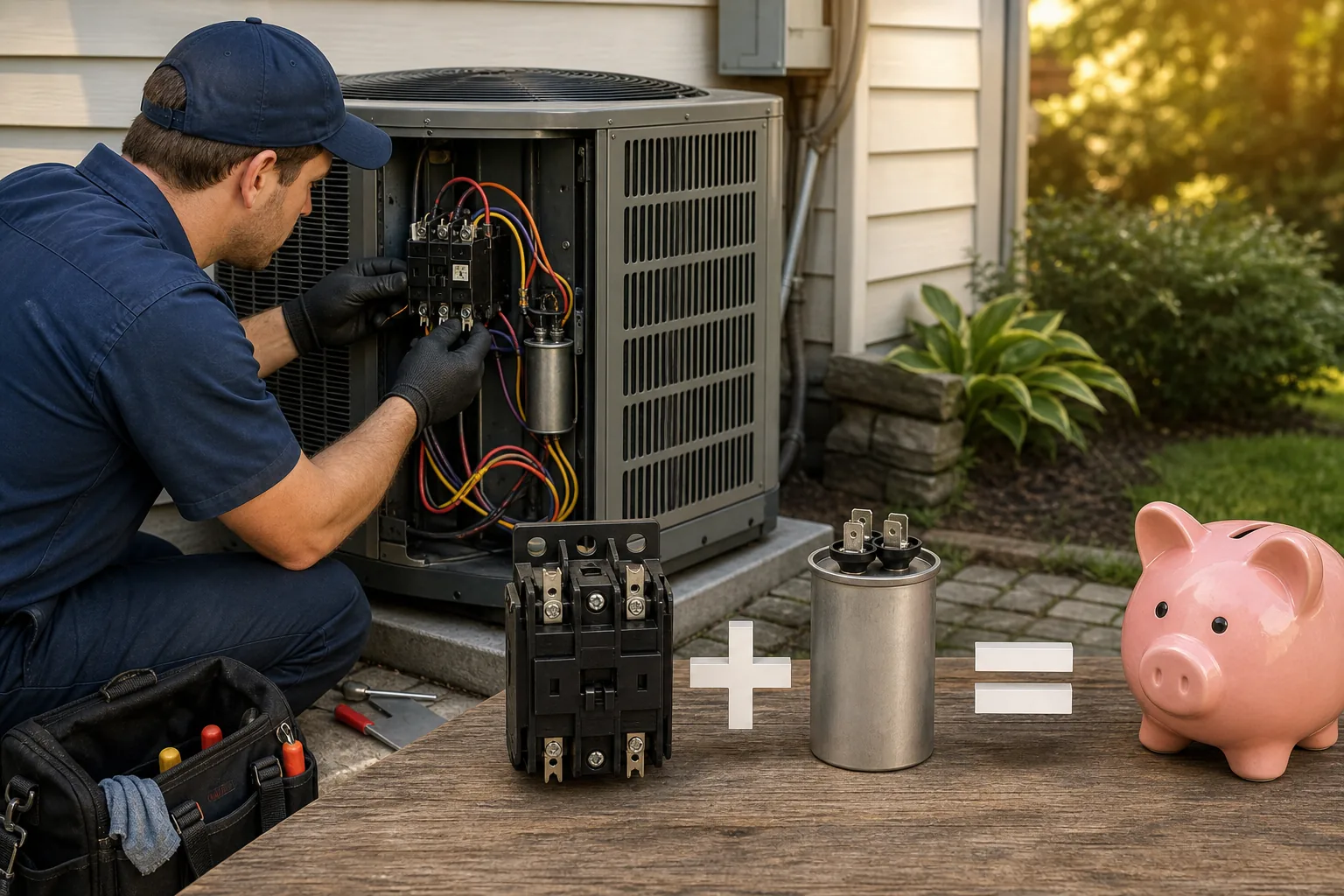
A faulty contactor can cause the unit to hum without starting. Capacitor failure shows similar symptoms. Parts cost $30‑$80 each; labor $70‑$150.
Testing involves checking resistance with a multimeter. Because these parts are inexpensive, most contractors replace both at once to avoid repeat calls.
9. Blower Motor Repair
The blower moves air through the indoor coil. A worn motor can make rattling noises and deliver weak airflow.
Repair usually means rewinding the motor or swapping it out. Parts and labor pricing varies by season.
Home Worx checks motor bearings and belt tension before deciding. If the motor is older than 10 years, a replacement often extends system life.
10. Geothermal Heat Pump Repairs , $500 to $3,000+
Geothermal systems use underground loops to exchange heat. Repairs can involve the loop, pump, or heat‑exchange unit.
Typical fixes include pump motor replacement ($150‑$500) and loop leak repair ($75‑$200). Major component swaps, like a new compressor, can push costs above $3,000.
Because loops are buried, leak detection often requires specialized cameras. Regular water‑quality checks help avoid corrosion that leads to costly repairs.
Home Worx offers a geothermal maintenance plan that includes annual loop pressure testing, helping catch issues early.
Cost Comparison: Repair vs. Replacement
When a repair quote climbs past 50 % of a new unit’s price, replacement usually makes financial sense. Pricing for new units varies by model and region.
Repair Type | Typical Cost | New Unit Cost | Decision Threshold |
Fan Motor | Varies | Varies | Replace if unit >12 yrs |
Compressor | Varies | Varies | Replace if unit >10 yrs |
Refrigerant Leak | $150‑$800 | Varies | Replace if leak recurs |
Geothermal Pump | $500‑$3,000+ | Varies | Replace if loop >20 yrs |
Use the “$5,000 rule”: multiply the system’s age by the estimated repair cost. If the product exceeds $5,000, start looking at replacement quotes.
Home Worx can run a quick cost‑benefit analysis on‑site and show you financing options that spread payments over 24 months.
Top 10 Ways to Service Your HVAC System
FAQ
What is the average heat pump repair cost in 2026?
Typical repair costs vary depending on the component and labor rates, with most jobs falling within a moderate range.
How can I tell if a repair is worth it?
Compare the quote to 50 % of a new unit’s price; if it’s higher, replacement is usually smarter.
Do I need a permit for heat pump repairs?
Minor component swaps don’t require permits, but major electrical work or refrigerant handling often does, especially in California.
Can I finance a heat pump repair?
Yes, Home Worx offers on‑site financing with low monthly payments, and many lenders provide 0 % APR for qualified homeowners.
How often should I service my heat pump?
Twice a year, once in spring for cooling mode and once in fall for heating, keeps the system efficient and catches early wear.
Key Takeaway:Most heat pump repairs are affordable, but age and efficiency gains tip the scale toward replacement after a decade of service.
Ready to stop worrying about surprise repair bills? Try Home Worx Heating and Cooling free →
We recommend starting with a free inspection from Home Worx to get a precise quote and explore financing. Best Heat Pump Installation Cost Options shows how their transparent pricing can fit any budget.