
Top 10 Heat Pump vs Furnace Picks for Your Home
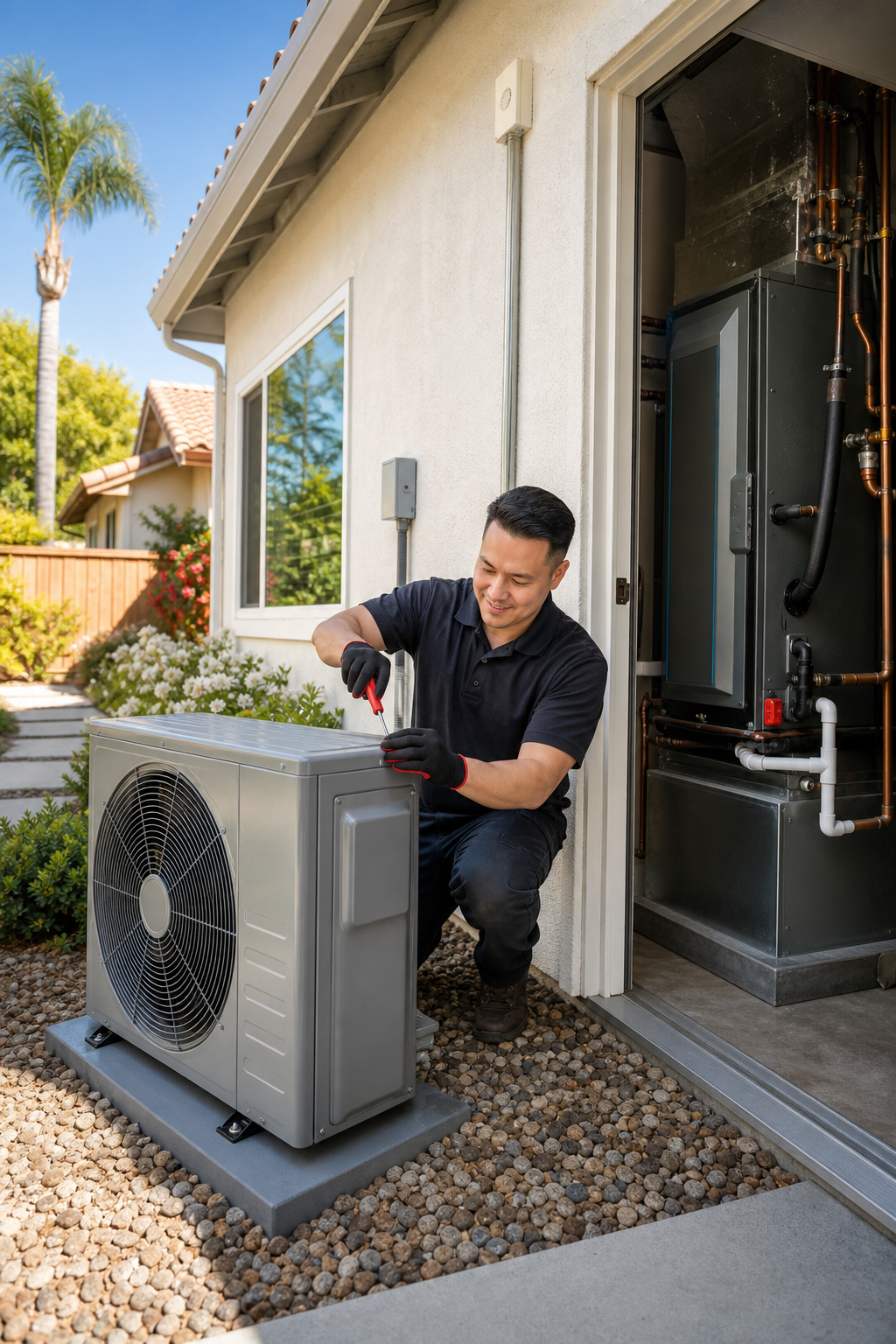
Deciding between a heat pump and a furnace can feel like a gamble, especially when you hear conflicting advice. We’ve cut through the noise and lined up the most relevant options so you can see which system fits your house, budget, and climate.
1. Home Worx Heating and Cooling (Our Top Pick)
Home Worx Heating and Cooling is a family‑owned contractor serving Colfax, Auburn, and the wider Placer and Nevada County area. We handle 24/7 emergency repair, new installations, maintenance contracts, air‑quality upgrades, and financing options.
What makes us the top pick? First, we match each home to the right equipment , whether that’s a high‑efficiency furnace, a modern inverter heat pump, or a dual‑fuel hybrid. Second, we bundle heating and cooling so you don’t have to juggle separate contracts. Third, our local expertise means we know the exact sizing and ductwork tweaks needed for Northern California homes.
We also offer a single‑system solution that covers both heating and cooling, saving you the cost of a separate air conditioner. Our team can pull any available federal tax credit and local rebates, which often shave thousands off the final price.
One limitation: because we focus on the Northern California market, we may not have the same inventory of ultra‑cold‑climate heat pumps that are popular in the Upper Midwest.
2. Upfront Cost , Heat Pump vs Furnace Pricing
Heat pumps usually carry a higher price tag than a standard gas furnace. Installation costs for heat pumps vary by project, while a furnace typically costs between $3,800 and $10,000. The gap narrows when you factor in the need for a separate air‑conditioner with a furnace.
Installation costs vary with home size, existing ductwork, and local labor rates. In many cases, the extra expense is offset by the heat pump’s ability to provide both heating and cooling in one package.
Homeowners who already have a working gas line may find a furnace cheaper to swap in. But if you need new electrical work for a heat pump’s outdoor unit, the price can climb quickly.
Keep an eye on available rebates and federal tax credits for energy-efficient home improvements.
3. Energy Efficiency and Operating Costs
Efficiency is where heat pumps shine. A modern inverter heat pump can achieve a Coefficient of Performance (COP) of 2‑4, meaning it moves two to four units of heat for every unit of electricity consumed. By contrast, a high‑efficiency gas furnace tops out at about 96% AFUE, converting roughly one unit of fuel into one unit of heat.
Heat pumps can reduce electricity use for heating by up to 75% compared with electric resistance heating. This translates into lower monthly bills in regions where electricity is cheaper than natural gas.
Our calculations, based on data from AC Direct, show that in a typical 2,000‑sq‑ft home the annual heating cost for a heat pump can be 30‑40% lower than a gas furnace when electricity rates are moderate.
Remember, the exact savings depend on your local utility rates and how well the system is sized.
Pro Tip:Ask us to run a quick energy‑cost model for your address. We’ll compare a heat pump and a furnace side by side, so you can see the numbers before you decide.
We also recommend a quick look at your home’s insulation. A well‑sealed envelope boosts any system’s performance.
For customers in the Auburn area, our Rocklin HVAC team frequently handles heat‑pump sizing and can help you capture any local utility rebates.
4. Climate Suitability , Cold Weather Performance
Historically, furnaces were the go‑to for sub‑zero climates because they generate heat directly. Modern cold‑climate heat pumps, however, can operate efficiently down to , 22°F, thanks to inverter technology and improved refrigerants.
Modern cold-climate heat pumps meet ENERGY STAR’s low‑temperature performance criteria, delivering respectable heating even in the harshest northern winters.
If you live in a Zone 5‑6 area (e.g., parts of Placer County) where winter lows hover around 20°F, a heat pump will likely meet most of your heating demand. In Zones 7‑8 (deep‑cold mountain valleys), a dual‑fuel system that pairs a heat pump with a gas furnace gives you the best of both worlds.
One caveat: in extreme cold snaps, the heat pump may need to switch to supplemental electric heat, which can raise the bill if the event lasts many days.
5. Long-Term Savings and Payback Period
When you factor in lower operating costs, many homeowners see a payback on a heat‑pump investment within 8‑12 years. This timeline shortens if you qualify for state or local rebates that can lower the upfront price.
Furnaces generally have a quicker break‑even point, often under five years, because of their lower initial cost. However, you’ll still need a separate air‑conditioner, which adds to the total life‑cycle expense.
Our own customers in Nevada County who switched from a gas furnace to a heat pump report noticeable annual savings after the first three years.
Key Takeaway:If you plan to stay in your home for more than a decade, the energy savings from a heat pump usually outweigh the higher upfront cost.
6. Comfort and Heat Quality
Heat pumps deliver a gentler, more even heat because they run longer cycles at lower temperatures. This reduces hot‑and‑cold spots and keeps humidity in check.
Furnaces blast hot air at higher discharge temperatures (often 140‑150°F), which can feel crisp on a cold day but may also create drafts near vents.
The dual nature of heat pumps, providing both heating and cooling, means you avoid the hassle of a separate AC unit.
Homeowners in Roseville love the quiet operation of modern inverter heat pumps; they often run at noise levels comparable to a whisper.
We’ve seen in the Auburn HVAC service area that clients who upgrade to a heat pump report fewer complaints about temperature swings.
7. Maintenance Requirements and Lifespan
Both systems need an annual check‑up, but the tasks differ. Heat pumps require coil cleaning, refrigerant checks, and fan inspections. Furnaces need burner cleaning, heat‑exchanger inspections, and flue checks.
Because heat pumps run year‑round, regular filter changes become even more important to keep efficiency high.
One upside of a furnace is its simple mechanical design, which can be easier to service in remote areas with limited HVAC technicians.
8. Environmental Impact and Carbon Footprint
Heat pumps run on electricity, so their carbon impact depends on the grid’s mix. In regions where electricity comes from renewable sources, a heat pump can cut household emissions by up to 80% compared with a gas furnace.
Furnaces burn natural gas, propane, or oil, releasing CO₂ directly into the atmosphere. Even high‑efficiency furnaces (AFUE > 95%) still emit greenhouse gases.
Replacing an oil or propane furnace with a heat pump yields the biggest emissions reduction.
Choosing a heat pump also future‑proofs your home as more utilities shift toward cleaner generation.
9. Noise Levels and Acoustic Comfort
Modern inverter heat pumps operate at sound levels as low as 48 dB, which is quieter than many window‑air‑conditioners. Outdoor units are designed with variable‑speed compressors that ramp up and down smoothly.
Furnaces can be louder during the ignition cycle, especially older models with single‑stage burners.
If you’re sensitive to outdoor noise, think of a bedroom window facing the unit, a heat pump with a sound‑shielded cabinet can make a noticeable difference.
10. Dual‑Fuel Hybrid Systems , Best of Both Worlds
A dual‑fuel system pairs a heat pump with a gas furnace. The heat pump handles milder days, while the furnace kicks in when temperatures dip below a preset threshold (often 30°F).
This setup captures the efficiency of a heat pump and the raw heating power of a furnace, giving you comfort and lower bills across a wider climate range.Home Worx can design the control strategy so the switch happens automatically, without you lifting a finger.
Installation is a bit more complex, so the upfront cost sits between a stand‑alone heat pump and a furnace‑plus‑AC combo.
How to Choose the Right System for Your Home
Use this quick checklist to narrow down the best fit:
Check your climate zone. If winter lows stay above 20°F, a heat pump alone often suffices.
Compare local utility rates. High electricity costs can tilt the balance back toward a furnace.
Assess your existing infrastructure. Do you already have a gas line or strong ductwork?
Factor in financing or rebates. Home Worx can help you stack incentives.
Think long‑term. If you plan to stay put for 10+ years, energy‑saving tech pays off.
When you’ve checked those boxes, give us a call. We’ll run a free home‑energy audit and propose the optimal system.
Pro Tip:Ready to upgrade? Try Home Worx Heating and Cooling free →
Frequently Asked Questions
What’s the main difference between a heat pump and a furnace?
A heat pump moves heat from outside air into your home using electricity, while a furnace burns fuel (gas, oil, or propane) to create heat directly.
Can a heat pump work in very cold weather?
Yes. Modern cold‑climate heat pumps maintain efficiency down to , 22°F, though they may need supplemental electric heat on the coldest days.
How much can I expect to save on energy bills with a heat pump?
Savings vary, but homeowners typically see 30‑40% lower heating costs compared to a high‑efficiency gas furnace when electricity rates are moderate.
Do I need a separate air conditioner if I install a furnace?
Correct. A furnace only provides heat, so you’ll need an additional AC unit for summer cooling, which adds to the total cost.
Are there tax credits or rebates for installing a heat pump?
Yes. Federal tax credits and utility rebates can reduce the cost of a heat pump installation.
How often should I service my HVAC system?
Both heat pumps and furnaces benefit from an annual inspection, filter changes, and cleaning of coils or burners to keep efficiency high.
Conclusion
For most homeowners in Northern California, a modern inverter heat pump gives you efficiency, comfort, and cooling in one package, and Home Worx Heating and Cooling can install the right system for your climate and budget. Contact us today for a free energy‑audit and start saving.