
Top 10 Things to Do When Your Furnace Stops Working
- Bryn Fortmuller
- Jun 18
- 6 min read
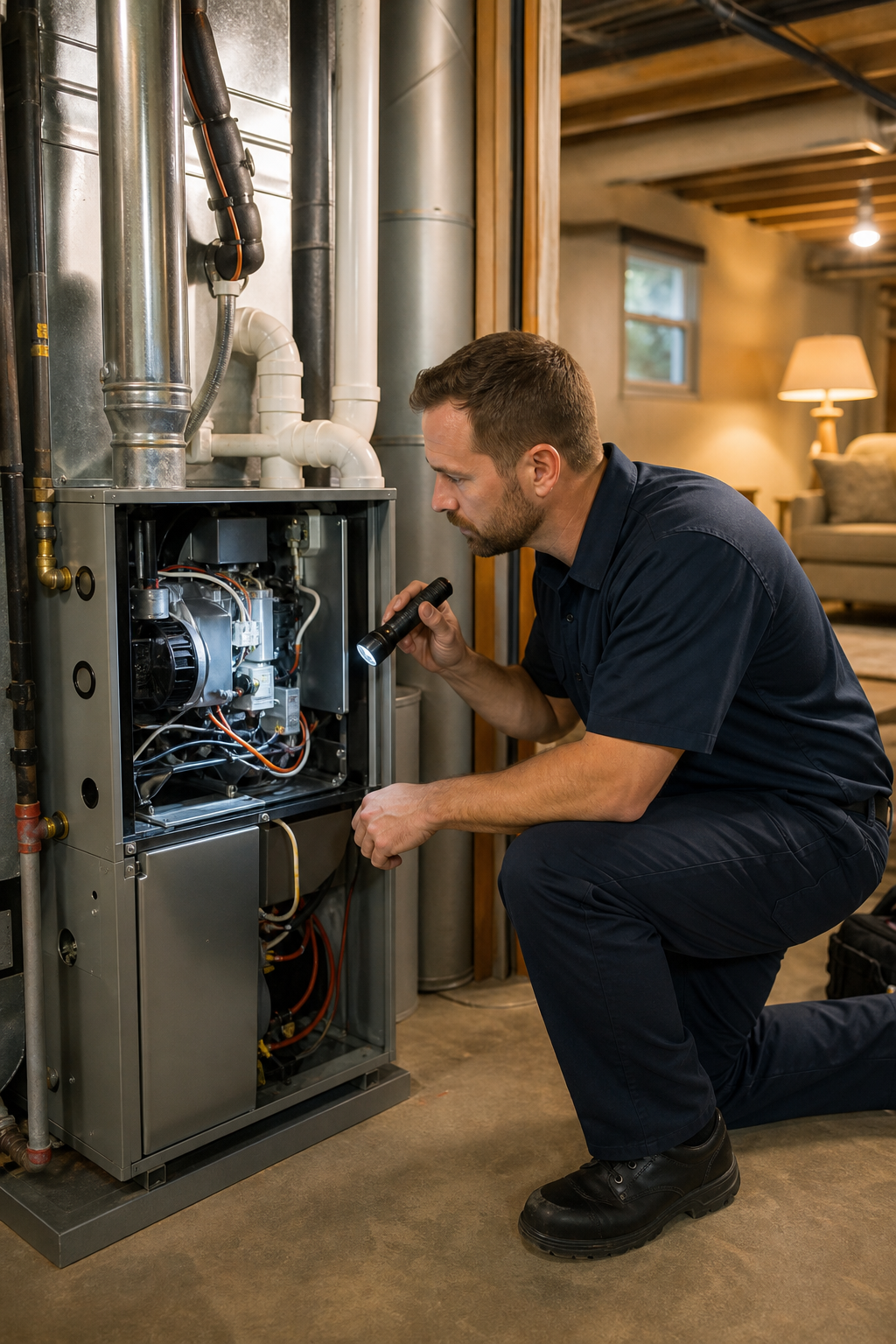
Your furnace just quit. It's cold, it's late, and you're not sure what to do. We've been there. Here's the thing: only 56% of HVAC contractors in Placer and Nevada Counties can send a tech that same night. That means you might be on your own for a while. So let's walk through the steps you can try right now, before you pick up the phone.
1. Home Worx Heating and Cooling (Our Top Pick)
If you need a furnace repair fast, Home Worx Heating and Cooling is who we call. They're a family-owned company in Colfax that serves Placer and Nevada Counties. They offer 24/7 emergency service, so when your furnace dies at 2 a.m., they actually show up. Plus they provide financing and a solid 5-year labor/10-year parts warranty. Few other contractors in the area can say that.
Home Worx covers everything from emergency repairs to full system installations and air-quality solutions. They even offer maintenance contracts to prevent future breakdowns. For a sudden furnace failure, they're the most complete choice.
Check out their services page to see what they handle. Keep them in mind if the DIY steps below don't work.
2. Check Your Thermostat
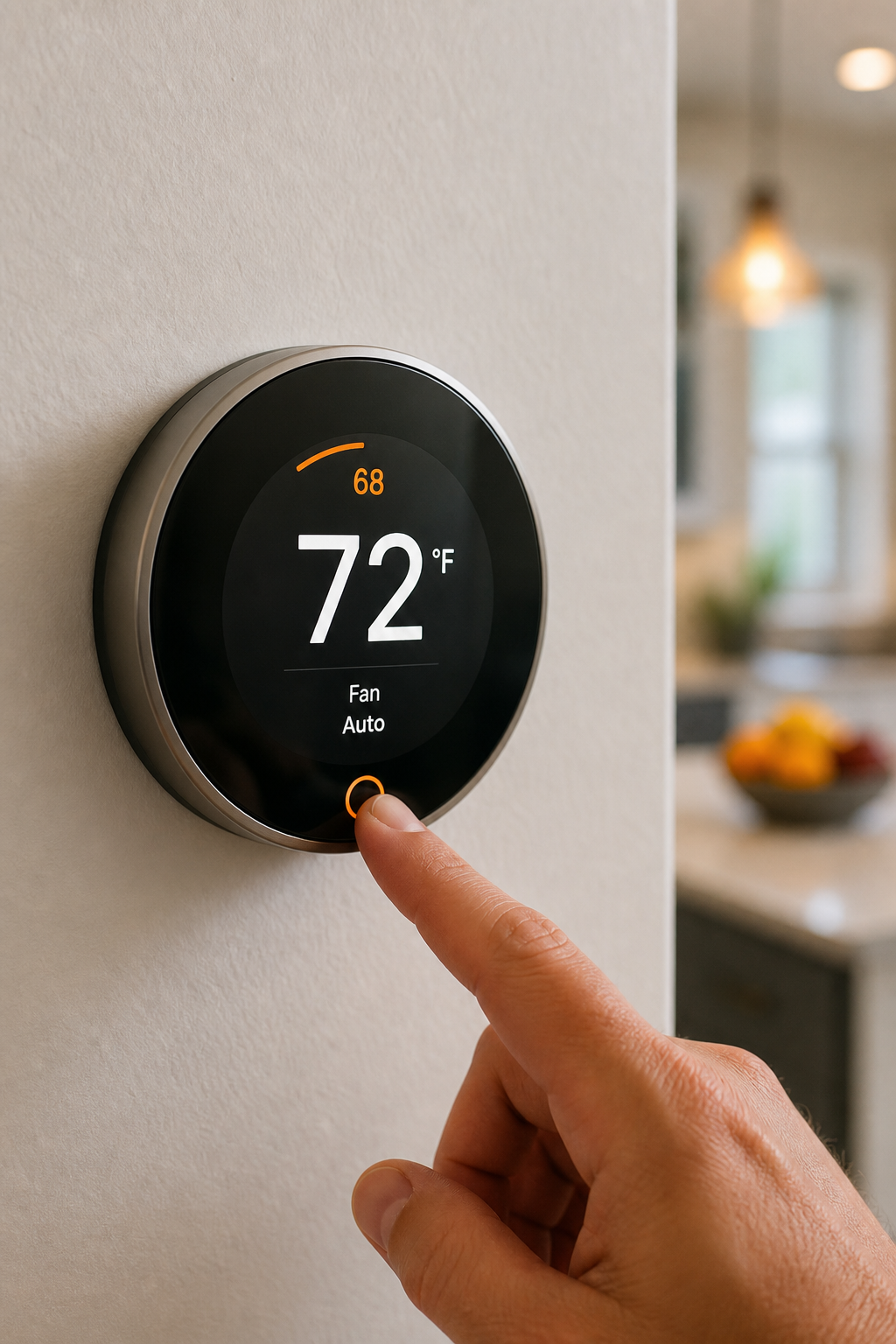
Start with the simplest fix. Look at your thermostat. Is it set to "heat"? Is the temperature set higher than the current room temp? Sometimes the fan setting gets bumped to "on" instead of "auto." When it's set to "on," the blower runs non-stop. Switch it to "auto" so the fan only runs when the heat is on.
Also check if the thermostat has fresh batteries. A dead battery can make the screen go blank. If you have a programmable thermostat, ensure the schedule didn't change. This step takes 30 seconds and saves a service call.
For more thermostat basics, see Wikipedia's thermostat page .
3. Inspect the Air Filter
A dirty air filter is the #1 cause of furnace trouble. It blocks airflow, making the system overheat or shut down. Check the filter slot near the blower compartment. If the filter looks clogged with dust, replace it with a new one (buy the right size). A clean filter helps airflow and keeps your furnace running safely.
Make it a habit to change the filter every 1-3 months. A simple swap can fix many problems.
If the filter was dirty, you might see the furnace light briefly and then shut off, a classic sign of a dirty flame sensor (we'll cover that later). For more on filter maintenance, visit our Lincoln HVAC page for local tips.
4. Reset the Circuit Breaker and Furnace Switch
Sometimes the fix is just a switch flip. Locate your furnace's power switch, it looks like a regular light switch, often mounted on the unit or a nearby wall. Make sure it's in the ON position. If it was OFF, turn it ON, wait five minutes, and see if the furnace fires.
Next, check your home's main circuit breaker. Find the breaker labeled "furnace" or "heater." If it's tripped (midway), reset it by flipping it fully to OFF, then back to ON. Wait for the furnace to restart. This resets the control board and clears temporary errors.
A furnace switch can be mistaken for a light switch and accidentally turned off. Always verify its position first.
5. Examine the Gas Supply and Valve
For gas furnaces, check that the gas shut-off valve is fully open. The valve is usually on the gas line near the furnace. The handle should be parallel to the pipe (open). If it's perpendicular (crosswise), the gas is off. Turn it carefully. If you smell gas, that rotten egg odor, leave the house immediately and call your gas company or 911. Do not touch any electrical switches.
A faulty gas valve can also cause short cycling or no ignition. The gas valve controls flow to the burner. If it fails, you'll need a professional. A gas valve typically lasts 10–20 years, and replacement costs vary. Never DIY gas valve repairs.
6. Clean the Flame Sensor or Igniter
If your furnace lights for 3-5 seconds then shuts off, the flame sensor is likely dirty. This is the most common fix. Turn off power to the furnace. Remove the sensor (a metal rod near the burners held by a screw). Use a fine abrasive pad like Scotch-Brite to gently clean the rod until it shines. Reinstall and restore power. The furnace should now stay lit.
If cleaning doesn't help, the sensor may need replacement. You can also check the igniter, if it doesn't glow, it might be broken. For more on furnace maintenance, see our Rocklin HVAC page for seasonal tips.
7. Understand Lockout Mode and Reset Procedures
After several failed attempts to start, your furnace will "lock out" to protect itself. It may stop trying for up to three hours. Look for a blinking LED on the control board, count the flashes and check the error code chart on the inside panel. That code tells you exactly what's wrong.
To reset lockout, flip the power off for 10 seconds, then back on. If the problem was temporary, the furnace will restart normally. But if the underlying issue remains, it will lock out again. Use the error code to guide your next step. This video walks through common codes.
8. Look for Frozen Condensate or Pipes
High-efficiency furnaces produce condensate that drains outside. In cold weather, that drain line can freeze, causing a safety switch to shut the furnace down. If you see ice or no water drainage, thaw the line carefully with warm towels or a hair dryer (don't use open flame).
Also, when the furnace fails, your home's pipes are at risk. Frozen pipes can burst. Open cabinet doors under sinks, let faucets drip, and keep interior doors closed to trap heat. Monitor unheated spaces like basements and crawl spaces.
9. Use Alternative Heat Sources Safely
While you wait for repairs, you might use space heaters, a fireplace, or extra blankets. But safety comes first. Never use ovens, stoves, or charcoal grills to heat your home, they cause carbon monoxide poisoning. Place space heaters on a solid, flat surface away from curtains and bedding. Plug them directly into a wall outlet, not an extension cord.
Also, test your carbon monoxide detectors. If you use a generator, run it outdoors at least 20 feet from windows and doors. Keep a window cracked if using a kerosene heater. Staying warm is important, but staying alive is more important.
10. Know When to Call for Help
If you've tried the steps above and your furnace still won't run, it's time to call a pro. Especially if you smell gas, hear strange banging, or see any signs of carbon monoxide (yellow burner flame, soot, or flu-like headaches). Don't keep cycling the power, you could damage components further.
Choose a company that offers 24/7 emergency service, transparent pricing, and a warranty. Here's a quick comparison of what to look for:
What to Compare | Why It Matters | Check For |
Emergency availability | 24/7 service means you don't wait until morning | Listed on website or call to verify |
Financing options | Repairs can be costly—financing helps | 0% APR or low monthly payments |
Warranty coverage | Protects you if the fix fails | 5-year labor or longer |
Customer ratings | Shows reliability | Published on Google or other review platforms |
Home Worx Heating and Cooling checks all these boxes. They're available 24/7, offer financing, back their work with a 5-year labor / 10-year parts warranty, and have a solid reputation. For more details, visit their contact page.
Frequently Asked Questions
Why does my furnace start and then stop after a few seconds?
This is almost always a dirty flame sensor. The sensor doesn't detect the flame, so the gas valve shuts off. Clean the sensor with a fine abrasive pad, and the furnace should run normally.
What does it mean when my furnace goes into lockout?
Lockout is a safety mode where the furnace stops trying to light after a few failed attempts. It can last up to three hours. Reset the power to clear lockout, but if the problem returns, use the error code on the control board to diagnose.
Can I fix a frozen condensate line myself?
Yes, you can thaw it with warm towels or a hair dryer on low heat. Avoid using torches or boiling water. Once thawed, make sure the line slopes downward to prevent future freezing. If it keeps freezing, consider insulating the pipe.
How do I know if my gas valve is bad?
Signs include no ignition, pilot light won't stay lit, short cycling, or a gas smell. A bad gas valve needs professional replacement, don't DIY. If you smell gas, evacuate and call 911 or your gas company immediately.
Should I turn off my furnace if I smell something burning?
Yes, turn off the furnace at the thermostat and the power switch. A burning smell could be dust burning off (normal after long idle) or an electrical problem. If the smell persists, call a technician to inspect wiring and components.
How often should I replace my furnace filter?
Replace a standard 1-inch filter every 1-3 months. If you have pets or allergies, change it monthly. A clean filter improves efficiency and prevents many common furnace issues.
Conclusion
When your furnace stops working, stay calm and work through these steps. Start with the thermostat and filter, they're quick fixes. If you need professional help, call a company you can trust. Home Worx Heating and Cooling offers the emergency service, fair pricing, and warranty you need to get back to warm. Keep their number handy, and get your heat back fast.