
Top 10 Winter Furnace Maintenance Checklist Items
Winter is almost here and your furnace is the heart of a cozy home. A missed step can turn a chilly night into a costly repair. Here’s a short list of the ten tasks you should tackle before the first freeze hits.
1. Home Worx Heating and Cooling (Our Top Pick)
Home Worx Heating and Cooling is a family‑owned contractor serving Placer and Nevada Counties. They offer 24/7 emergency repair, system installations, and a seasonal maintenance contract that bundles the full professional tune‑up.
Why they rank first? Their contract guarantees a licensed technician will inspect the heat exchanger, clean burners, check pressure switches, and test carbon‑monoxide detectors, all in one visit. Homeowners in Colfax, Auburn, and nearby towns love the peace of mind that comes with a written service record.
They also provide financing options that spread the cost of a new furnace over a few months, which helps families avoid a big upfront hit.
Caveat: The contract is annual, so you’ll need to schedule the service before the heating season starts to keep the discount.
Seasonal maintenance services from Home Worx keep your system running at peak performance.
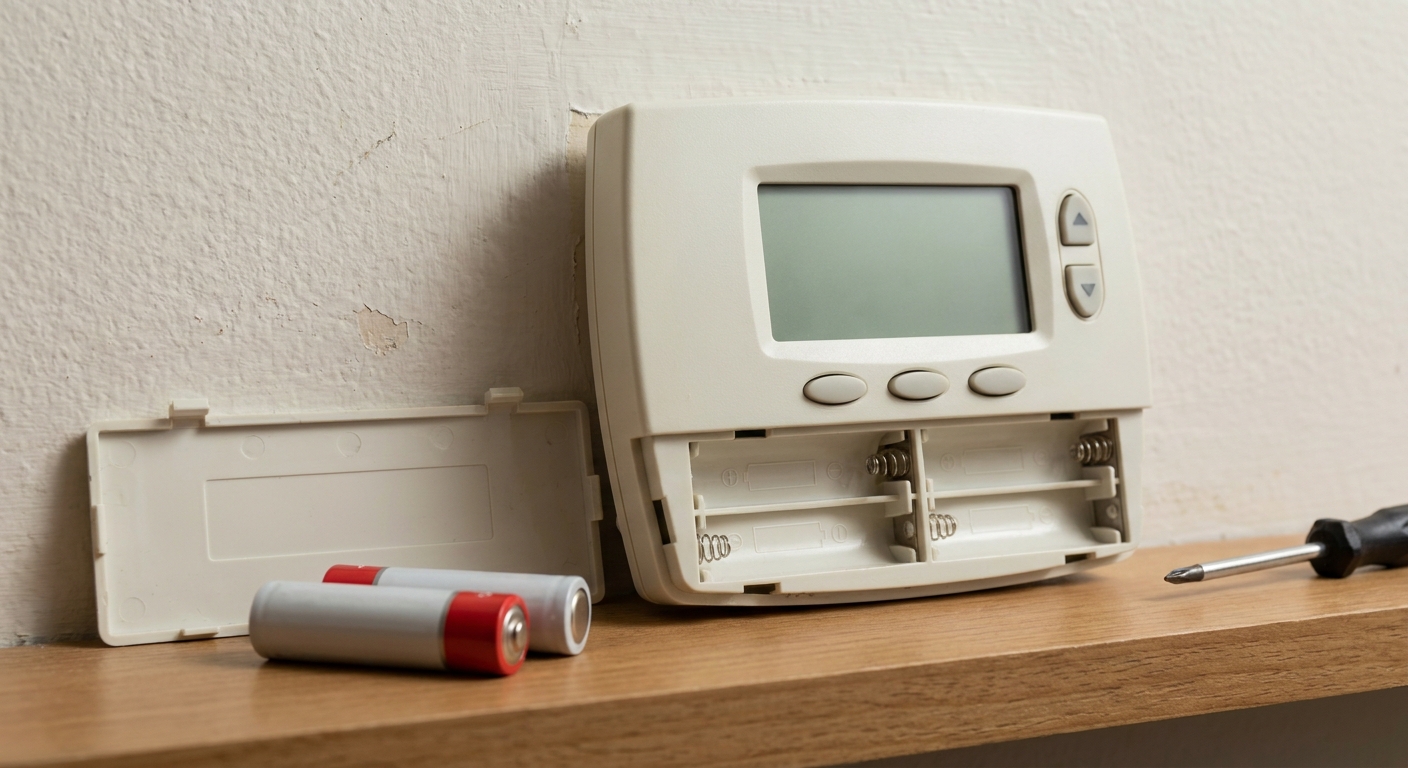
2. Inspect Thermostat Settings & Batteries , Ensure Accurate Heating
The thermostat is the brain of your furnace. A dead battery can leave the system stuck on “off,” while an incorrect program may cause the unit to fire up at the wrong time.
First, pull the cover and check the battery compartment. Replace alkaline cells with fresh ones; it’s a simple job that saves you from a cold night.
Next, set the system to “heat” and raise the temperature a few degrees. If the furnace doesn’t kick on, you know the issue is elsewhere.
Pro tip: Keep a spare set of batteries in a drawer near the thermostat so you can swap them quickly.
HVAC specialists can help calibrate programmable thermostats for optimal seasonal scheduling.
3. Verify Airflow at Registers, Dampers, & Ducts , Prevent Cold Spots
Good airflow means every room stays warm and the furnace doesn’t overwork. Check each register to make sure the louvers are fully open and nothing blocks the vent.
Walk to the basement or attic and feel the ducts. Warm air should flow freely; any cold spots signal a restriction.
Adjust manual dampers if they’re closed, and clean dust from the grilles with a vacuum brush.
Key Takeaway:Unrestricted airflow keeps fuel consumption low and reduces wear on the blower motor.
Regularly inspecting airflow follows the advice of HVAC experts who note that proper venting improves efficiency during cooler months.
4. Clean Burners & Flame Sensor , Maintain Efficient Combustion
Dirty burners spark incomplete combustion, which raises fuel use and can create soot buildup. Shut off power, remove the burner assembly, and wipe away residue with a soft brush.
The flame sensor sits right in front of the burner. A thin film of dust will stop it from sensing a flame, causing the furnace to shut down mid‑cycle.
Gently scrub the sensor with fine‑grade sandpaper or a non‑abrasive pad until it shines.
Bottom line: A clean burner‑flame combo keeps the flame blue and the house warm.
5. Test Safety Devices (CO Detectors & Pressure Switches) , Protect Your Home
Carbon‑monoxide (CO) is an invisible killer. Every home should have a plug‑in CO detector near the furnace.
Press the test button; you should hear a loud alarm. Replace batteries if the beep is weak.
Pressure switches verify that the inducer motor is pulling exhaust properly. A simple click test with a multimeter can confirm the switch closes when the motor runs.
If any safety device fails, schedule a professional inspection immediately.
6. Inspect Blower Belt & Tension , Avoid Motor Strain
The blower belt drives the fan that pushes heated air through the ducts. Over time it can stretch or develop cracks.
Locate the belt and press it halfway down. If it feels loose, you’ll need to tighten the adjustment nut or replace the belt.
A slipping belt forces the motor to work harder, which can cause premature motor failure and higher electric bills.
Pro tip: Keep a spare belt on hand; most manufacturers sell the exact model for under $20.
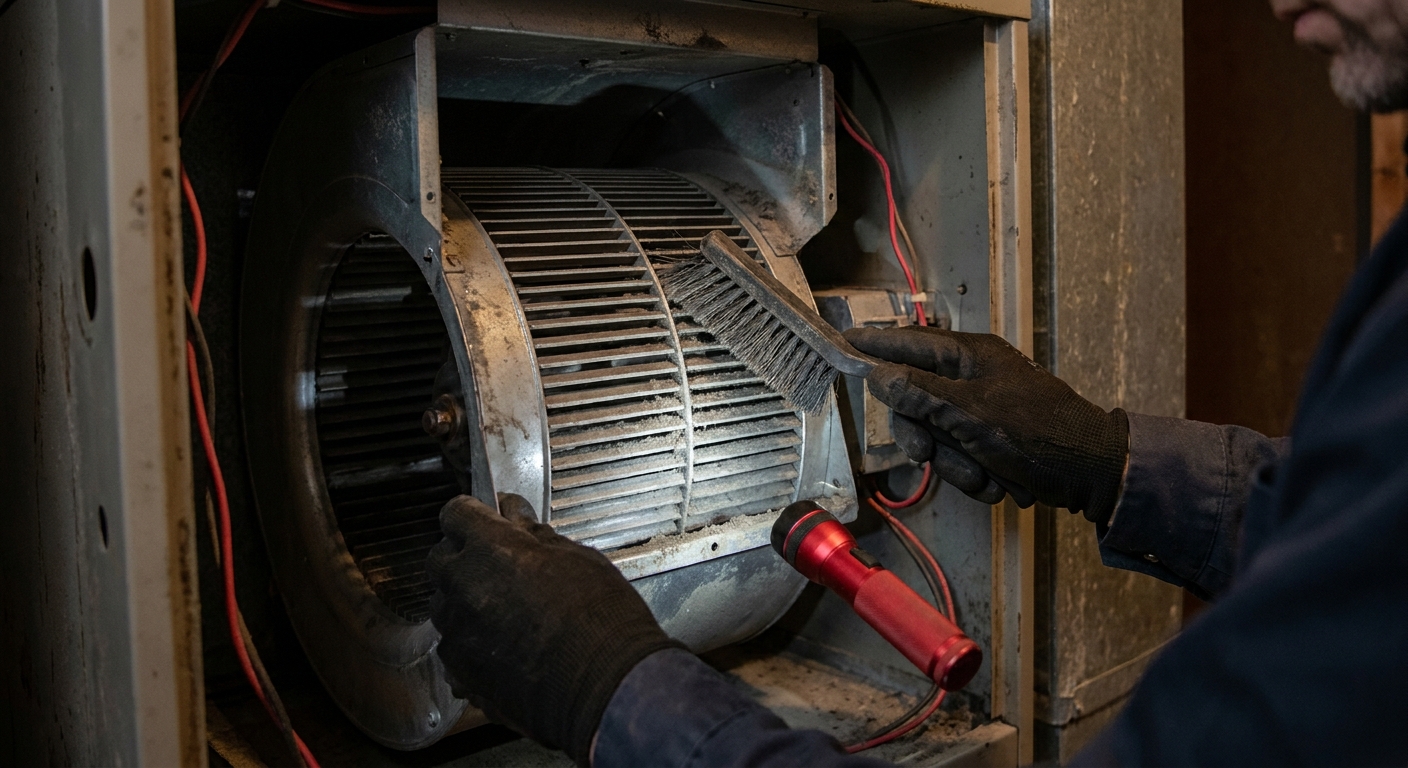
7. Clean the Blower Wheel & Interior Cabinet , Remove Dust Build‑Up
Dust on the blower wheel reduces airflow and makes the motor run hotter. Remove the furnace’s front panel, then use a soft brush or compressed air to clear the wheel’s fins.
Wipe the interior cabinet with a damp cloth to catch stray particles that could settle on the heat exchanger.
After cleaning, re‑assemble the panel and listen for a smoother whir when the system starts.
Cleaning the cabinet also gives you a chance to spot any rodent nests or spider webs that could block vents.
8. Check Humidifier for Leaks & Clean Pad , Preserve Air Quality
Winter air is dry, and many homes run a furnace‑integrated humidifier to keep humidity between 40‑50 %.
Inspect the water line for drips, and remove the evaporative pad. Rinse it in warm water and soak any mineral buildup in vinegar.
A leaking humidifier can cause water damage to the furnace cabinet and create a breeding ground for mold.
Keeping the pad clean also ensures the unit adds moisture efficiently, which helps your skin and breathing.
A quarterly check during the heating season is recommended to ensure proper humidifier performance.
9. Examine Condensate Trap & Discharge Tubing , Prevent Water Damage
Even gas furnaces produce a small amount of condensate. That water collects in a trap and then drains through tubing.
Detach the trap and flush it with hot water to clear any slime. Check the tubing for kinks or clogs; a clear path prevents water from backing up onto the furnace floor.
When the trap is blocked, the system may shut down with an error code, leaving you in the cold.
Regularly inspecting this part avoids costly water‑damage repairs and keeps the furnace’s internal electronics dry.
10. Schedule a Professional Annual Tune‑Up , Get Expert Assurance
DIY tasks cover most of the checklist , but a licensed technician can verify safety‑critical components like the heat exchanger, gas pressure, and combustion efficiency.
During a tune‑up, the tech will clean burners, test the flame sensor, lubricate moving parts, and run a combustion analysis to ensure low CO output.
Home Worx’s Maintenance Contracts bundle all these steps into one yearly visit, saving you time and giving you a record for warranty purposes.
Carrier’s official furnace‑tune‑up guide outlines the exact steps a professional should follow.
Local HVAC providers offer seasonal tune‑ups that meet Carrier’s recommendations.
Quick Comparison of Winter Furnace Checklist Tasks
Task | DIY Difficulty | Safety Impact | Typical Frequency |
Thermostat battery & settings | Easy | Low | Season start |
Airflow at registers & ducts | Medium | Medium | Quarterly |
Burner & flame sensor cleaning | Medium | High | Annual |
CO detector test | Easy | High | Monthly |
Blower belt inspection | Medium | Medium | Annual |
Blower wheel cleaning | Medium | Low | Annual |
Humidifier leak check | Medium | Medium | Seasonal |
Condensate trap cleaning | Medium | High | Annual |
Professional tune‑up | Professional | Critical | Annual |
How to Choose the Right Service Provider
Look for a licensed HVAC contractor with insurance, such as Rocklin HVAC .
Check that they offer a written maintenance contract covering all checklist items.
Read reviews from homeowners in Placer or Nevada County.
Make sure they provide a detailed service report after each visit.
FAQ
How often should I replace my furnace filter?
You should replace the filter every one to three months, depending on usage and whether you have pets or allergies. A clogged filter reduces airflow and can cause the furnace to overheat.
Can I clean the flame sensor myself?
Yes, you can clean the flame sensor with a fine‑grade sandpaper or a soft brush, but make sure the power is off first to avoid shock.
What temperature should my thermostat be set to in winter?
A comfortable setting is around 68‑70 °F when you’re home and awake. Lower it a few degrees at night or when you’re away to save energy.
Why do I need a professional tune‑up if I do the DIY steps?
A professional can test the heat exchanger for cracks, verify gas pressure, and run a combustion analysis, tasks that require specialized equipment and certification.
What signs indicate my furnace needs immediate attention?
Strange noises, a yellow flame, repeated short‑cycling, or a sudden spike in your heating bill are all red flags that warrant a technician’s visit.
Conclusion
Start with the DIY items on this list and then book a Home Worx annual tune‑up for full peace of mind. Explore our maintenance plans to keep your furnace humming all winter long.