
Are Heat Pumps Worth It? Costs, Pros and Cons
Are heat pumps worth it for a Northern California home? In many cases, yes, especially when you replace an aging furnace and air conditioner at the same time. For homes in the Sierra foothills, an air-source heat pump usually gives you the best mix of comfort, lower energy use, and manageable cost. Home Worx Heating and Cooling also lists financing from about $120 per month, which can make the switch easier to budget.
We pulled the first 50 air-source heat pump listings from the ENERGY STAR certified equipment database maintained by the EPA, current as of September 2026. Cooling ratings among those 50 systems ranged from 16.1 to 28.1 SEER2, a difference of about 75%. Heating ratings ranged from 8.8 to 14.8 HSPF2, a spread of roughly 68%. That gap shows why matching the right model and sizing to a Sierra foothill home affects real-world savings more than any single rating on a spec sheet.
Table of Contents
How Heat Pumps Work in Heating and Cooling Mode
To answer whether heat pumps are worth it, start with how they work. A heat pump moves heat instead of making heat through fuel or electric resistance. In summer, it pulls heat from your home and sends it outdoors. In winter, it reverses that cycle and brings heat inside.
That means one system can handle both heating and cooling. You may not need a separate furnace and air conditioner. The system also runs in longer, steadier cycles than many older units. That can reduce the sharp blasts of hot or cold air that make some rooms feel uneven.
The outdoor unit uses a refrigerant loop, a compressor, and a reversing valve. The reversing valve changes the direction of the refrigerant. A control signal tells the system when to switch between heating and cooling mode.
A useful measure here is COP, or coefficient of performance . A COP of 3 means the system moves three units of heat for each unit of electricity it uses under the test conditions. The number changes with outdoor temperature, system design, and installation quality.
Heat pumps also have efficiency ratings for heating and cooling. HSPF measures heating performance. SEER measures cooling performance. The grounded data for ducted and ductless air-source systems lists minimum ratings of HSPF 7.5 and SEER 14.3.
Wikipedia's heat pump definition describes the same basic idea: a heat pump transfers thermal energy between spaces rather than producing heat in the usual way. For the homeowner, the result is simple. One appliance can cover two major HVAC jobs.
That setup fits local weather well. Auburn and Colfax can see hot, dry summer days, while winter nights may still feel sharp. A properly sized heat pump can cool through the long summer season and heat the home during most winter conditions.
For a closer look at system choices, our guide to heat pumps compared with furnaces can help you frame the replacement decision. The right choice depends on your current system, duct layout, insulation, and comfort goals.
Where Heat Pumps Save Money and Where They May Not
Are heat pumps worth it when energy bills are the main concern? They tend to make the most sense when they replace inefficient electric heat, propane, or fuel oil. They can also make financial sense when an old air conditioner and furnace need replacement at the same time.
Air-source heat pumps work well in Pacific Coast climates. They can also work in colder areas when the system is sized for that climate. Northern California sits in a useful middle ground. Our summers are hot, but the region does not usually face the long stretches of deep cold found in far-northern states.
The data supplied for air-source systems shows COP values around 3.0 to 4.0. That spread matters. A ducted system with a lower COP may still be a sound choice, but the model, outdoor temperature, and duct condition will affect actual bills.
Think about a home in Rocklin with a worn-out central air conditioner and an electric furnace. A heat pump could replace both pieces. The owner may gain lower winter energy use while keeping central cooling in summer. The savings will depend on the home's load and the local electric rate, so an honest estimate must use the home's past bills.
The same answer may look different in Grass Valley. Older homes may have leaky ducts, weak insulation, or rooms that already run cold. A heat pump cannot fix those problems by itself. It may need duct repairs or zone control before the owner sees the full benefit.
Ground-source, or geothermal, heat pumps can reach higher COP values. But they need buried loops, trenching, or drilling. Installation can reach $20,000 to more than $50,000. That cost can erase the benefit for a home that only needs a standard replacement.
Mini-splits solve a different problem. They work well when a home has no ducts or when one room needs extra control. Wall-mounted indoor units are visible, and some homeowners do not like that look.
High SEER ratings can look attractive on a product sheet. They don't tell the whole story. A system that is poorly sized, badly charged, or connected to leaky ducts may waste more energy than its rating suggests.
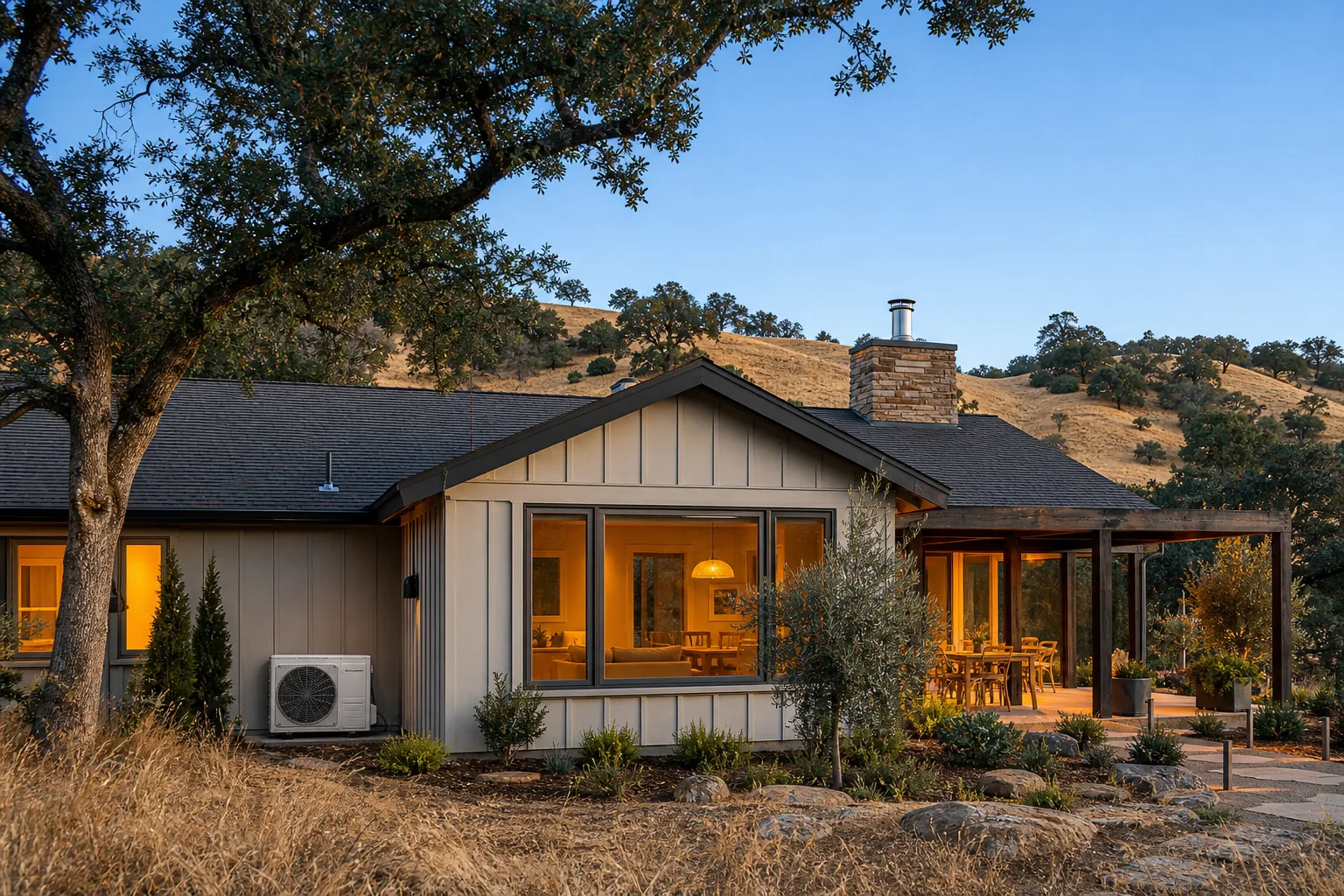
Small businesses face the same trade-off. A shop in Roseville may value steady cooling during open hours. A property manager in Penn Valley may care more about service access and repair planning. The best system is the one that matches the building's load and how people use it.
Key Takeaway:Air-source heat pumps usually fit the mixed Sierra foothill climate better than high-cost geothermal systems, but the ductwork and system size must be checked first.
Upfront Cost, Rebates, and the Payback Question
The payback question is where many homeowners get stuck. Are heat pumps worth it if the first quote looks higher than a basic furnace replacement? Often, the fair comparison is a heat pump against both a furnace and an air conditioner, since one heat pump can cover both functions. Homeowners in Auburn, Colfax, and Rocklin can compare the full replacement scope before focusing only on the equipment price.
Prices vary with capacity, duct changes, electrical work, access, controls, and the condition of the current system. Another whole-home estimate places ducted air-source installations between $9,000 and $24,000. In Roseville and Grass Valley, the home's existing ductwork and electrical service can affect the quote.
Those figures are planning ranges, not a promise for a particular home. A small single-zone mini-split is a very different job from a whole-house replacement with new ductwork. A site visit gives a more useful number than a broad web average.
Financing terms and approval requirements should be reviewed before comparing monthly costs. Financing does not make the system free, and approval terms will vary. Compare any monthly payment with the cost of keeping an old system running.
Situation | What may improve the math | What can weaken the math | Question to ask |
Replacing an old furnace and air conditioner | One heat pump can cover both jobs | Electrical upgrades may add cost | What is included in the full replacement quote? |
Replacing electric resistance heat | A heat pump can use electricity more efficiently | High cooling demand can raise summer use | What will the projected annual energy use be? |
Adding a mini-split to one room | No new duct run may be needed | Each added zone raises the project cost | Would one zone solve the comfort problem? |
Considering geothermal | Higher efficiency may last for many years | Drilling or trenching raises the starting cost | Will the added savings repay the site work? |
Using a rebate or financing plan | The amount paid up front may fall | Programs have rules and closing dates | Who confirms eligibility before installation? |
Rebates and financing matter when comparing upfront costs and projected savings. A rebate can reduce the amount you borrow. A monthly plan can spread the cost over time. Before signing, ask whether the quote includes permit work, removal, start-up testing, system setup, and warranty terms.
California programs and utility offers can change. PG&E customers should check current program rules rather than rely on an old article or a verbal promise. Homeowners in Penn Valley and Lincoln can also compare current offers with a contractor before scheduling installation.
Homeowners who want to compare the full project cost can review our page on heat pump installation cost options . Use it as a question list for a contractor, not as a substitute for a home-specific quote. Contact Home Worx Heating and Cooling for local service.
The Drawbacks: Cold Weather, Ducts, Noise, and Maintenance
Heat pumps have limits, so a fair answer must include them. The main concerns are outdoor temperature, poor ductwork, sound, defrost cycles, and service needs.
Air-source efficiency falls as outdoor air gets colder. Sierra foothill homes still face cold nights, even when the yearly climate is mild. A properly selected unit can handle those conditions, but the contractor should explain when auxiliary heat may run and how that affects electric use.
Some systems use backup heat during a cold snap. That does not mean the heat pump has failed. It means the system needs help meeting the home's heating load. The system should control that change without forcing the homeowner to guess.
Ducts are another weak point. Leaks in an attic or crawl space can waste the heat and cool air before it reaches the room. A new outdoor unit cannot correct a crushed duct, blocked register, or badly balanced branch line.
Noise varies by model and placement. The outdoor unit should have enough space for airflow and should not sit beside a bedroom window when another location works. Indoor mini-splits also make the wall unit visible. That is a comfort choice, not a technical failure.
Maintenance still matters. Filters need attention. Outdoor coils need clear airflow. A service check can catch a refrigerant issue or electrical fault before the system stops on a cold night.
Our local HVAC service guide explains how often a heat pump should be serviced in California homes. Home Worx Heating and Cooling can also help property managers plan service for several units instead of waiting for each failure.
For a home in Lincoln, Auburn, Rocklin, or Roseville, the right choice may be a ducted system. For a converted garage in Colfax, or a home in Grass Valley or Penn Valley, a ductless zone may be simpler. The drawback is usually less about the heat pump idea and more about choosing the wrong format for the building. Contact Home Worx Heating and Cooling for local service in the Sierra foothills.
When a Heat Pump Is Worth It for Your Home
Are heat pumps worth it for your home? They usually deserve a serious look when your furnace or air conditioner is near replacement, your winter heat uses electric resistance, or some rooms never stay comfortable.
A heat pump may be a strong fit when:
You need both heating and cooling equipment.
Your current system has frequent repair needs.
You use propane, fuel oil, or electric resistance heat.
Your ducts are in fair condition and can support the new system.
You want one control for year-round comfort.
You can use a rebate or financing plan to manage the first cost.
It may be a weaker fit when your existing equipment is new, efficient, and reliable. It may also be a poor match if the home needs major duct replacement and the project budget cannot cover that work.
The first step should be a load calculation, not a guess based on the old furnace size. Oversizing can cause short cycles in cooling mode. Undersizing can leave the system running too long during a cold spell.
Ask the contractor to show where the outdoor unit will sit. Check the electrical panel. Look at the ducts. Then ask how the quoted system will handle the coldest nights in your area.
Home Worx Heating and Cooling serves homeowners across Auburn, Colfax, Rocklin, Roseville, Grass Valley, Penn Valley, and Lincoln. The team can review installation needs and discuss financing options for the local climate rather than treating every home as the same job.
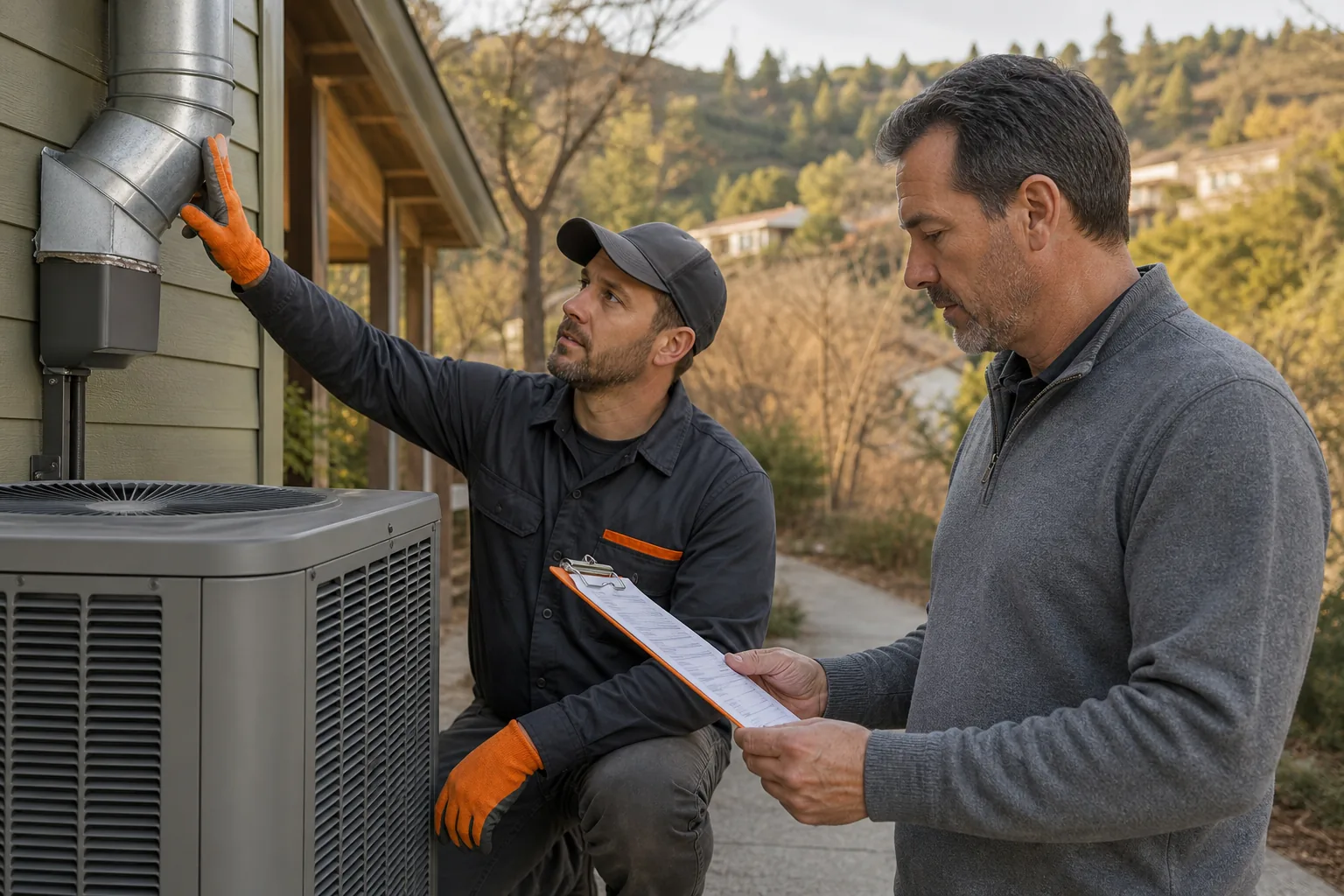
For a property in Grass Valley or Penn Valley, ask about winter operation and access for service. For a newer home in Rocklin or Roseville, the existing duct design may make a ducted replacement simpler. For a small office in Lincoln, zoning may matter more than whole-building replacement.
We recommend comparing the full installed cost with the expected use of the home. A lower quote is not always cheaper if it leaves duct repairs, electrical work, or controls outside the contract.
FAQ: Are Heat Pumps Worth It?
Are heat pumps worth it in Northern California?
Yes, heat pumps are often worth it in Northern California because the region has hot summers and moderately cold winters. Air-source systems can heat and cool one home with a single system. The value is strongest when replacing old heating and cooling equipment together, or when replacing inefficient electric resistance heat.
How much does a heat pump cost?
A heat pump can cost anywhere from several thousand dollars for a small ductless zone to well above $20,000 for some whole-home installations. The final price depends on system size, ducts, electrical work, access, and permits. Home Worx Heating and Cooling lists financing from about $120 per month, subject to plan terms.
How long does it take for a heat pump to pay for itself?
Many estimates place heat pump payback near 10 years, but your result can be shorter or longer. Savings depend on the old system, energy prices, weather, insulation, and how well the unit is installed. A contractor should compare your recent bills with a home-specific load estimate before promising a payback period.
Do heat pumps work when it gets cold?
Yes, heat pumps can work in cold weather, but air-source efficiency drops as outdoor temperatures fall. Some systems use auxiliary heat during the coldest periods. Ask which outdoor temperature the proposed unit is designed to handle and how the backup mode will affect energy use.
Are heat pumps better than furnaces?
Heat pumps are often better when you want one system for heating and cooling, or when you are replacing both pieces of equipment. A furnace may still fit a home with specific gas service, duct, or backup-heat needs. The better choice depends on the home's load, utility costs, and installation plan.
Conclusion
For most homes in the Placer and Nevada County foothills, a properly sized air-source heat pump is worth considering before a high-cost geothermal system. Start by asking Home Worx Heating and Cooling for a home-specific assessment that checks the ducts, electrical needs, available rebates, and financing terms. That is the clearest path to a system that fits both your comfort needs and your budget.