
Best Temperature for a Heat Pump in Winter
The best temperature for a heat pump in winter is usually 68°F, but your home may need a different setting. Building insulation, outdoor weather, occupancy, and the heat pump itself all change the answer. Here are five useful temperature choices, plus when each one makes sense for homes in Northern California.
Table of Contents
1. Home Worx Heating and Cooling
Home Worx Heating and Cooling is the best local option when you need more than a thermostat guess. We assess the home, the heat pump, airflow, insulation, and the way the system behaves during cold weather.

That matters because the same 68°F setting can feel very different in two homes. A well-sealed house in Lincoln may stay steady with a lower setting. A drafty home in Colfax may need a higher setting to keep bedrooms comfortable overnight.
Our team serves homeowners and small businesses in Auburn, Colfax, Rocklin, Roseville, Grass Valley, Penn Valley, and Lincoln. We also help property managers and real estate professionals review heating performance before a repair, sale, or system upgrade.
We can check whether the system is sized well, whether the outdoor coil is icing, and whether auxiliary heat is coming on too often. A heat pump may run for longer periods than a furnace. That alone does not mean something is wrong. But weak airflow, cold supply air, repeated shutoffs, or a rising power bill deserves a closer look.
Home Worx Heating and Cooling also handles maintenance, repair, installation, air-quality work, and emergency service across Placer and Nevada counties. If you keep changing the thermostat and still cannot find a comfortable setting, an on-site assessment is a better next move than raising the target again.
2. 65°F to 68°F, The Balanced Winter Setting
For most homes, 65°F to 68°F is the strongest starting range when choosing the best temperature for a heat pump in winter. A setting around 68°F is a common starting point during the heating season.
Our recommendation is simple: start at 68°F while people are home and awake. If the rooms feel even and the system runs steadily, leave it there for a few days before changing anything. Small, steady adjustments tell you more than constant thermostat changes.
A review of temperature recommendations found that the median value was 67°F, while the average was 65.1°F. The spread was wide because building type and insulation change the result. Building efficiency and occupancy also affect indoor temperature needs.
Home condition | Good starting setting | What to watch |
Efficient, well-sealed home | 65°F to 67°F | Room temperature near the thermostat target |
Typical occupied home | 67°F to 68°F | Long, steady heat cycles |
Drafty or uneven home | 68°F | Cold rooms, blocked vents, or frequent backup heat |
Home with older equipment | 68°F, then assess | Slow recovery, ice, noise, or weak airflow |
In Auburn, Rocklin, or Roseville, a 68°F target may feel comfortable through much of winter. Homes in Penn Valley or Lincoln may need a similar approach. Higher elevations near Colfax or Grass Valley can bring colder nights, so the system may run longer. Long run time is expected during a cold spell. It becomes a concern when the indoor temperature keeps falling.
Key Takeaway:Set the thermostat at 68°F first, then judge comfort and system behavior over several steady days.
3. 68°F to 70°F, The Comfort-First Setting
A 68°F to 70°F setting fits households where comfort comes first, especially when someone stays home during the day. This range can also help rooms feel warmer when floors, windows, or exterior walls stay cold.
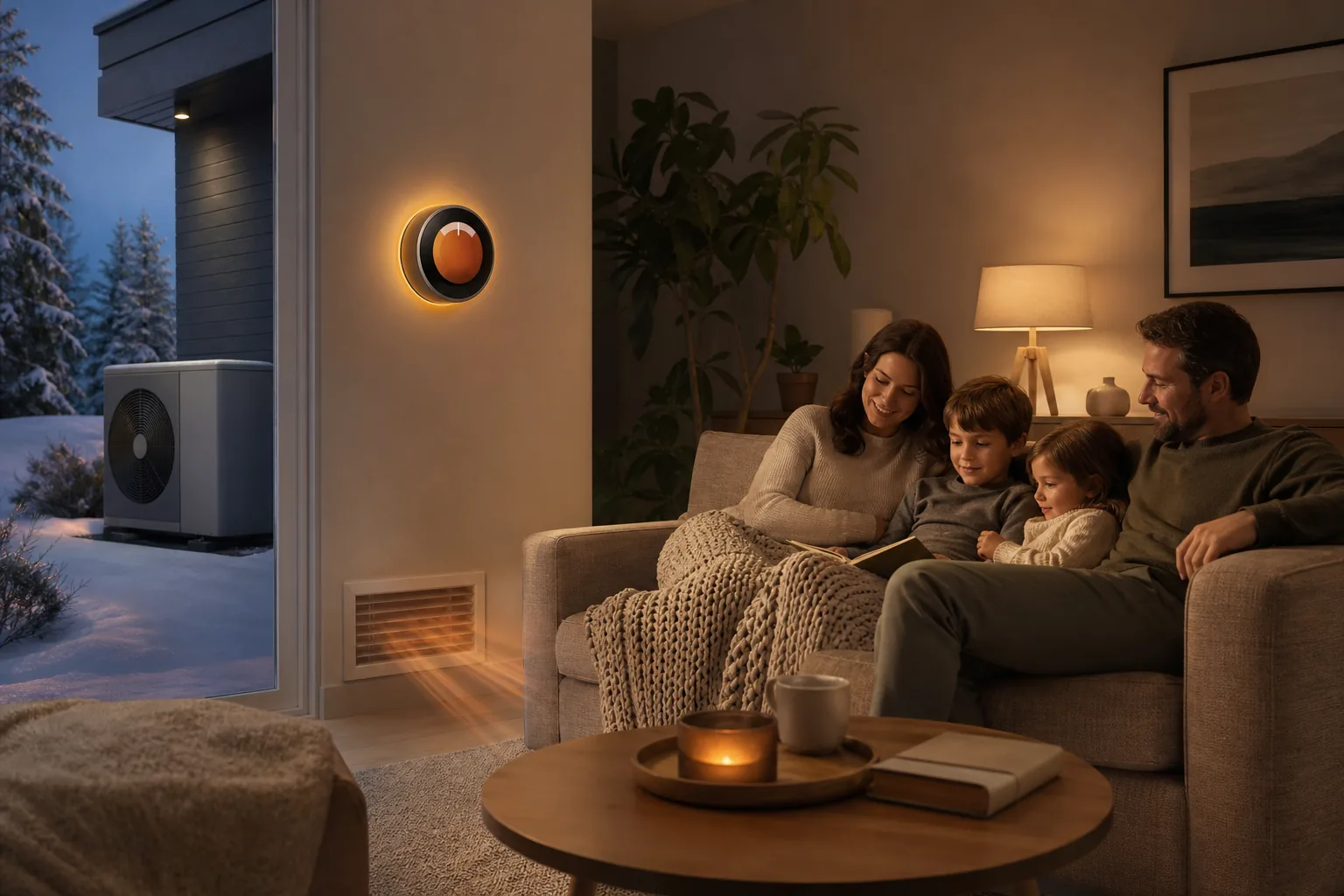
The thermostat measures air near one spot. It does not measure every bedroom, hallway, or room above a garage. If the thermostat says 68°F but a back bedroom feels cold, raising the whole home to 70°F may only partly solve the issue.
Check the simple causes first. Make sure supply vents are open. Move rugs or furniture away from returns. Replace a dirty filter with the correct size. The safe checks in Heat Pump Not Heating? 7 Safe Checks to Try can help you rule out basic airflow problems before booking service.
Comfort-first settings make sense for infants, older adults, people who work from home, or homes with chilly tile floors. They may also help during a short cold snap. But a higher set point does not make a weak heat pump stronger. It asks the system to run longer, which can expose a capacity problem.
Watch the supply air and the room temperature together. A heat pump may deliver air that feels less hot than furnace air while still heating the home well. If the room reaches the target and stays there, the system may be working normally.
If the house reaches 70°F only when auxiliary heat runs, ask an HVAC technician to review the system. Auxiliary heat uses a separate backup heat source, so frequent use can raise operating costs.
4. 60°F to 64°F, The Energy-Saving Setback
A 60°F to 64°F setting can suit sleeping hours, an empty home, or a well-insulated house. It is one of the lower choices for winter heat pump settings, but it is not right for every building.
Lowering the target works best when the home holds heat well. A high-efficiency house may stay near the reduced setting for hours. A leaky house may cool fast, then demand a long recovery cycle when you raise the thermostat again.
Try a modest change first. Move from 68°F to 65°F overnight instead of dropping straight to 60°F. Check how long the system takes to recover in the morning. If auxiliary heat appears during recovery, the setback may be too large for the home or equipment.
In Penn Valley or Lincoln, a well-insulated home may handle a lower night setting with little trouble. In a more exposed home near Colfax, the same setting could leave floors and outside rooms uncomfortably cold by dawn. Similar differences can occur in Auburn, Rocklin, Roseville, or Grass Valley. Outdoor temperature, wind, windows, and duct placement all matter.
One universal thermostat number can mislead. Efficient buildings tend to support lower indoor targets, while less efficient spaces may need higher settings.
Do not use a low setback to hide a frozen-pipe risk. Pipes in unheated crawl spaces, garages, exterior walls, or poorly insulated rooms may need more protection. If you leave for several days, keep the home warm enough for the building and plumbing, not just the thermostat sensor.
Pro Tip:Lower the setting by 2°F or 3°F for one night, then check morning recovery time before making a larger change.
5. 70°F or Higher, When Extra Heat May Signal a Problem
A setting of 70°F or higher can make sense in a low-efficiency home, but it should prompt a closer look when the system cannot maintain a lower target. The best temperature for a heat pump in winter is not automatically higher just because a room feels cold. This can matter in Auburn and Colfax homes.
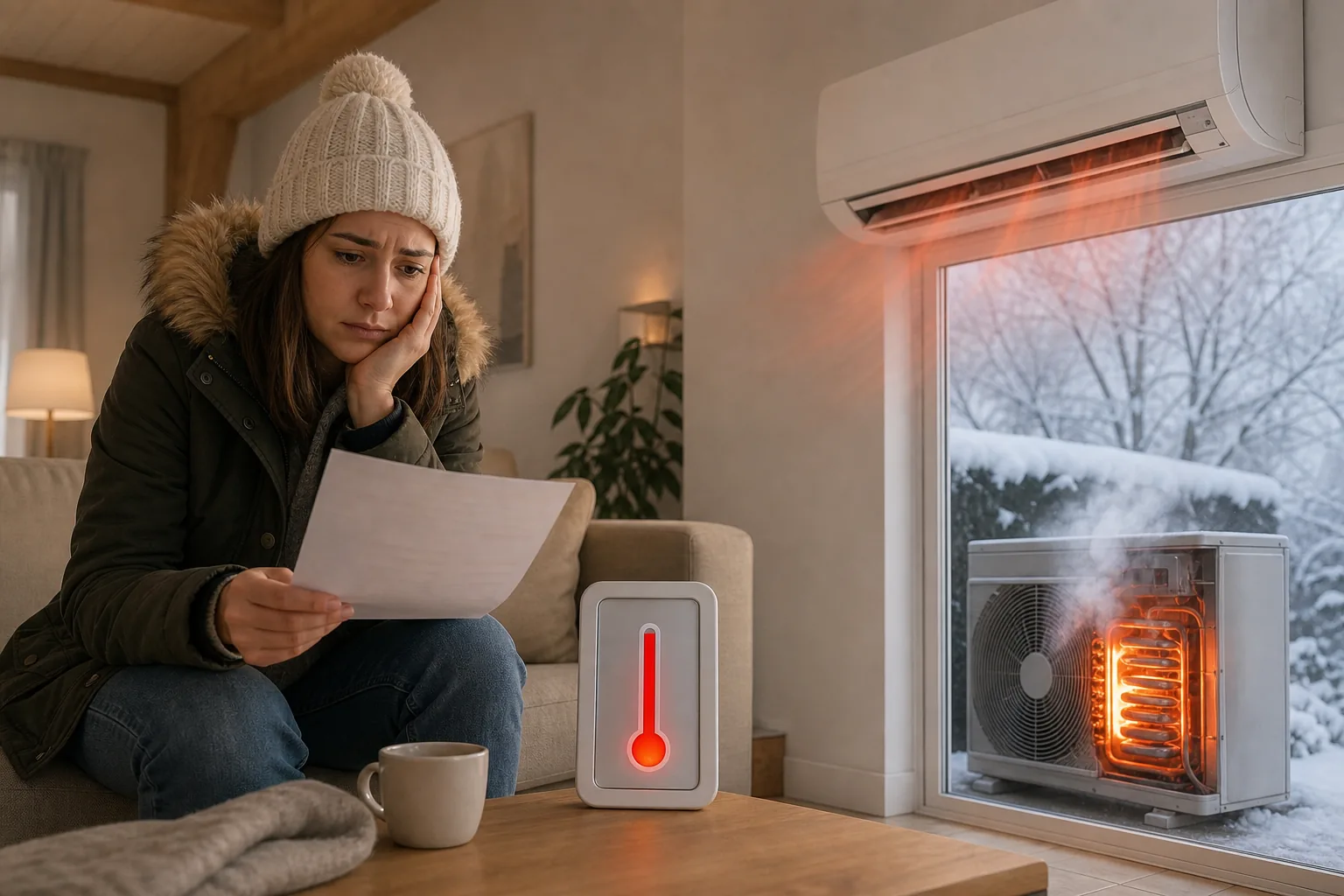
Research on building simulations found that low-efficiency homes and some commercial spaces may need indoor settings near 71°F or 72°F. That finding describes a building need, not a target every homeowner should copy, including in Rocklin and Roseville.
If you need 72°F to feel comfortable, check the room temperature in several places. A basic temperature check can show whether the thermostat is accurate. Compare the main living area with the coldest bedroom, especially in Grass Valley and Penn Valley. A large gap points toward insulation, duct, airflow, or equipment issues.
Heat pumps also use a defrost cycle when frost builds on the outdoor coil. Frequent defrost activity may be normal in damp cold weather, but heavy ice that does not clear is not.
Do not switch to emergency heat just because the outdoor air feels cold. Emergency heat shuts down the outdoor heat pump and uses the backup source. Use it only when the heat pump has a fault or an HVAC professional tells you to do so. The difference is explained in Auxiliary Heat vs Emergency Heat .
Contact Home Worx Heating and Cooling when the breaker trips, the outdoor unit stays iced over, the fan will not start, or the air stays cold after basic checks. These signs point to a repair issue rather than a thermostat preference for homeowners in Lincoln.
FAQ: Best Temperature for a Heat Pump in Winter
What temperature should I set my heat pump to in winter?
Set your heat pump to about 68°F as a starting point in winter. That setting fits common federal energy guidance and works well for many occupied homes. Adjust it by a few degrees after checking room comfort, insulation, and system run time. If the home cannot hold 68°F, schedule an HVAC assessment instead of raising the setting again.
Is 65°F too low for a heat pump in winter?
65°F is not too low for many efficient homes, especially during sleep or short absences. A lower target works best when the home holds heat and the system can recover without frequent auxiliary heat. Test a small setback first. Keep extra care around plumbing in crawl spaces, garages, and exterior walls.
Should I leave my heat pump at one temperature?
Keeping one steady temperature often works well for a heat pump because large setbacks can require long recovery cycles. A small night setback may still suit an efficient home. Watch the morning recovery. If backup heat turns on often, return to a steadier setting and ask a technician to check capacity and controls.
Why does my heat pump run constantly in winter?
A heat pump may run for long periods during cold weather because it moves heat rather than making heat with combustion. Constant operation can be normal when the home reaches the target. It needs attention when the temperature falls, airflow feels weak, ice remains on the outdoor unit, or the system makes unusual sounds.
When should I call an HVAC technician about my thermostat setting?
Call an HVAC technician when your home cannot reach 68°F, auxiliary heat runs often, or the outdoor unit stays covered in ice. Also request service after repeated breaker trips or loud electrical sounds. Home Worx Heating and Cooling can assess homes in Auburn, Colfax, Rocklin, Roseville, Grass Valley, Penn Valley, and Lincoln.
Conclusion
Start at 68°F, keep the setting steady, and watch how your home responds. Lower it only when the house holds heat well, and investigate the system when comfort requires 70°F or more. For a home-specific answer, contact Home Worx Heating and Cooling for an on-site assessment in the Placer or Nevada County area.