
Carbon Monoxide Symptoms From a Furnace: What to Do
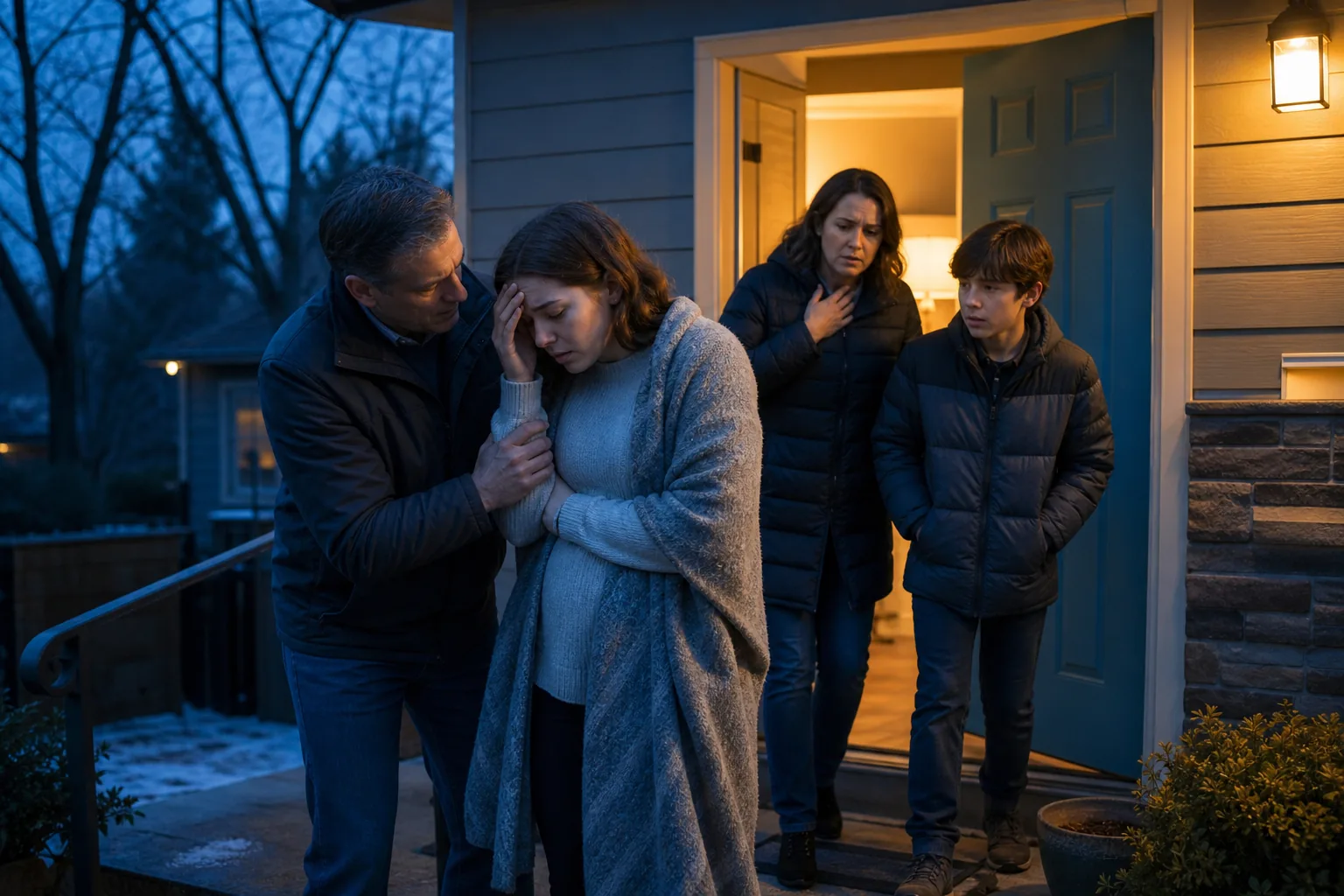
A headache while your furnace is running might be more than a bad night’s sleep. Carbon monoxide (CO) has no smell or color, so symptoms can be the first warning that something is wrong. Treat possible carbon monoxide symptoms from a furnace as an emergency, get outside, and seek help before anyone checks the equipment.
Table of Contents
Step 1: Recognize Possible Carbon Monoxide Symptoms
CO forms when fuel doesn’t burn fully. A gas furnace burns fuel in a combustion chamber, then sends exhaust outside through a vent or flue. A sound furnace keeps that exhaust away from the air you breathe. A fault can change that.
Early signs can feel like a cold or flu. Watch for headache, dizziness, weakness, nausea, or vomiting. Chest pain and shortness of breath can also occur. More serious exposure may lead to confusion, loss of consciousness, seizures, heart problems, or death. Symptoms vary from person to person.
The CDC case definition for carbon monoxide poisoning lists common symptoms such as headache, dizziness, weakness, vomiting, chest pain, and confusion. Don’t wait for a certain symptom or assume you can judge the danger by how mild it feels.
Look for a pattern, not a single perfect clue. More than one person feeling ill indoors is a warning. So is feeling better after going outside, then feeling sick again after returning. Pets may also become weak or unusually unresponsive. CO itself can’t be detected by smell, so an odor-free room isn’t proof of safety.
A furnace may produce unsafe exhaust if its heat exchanger is damaged, its vent is blocked, or a vent connection has a gap. Exhaust can also spill back into a room when the venting system doesn’t draw properly. A gas smell is a different warning sign, but it can also mean trouble; our guide to furnace exhaust smells and safety explains why an odd odor needs attention.
If you’re in Auburn or Colfax and symptoms appear while the heat is running, leave first. The same applies in Rocklin, Roseville, Grass Valley, Penn Valley, and Lincoln. Don’t open the furnace cabinet to look for a crack or test a flame.
Step 2: Treat a CO Alarm or Suspected Exposure as an Emergency
When a CO alarm sounds, get everyone outside right away. Don’t stay inside to find the source, silence the alarm, or troubleshoot the furnace. Take people and pets with you if they’re close by and can leave safely.
If you suspect exposure but the alarm is quiet, leave anyway. A detector can be missing, out of power, or too far from the source to give you the warning you expect. Symptoms plus a running fuel-burning appliance are enough reason to get out.
Once you’re outdoors and away from the building, contact emergency services if anyone is ill, confused, faint, having trouble breathing, or hard to wake. Contact your gas utility from a safe location if you suspect a fuel or venting problem. Don’t go back in to turn off the furnace or open windows. Leave those steps to responders if they say they’re safe.
Don’t restart the furnace or use another fuel-burning appliance in the home while the source is unconfirmed. A water heater, fireplace, gas stove, or portable heater may also produce CO if it burns fuel poorly or vents incorrectly. Never use a grill or camping stove indoors for heat.
After everyone is safe, resist the urge to reset the furnace. Resetting can’t show whether exhaust is entering the home. Our safe furnace reset instructions also start with checking for hazards, not pressing buttons.
If you’re in Rocklin or Roseville, the same rule applies: get clear of the building first, then ask responders or the gas utility when it’s safe to return.
Key Takeaway:A CO alarm or possible exposure means leave the building. Don’t stay indoors to investigate.
Step 3: Get Medical Help and Do Not Re-Enter Until Cleared
Get medical advice after a suspected exposure, even if symptoms seem mild or start to fade outside. CO affects people differently, and symptoms can look like a viral illness. Children, older adults, pregnant people, and people with heart or lung disease may face a higher risk of harm.
Tell the medical team that CO exposure is possible and explain when symptoms began, which appliances were running, and whether anyone else felt ill. Don’t delay care while trying to gather details. Move the person to fresh air and seek immediate medical attention. MedlinePlus has a plain-language overview of carbon monoxide poisoning .
Clinicians may check a blood sample for carbon monoxide and assess the person’s condition. Treatment can include oxygen. The medical team decides what care is needed based on the person and the exposure. Don’t try to judge exposure from symptoms alone or use a home reading as a substitute for medical care.
Stay outside until emergency responders or the gas utility say it’s safe to return. Don’t rely on the alarm stopping, the room feeling fresh, or the furnace shutting down by itself. If the home needs testing or the furnace needs repair, wait for qualified professionals to handle it.
Some people report memory trouble, agitation, confusion, or balance problems after repeated low-level exposure. These signs can have many causes, which can make the source hard to spot. If symptoms keep returning at home, mention the pattern to a clinician and arrange a professional check of fuel-burning appliances.
Step 4: Keep the Furnace Off Until It Has Been Checked
Leave the furnace off after a suspected CO leak until a qualified professional has checked it and confirmed it’s safe to run. Don’t remove panels, adjust gas pressure, clean burners, or try to seal a vent yourself. Those tasks involve combustion and exhaust parts that need proper tools and training.
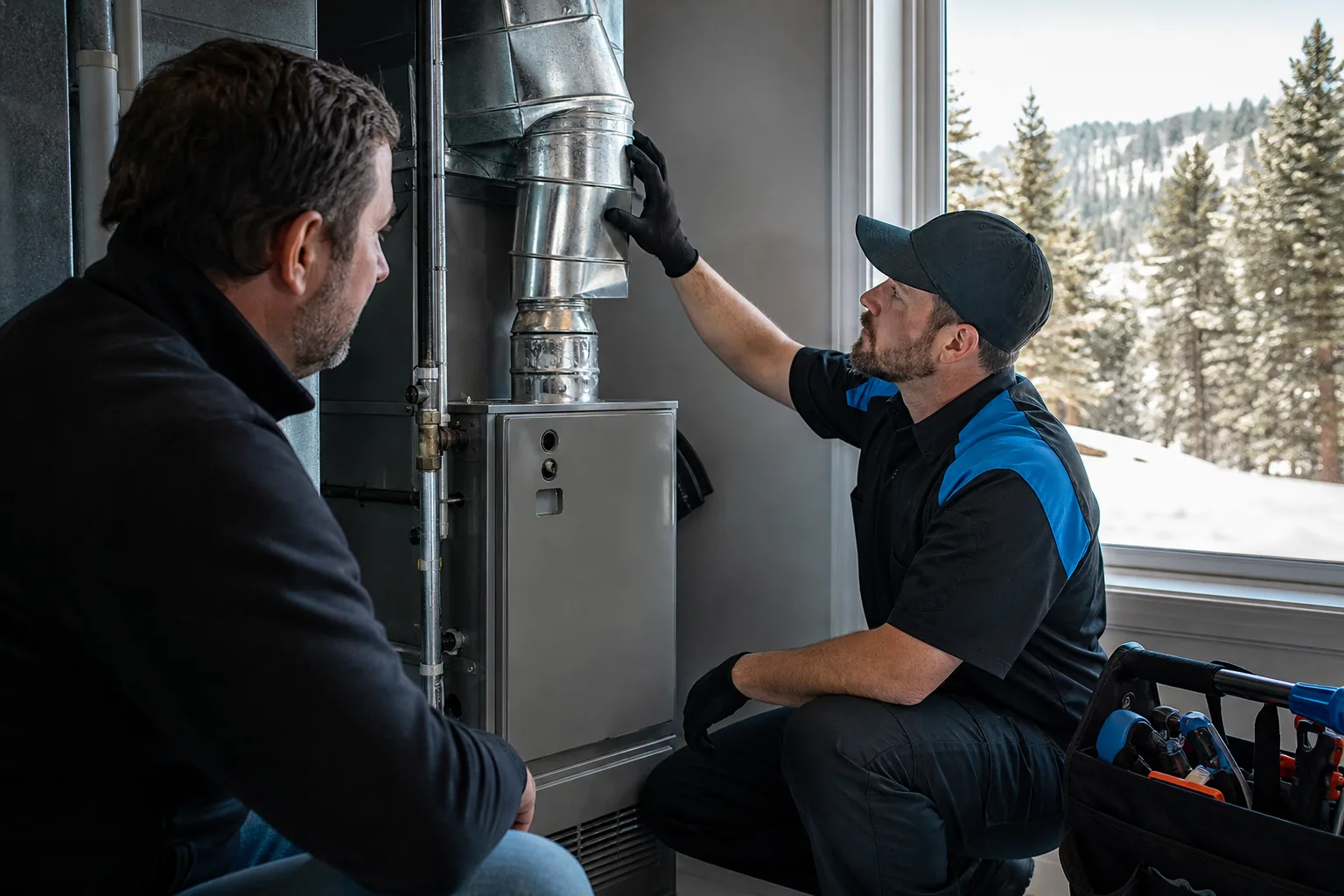
A technician can inspect the heat exchanger, burners, and vent path. They can also look for a blocked flue, a loose vent joint, or a poor connection where a pipe enters a chimney. If exhaust can spill through that gap, it may enter the room instead of moving outdoors.
Other causes can be less visible. A failing draft inducer, incorrect gas pressure, or a clogged secondary heat exchanger can affect combustion or venting. One fault may lead to another, so a technician needs to test the system rather than guess from a flame’s appearance.
Ask what the inspection found and what must be repaired before the furnace runs again. If the technician finds a damaged part or vent problem, ask how they confirmed the repair resolved the safety concern. A furnace that starts and blows warm air isn’t automatically safe.
Keep the home’s other fuel-burning equipment in mind. A water heater can share a vent path or chimney with a furnace, and it can have its own venting issue. Tell the technician about any other appliances that were running when the alarm sounded.
For residents in Lincoln, a local HVAC professional can assess the furnace after emergency responders have cleared the home.
Step 5: Prevent Another Furnace-Related CO Incident
Install working CO alarms on every level of your home and near sleeping areas. Place a detector near major gas-burning appliances, such as a furnace or water heater. Follow the detector maker’s instructions for placement, power, and replacement.
Test each alarm as its manufacturer directs. Replace batteries or the whole unit when required. A detector only helps if it has power and works, so don’t treat a quiet alarm as proof that the furnace has been checked.
Arrange regular professional maintenance for fuel-burning equipment. A technician can inspect the furnace and venting before the cold months bring longer heating cycles. Our local guide to how often HVAC systems should be serviced covers seasonal planning for Northern California homes.
Keep the area around outdoor vent openings clear. Don’t block vents with stored items or landscaping, and don’t push tools into a flue. Leave internal cleaning and vent repairs to a qualified technician. If you notice soot, rust, water marks, or unusual condensation near an appliance, note where you saw it and arrange an inspection. Don’t wait for a stain to appear before seeking help.
Before winter, check that your alarms work and that the furnace has had professional service. Homes in the Sierra foothills can face cold winter nights, when heating systems run for longer stretches. In summer, don’t assume the system can be ignored; a water heater or another fuel-burning appliance may still be in use.
A furnace safety check before the next heating season is a simple way to catch venting problems early.
Frequently Asked Questions
What are the first signs of carbon monoxide from a furnace?
Headache, dizziness, weakness, nausea, or vomiting can be early signs of CO exposure. Chest pain or confusion can also occur. Symptoms may resemble a cold or flu, so look for clues such as several people feeling sick indoors or feeling better outside. Leave the home if you suspect exposure, even if symptoms seem mild.
Can a furnace leak carbon monoxide without a smell?
Yes. Carbon monoxide has no smell or color, so you can’t detect it with your senses. A cracked heat exchanger, blocked flue, or loose vent connection can allow exhaust to enter a home. Use working CO alarms and arrange professional furnace service. If an alarm sounds or someone feels ill, leave immediately.
Should I open windows if my carbon monoxide alarm goes off?
Don’t stay inside to open windows. Get everyone outdoors first and contact emergency services or your gas utility from a safe place. Opening a window should never delay leaving the building. Wait for responders or the utility to tell you when it’s safe to go back in.
How often should a furnace be checked for carbon monoxide risks?
Arrange professional service regularly, including an inspection before the main heating season. A technician can check combustion, the heat exchanger, and the vent system. Keep CO alarms working throughout the year. If an alarm sounds or symptoms appear, don’t wait for the next scheduled tune-up; leave and get help.
Conclusion
Don’t wait to see whether symptoms get worse. If a CO alarm sounds or someone feels sick while the furnace is running, get everyone outside and seek emergency guidance. Once responders clear the home, contact Home Worx Heating and Cooling to arrange local furnace service.