
How to Keep the Second Floor Cool in Summer
If you're trying to keep the second floor cool in summer, you may know the mismatch: downstairs feels fine while the bedrooms stay hot. Start by finding where the heat enters and whether cool air can reach the rooms. Then fix the easiest causes before considering a larger HVAC change.
We analyzed 72 comments from YouTube and Reddit about second floor cooling in summer and found that 28% mentioned ductwork airflow balancing.
Table of Contents
Step 1: Find Out Why the Upstairs Rooms Are Hot
First, work out when and where the heat builds up. Check the same upstairs room in the morning, late afternoon, and evening. If it gets hottest when sun reaches a window, the glass may be a big part of the problem. If the ceiling stays warm after sunset, attic heat or thin insulation may be adding to it.
Compare that room with one downstairs. Note the time and whether the room feels warmer or cooler. Also check whether the room has a clear path for air: a supply vent to bring cooled air in and a return path to let air flow back. A shut door can make weak airflow feel worse.
Look at the basics before adjusting the system. Make sure vents and return grilles aren't blocked by furniture or other items. Check the air filter and confirm the thermostat is set to Cool. If the system runs but a particular room gets little air, that points to a different issue than a room that heats up mainly in the afternoon.
We help homeowners in Auburn, Colfax, Rocklin, Roseville, Grass Valley, Penn Valley, and Lincoln sort out these kinds of comfort problems. If you want a room-by-room way to note sunlight, airflow, and ceiling heat, use these steps for checking an upstairs bedroom . The notes can help you explain what changes through the day.
Don't climb into a very hot attic or move insulation if you're unsure what it contains. From the living space, look for obvious gaps around the attic hatch or ceiling edges. A technician can check hard-to-reach areas safely.
Key Takeaway:Track when a room heats up before buying equipment. Timing can point to sun, attic heat, or poor airflow.
Contact Home Worx Heating and Cooling for local service.
Step 2: Block Sun and Roof Heat Before It Builds Up
Reduce heat at the windows before the sun warms the room. Close blinds or curtains ahead of direct sunlight, especially on west-facing windows that get afternoon sun. Keep window coverings clear of supply vents so they don't trap cooled air behind the fabric.
For stronger sun, consider a covering outside the window that blocks rays before they reach the glass. A window treatment designed to reflect sunlight may also help, but check that it's suited to your window type and won't affect the glass warranty. Inside, a pale window covering can reflect some sunlight, while a close-fitting covering can help limit heat near the window.
Roof heat needs a different fix. Insulation slows heat moving through the ceiling, but the benefit depends on what is already there. Ask for an attic check if insulation looks thin or uneven. Sealing gaps around the attic hatch and ceiling penetrations may also help limit hot air moving into the home.
Attic ventilation can help remove some heat, but don't assume a powered fan will lower your energy use. Weigh equipment cost against likely benefit.
In the foothills, summer sun can hit the roof for hours, so shade and attic conditions deserve a look before you invest in a fan. Trees may shade a window, but keep new plantings clear of equipment and avoid blocking safe access around the home.

For roof coatings or other major exterior work, ask a qualified local contractor about suitability for your roof. If the work changes HVAC equipment or building systems, ask the installer whether a permit applies. Check current California or utility rebate rules before budgeting around a discount.
Step 3: Improve Everyday Airflow to the Second Floor
Make sure the cooled air your system already produces can reach upstairs. Open supply registers and clear the area around them. Keep return grilles uncovered, too. A return grille is the opening that lets room air flow back to the HVAC system.
Try a simple door test. During a cooling cycle, compare airflow with the bedroom door open and closed. If the room feels better with the door open, air may have trouble returning when the door is shut. A gap under the door or another planned return path may help, but don't cut a door or wall without checking what is inside.
A ceiling fan can make people feel cooler by moving air across the skin. Set it to push air downward in summer, and turn it off when the room is empty. It doesn't lower the room's actual temperature, so use it for comfort rather than as a replacement for cooling.
A box fan can also move air through a doorway or across a room. On a cooler foothill evening, open windows on opposite sides of the home if outdoor air is cooler than indoors. Close them again as the outdoor temperature rises. Don't leave windows open while the air outside is hotter than the room.
Check the thermostat schedule as well. If your home has a smart thermostat, set cooling to start before bedtime rather than waiting until the upstairs is already warm. Some homes benefit from running the HVAC fan longer to mix air, but a constant fan setting can use more energy. Test it and compare comfort rather than assuming it will help.
Homeowners in Grass Valley and Penn Valley can use cooler evening air when conditions allow. For more on the causes behind an upstairs-downstairs temperature gap, see why upstairs rooms can run hotter .
Pro Tip:Keep a short note of the thermostat setting and whether the fan is set to Auto or On. Change one setting at a time so you can tell what helped.
Step 4: Have Ducts and Airflow Balance Checked
If vents are open but upstairs airflow still feels weak, have the ducts and system checked. A technician can compare airflow at the registers and look for leaks in accessible duct runs. Leaks can send cooled air into an attic or crawl space instead of the room that needs it.
Sealing a duct leak may restore some lost airflow, but tape is not a fix for every duct problem. If the ducts are too small for the system or layout, sealing alone won't resolve the sizing issue. Larger ducts or added return paths may help in some homes, though those changes need careful planning and installation.
Ask the technician to explain what they found before approving work. Was there a leak? Is a damper closed or poorly set? Does the upstairs have a clear return path? These answers help separate a simple adjustment from a bigger duct change.
Dampers are plates inside some ducts that control how much air flows to each branch. Adjusting them can rebalance existing airflow, but it can't make an undersized duct carry more air than it can handle. Don't close many downstairs registers to force air upstairs. That can disrupt the system's airflow instead of fixing the cause.
Home Worx Heating and Cooling provides duct and vent installation and repair, as well as HVAC maintenance. We serve Placer and Nevada County communities, including Lincoln. For a system that still struggles after basic checks, a measured airflow assessment is more useful than guessing at vent settings.
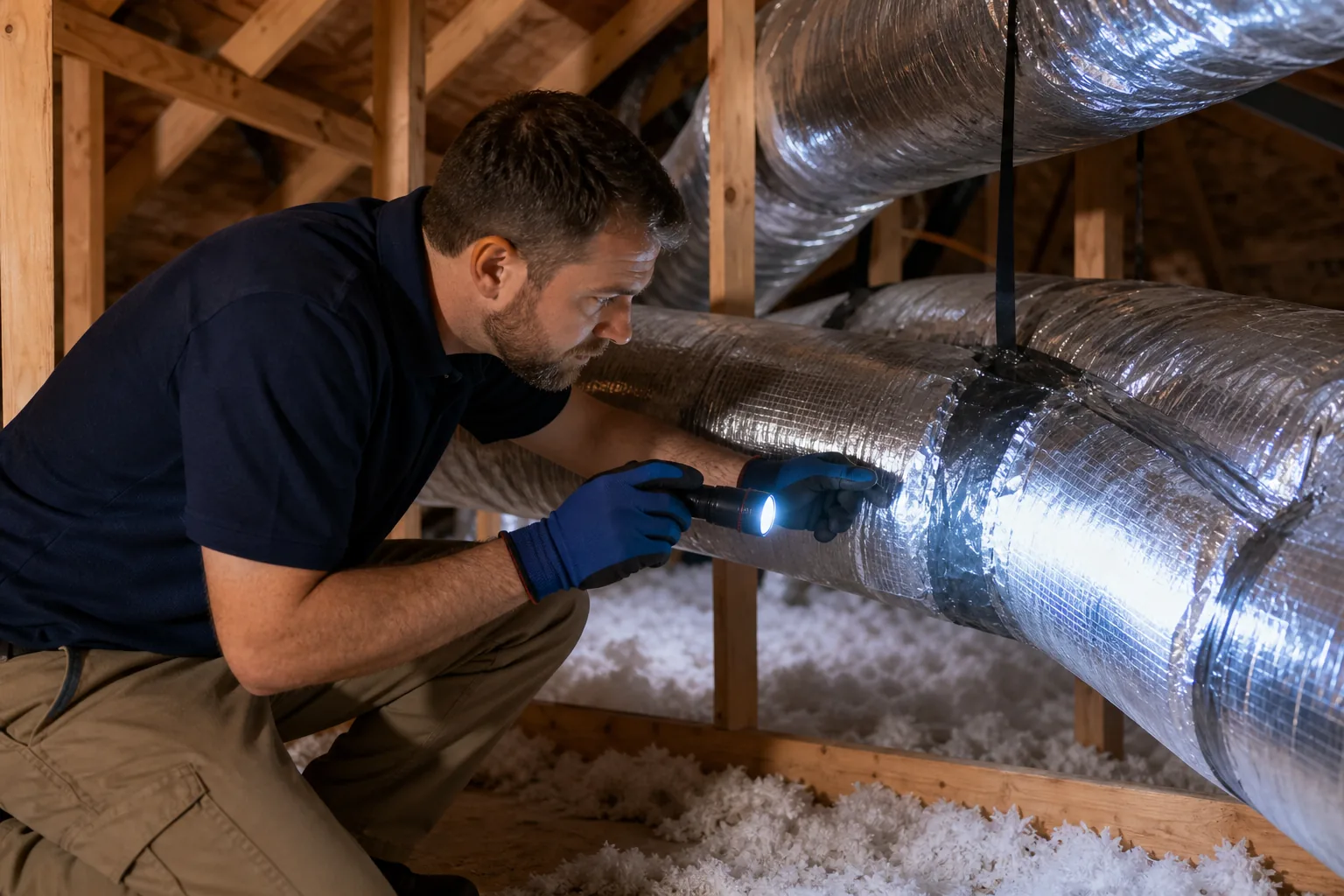
Ask for the recommended fix and why it fits your home. If the proposed work involves new duct routes or equipment, confirm the installation plan and whether local permits apply before work begins.
Step 5: Consider Zoning or Supplemental Cooling if Needed
Consider a larger change only after you've checked sun, insulation, airflow, and ducts. If the downstairs thermostat reaches its set point while bedrooms remain hot, a single thermostat may not reflect conditions upstairs. Adjusting dampers can rebalance existing duct flow, but cannot compensate for undersized ducts.
Ask an HVAC contractor whether upsizing ductwork is appropriate. Larger ducts may require professional installation and can be costly. A technician should explain how the proposed setup will work with your current equipment.
A ductless mini-split can provide cooling to a room without relying on the home's central ducts. It may suit an addition or a room that stays hot despite other fixes. Correct sizing matters: an oversized unit can cool too quickly and may not remove enough moisture. One indoor head for every bedroom isn't automatically the right plan.
A window air conditioner can provide extra cooling for one bedroom. Check that the unit fits the room and can be installed safely. A portable fan moves air but doesn't lower room temperature. A dehumidifier may make a damp room feel less sticky, but it adds heat as it runs, so it isn't a substitute for air conditioning in a hot room.
Compare the cost of a targeted fix with the cost of changing the central system. Home Worx Heating and Cooling offers financing on a new HVAC system from as low as $120 a month, about $4 a day (terms and conditions apply). Review the Home Worx Heating and Cooling service information and ask for details before treating that figure as an estimate for your home.
We can help homeowners in Roseville, Lincoln, Colfax, Grass Valley, and Penn Valley consider repair, maintenance, or a new system based on the problem they describe. Before scheduling major work, ask whether a current California or PG&E incentive applies to the specific upgrade. Eligibility can depend on the equipment and program rules. Contact Home Worx Heating and Cooling for local service.
FAQ
Why is my second floor so hot in summer?
The second floor often gets hotter because roof and window heat build up while cool air doesn't reach the rooms well. A downstairs thermostat may stop the system once the lower level is comfortable, even if bedrooms are still warm. Check sun exposure, ceiling heat, vent airflow, and the return-air path to narrow down the cause.
Should I close downstairs vents to cool upstairs?
No, don't close a lot of downstairs vents to force more air upstairs. That can interfere with the airflow the system was designed to move. Keep registers open and clear, then ask an HVAC technician to check duct leaks, damper settings, and system balance if the upper floor still gets weak airflow.
Do ceiling fans cool a room?
Ceiling fans can make people feel cooler by moving air across the skin, but they don't lower the room's actual temperature. Set the fan to move air downward during summer, and turn it off when nobody is in the room. Use it alongside air conditioning, not instead of fixing weak airflow or excess heat.
When should I call an HVAC technician about a hot upstairs?
Ask for an HVAC check if upstairs rooms stay hot after you clear vents, replace a dirty filter, and reduce direct sun. A technician can check airflow, duct leaks, dampers, and the system's ability to serve both floors. Stop guessing if the equipment runs for long periods or some rooms barely receive cooled air.
Conclusion
Start by tracking when the upstairs heats up, then block direct sun and clear the airflow path. If those steps don't help, ask Home Worx Heating and Cooling to check the ducts and system balance. We serve Auburn, Colfax, Rocklin, Roseville, Grass Valley, Penn Valley, and Lincoln, so reach out for local help with your home's cooling needs.