
How to Maintain a Heat Pump: Homeowner Guide
If your heat pump seems to lose power after a few months, a clogged filter may be part of the problem. But knowing how to maintain a heat pump also means checking airflow, drainage, and the winter defrost cycle. Here’s a safe routine for homeowners, plus the work to leave to a trained technician.
We analyzed 57 comments and questions from Reddit, YouTube and Quora about heat Pump maintenance and found that 39% mentioned filter changes and coil cleaning.
Table of Contents
Step 1: Check and Clean the Air Filter
A clean filter helps air move through the system. Check yours each month during heavy use, then clean or replace it when it’s dirty. Many systems need a new filter every 30 to 90 days, but your equipment manual sets the right schedule.
Find the filter slot on the indoor air handler or at a return-air grille. Turn the system off at the thermostat before you remove the filter. Check its size and airflow arrow, then fit the new filter in the same direction. A filter installed backward can restrict airflow.
If your system has a reusable filter, follow its manual. Some can be vacuumed or washed, but they need to dry fully before you put them back. Don’t wash a disposable filter.
Check more often if you have pets, nearby construction, wildfire smoke, or heavy pollen. In Rocklin, dry summer conditions can bring dust and plant debris indoors. If a filter looks gray or packed before its usual change date, replace it rather than waiting.
A blocked filter can make the blower work harder and reduce airflow. That can leave rooms slow to heat or cool. If a fresh filter doesn’t help, check whether supply vents are open and return grilles are clear. For a printable routine, use our heat pump maintenance checklist for homeowners .
Key Takeaway:Check the filter monthly during busy seasons, but use its condition and the equipment manual to guide replacement.
Step 2: Clear the Outdoor Unit and Check Airflow
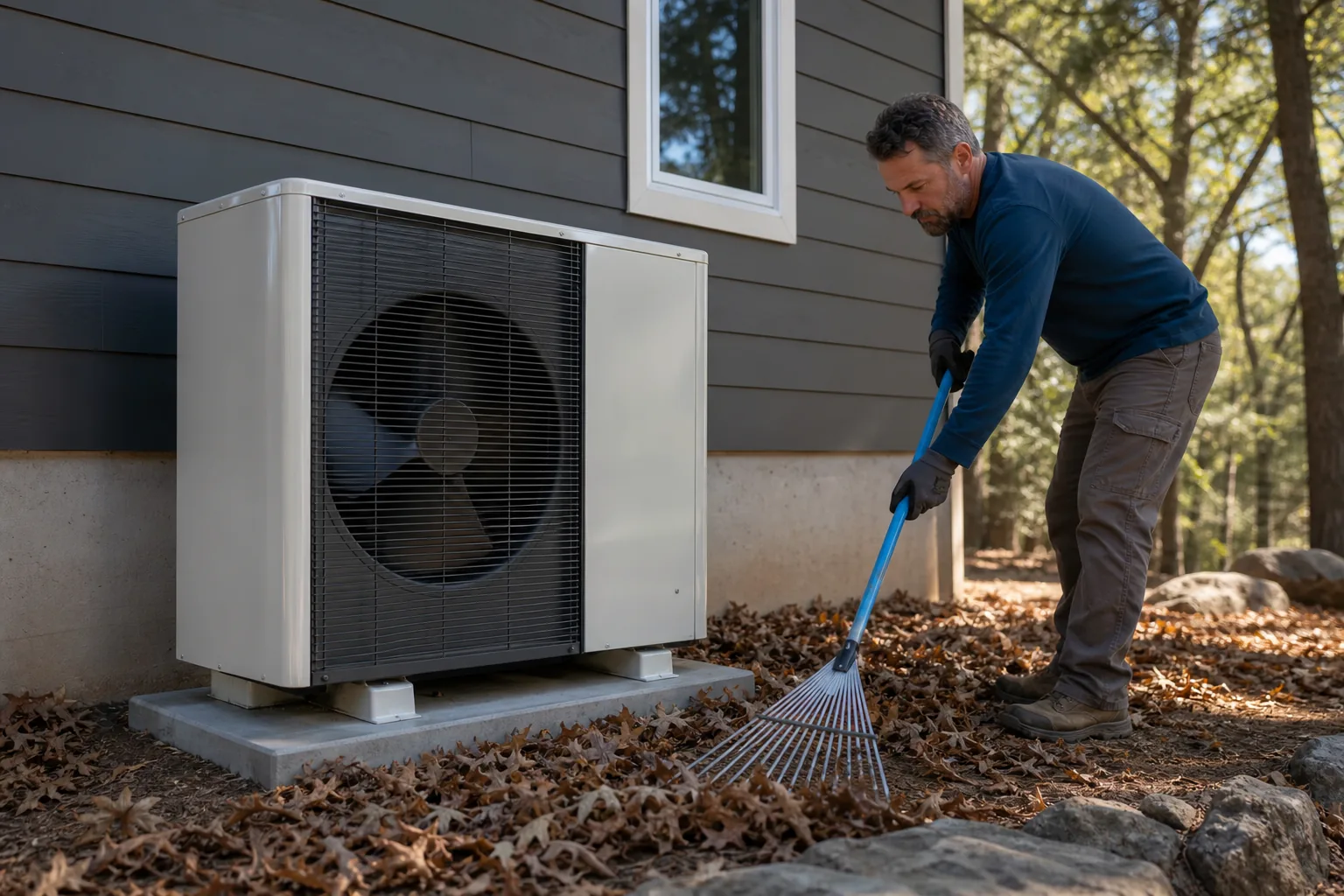
Your outdoor unit needs open space so air can pass through its coil. Look around it every few weeks, and check again after wind or a storm. Remove loose leaves, grass clippings, branches, and other debris by hand. Keep plants and stored items from blocking the sides or top.
Before you clean near the unit, switch the system off at the thermostat. Don’t reach through the grille or remove the cabinet panels. The fan and electrical parts can cause injury. If the coil looks packed with dirt, or a panel is bent, leave the deeper cleaning to a technician.
A gentle hose spray may be suitable for light surface dirt if your manufacturer permits it. Don’t use a pressure washer or stiff brush. The thin metal fins can bend, and bent fins can limit airflow. If you’re unsure what cleaning your model allows, check its manual first.
For Northern California foothill homes, the area around the unit changes with the season. In Auburn and Colfax, clear leaves before heating season and keep snow from blocking the coil after a storm. In Roseville, check for dry grass and yard debris during summer. The exact spacing can vary by model, so follow the manufacturer’s clearance guidance.
New rattling, grinding, or buzzing sounds deserve attention. So does a heat pump that runs for a long time but can’t keep the home comfortable.
Step 3: Inspect Indoor Vents and the Condensate Drain
Indoor airflow matters too. Walk through the rooms and check that supply vents aren’t covered by rugs, curtains, or furniture. Keep return grilles open as well. Dust on a grille can be vacuumed away, but don’t push tools deep into the duct.
Next, look at the visible area near the indoor unit. During cooling, the system pulls moisture from indoor air. That water drains through a pan and line. Look for standing water, a musty smell, or fresh water marks near the air handler. Those can point to a blocked drain or another issue.
Don’t take apart the unit or pour chemicals into a drain line unless the equipment instructions say to do so. A drain clog can cause water to back up, and some systems shut down when a safety switch senses overflow. If water is near electrical parts, stop and arrange service.
Pay attention to changes you can feel. A room that suddenly gets less airflow may have a blocked vent, a dirty filter, or a system problem. A heat pump that makes a new sound or struggles to reach its usual setting needs more than a quick vent check.
Homeowners in Grass Valley and Penn Valley can add a quick indoor check after a cold spell, when the heat pump has been running for long stretches. If your cooling system leaves water near the air handler, don’t wait for the next seasonal check. A technician can inspect and clear the drain safely.
Step 4: Prepare for Heating Season and Watch the Defrost Cycle
Before cold weather settles in, clear the outdoor unit and check that water can drain away from its base. Keep gutters or roof runoff from pouring onto the cabinet. After snowfall, clear loose snow around the unit without scraping its coil or packing snow against it.
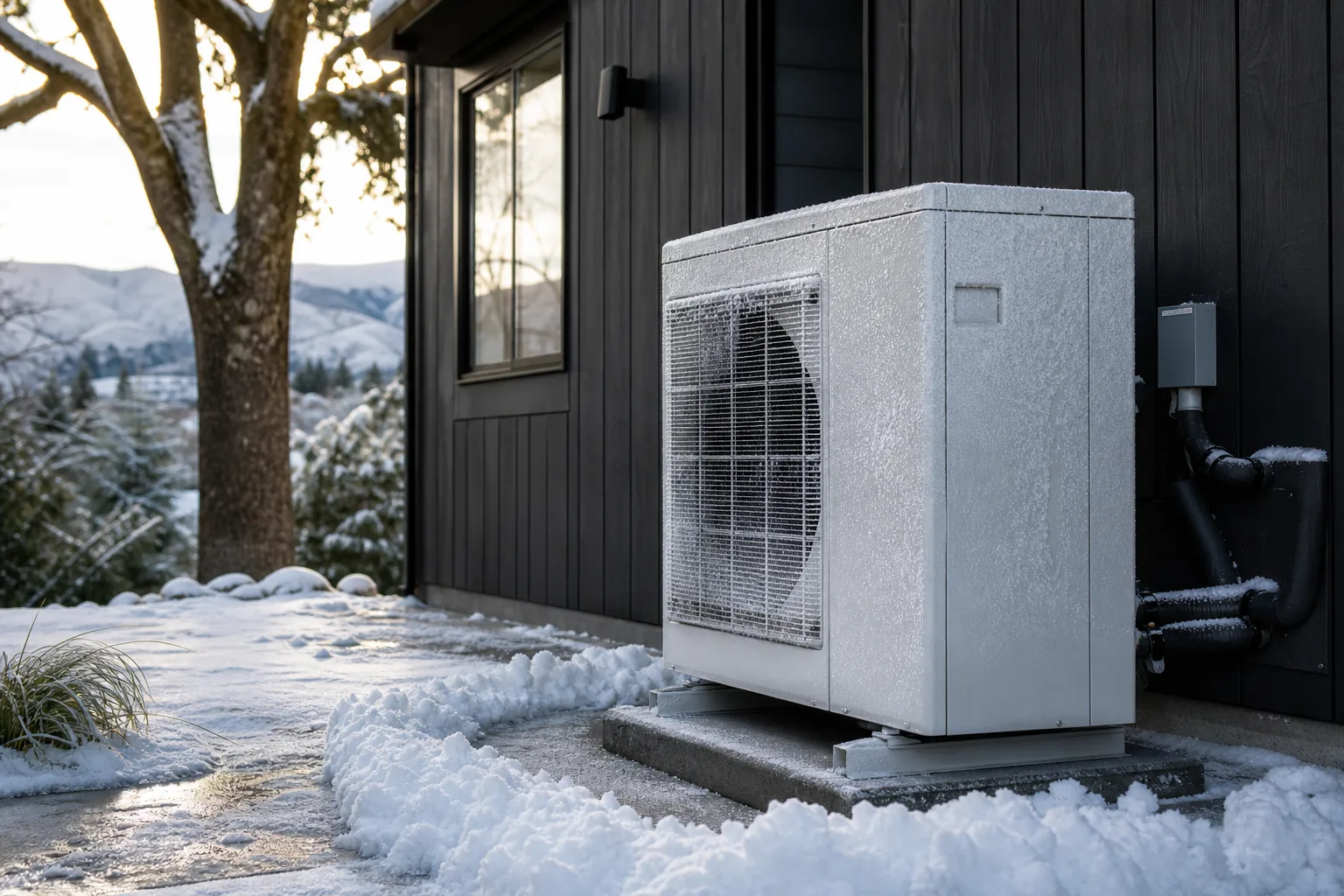
Some frost on the outdoor coil during heating is normal. The heat pump uses a defrost cycle to melt frost as needed. You may notice a short pause in heating or steam near the unit while the cycle runs. Let it finish, and don’t chip at ice or pour hot water over the coil.
Heavy ice that stays in place, repeated icing, or a fan that won’t restart calls for service. A failed defrost control is one possible cause, but airflow, drainage, or refrigerant problems can also play a part. Homeowners shouldn’t test board pins, wiring, sensors, or refrigerant parts.
The defrost cycle is a key fall service check because it helps the system manage frost during heating. For homes in Lincoln and nearby foothill areas, a fall inspection gives a technician a chance to check heating operation before cold nights arrive. Homeowners in Colfax can also keep a clear path around the unit when snow or leaves collect.
If the coil is already iced over, don’t try to force a repair. Our guide to unfreezing a heat pump safely explains what you can check without opening the equipment. Stop if the ice returns or the system can’t heat the home.
Step 5: Schedule a Professional Heat Pump Tune-Up
Home checks help with filters and clear airflow. They don’t replace service on parts that need testing or tools. Schedule a professional tune-up at least once a year, and follow the service schedule in your equipment manual. A spring or fall visit can help prepare the system for the season ahead.
A technician can inspect system operation and look for issues that aren’t visible from outside. Depending on the equipment and visit, service may include coil cleaning, airflow checks, electrical checks, refrigerant checks, and tests of heating and cooling operation. Ask what the tune-up covers and whether it includes a fall defrost check.
Keep a simple record of the service date, filter changes, and any symptoms you’ve noticed. Tell the technician if a room stays uncomfortable, the system runs longer than usual, or the thermostat shows a recurring warning. That history can help narrow down what needs attention.
Call for service sooner if you smell burning, hear a loud new noise, see heavy ice that won’t clear, or notice water near electrical parts. Don’t remove covers or troubleshoot wiring. If the heat pump stops heating, write down any message on the thermostat and what the unit was doing before it stopped.
Home Worx Heating and Cooling serves homeowners in Auburn, Colfax, Rocklin, Roseville, Grass Valley, Penn Valley, and Lincoln, as well as the wider Placer and Nevada County area. We provide heat pump maintenance and seasonal tune-ups. If you’re weighing ongoing service against one-time visits, our heat pump maintenance plan overview can help you compare the questions to ask.
Pro Tip:Book the fall visit before the first cold snap, then note any new sounds or comfort changes for the technician.
Heat Pump Maintenance FAQs
How often should I change my heat pump filter?
Check your heat pump filter monthly during heavy use, then clean or replace it when it’s dirty. Many systems need a new filter every 30 to 90 days, but the right timing depends on the filter and the equipment instructions. Pets, dust, smoke, or pollen can mean you need to change it sooner.
How often does a heat pump need professional maintenance?
A heat pump should get professional service at least once a year, unless its manufacturer calls for a different schedule. A seasonal visit can catch problems that a visual check won’t find. Ask the technician to explain what the visit includes, especially whether it checks heating operation and the defrost cycle.
Is frost on an outdoor heat pump normal?
Light frost can be normal during heating because the outdoor coil may collect moisture. The heat pump uses a defrost cycle to clear it. Don’t chip at the coil or interrupt the cycle. Thick ice that remains, returns often, or blocks the fan needs a professional check.
What heat pump maintenance can I do myself?
You can check or replace the filter, keep indoor vents clear, and remove loose debris from around the outdoor unit. Follow your equipment manual and avoid removing panels. Leave refrigerant work, electrical testing, and internal repairs to a trained technician.
What are signs my heat pump needs service?
Arrange service if the system makes a new loud sound, gives off a burning smell, struggles to heat or cool, or develops heavy ice that doesn’t clear. Water near the indoor unit is another warning sign. Note when the problem started and any thermostat message, then share those details with the technician.
Conclusion
Check the filter each month and keep both indoor and outdoor airflow clear, but don’t skip yearly professional service. If your heat pump needs a tune-up or shows a warning sign, contact Home Worx Heating and Cooling to discuss local service for your home.