
How to Prepare Your Furnace for Winter
The first cold night is a rough time to find out your furnace won’t start. Knowing how to prepare a furnace for winter means doing a few safe checks now, then leaving gas and internal electrical work to a pro.
We analyzed 42 comments and questions from YouTube and Quora about preparing a furnace for winter and found that 26% mentioned furnace reliability issues.
Work through these five steps before you rely on the heat every day. Stop if you smell gas or hear an alarm.
Table of Contents
Step 1: Clear the Area and Check for Obvious Issues
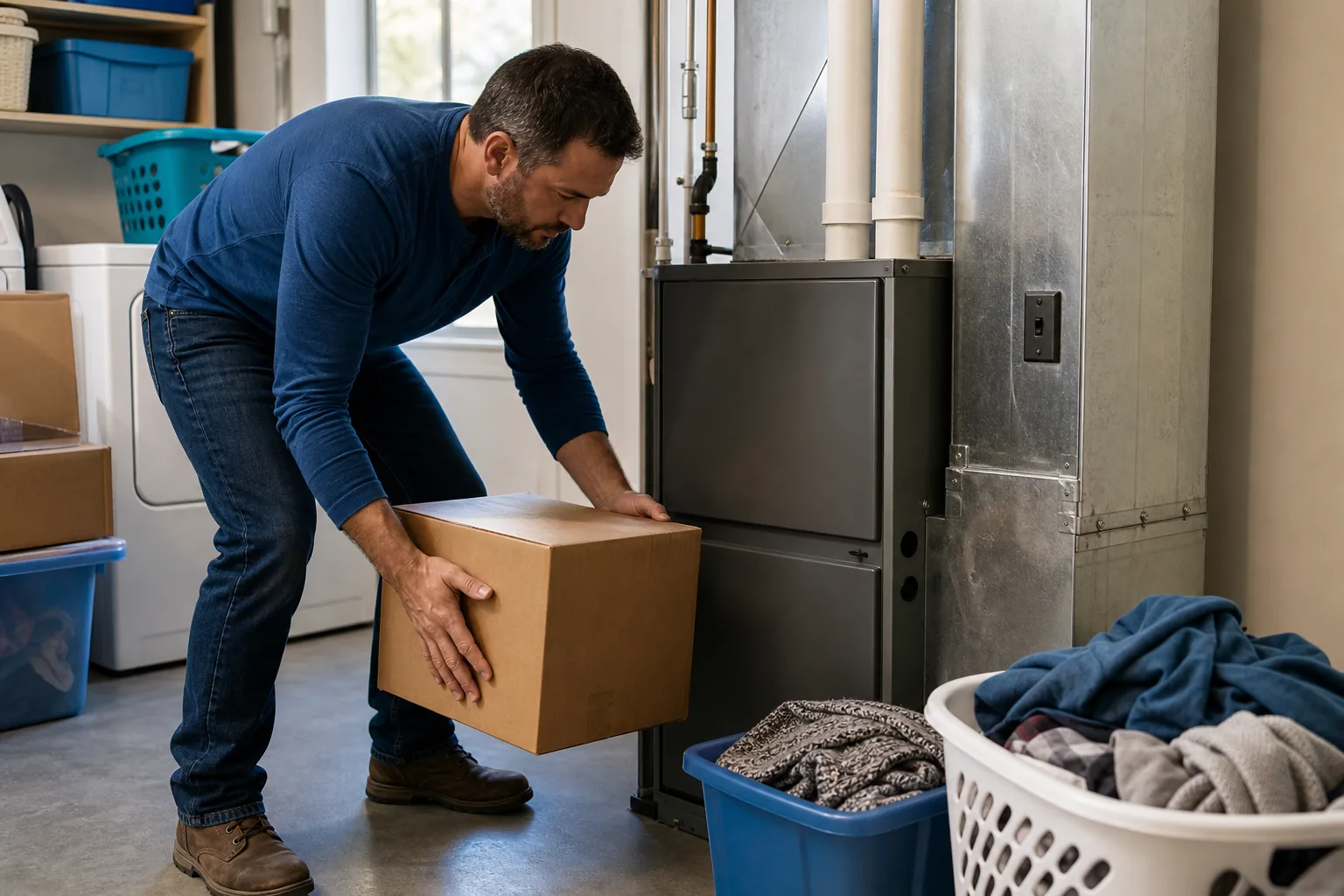
Start by making the space around the furnace safe and easy to inspect. If you’ll remove a furnace access panel or change the filter, turn the system off at its service switch first. If you can’t find the switch, check the manual. Don’t open sealed panels or touch wiring or gas fittings.
Move boxes, laundry, paint, paper, and cleaning products away from the unit. Aim to leave at least 2 to 3 feet of open space, unless the furnace manual calls for more. That gives air room to move and leaves space for a technician to work.
Look for water near the furnace, loose visible vent pipes, or signs of rust. Don’t try to fix a pipe or internal part yourself. A pool of water or a damaged-looking vent is a reason to book service before the system runs for hours each day.
In Colfax and Grass Valley, the heating season can bring cold nights after months of little furnace use. A quick check now can reveal an issue while you still have time to arrange service. Review additional seasonal checks , which don’t replace a professional inspection.
Keep a note of anything unusual. A strong smell, repeated starts and stops, or a new rattle is useful information for the technician.
Step 2: Replace the Air Filter and Open Vents
A clean filter helps the furnace move air through the house. Check it before the heating season, then look at it monthly during heavy use. Replace it when it looks dirty, or follow the schedule and filter type in your furnace manual. Homes with pets, dust, or recent work may need more frequent checks.
Use the size printed on the old filter or listed in the equipment manual. Follow the arrow on the filter frame so it points in the direction of airflow, usually toward the furnace. Don’t choose a denser filter just because its rating sounds better. A filter that restricts airflow can strain the system; ask a technician which rating fits your equipment.
Walk through each room. Open the supply registers and move rugs, curtains, and furniture away from them. Keep return grilles clear too. Closing vents in spare rooms may upset airflow through the duct system rather than save energy.
If you can reach ductwork in an attic or crawl space safely, look for a joint that has pulled apart or obvious gaps. Don’t crawl into a tight or unsafe space. Small, accessible leaks may be sealed with foil HVAC tape or mastic, but larger damage belongs with a professional.
In Auburn and Rocklin, summer dust can collect while heating sits idle. Use the right filter size, then note the date you installed it. This filter care information can help you spot when a filter needs attention.
Step 3: Test the Thermostat and Run a Heating Cycle
Test the heat on a mild day, before the first cold snap. Set the thermostat to Heat, then raise the target temperature a few degrees above the room temperature. If the thermostat uses batteries, check them. For a programmable or smart model, review the schedule and clear any summer or vacation setting that could block a call for heat.
Give the furnace time to start. Listen from a safe distance, then check a few supply vents for steady warm air. Let the system run long enough to reach the set temperature. It should stop heating once that target is met. Don’t remove panels to watch the burner or try to adjust internal parts.
A brief dusty odor the first time the heat runs may fade as dust burns off the warm surfaces. Turn the system off and arrange service if an odor is strong or lasting, or if you hear banging, scraping, or repeated clicks. Short cycling, where the furnace starts and stops every few minutes, also needs attention. It can have several causes, so don’t keep resetting the system.
If the thermostat screen is blank, the air stays cool, or the furnace trips a breaker, stop the test. Don’t repeatedly reset a breaker or furnace that won’t stay on. Write down what happened and share those details when you book service.
For a smart thermostat, set a schedule that fits the hours people are home. A schedule is only useful if the system responds as expected, so verify the heating cycle before you rely on it.
Step 4: Inspect Outdoor Vents and Check Carbon Monoxide Alarms
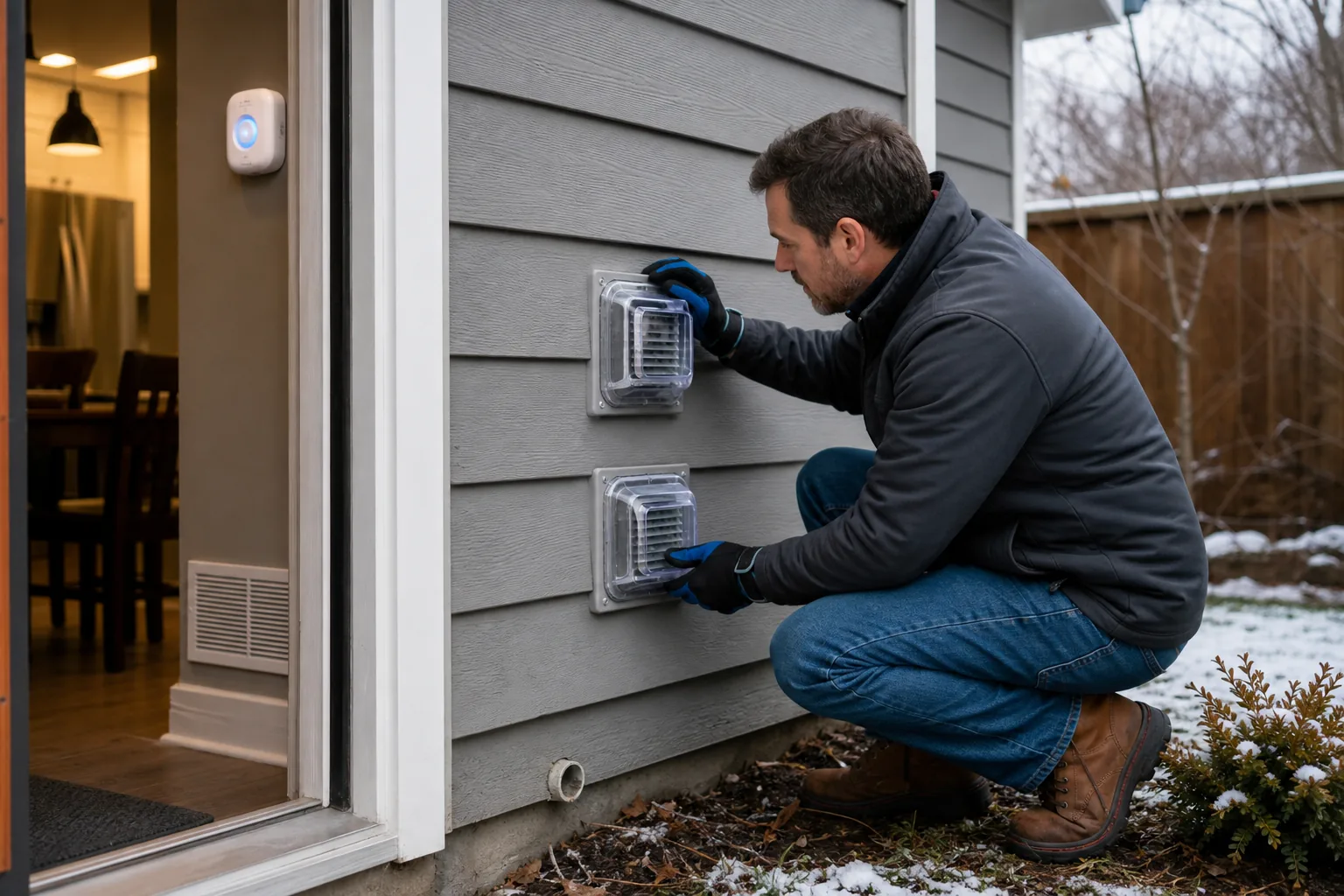
Some high-efficiency furnaces have plastic intake and exhaust pipes that end at an outside wall or roof. From a safe place, look for leaves, nests, or other visible blockage at the openings. Don’t take the pipes apart or push tools inside. After a storm, check again for snow or debris.
If your home has a furnace that drains condensate, look for water around the drain or pump. You can check for a visible leak, but don’t disconnect the line or open the furnace to clear a blockage. A blocked drain can shut the system down, so ask a technician to inspect it.
Test every smoke alarm and carbon monoxide alarm using its test button. Follow the maker’s instructions for battery changes and replacement. Carbon monoxide is colorless and odorless , so you can’t rely on smell to detect it. Place alarms as directed, including near sleeping areas and on each level of the home.
If an alarm sounds, get everyone outside into fresh air and contact emergency services. Don’t re-enter until responders say it’s safe. In Roseville or Penn Valley, remember to check exterior furnace openings after a storm, even if the furnace seemed fine the day before.
If you have an outdoor heat pump, keep leaves and other debris from crowding it. Don’t block the unit while it runs. For an air conditioner used only in summer, follow the manufacturer’s winter-care directions rather than wrapping it in a cover that could trap moisture or block airflow.
Step 5: Schedule a Professional Furnace Tune-Up
DIY checks can catch blocked vents or a dirty filter, but they can’t confirm safe combustion or inspect every internal part. Schedule a tune-up before the furnace faces daily use, especially if it’s been a while since the last service or you noticed odd sounds, odors, or cycling during your test.
A professional visit can include inspection of the heat exchanger, burners, ignition parts, venting, and safety controls. The technician can also check combustion, electrical connections, airflow, and condensate drainage where those apply to your system. Ask what the visit covers and request a written record of any repair needs or follow-up advice.
Home Worx Heating and Cooling provides heating maintenance in the local area. Our team serves homeowners in Placer and Nevada counties, and we can help plan a seasonal inspection before a busy cold spell. Annual maintenance is a useful baseline for many systems.
In the Sierra foothills, hot, dry summers can leave dust in a system before cold winter nights arrive. If your home is in Penn Valley, Auburn, or another nearby community, tell the technician about any rooms that stay cold or changes you noticed during the test. Those details help focus the visit.
Home Worx Heating and Cooling offers heating maintenance and service packages. Ask about the work included and the terms that apply before you book. A tune-up is not a promise that a system can never fail, but it gives a qualified technician a chance to find concerns before peak use. Contact Home Worx Heating and Cooling to plan local furnace maintenance.
Frequently Asked Questions
When should I get my furnace ready for winter?
Start in early fall, before you need heat every day. That gives you time to replace the filter, test the thermostat, check alarms, and arrange service if something seems wrong. If winter has already started, do the safe checks now and book a tune-up rather than waiting for a breakdown.
Can I prepare my furnace for winter myself?
Yes, you can handle basic checks such as clearing space around the furnace, changing the filter, opening vents, testing the thermostat, and pressing the alarm test buttons. Leave gas fittings, combustion checks, wiring, and sealed furnace parts to a qualified HVAC technician. Stop and seek help if you notice a strong odor or repeated shutdowns.
How often should I change my furnace filter?
Check the filter monthly during the heating season and replace it when it looks dirty, while following the equipment maker’s guidance. The right timing depends on the filter and household conditions. Pets, dust, or construction can make a filter load up sooner, so use its condition as well as the calendar.
What should I do if my furnace smells dusty?
A light dusty smell at the start of the season may fade after the furnace runs briefly. Turn the system off and contact an HVAC professional if the odor is strong, lasts, or smells electrical or like gas. If you suspect a gas leak, leave the home and contact emergency services from outside.
Conclusion
Do the simple checks before cold weather sets in, then leave internal and fuel-related work to a qualified professional. If your furnace needs a tune-up, contact Home Worx Heating and Cooling to discuss local service in Auburn, Colfax, Rocklin, Roseville, Grass Valley, Penn Valley, or Lincoln.