
Top Variable Speed Furnace Benefits for Homeowners
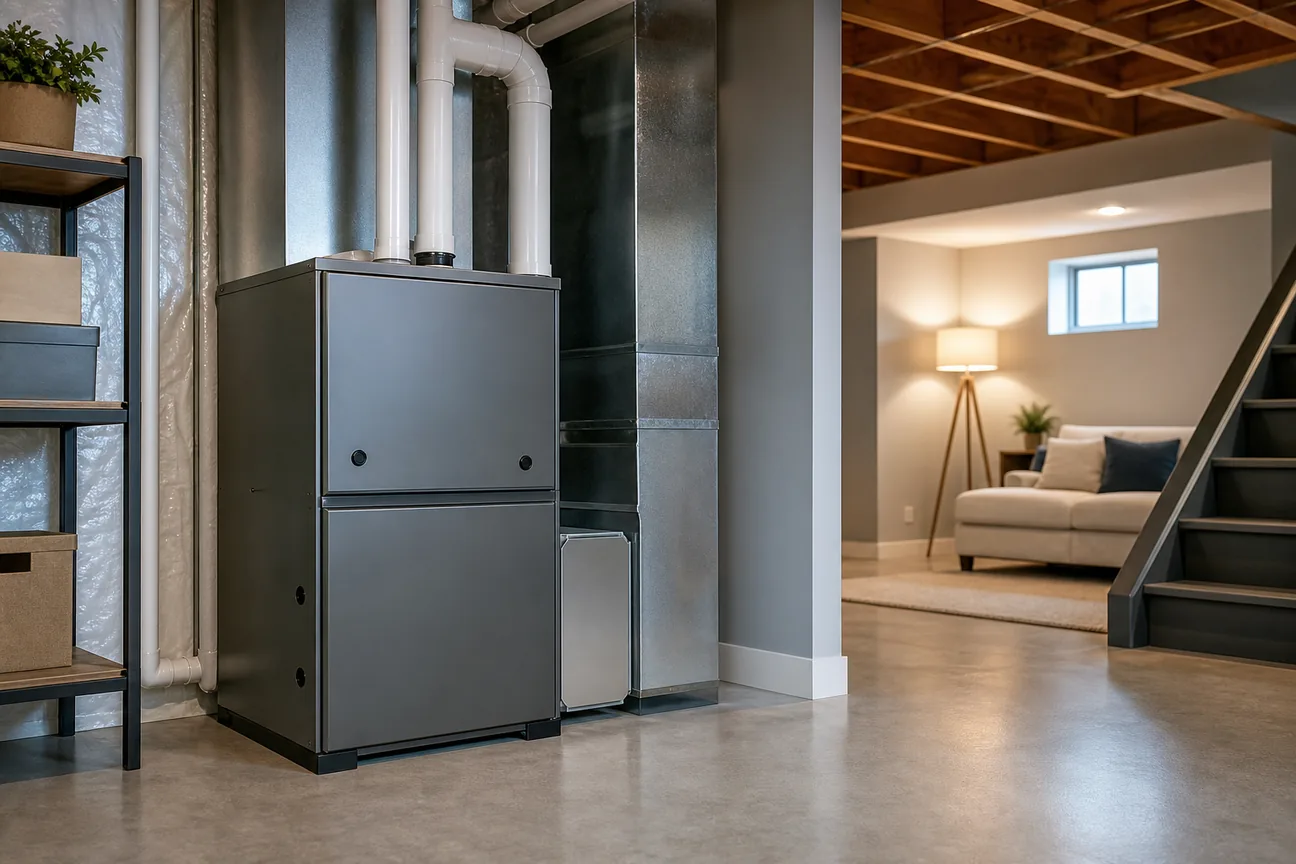
A furnace that blasts warm air, shuts off, then starts again can leave some rooms too hot and others chilly. Variable speed furnace benefits include steadier airflow, quieter operation, and lower electricity use for the blower. Here’s what those gains can mean in a Northern California home, and where Home Worx Heating and Cooling can help.
We analyzed 78 comments and questions from YouTube, Reddit and Quora about variable speed furnace benefits and found that 19% mentioned steady indoor temperature and humidity control.
Table of Contents
1. More Even Heating and Fewer Hot and Cold Spots
A variable-speed blower adjusts how fast it moves air through your ducts. Instead of running at one fixed speed whenever the furnace is on, it can use a lower speed during lighter heating calls and increase airflow when the home needs more heat.
That gentler, longer airflow can reduce sharp temperature swings. A bedroom at the far end of a hallway may feel less cut off from the thermostat, while the room near the furnace may avoid a sudden rush of hot air. Results still depend on the system’s size, duct layout, and setup.
In Auburn, a sunny upper room can warm faster than a shaded lower level. In Rocklin or Roseville, a long duct run may make one bedroom slow to heat. A variable-speed blower can help move air more steadily, but it can’t fix a blocked vent or poorly sealed duct on its own. Duct leaks can waste heated air before it reaches living spaces; learn more about ductwork.
Furnace types can also affect how the system makes heat. A variable-speed blower controls airflow; it doesn’t always mean the furnace burner changes its heat output. For that distinction, see our comparison of single-stage and two-stage furnace options .
For homes in Colfax, Grass Valley, Penn Valley, and Lincoln, a steadier flow may feel welcome when cold winter mornings give way to mild afternoons. Good duct design remains part of the comfort equation. Contact Home Worx Heating and Cooling for local service in Auburn, Colfax, Rocklin, Roseville, Grass Valley, Penn Valley, and Lincoln.
2. Quieter Operation During Heating Cycles
When a blower starts at full speed, you may hear a rush of air at the vents or a sudden hum from the furnace closet. A variable-speed motor can start at a lower speed and adjust gradually. That can make the change in sound less noticeable during many heating cycles.
The motor’s speed is only one part of the sound you hear. A loose panel, a rattling vent, a tight return-air path, or a furnace placed near a bedroom can still make noise. The blower may run for longer stretches at a low speed, too, so the sound can last longer even when it is softer.
Try to notice where the noise starts. If it comes from a single vent, the duct or register may be the issue. If the furnace itself rattles, have a technician check its panels and parts rather than assuming a new motor will solve it.
For a homeowner in Grass Valley, a furnace near a living room can be more noticeable during quiet evenings. A lower-speed start may soften that interruption. Ask the installer to review return-air placement and vent airflow as part of the system assessment.
There’s no single sound level that every home will get from this feature. The room, ductwork, and installation all shape the result, so treat “quieter” as a likely comfort gain, not a promise of silence.
3. Potentially Lower Electricity Use for the Blower
The blower motor moves heated air through the house, and it uses electricity while it runs. A variable-speed furnace often uses an electronically commutated motor, or ECM, which can adjust its output instead of drawing the same power at one fixed speed.
HVAC Laboratory reports that a true variable-speed ECM motor can use 50% to 75% less electricity than a standard permanent split capacitor motor. That figure applies to the motor’s electricity use, not the whole home’s energy bill. Your actual savings depend on run time, thermostat settings, the furnace, and how well the home holds heat.
A lower blower bill doesn’t mean every variable-speed system will pay for itself quickly. The equipment may have a higher upfront cost, so compare the quote with your expected time in the home and the condition of your current furnace. A high-efficiency label alone won’t show how much you’ll save on your own utility bill.
The furnace rating and the blower motor are also different pieces of the picture. AFUE measures how much of a furnace’s fuel becomes heat over a season. ENERGY STAR explains its furnace efficiency criteria on its certified furnace page. It’s a useful check, but the right system still needs to suit the home.
If your current blower needs work, the type of motor affects the repair. Our overview of furnace blower motor replacement in Rocklin explains the main motor types and repair considerations. Home Worx Heating and Cooling can assess whether repair or replacement makes sense for your setup.
4. More Continuous Air Circulation for Filtration
Some variable-speed furnaces can run the blower at a low speed between heating calls. That keeps air moving through the filter more often, which may help the filter capture particles as air passes through it. It’s one reason homeowners with dust or pollen concerns ask about this feature. Homeowners in Auburn and Colfax can ask a technician whether this feature suits their equipment.
More airflow through a filter doesn’t make every filter a good match. A filter that’s too restrictive can reduce airflow if the system isn’t designed for it. Check the furnace manual or ask a technician which filter type and rating fit your equipment. The same advice applies in Rocklin and Grass Valley.
Properly selected and used air filters can support indoor air quality. Filtration works alongside other steps, such as reducing indoor sources of pollution.
Think of the blower as one part of a larger air-quality plan. Keep up with filter changes, and ask about airflow before choosing a high-resistance filter. If the filter loads with dust quickly, check for other causes rather than simply switching to a denser one.
In Roseville, spring pollen can make indoor air feel bothersome even with the windows shut. A circulating blower may help the filter do its job more often, but it won’t remove every indoor pollutant or replace a proper filter and routine care. Homeowners in Penn Valley and Lincoln can contact Home Worx Heating and Cooling for local service.
5. Better Comfort With Compatible Cooling Equipment
A variable-speed blower can also support cooling when it’s part of a compatible furnace and air-conditioning setup. The blower moves cooled air through the ducts, while the outdoor air conditioner removes heat from the home. Matching the indoor and outdoor equipment helps them work as a system.
During a mild cooling call, a lower airflow setting may feel less drafty than a blast of cold air. Longer operation can also give compatible cooling equipment more time to remove moisture from indoor air. That effect depends on the full system and its controls, not on the furnace blower alone.
Don’t confuse a furnace efficiency rating with an air conditioner rating. AFUE applies to fuel use for heating. SEER2 measures seasonal cooling efficiency. Those ratings answer different questions, so compare the rating that fits the equipment you’re considering.
If you’re weighing a furnace with a heat pump, check that the indoor equipment and controls match the design. A heat pump can provide heating and cooling, while a furnace can add heat in a dual-fuel setup. Our overview of dual-fuel heat pump systems explains why variable output and system pairing matter.
Homeowners in Penn Valley and Lincoln may want cooling comfort during hot, dry summers as well as reliable heat in winter. Home Worx Heating and Cooling installs and services heating and cooling systems, so we can review the existing equipment before recommending a change.
How the Five Benefits Compare
Each gain depends on different parts of the home. Use this table to focus on the benefit you want most, then ask whether the equipment and ductwork can support it.
Benefit | Most relevant when | What to check |
More even heat | Rooms heat at different rates | Duct layout, system sizing, and room airflow |
Less noticeable noise | Furnace starts interrupt quiet rooms | Return-air path, vent sound, and equipment location |
Lower blower electricity use | The fan runs often during the heating season | Motor type and actual household run time |
More air passes through the filter | Filtration is part of an indoor air plan | Filter fit, rating, and airflow needs |
Cooling comfort support | The home has compatible cooling equipment | Indoor and outdoor equipment match and controls |
Rebates and tax rules can change, and qualification depends on the exact equipment and current program terms. Check the rules before counting an incentive toward your budget. For residents in Auburn, Colfax, Rocklin, Roseville, Grass Valley, Penn Valley, and Lincoln, Home Worx Heating and Cooling can review the home’s equipment and discuss installation options.
Frequently Asked Questions
Does a variable-speed furnace save electricity?
Yes, its blower motor may use less electricity than a standard fixed-speed motor. HVAC Laboratory reports that a true variable-speed ECM motor can use 50% to 75% less motor electricity than a standard PSC motor. That does not mean your total energy bill will fall by the same amount. Weather, run time, thermostat settings, and the rest of the system all affect the result.
Does variable speed mean the furnace changes how much heat it makes?
No, variable speed usually refers to the blower motor’s airflow, not the furnace burner’s heat output. Some furnaces also have a variable-capacity burner, but that’s a separate feature. Ask for the equipment model and a clear explanation of both the blower and burner operation before comparing proposals.
Can a variable-speed furnace help with allergies?
It may help a compatible filter capture particles more often if the blower runs at a low speed between heating calls. But the right filter matters. A filter that restricts airflow can cause problems if the system isn’t built for it. Ask a qualified technician which filter rating suits your furnace, then follow the replacement schedule.
Is a variable-speed furnace worth the higher upfront cost?
It can be worth considering if steadier airflow, lower blower electricity use, or quieter starts matter to you. The value depends on the price difference, your energy use, and how long you plan to stay in the home. Compare full system quotes and confirm the ductwork and controls are suitable before deciding.
Conclusion
A variable-speed furnace is a strong option when you want gentler airflow and better control over blower operation, but installation quality and duct design still matter. Ask Home Worx Heating and Cooling to assess your current setup and explain which benefits fit your home in the Sierra foothills.