
Best Central Air vs Heat Pump Options
Updated: Sep 18
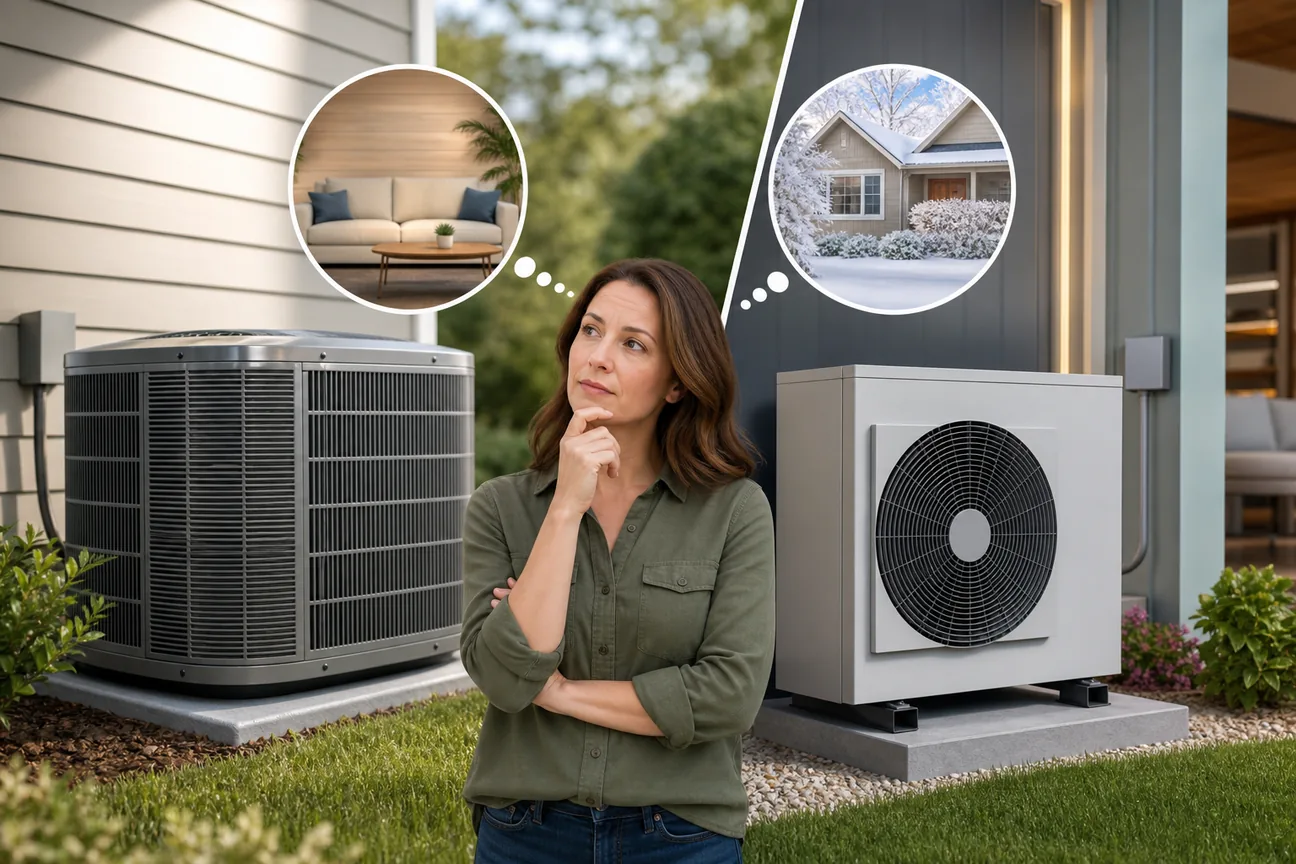
A conventional cooling system cools your home. A heat pump cools it and heats it, too. That single difference can change your equipment needs, winter comfort, and long-term energy costs in Northern California. Here are four strong options for homes across Placer and Nevada counties.
Table of Contents
1. Home Worx Heating and Cooling
Home Worx Heating and Cooling is the best fit when you want local help with a cooling system, heat pump, or project that pairs different heating and cooling equipment. We serve homeowners and small businesses across Placer and Nevada counties.
The central air vs heat pump decision starts with the home, not a sales pitch. We look at the current system, duct condition, insulation, electrical needs, and how the home holds heat during cold nights. That matters in foothill homes, where a system may face hot summer afternoons and sharp winter temperature drops in the same year.
We can help with system installation, repair, planned maintenance, and indoor air-quality work. Our team also provides 24/7 emergency repair and financing options. Financing terms vary, so ask for the current details before signing an agreement.
For example, a homeowner in Colfax may value stronger winter heat. A homeowner in Roseville may care more about summer cooling and lower electric use. A property manager in Lincoln may need easy service across several buildings. Those are different jobs, even when the equipment names sound alike.
We also check duct airflow before recommending a heat pump. A new outdoor unit cannot fix a crushed duct, a blocked return, or high static pressure. If airflow is poor, the system may run longer and leave some rooms too warm or too cold.
Key Takeaway:Home Worx Heating and Cooling is a good first stop when you need the equipment choice and the installation plan handled together.
The main limit is simple: no contractor can name the right system from a street address alone. A load check and site visit still matter. The best recommendation depends on the home’s size, shell, ducts, fuel setup, and comfort goals.
2. Cooling-First HVAC Setup with Separate Heating, Cooling-First Reliability
A cooling-first HVAC setup with separate heating is a familiar choice in a central air vs heat pump comparison. The cooling equipment handles summer comfort, while the heating equipment handles winter heat. Each system has one main job.
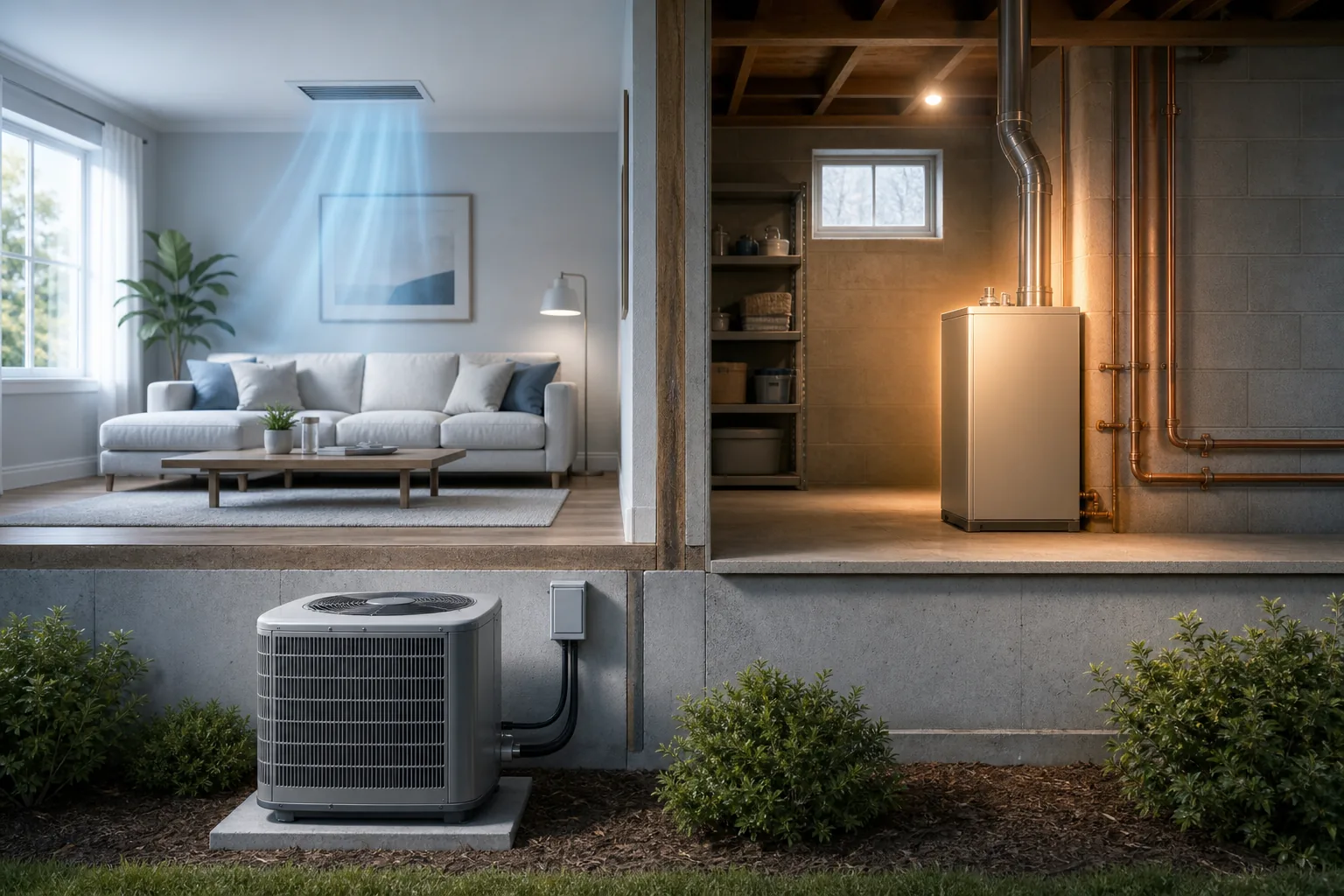
This setup fits homes that already have working ducts, a separate heating system, and a strong need for summer cooling. It can also make sense when winter heat is a higher priority than switching the home to electric heating.
In cooling mode, the outdoor cooling equipment moves heat out of the house through a refrigerant cycle. The indoor coil absorbs heat from indoor air. The blower then sends cooled air through the ducts. Separate heating equipment uses its own heat source in winter and sends warm air through those same ducts.
That split can make service familiar. A failed cooling system does not remove the heating system’s ability to heat the home. But it also means two separate pieces of equipment need care. Age, duct leakage, dirty coils, and a weak blower can affect comfort even when the thermostat looks fine.
You can see the main parts of the cooling cycle in our explanation of how this type of cooling system works . Understanding that cycle helps you ask better questions during an estimate, especially when a contractor suggests replacing only the outdoor unit.
Central cooling is often a good match for a home in Roseville or Lincoln that sees long, hot cooling seasons and already has sound heating equipment. Similar considerations apply in nearby towns where homeowners may value familiar cooling service.
Still, this option has a clear weakness. The cooling equipment cannot heat the home. If the heating equipment is near the end of its life, replacing the cooling side alone may delay a larger decision rather than solve it.
Choose this setup when reliable cooling is your first concern and the separate heating equipment still has useful life. If both systems are old, compare the full replacement plan before committing to a partial upgrade. For local guidance in the Sierra foothills, contact Home Worx Heating and Cooling.
3. Air-Source Heat Pump, One System for Heating and Cooling
An air-source heat pump is the strongest all-in-one option in a central air vs heat pump comparison. It moves heat instead of making heat through combustion. In summer, it moves indoor heat outside. In winter, it reverses the cycle and brings heat indoors.
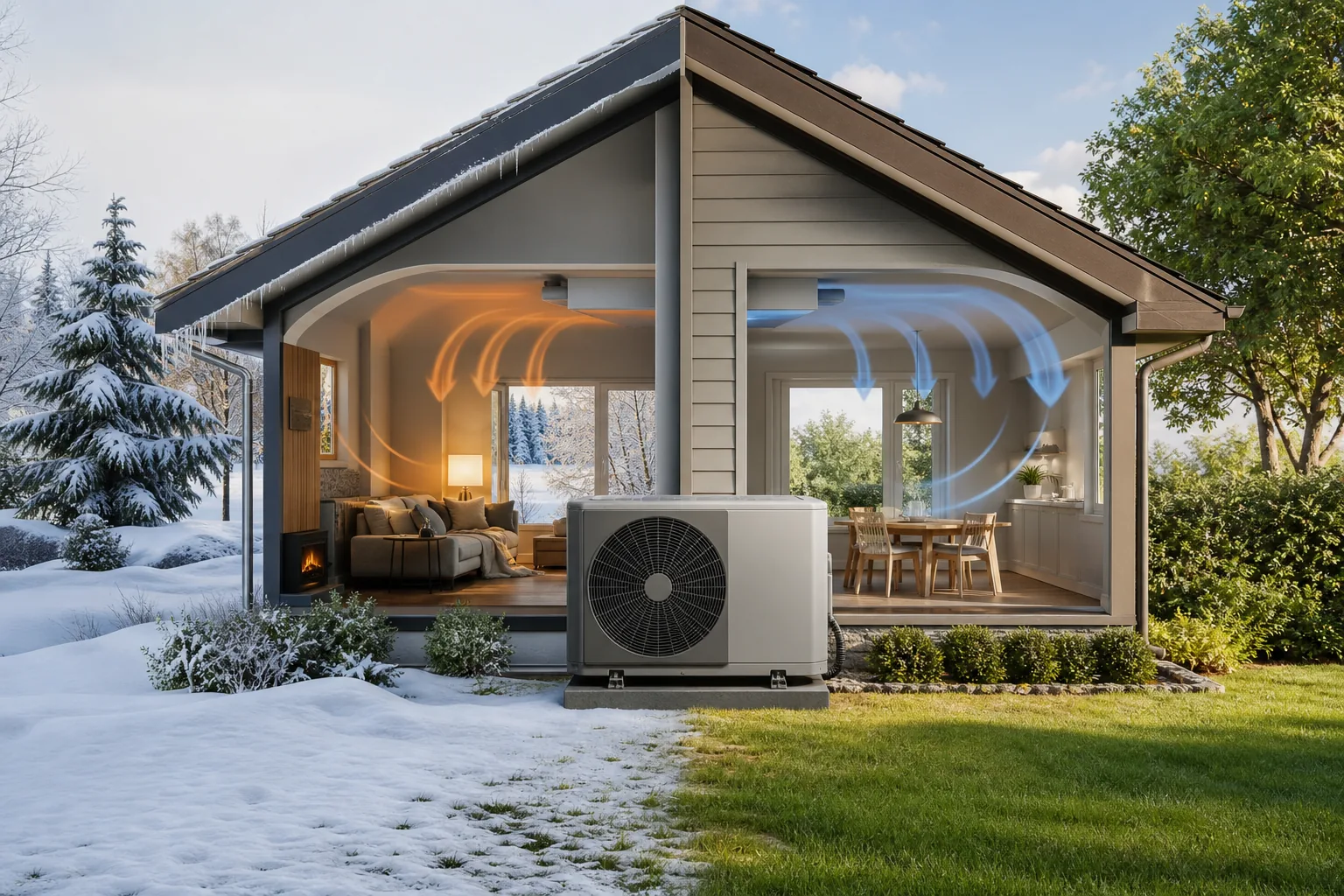
This can reduce the need for separate heating and cooling equipment. It also gives you one outdoor unit and one control system to manage. A ducted heat pump uses existing ducts when those ducts are correctly sized and sealed. A unit without duct connections may work better for an addition or a room with poor duct access.
Heat pumps need careful sizing. A unit that is too large may cycle often during mild weather. One that is too small may rely more on backup heat during cold spells. The contractor should review the home’s insulation, window load, duct airflow, and room-by-room comfort issues before choosing equipment.
Cold weather performance deserves close attention in the Sierra foothills. A heat pump may still heat well during winter, but output changes as outdoor temperatures fall. The control setup should explain when backup heat turns on and what that may do to electric use.
Current air-source heat pump guidance may include separate paths for cold-climate and cooling-dominated or dual-fuel applications. Check the current rules before counting a tax credit in your budget at air-source heat pump guidance .
Rebates and tax rules can change. Product eligibility also depends on the exact model and installation date. We recommend checking state, utility, and federal requirements before you approve the work, since an estimate based on an assumed rebate can miss the mark.
A heat pump can fit a Grass Valley or Penn Valley home that needs both heating and cooling from one system. It may also work well elsewhere in our service area when the owner wants to move away from a furnace. But the home still needs good airflow. A heat pump cannot correct leaky ducts or poor insulation by itself.
Pro Tip:Ask for the system’s heating capacity at the outdoor temperatures your home actually sees. A cooling efficiency rating alone does not tell you how it will heat in winter.
The main tradeoff is the power source. A heat pump uses electricity for both modes, so your utility rate and backup setup affect the ownership cost. If your current furnace is sound and your main goal is cooling, a separate cooling system may remain the simpler choice.
Contact Home Worx Heating and Cooling for local service.
4. Dual-Fuel Systems, Flexible Heating for Variable Winters
A dual-fuel system pairs electric heating with a gas furnace. It gives you two heating paths, which can help when winter conditions vary across Placer and Nevada counties.
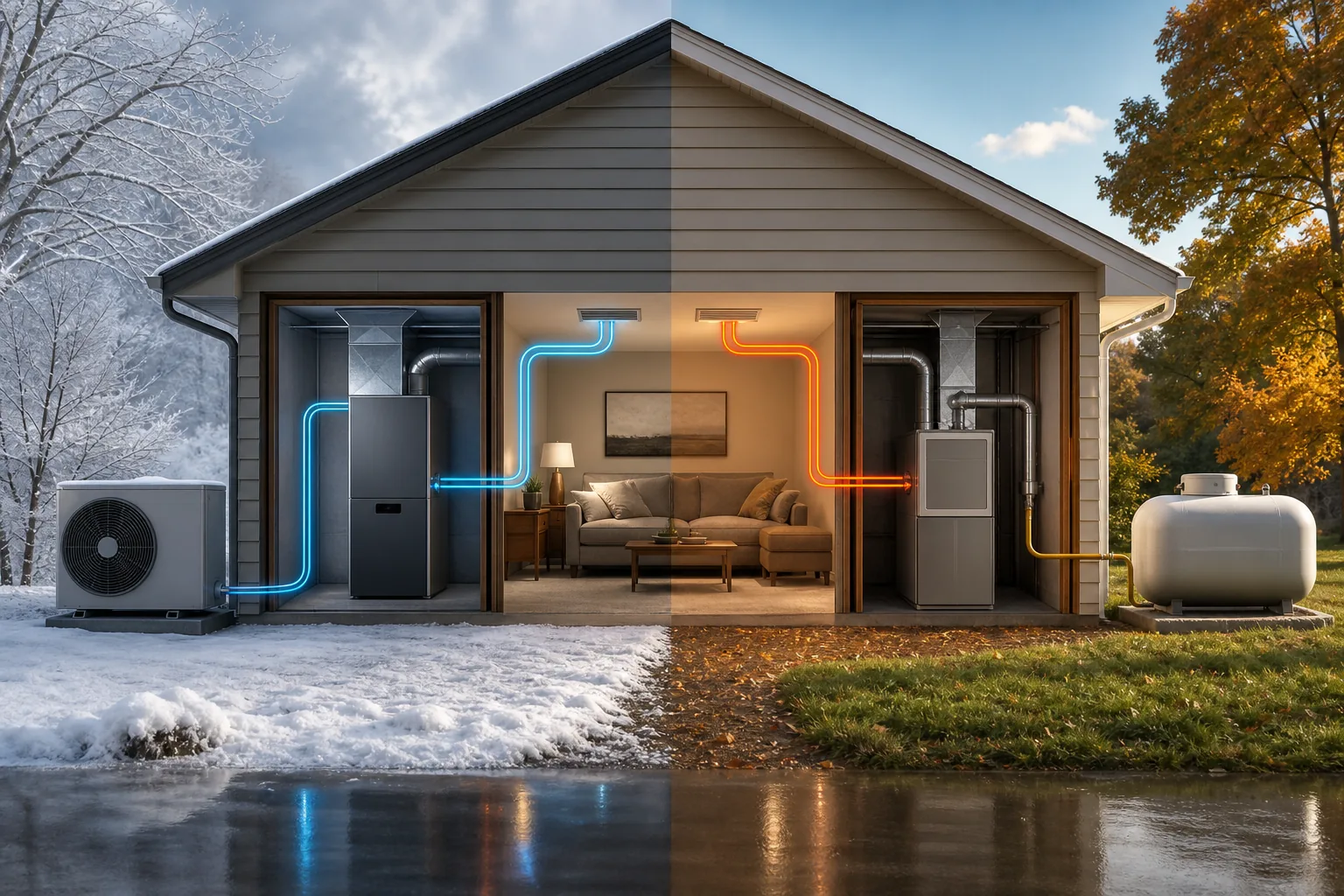
The electric system handles mild weather. When outdoor temperatures fall or operating costs favor gas, the control system can switch to the furnace. The cooling function comes from the electric system, so one outdoor unit handles summer cooling and much of the winter load.
This arrangement can suit a larger home in Colfax or a property in the higher foothills where winter demand is less predictable. It may also fit a homeowner who wants electric heating for much of the season but does not want to remove a working gas furnace.
There are more parts to plan. The installer must set the changeover point, confirm thermostat compatibility, check gas and electrical connections, and make sure the duct system can carry the required airflow. A poor changeover setting may send the home to backup heat too soon.
Home situation | Likely fit | Watch closely |
Working furnace with a worn-out air conditioner | Cooling equipment with the existing furnace | Future furnace replacement |
One system wanted for heating and cooling | Air-source heat pump | Winter capacity and backup heat |
Variable winter temperatures with gas already available | Dual-fuel system | Changeover controls and service needs |
Uneven rooms or weak existing ducts | Site-specific design review | Duct sizing, leakage, and static pressure |
Energy incentives may treat dual-fuel equipment differently from a standard heat pump. Eligibility rules and equipment lists must be checked before purchase. See the current federal guidance for air-source heat pump eligibility rather than relying on an old estimate.
A dual-fuel system can cost more to plan than a simple replacement because the controls and two fuel sources need to work together. It also may not make sense when the furnace is failing, the gas service is being removed, or the home has a strong reason to use electric equipment only.
For a homeowner in Rocklin or Auburn, the best choice may be a standard heat pump if winter loads are modest. For a colder Penn Valley or Grass Valley property, a dual-fuel system may provide a wider comfort margin. In Roseville and Lincoln, we would compare both designs against the home’s measured load and current utility rates.
If you want to compare the fuel choices in more detail, our guide to gas furnace versus heat pump cost in California can help frame the questions to bring to an estimate. The final answer still depends on the home and the equipment quote. Contact Home Worx Heating and Cooling for local service and a home-specific comparison.
FAQ
Is a heat pump better than a cooling-only system?
A heat pump is better when you want one system to provide heating and cooling. A cooling-only system is better when you mainly need cooling and already have a reliable furnace. For homes in Auburn, Rocklin, and Roseville, compare winter heating needs, duct condition, electric rates, gas service, and the age of your current equipment.
Does a heat pump work in Northern California?
Yes, a heat pump can work well in Northern California, including Colfax, Grass Valley, Penn Valley, and Lincoln, when it is sized for the home and matched to local winter conditions. Colder foothill homes may need supplemental heat. Ask for heating capacity at low outdoor temperatures, not only the system’s summer cooling rating.
Which costs less to run, a cooling-only system or a heat pump?
Neither system always costs less to run because utility rates, insulation, duct loss, equipment efficiency, and thermostat settings all affect the bill. A cooling-only system uses electricity for cooling while a furnace supplies separate heat. A heat pump uses electricity for both modes, so compare a full-year operating estimate.
Can a heat pump use existing ductwork?
Yes, a ducted heating-and-cooling system can often use existing ducts, but the ducts must support the required airflow. Leaks, tight returns, poor insulation, or high static pressure can reduce comfort. Have the duct system checked before installation, especially if some rooms already run hot or cold.
Should I replace my furnace and cooling system with a heat pump?
Replace both with a heat pump when the equipment is aging and you want one electric system for heating and cooling. Keep the furnace with a new heat pump when supplemental heat adds value during colder weather. A load review can show which plan fits your home and budget. For local guidance, contact Home Worx Heating and Cooling.
Conclusion
For most homeowners, the right choice depends on whether you need cooling only, one system for both modes, or extra winter flexibility. Start with a home load and duct review before comparing equipment. Home Worx Heating and Cooling can assess your property and discuss options for Auburn, Colfax, Rocklin, Roseville, Grass Valley, Penn Valley, and Lincoln.