
Best Temperature for AC in Summer: 10 Settings
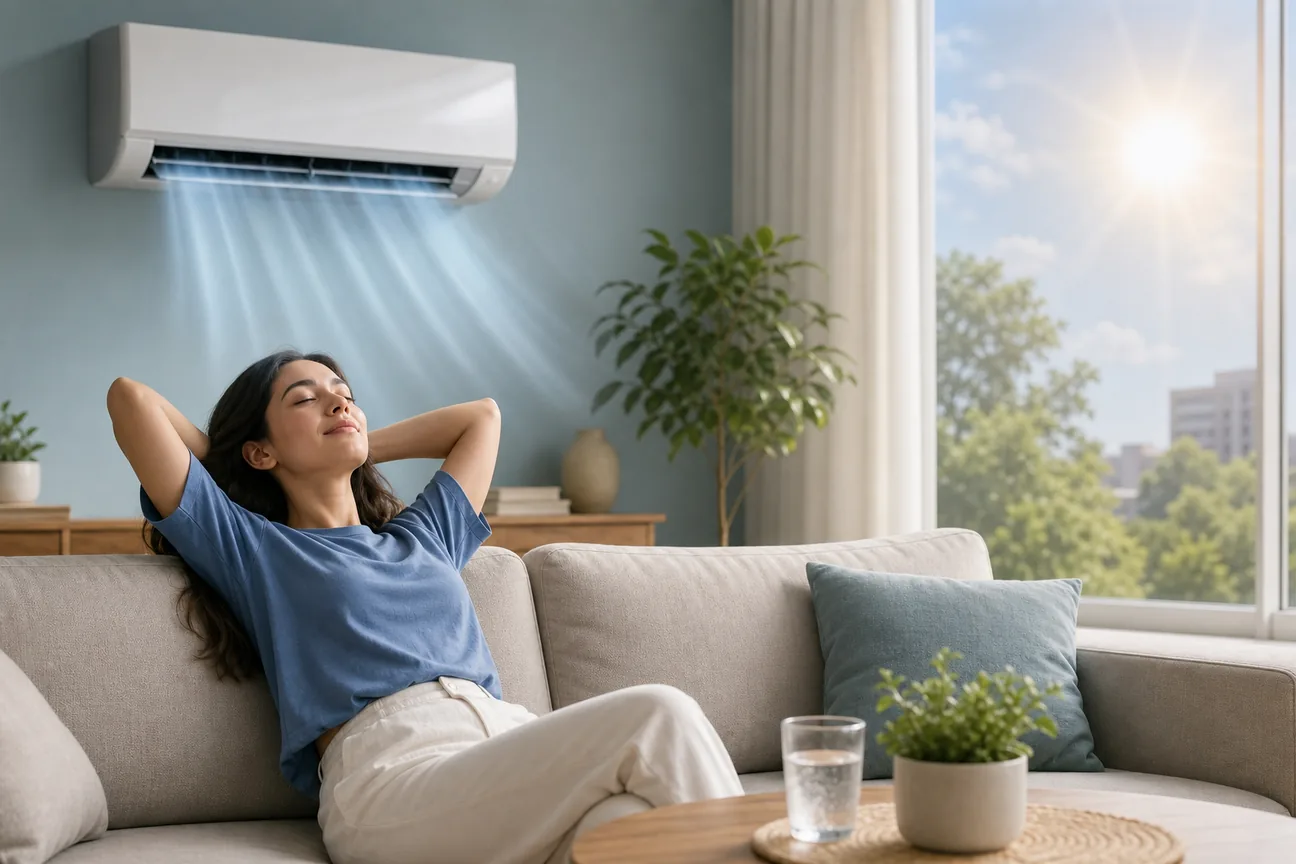
The best temperature for AC in summer isn't always 72°F. For many Northern California homes, 78°F while you're home works better for the comfort and cost tradeoff. Here are 10 settings and modes to match your day, your sleep needs, and the heat outside.
Table of Contents
1. Home Worx Heating and Cooling
Home Worx Heating and Cooling is the local HVAC choice for homeowners who want the whole system checked, not just a thermostat number changed. We serve Auburn, Colfax, Rocklin, Roseville, Grass Valley, Penn Valley, and Lincoln, along with nearby Placer and Nevada County communities.
We can help set up a programmable thermostat, check airflow, tune up the AC, and find out why one room feels warmer than the rest. That matters because a thermostat set to 78°F won't feel comfortable if the filter is packed with dust, a duct leaks in the attic, or the system has an airflow problem.
Our team also works on indoor air quality, system replacements, and other HVAC services. Financing options are available for qualifying customers, and maintenance plans can help you prepare before a long hot spell arrives.
Choose this option when your setting seems right but the house still feels hot, damp, dusty, or uneven. A service check may save more trouble than lowering the thermostat another five degrees. Contact Home Worx Heating and Cooling for local service.
2. 75-78°F, The everyday daytime comfort range
For most homes, 75°F to 78°F is a practical summer daytime range when people are home and awake. It balances comfort and cost for communities from Auburn and Colfax to Rocklin and Roseville.
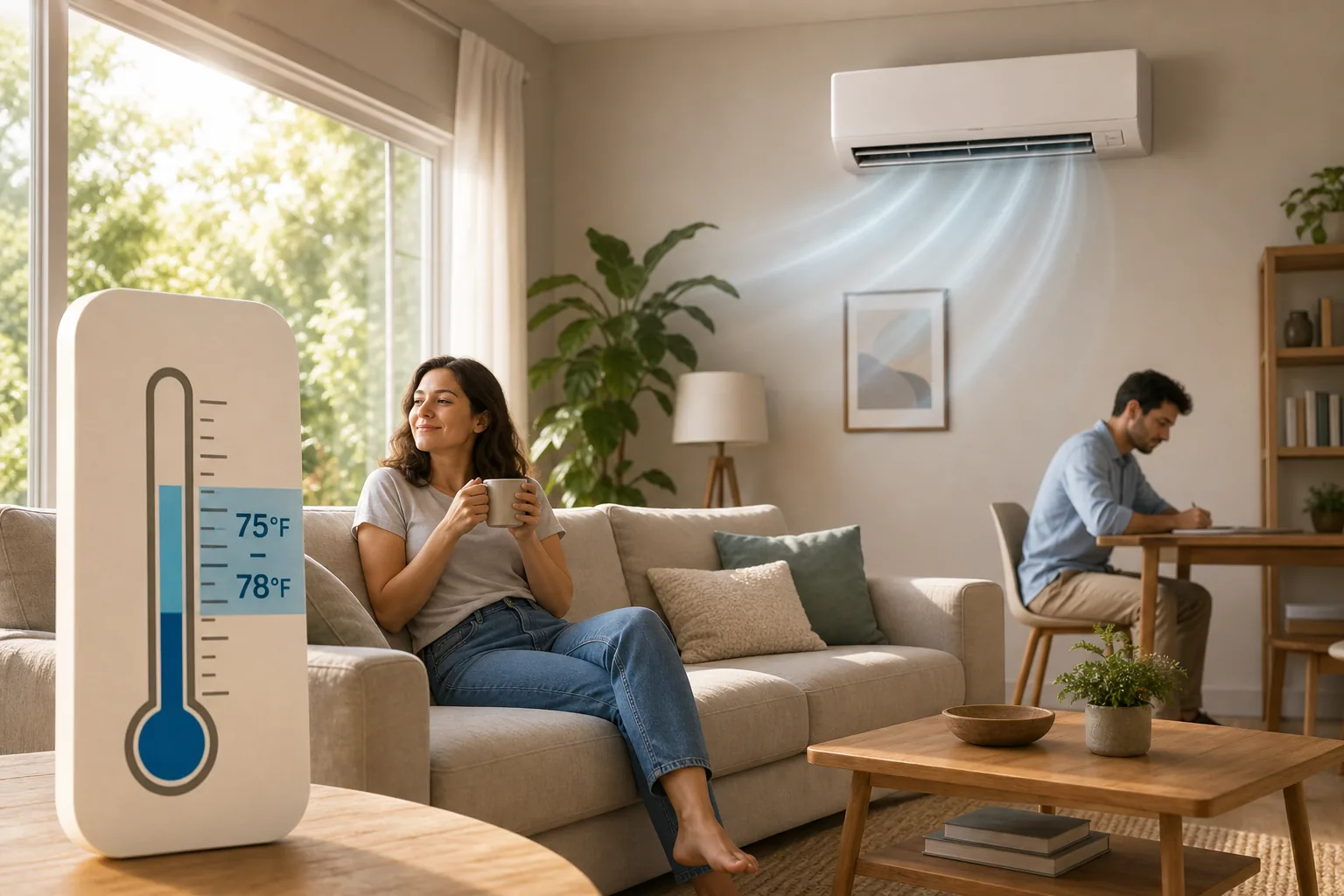
Start at 78°F for a few days. If that feels warm, try 77°F. Move in one-degree changes rather than dropping straight to 70°F. In Grass Valley, Penn Valley and Lincoln, close blinds on west-facing windows during the afternoon, then use a ceiling fan where people sit.
Temperature setbacks during long periods when the home is empty can reduce cooling demand; see thermostat information. For a fuller schedule, our summer AC temperature recommendations use 78°F at home, a higher setting while away, and a modest nighttime change.
For local guidance, contact Home Worx Heating and Cooling.
3. 78°F, A California inland-valley baseline
At 78°F, your thermostat uses a strong default for the best temperature for AC in summer across inland California. It fits the hot, dry pattern found in parts of the Sacramento Valley and the Sierra foothills, where afternoons can become much hotter than mornings.
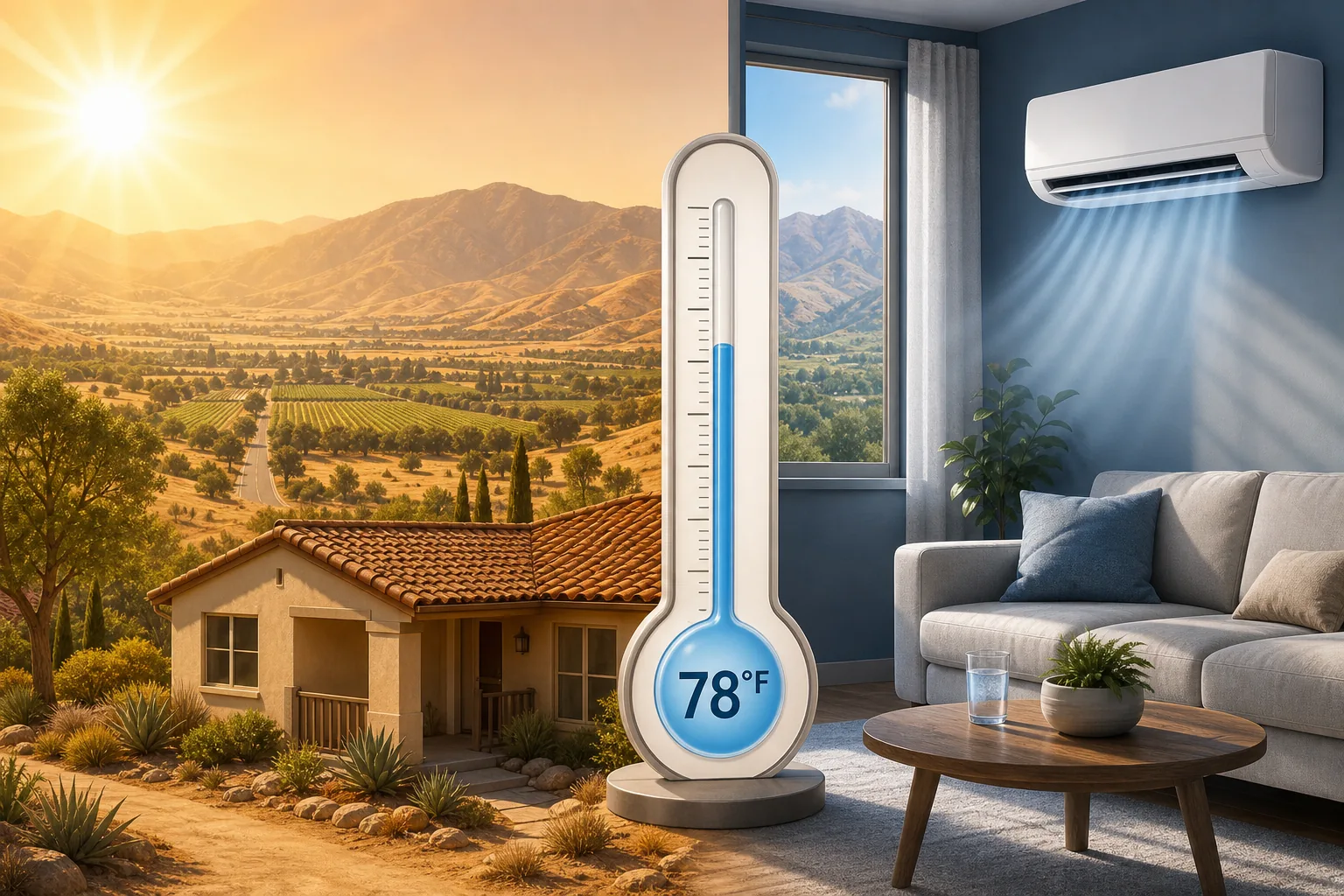
Energy guidance reported for California says each degree above 78°F may reduce cooling costs by about 2%. Other reporting cites about 3% per degree as a rough rule. Treat those figures as estimates, not a promise for your bill.
Your home still matters. A shaded, well-sealed house may feel fine at 78°F. A top-floor room with poor insulation may need a lower setting during the hottest part of the day. In Rocklin and Roseville, afternoon sun can make west-facing rooms feel warmer than the thermostat reading suggests.
Keep the setting steady during the peak heat instead of chasing the temperature every hour. If the system runs for long stretches without reaching 78°F, have the equipment and ductwork checked.
4. 80°F, A lower-cost setting around a 90°F outdoor temperature
80°F can work when outdoor temperatures sit near 90°F and the home has good airflow. The larger indoor setpoint gives the AC a break, especially in rooms that are empty during the day.
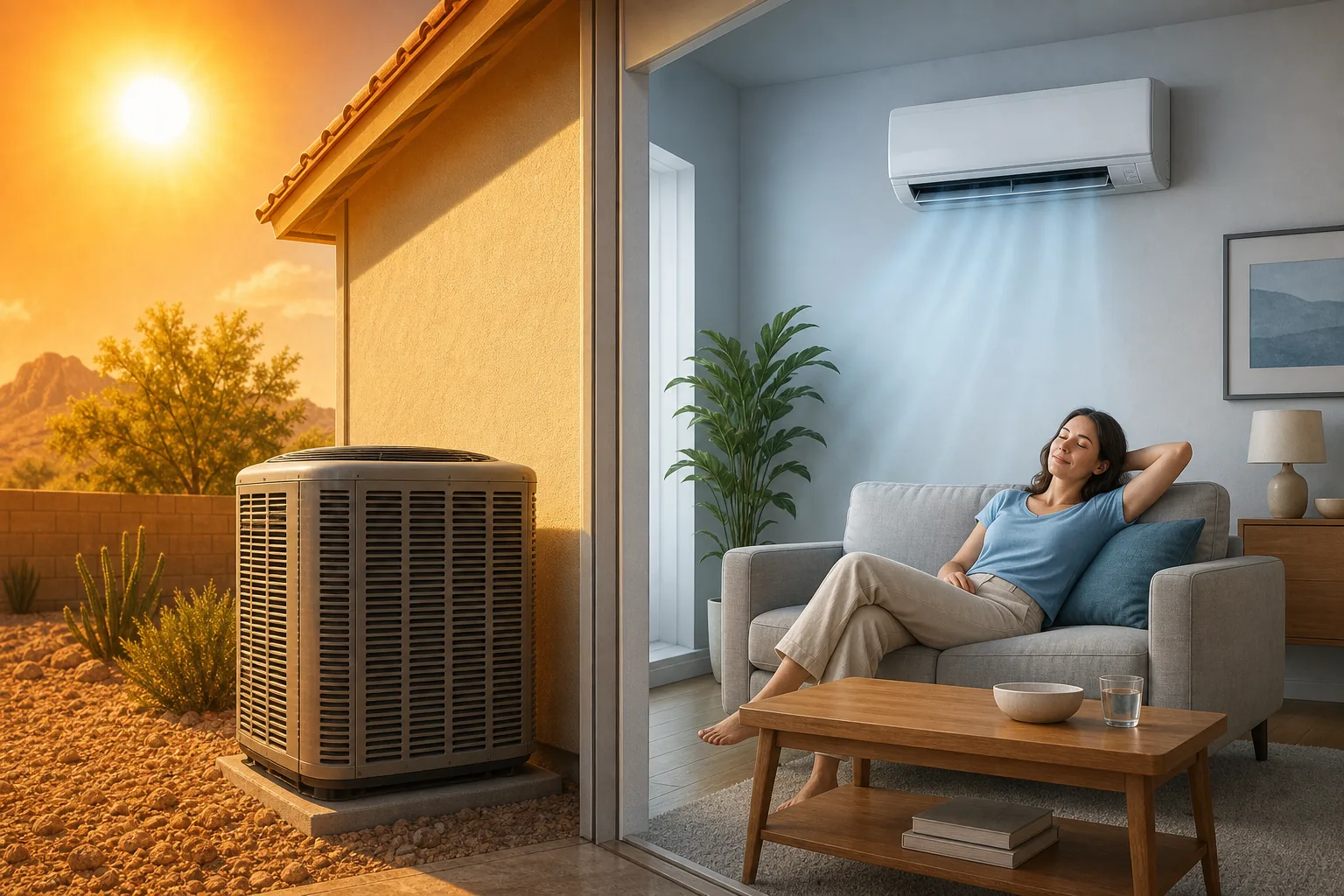
This setting works best with light clothing, closed shades, and a fan aimed at occupied areas. A fan changes how your skin feels, but it doesn't cool an empty room. Turn it off when you leave.
Don't set the thermostat to 65°F to cool the home faster. General thermostat guidance explains that a colder setting won't make the system cool faster. It only tells the AC to run longer.
Use 80°F as a trial setting during a hot afternoon. If anyone feels unsafe or unwell, lower it and focus on the equipment, shade, and airflow instead of forcing a number.
5. 82°F, A moderate nighttime setback
82°F is a useful nighttime setback for people who sleep comfortably with a ceiling fan or lighter bedding. ENERGY STAR guidance cited in the research recommends raising the sleeping setpoint about four degrees above the daytime setting.
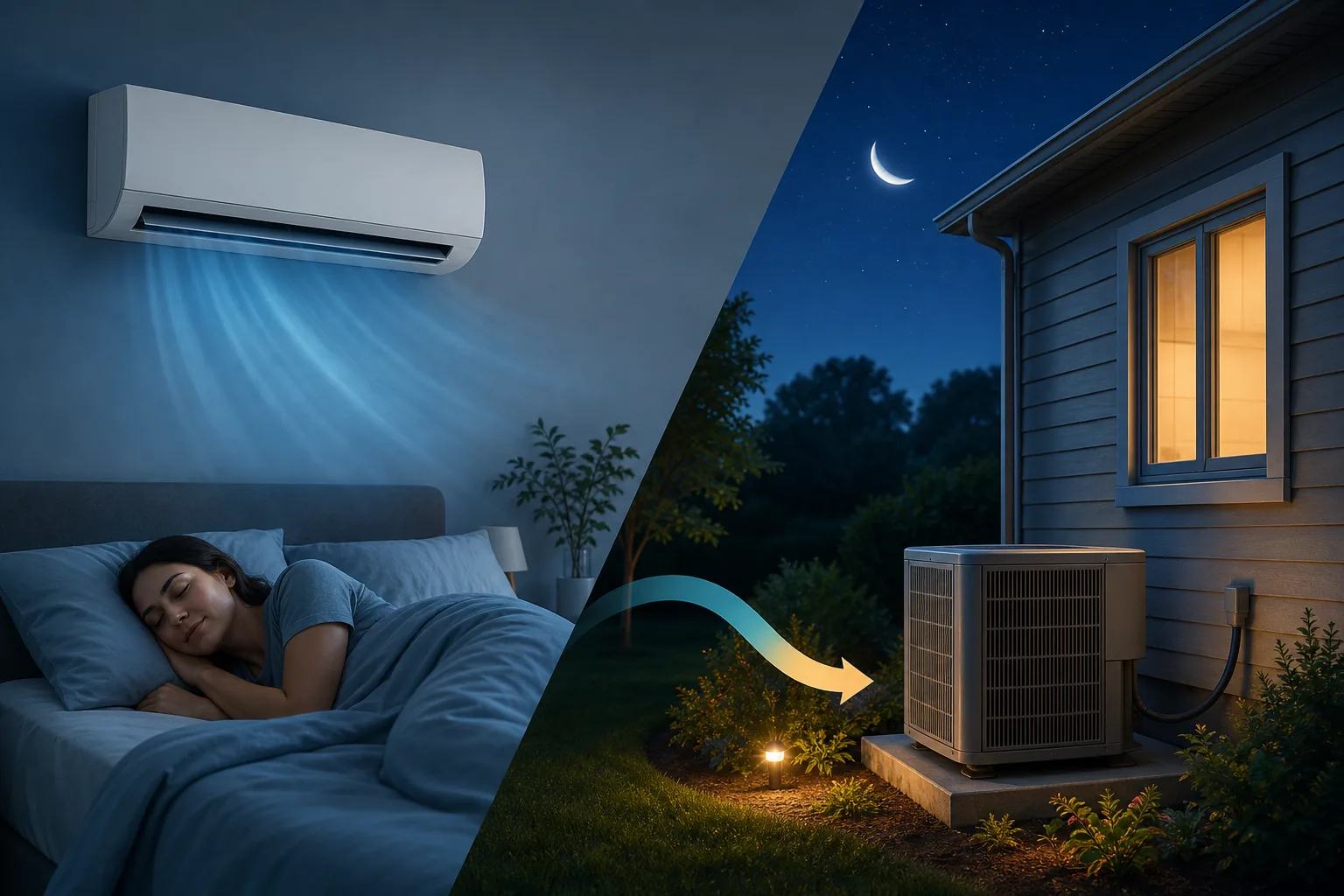
If your daytime setting is 78°F, try 82°F at bedtime. Start cooling the bedroom before sleep if the room holds heat after sunset. In Colfax or Grass Valley, outdoor air may cool quickly after dark, so you may be able to shut the AC off and use safe natural ventilation on mild nights.
Humidity changes the answer. A room at 78°F with low moisture can feel better than a room at 74°F that feels damp. If the house feels clammy, check the system rather than simply lowering the thermostat.
A programmable thermostat can make this change on its own. Home Worx Heating and Cooling can help with thermostat setup when a schedule is hard to program or the old control does not respond well.
For more system checks, our summer HVAC maintenance checklist covers filters, airflow, and seasonal care.
6. 85°F, The away-from-home energy-saving setting
85°F is a common away setting when nobody will be home for several hours. It reduces cooling time without leaving the house fully unconditioned.
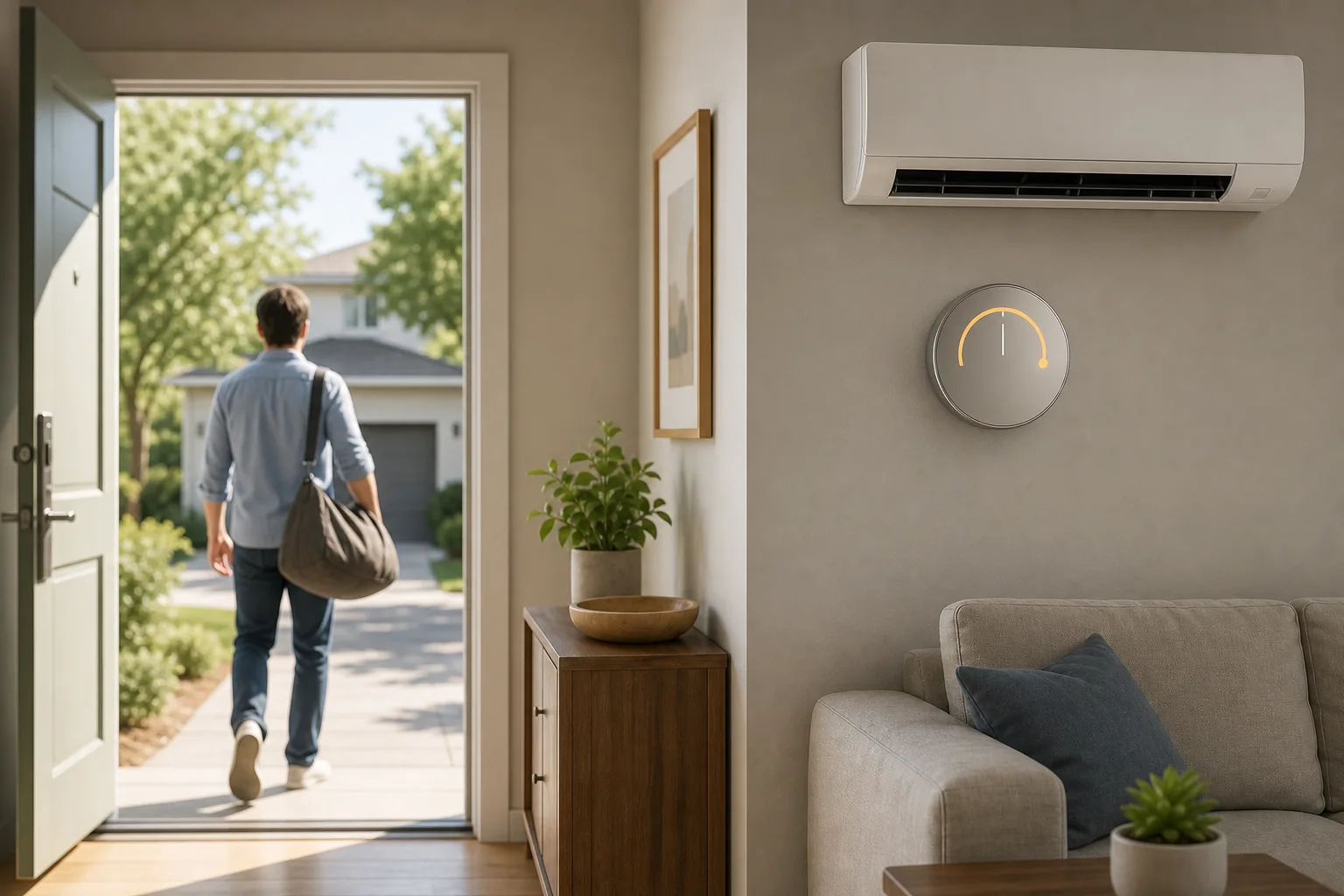
The key is to raise the setting, not shut the AC off for every trip. A completely hot house may take a long time to recover. Heat and moisture can also affect wood, electronics, artwork, and stored items.
The ENERGY STAR smart thermostat guidance supports automatic schedules that raise the setpoint while you're away and return it before you get home. A basic programmable model can do the same if your routine stays fixed.
For a normal workday, 82°F may be enough if someone returns soon. For a full day away, 85°F is a better starting point. For a long trip, keep the AC able to run from time to time so indoor moisture does not climb too far.
Set the return time early enough for the home to cool before you arrive. Don't come home and slam the setting down to 65°F. That won't speed the recovery.
7. 65-70°F, A cooler sleep preference with higher energy use
65°F to 70°F suits people who sleep hot or need a cooler bedroom. It is a bedroom setting, not a strong default for the whole house.
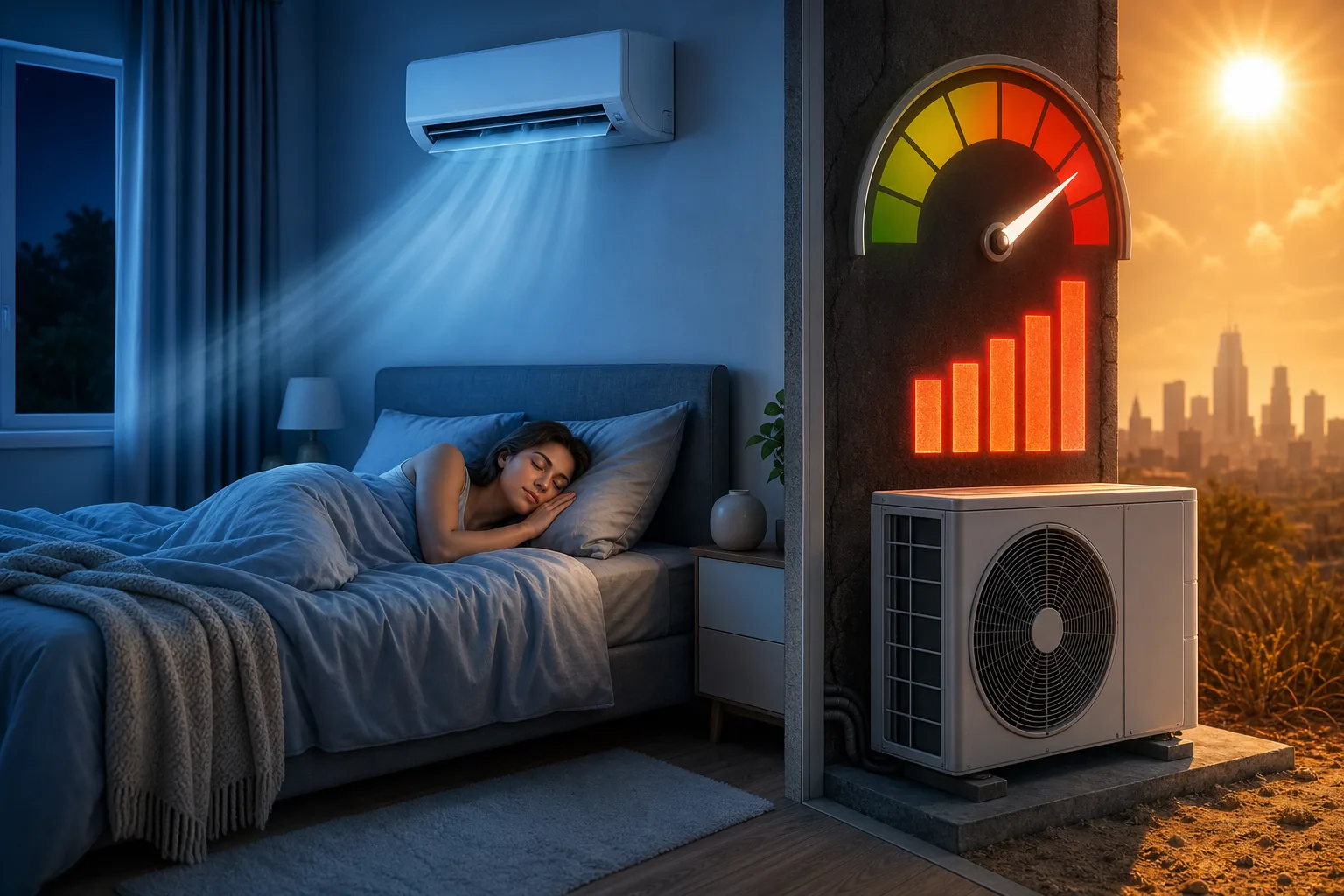
Cooling the bedroom can help with sleep comfort, while lower humidity can make the same temperature feel less sticky. Ceiling fans add moving air, so you may be comfortable at 68°F instead of pushing the AC lower.
There is a tradeoff. Holding 65°F all night creates a larger gap between indoor and outdoor air. The system runs more, and the bill will usually rise compared with an 80°F to 82°F sleep setting.
Watch for dry throat, nasal irritation, or a room that feels cold rather than restful. If the AC struggles to hold the setpoint, the issue may be system size, duct airflow, insulation, or maintenance.
8. 77-78°F, An evening setting paired with natural cooling
77°F to 78°F can work well in the evening when the sun drops and outdoor air cools. This is a good bridge setting before you turn the AC off or move to a sleep schedule.
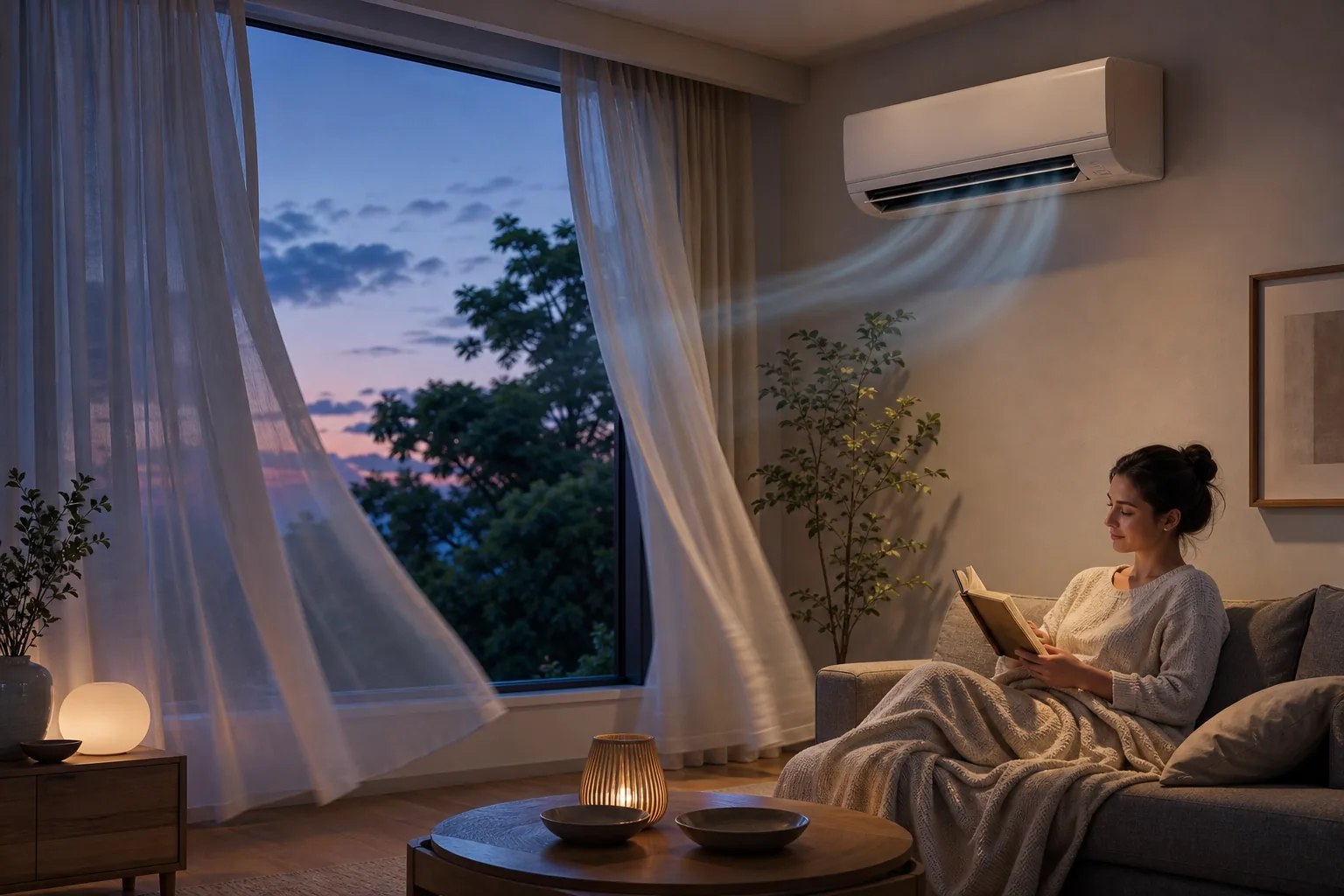
Open windows only when outdoor air is cooler and clean enough for your household. Close them again before the next hot period starts. Keep west-facing blinds closed until the sun is low.
Ceiling fans should spin counterclockwise in summer on most models. The breeze cools people, not the room, so switch the fan off in an empty space.
Homes in Penn Valley may cool faster after sunset than homes in denser parts of Roseville. Watch the indoor temperature instead of following a fixed rule every night.
9. 72-74°F, A high-comfort setting for heat-sensitive occupants
72°F to 74°F is a reasonable comfort range for people who feel heat strongly. Older adults, young children, and anyone with a health concern may need a cooler home, so comfort and safety come first.
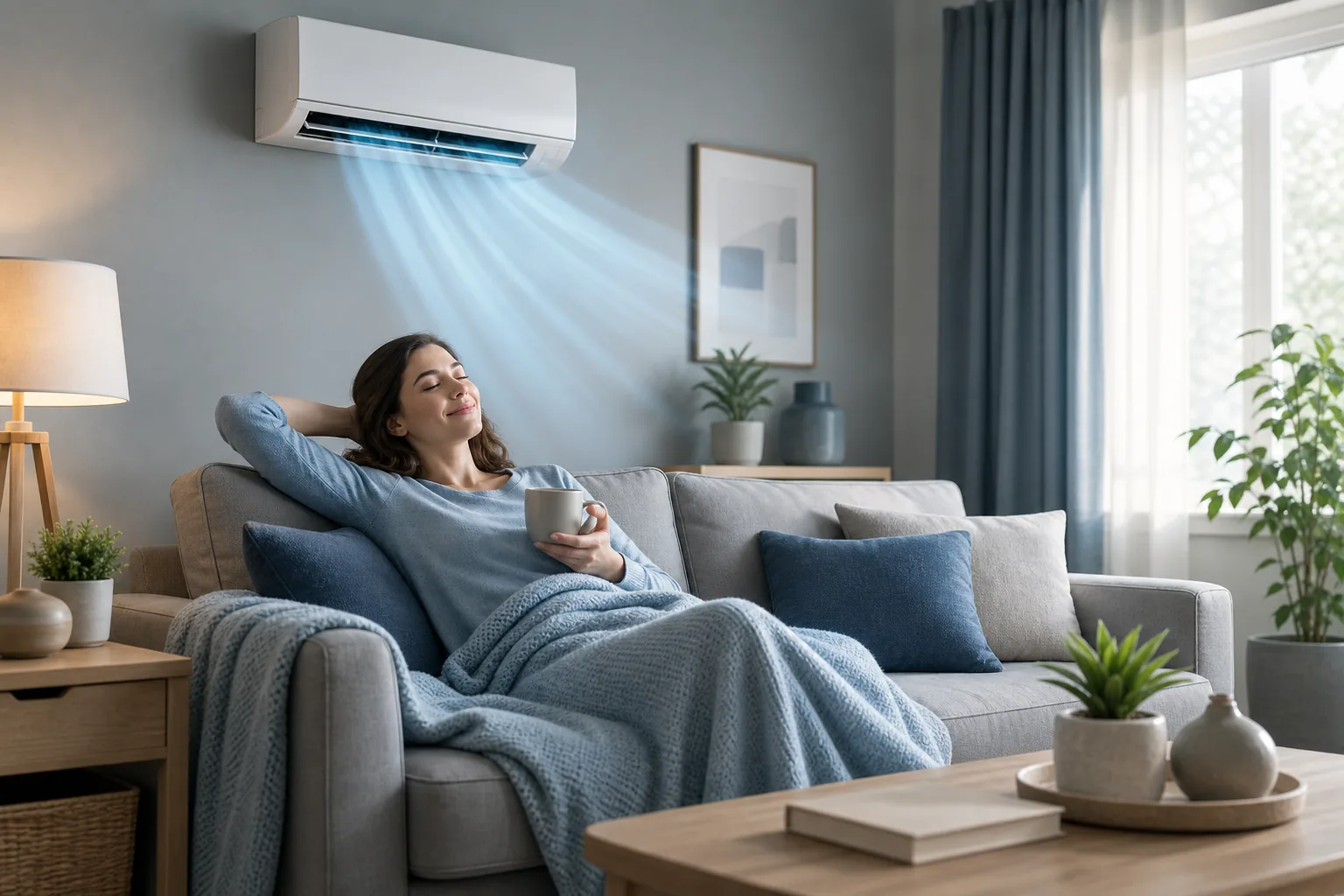
This setting costs more than 77°F or 78°F because the AC must hold a larger difference from hot outdoor air. It may still be the right choice for a room that receives strong afternoon sun or for someone who cannot tolerate heat well.
Lower the setting one degree at a time. If 74°F feels as good as 72°F, keep the higher number. Check humidity too, since a damp room may feel warmer even when the thermostat reads 74°F.
If one person wants 70°F and another wants 78°F, consider zoning or a ductless unit for the bedroom rather than cooling the whole home to the lowest preference.
10. Auto fan mode, The efficient everyday blower setting
Auto fan mode runs the indoor blower when the AC calls for cooling. For most homes, it is the best everyday blower setting because the fan stops after the cooling cycle ends.
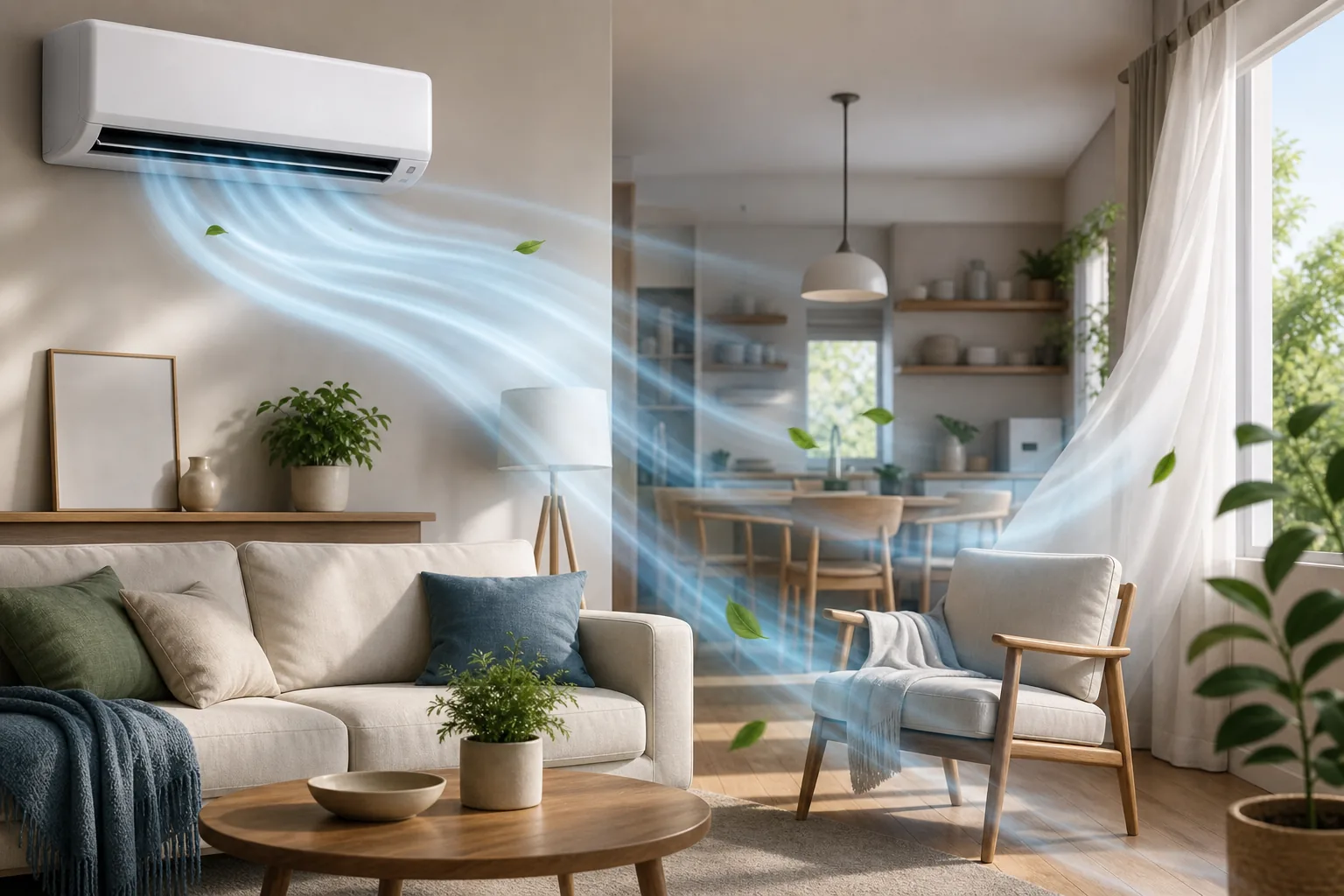
The On setting keeps the blower running between cycles. That can even out rooms in a two-story home, but it may blow room-temperature air after the coil stops cooling. Some households also use continuous circulation to move air through a filter.
Try Auto first. If the upstairs stays hot, have the return vents and ductwork checked before leaving the blower on all day. A fan cannot fix a crushed duct or a blocked filter.
Change the filter on the schedule that fits your home. Dust, pets, smoke, and heavy use can shorten the time between changes. Home Worx Heating and Cooling can check airflow and system performance during a seasonal tune-up.
Compare the 10 summer AC settings at a glance
Setting or mode | Best use | Main advantage | Watch for |
Home Worx Heating and Cooling | System or thermostat problems | Local service and setup help | Needs an inspection when comfort is uneven |
75-78°F | Home during the day | Comfort with lower cooling demand | May feel warm in a humid room |
78°F | Inland California baseline | Strong starting point | Sun and insulation still matter |
80°F | Hot afternoon near 90°F outside | Less runtime | Needs fans or shade for some rooms |
82°F | Sleep | Moderate setback | Not enough for every sleeper |
85°F | Empty home | Lower energy use | Don't use it if indoor moisture rises |
65-70°F | Cool bedroom preference | Strong sleep comfort | Higher energy use |
77-78°F | Evening with cool outdoor air | Pairs with natural cooling | Close windows before heat returns |
72-74°F | Heat-sensitive occupants | Higher comfort | Costs more than warmer settings |
Auto fan | Daily blower control | Blower runs with cooling | May not fix uneven rooms |
Use the table as a starting point, not a rigid rule. The right choice depends on who is home, how hot it is outside, and whether the system can control moisture.
FAQ: Best temperature for AC in summer
What temperature should I set my AC to in summer?
Set your AC near 78°F when you're home and awake, then adjust by one degree for comfort. Many Northern California homes can use 80°F to 82°F at night and about 85°F while away. If 78°F feels hot, check humidity, airflow, window sun, and system condition before dropping the thermostat sharply.
Is 78°F really the best summer AC setting?
78°F is a strong starting point, but it isn't right for every household. It works well for many people when the home has good airflow and controlled humidity. A heat-sensitive occupant may need 72°F to 74°F, while a household with fans and shade may stay comfortable at 80°F.
What temperature should I leave my AC at when I’m away?
Set the thermostat around 85°F when you're away for much of the day. That is high enough to reduce cooling time but low enough to let the system cycle from time to time. Avoid turning the AC fully off during long hot periods if heat or indoor moisture could damage the home.
Should I turn the AC off at night?
You can turn the AC off at night when outdoor air is cooler and windows can be opened safely. Otherwise, try 80°F to 82°F with a ceiling fan. A bedroom may need 65°F to 70°F for sleep, but that cooler choice uses more energy than a moderate nighttime setback.
Does setting the AC lower cool a house faster?
No, setting the AC to 65°F won't cool the house faster. It only makes the system run longer toward a colder target. Use a schedule that starts cooling before you return, then keep the setpoint near your normal comfort range. If recovery takes too long, the system may need service.
Conclusion
Start with 78°F at home, try 82°F while sleeping, and use 85°F when the house is empty. Raise or lower the setting in small steps, then check airflow and humidity if comfort still feels off. For local thermostat setup, AC maintenance, or repair in Auburn, Colfax, Rocklin, Roseville, Grass Valley, Penn Valley, or Lincoln, contact Home Worx Heating and Cooling for a clear next step.