
ENERGY STAR Thermostat Rebates: Eligibility and Savings
A smart thermostat may qualify for a utility rebate, but the ENERGY STAR label alone doesn’t guarantee one. In California, offers and deadlines depend on your utility, your home, and the exact thermostat model. Here’s how to check the rules before you buy and keep your paperwork in order.
We compared the current smart thermostat rebate terms posted by five California electric utilities: PG&E, SCE, SMUD, LADWP, and SDG&E. Posted amounts ranged from $50 at SMUD to $125 at LADWP, and SDG&E's own thermostat program has been closed since December 31, 2023. PG&E requires a 90-day filing window after installation, while SCE ties its $75 credit to demand-response enrollment. The same ENERGY STAR certified model can pay $125 at one utility and nothing at a neighboring one.
Table of Contents
What ENERGY STAR Certification Means for Smart Thermostats
An ENERGY STAR thermostat rebate usually applies to a smart thermostat that meets the program’s product rules. ENERGY STAR certification means the thermostat has met efficiency criteria based on real use, rather than a claim made only from lab tests.
The label doesn’t promise that every certified model qualifies for every local offer. A utility may use its own approved product list or require a feature such as demand response, which lets a utility make small adjustments during periods of high energy demand. Check the exact model number against the program terms before you buy.
Thermostat performance can vary with local weather, how often the home is occupied, and the type of heating and cooling system.
A smart thermostat can follow a schedule and let you adjust settings remotely. That helps when plans change, but it won’t fix a poorly sized system or a room with weak airflow. Homes with variable-capacity heat pumps may also need a thermostat recommended for that equipment.
In Auburn, Colfax, Rocklin and Roseville, hot summers and cold winters can shape thermostat schedules.
If you’re weighing the device cost against likely bill savings, our guide to smart thermostat value for local homes covers compatibility and comfort factors. Homeowners in Grass Valley, Penn Valley and Lincoln can contact Home Worx Heating and Cooling for local guidance.
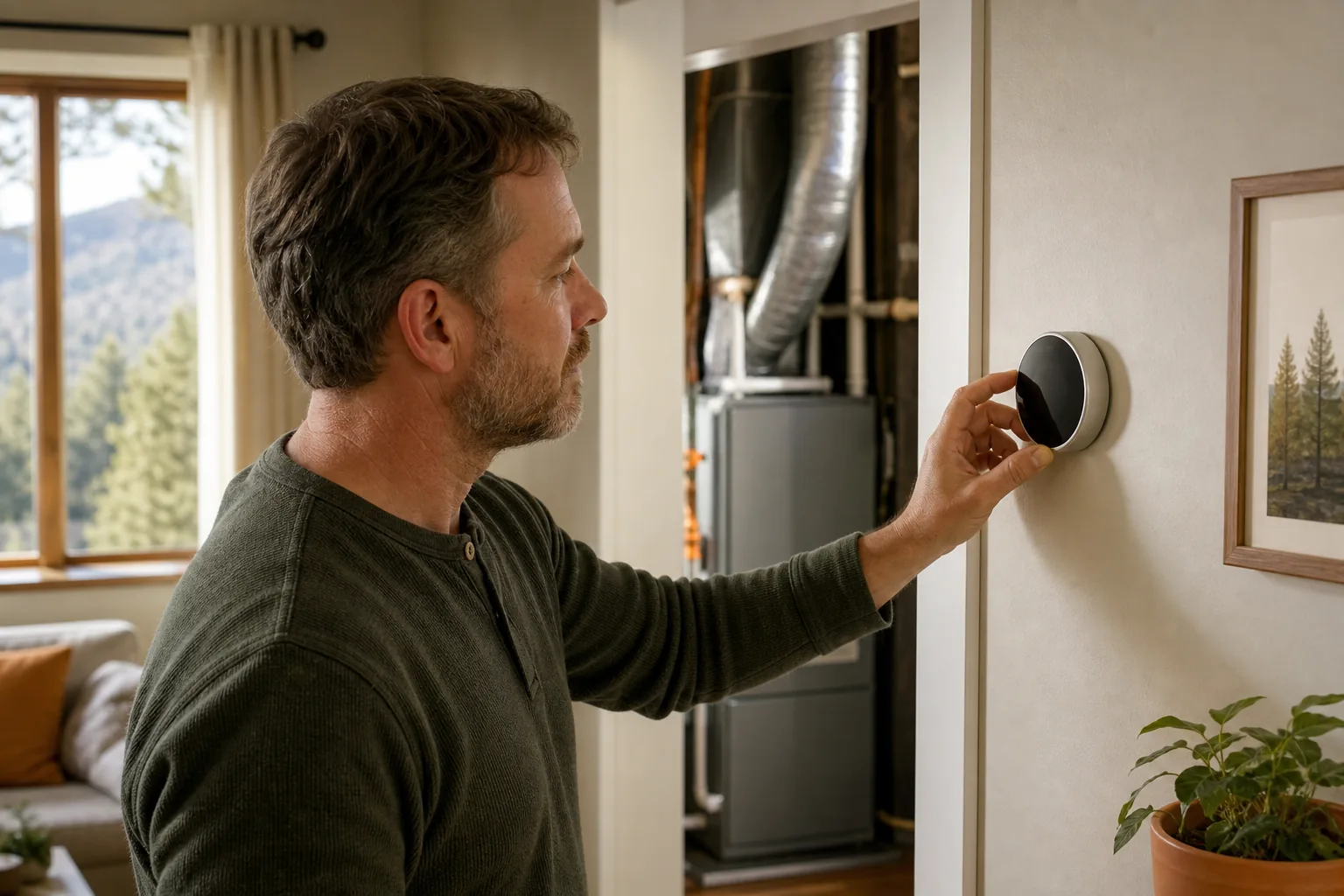
Who and What May Qualify for a Thermostat Rebate
Most utility offers require an active account with the utility that funds the rebate, plus a thermostat that meets its product rules. Some programs also limit the offer by property type, installation date, or number of devices. Confirm those details before ordering, especially if your utility bill is included in rent.
For a typical residential claim, expect to show that you bought and installed the eligible model at an address in the utility’s service area. A program may require a newly purchased device, rather than an upgrade from one smart thermostat to another. It may also exclude new construction or require an existing thermostat to be replaced.
Rules can vary even within California. A homeowner in Colfax may have a different offer than someone in Roseville because their electric utility may differ. Small-business owners and property managers should ask about commercial terms instead of assuming a residential rebate applies.
Some commercial programs set a minimum number of units for a bulk installation. That’s a distinct program type, not a standard household rebate; verify current terms with the utility.
Home Worx Heating and Cooling serves homeowners and property owners in Auburn, Colfax, Rocklin, Roseville, Grass Valley, Penn Valley, and Lincoln. We can help you consider whether a thermostat installation fits your HVAC system, but the rebate administrator decides eligibility.
How California Utility Rebates Work and What They May Pay
In California, thermostat rebates are set by individual utilities and local programs. Many disclosed offers fall between $50 and $120. Those figures can change, and they don’t mean every customer or model qualifies.
Some offers have a base amount with a bonus for eligible households. Others may require professional installation or enrollment in a demand-response program. If an offer mentions an approved model list, match the model number exactly. A thermostat that looks similar may not meet the program’s terms.
Don’t count an incentive until you’ve checked that the program is open and confirmed how it handles other discounts. Utility rebates, local incentives, and tax rules can follow different terms. Federal tax-credit rules can change, so verify current federal guidance before including a credit in your budget.
PG&E notes that each incentive program has its own eligibility rules and that applications are often completed by a contractor for its clean-energy incentives. Those details don’t establish a thermostat rebate, but they show why you should check the specific offer. PG&E’s incentive program information is one official place to review program-specific terms.
For a broader look at California incentives tied to heating and cooling equipment, see our overview of California HVAC rebate options . Thermostat incentives may have different rules from major equipment rebates, so check each program separately.
Deadlines matter. Program windows can be as short as 60 days or as long as 180 days, and funding may run out before a posted end date. Some offers have listed end dates in 2026, while at least one municipal offer was listed through August. Since that date has passed, confirm whether any offer is still open before you plan around it.
Key takeaway:Treat every rebate amount and end date as provisional until the utility confirms the exact device and application rules.
For local rebate guidance in Auburn, Colfax, Rocklin, Roseville, Grass Valley, Penn Valley and Lincoln, contact Home Worx Heating and Cooling.
Finding an Offer, Applying, and Avoiding Rebate Delays
Start with the electric utility shown on your bill. Search its official website for thermostat rebates, then check the ENERGY STAR rebate finder for local offers. Read the full terms. A search result or summary may not show model restrictions, account requirements, or the final date to submit.
Before buying, save the offer details and check whether the application window starts on the purchase date or installation date. Ask if the utility requires a participating contractor, a demand-response sign-up, or a certain installation method. When the rules aren’t clear, ask the program administrator to confirm them in writing.
Keep the proof the application asks for. Common items include an itemized receipt, the thermostat model number, proof of installation, and an active utility account. Some programs ask for an invoice or a photo. Don’t assume that a payment confirmation alone will be enough.
Save the program terms and deadline when you confirm eligibility.
Keep the receipt and invoice with the model number visible.
Submit through the stated portal or form, then save the confirmation.
Check for a follow-up request and respond before its due date.
Home Worx Heating and Cooling provides thermostat installation service and can assist with rebate paperwork, based on the program’s requirements. We can’t promise an approval, since the utility makes that decision. If you’re also comparing installation costs, our thermostat installation cost guide explains factors that can affect the work.
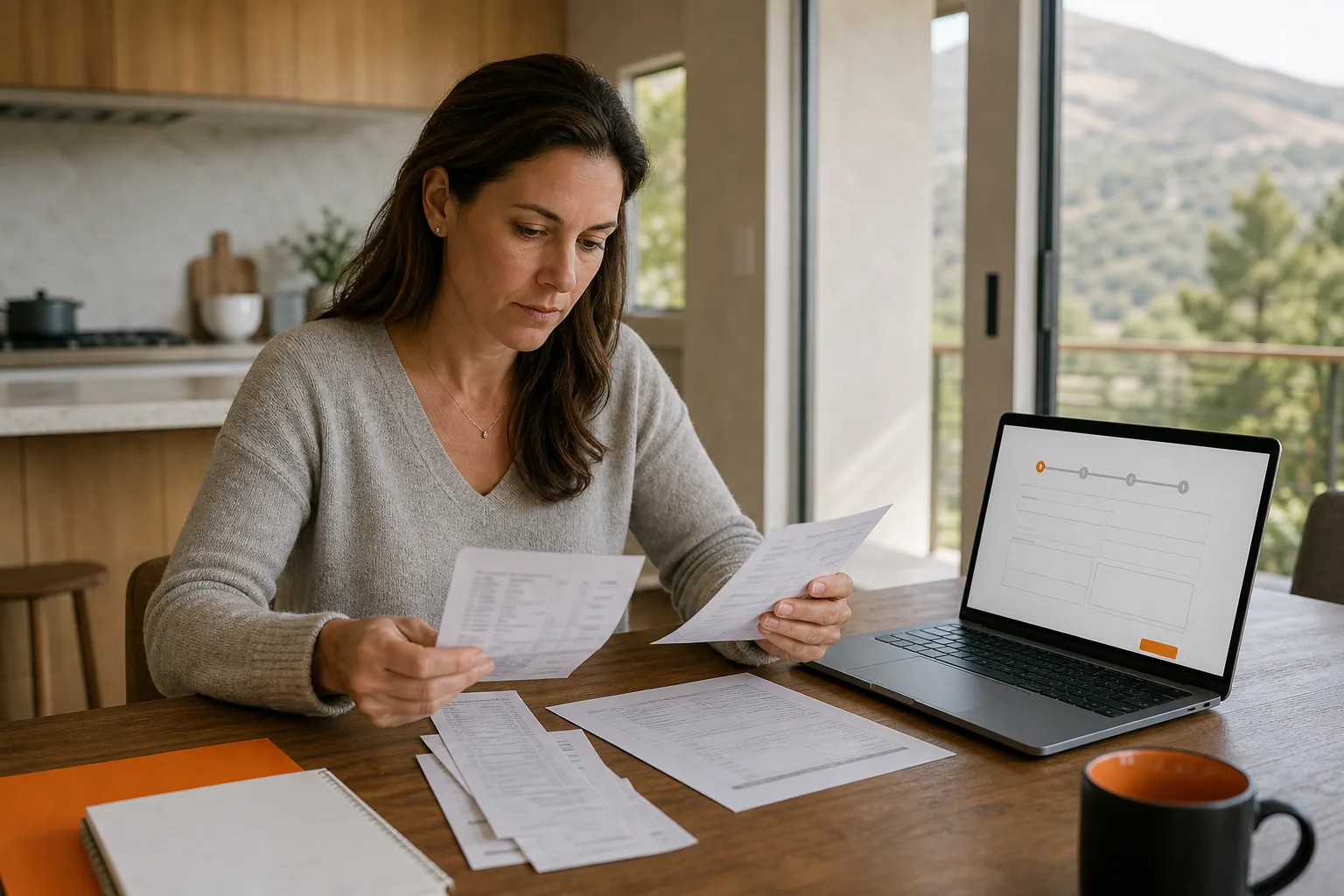
Pro tip:Set a reminder for the application deadline as soon as you buy the thermostat. Keep a digital copy of every document you submit.
Realistic Savings, Trade-Offs, and Local Heating Needs
A smart thermostat can help reduce energy use when it changes heating or cooling schedules to match the way you use your home. ENERGY STAR’s average estimate is about 8% of heating and cooling bills, or around $50 a year. That’s a reference point, not a promise for an individual home.
In the Sierra foothills, hot, dry summers can bring heavy cooling demand. Cold winters can raise heating use. A schedule that eases off while the house is empty may help, but the result depends on your system and comfort preferences. A household that’s home most of the day may see less benefit from occupancy-based changes.
Think about the equipment before you focus on the rebate. Heat pumps have different control needs from some other systems, and variable-capacity equipment may work best with a thermostat recommended for that system. Wiring matters too. If the existing setup isn’t compatible, installation may take more work than swapping the wall control.
Privacy is another fair question. Smart thermostats connect to online services, so review the device maker’s data and security terms before linking an account. ENERGY STAR says the federal certification process uses aggregated data and does not send the government personally identifiable information or individual usage data.
We recommend comparing the confirmed rebate with the full installed cost and the expected comfort benefits. If you’re in Auburn or Grass Valley, for example, ask whether your current HVAC system supports the thermostat you have in mind before counting on savings. The same check helps homeowners in Lincoln, Penn Valley, and nearby foothill communities avoid buying a model that won’t fit their system.
Frequently Asked Questions
How do I find an ENERGY STAR thermostat rebate in California?
Start with the utility listed on your electric bill, then check its current rebate page for eligible models and deadlines. You can also search the ENERGY STAR rebate finder by ZIP code. A listed offer isn’t proof that your household qualifies, so confirm account, property, device, and installation rules with the program before you buy.
Does an ENERGY STAR thermostat always qualify for a rebate?
No, ENERGY STAR certification doesn’t guarantee a rebate. A utility may limit eligibility to approved models or require an active account, a certain property type, or a specific installation date. For an energy star thermostat rebate, check the precise model number against the current offer terms, not just the product category or label.
How much can a California thermostat rebate pay?
Many disclosed California utility offers fall between $50 and $120, though amounts vary by program and can change. Some offers may include extra conditions or household bonuses. Check whether the listed amount is still funded and whether it applies to your model. Don’t treat the rebate as guaranteed until the utility confirms eligibility.
What documents do I need to apply for a thermostat rebate?
Many applications ask for an itemized receipt and proof of installation. The utility may also ask for your account details, model number, or an invoice. Keep copies of what you submit and note the confirmation number. The exact documents and application deadline vary, so use the current program instructions rather than an old checklist.
Can I combine a utility rebate with a federal tax credit?
Maybe, but don’t assume a federal credit applies to a thermostat bought in 2026. Tax rules and program terms can change, and older online information may describe incentives that have ended. Check current tax guidance and the utility’s rules before counting either amount. A confirmed utility rebate and a tax credit are separate claims.
For local help in Auburn, Colfax, Rocklin, Roseville, Grass Valley, Penn Valley and Lincoln, contact Home Worx Heating and Cooling.
Conclusion
Check your utility’s current rules and eligible model list before you buy; that’s the best way to avoid a missed rebate. If you need help choosing or installing a thermostat for your local HVAC system, contact Home Worx Heating and Cooling to discuss the installation and paperwork requirements.