
Gas Furnace vs Electric Furnace: Best Options for CA Homes
Updated: Sep 24
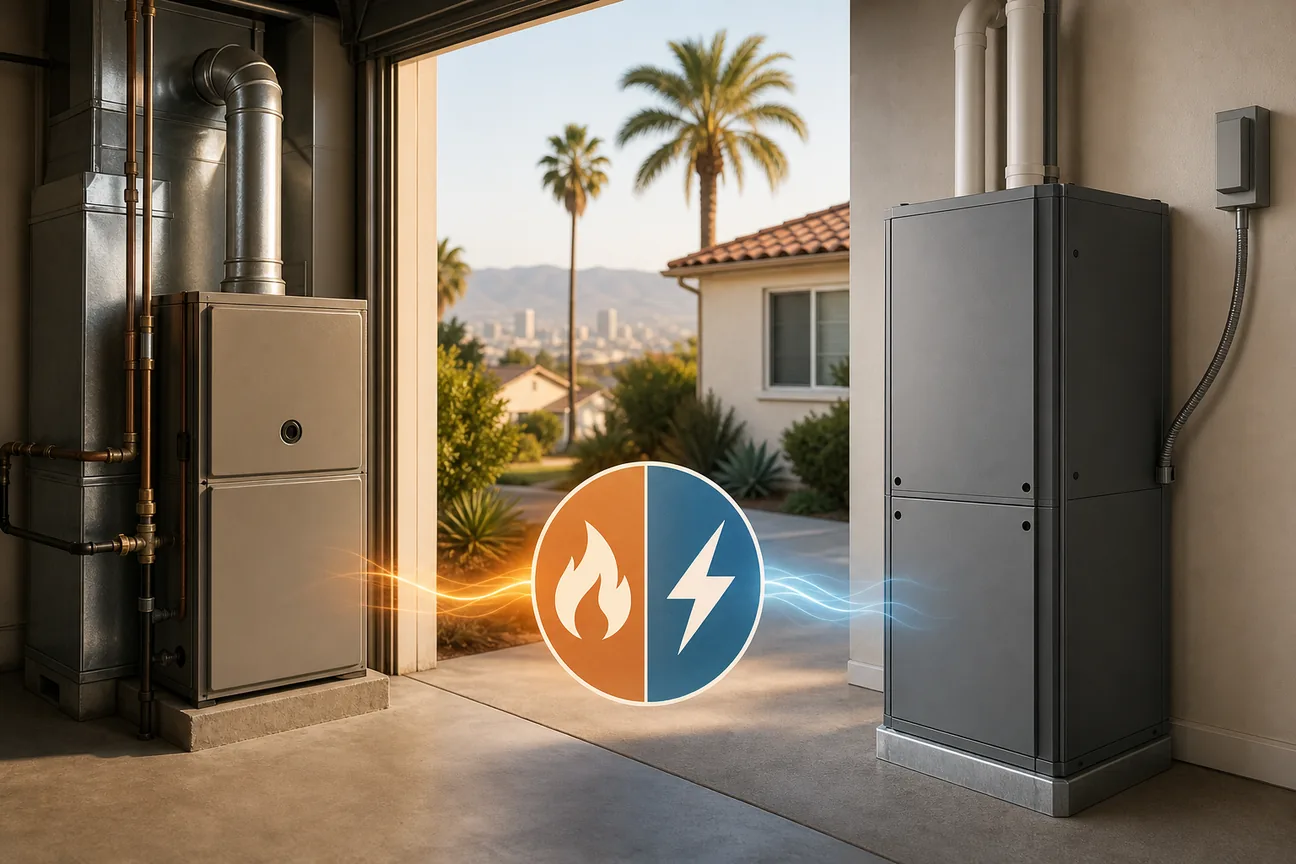
Choosing between a gas furnace and an electric furnace is one of the biggest heating decisions a California homeowner makes. The wrong choice can mean higher bills, comfort problems, or a system that fights your local climate. Here are the five best options, from full-service local experts to specific furnace types, so you can pick what actually fits your home in Placer or Nevada County.
Table of Contents
1. Home Worx Heating and Cooling (Our Top Pick) — Local Expert Service
Home Worx Heating and Cooling is a family-owned HVAC contractor serving Colfax, Auburn, and the wider Placer and Nevada County area. They handle gas furnace installs, electric furnace replacements, dual-fuel systems, and 24/7 emergency repairs.
For Sierra foothill homeowners, the gas-vs-electric decision isn't simple. Winters in Colfax and Auburn get cold enough that a low-powered electric resistance furnace can struggle and spike your PG&E bill hard. Home Worx knows the local climate, local permit requirements, and which systems actually perform when temperatures drop into the 20s.
They offer financing options, so a high-efficiency upgrade doesn't have to hit all at once. If your furnace is blowing cold air or making strange noises, their furnace repair and maintenance service for Lincoln and surrounding communities covers both gas and electric units with fast response times.
The one caveat: as a local contractor, they serve specific counties rather than the whole state. But for Placer and Nevada County homeowners, that local focus is exactly what you want.
Key Takeaway:For Northern California Sierra-foothill homes, a local HVAC expert who understands PG&E rates, Title 24, and cold-winter performance beats any national chain on price and fit.
2. Traditional Gas Furnace — Classic Heat Power
A standard gas furnace burns natural gas to heat a metal heat exchanger, then a blower fan pushes that warm air through your ductwork. Heat exchangers in gas units can reach around 350°F, which gives the air a crisp, dry warmth that many homeowners prefer on cold days.
Gas furnaces are rated by AFUE ( Annual Fuel Utilization Efficiency ), which measures how much of each dollar in gas actually becomes heat. An 80% AFUE unit wastes 20 cents of every dollar up the flue. In California, installed costs for a standard 80% AFUE gas furnace are higher due to labor rates and Title 24 energy code requirements.
Gas is generally cheaper to operate than electric resistance heating in California, which matters when temperatures in Placer County drop for weeks at a time. Most gas furnaces last 15 to 20 years with regular maintenance.
The real drawback is safety logistics. Gas furnaces need proper venting to remove combustion exhaust, including carbon monoxide. A licensed install with a carbon monoxide detector is non‑negotiable. California also requires a permit for every furnace replacement, and that permit triggers Title 24 compliance checks.
3. Modern Electric Furnace — Efficient Coil Heating
An electric furnace uses resistance coils, similar to a giant toaster element, to generate heat. There's no combustion, no flue pipe, and no carbon monoxide risk. The heat produced is 100% used inside the home, with zero exhaust waste.
Electric furnaces cost less upfront, and installation is simpler because there's no gas line or venting to run. They're a real option for homes in rural parts of Placer or Nevada County where natural gas lines don't reach.
The problem is operating cost. Running a 20‑kilowatt electric resistance furnace through a cold California winter can significantly increase monthly electric bills. PG&E rates in Northern California are among the highest in the country, so resistance heating gets expensive fast. If your home already has a gas line, an electric resistance furnace rarely makes financial sense for primary heat.
For homes without gas access, an air‑source heat pump is almost always a better electric option than a straight resistance furnace. Heat pumps move heat rather than generate it, running at substantially higher efficiency compared to resistance coils. That said, electric furnaces remain the simplest backup heat source and work well paired with a heat pump as emergency heat strips.
Pro Tip:If you're considering an electric system, price a heat pump alongside a straight electric furnace before you decide. In most Placer County homes, the heat pump pays back its higher upfront cost within a few years on lower operating bills alone.
4. Dual-Fuel Hybrid Furnace — Best of Both Worlds
A dual-fuel system pairs a heat pump with a gas furnace in the same setup. The heat pump handles heating when outdoor temperatures are mild, running efficiently and quietly. When temperatures drop below the point where the heat pump can keep up, the gas furnace kicks in automatically.
This is a strong fit for the Sierra foothills. Summers are hot and dry, winters get genuinely cold, and the temperature swings between seasons are wide. A heat pump alone can struggle when Colfax hits the low 20s. A gas furnace alone runs less efficiently during the long mild shoulder seasons. The hybrid covers both extremes without compromise.
Installation costs more upfront because you're buying two systems. But the long-term operating savings are real. The heat pump does most of the work during moderate weather, and gas only fires when it's actually needed. If you're sizing a new system and aren't sure which direction to go, our guide on what size HVAC system your home needs walks through the load calculation that determines the right BTU rating for a hybrid setup.
One usable note: dual-fuel systems require both a gas line and adequate electrical service. If your home lacks either, the install cost goes up. Get an itemized quote that breaks out equipment, labor, permits, and any gas or electrical upgrades separately.
5. High-Efficiency Condensing Gas Furnace — Low Emissions
A condensing gas furnace pulls extra heat out of the exhaust gases before they leave the unit, which is why these models reach 90% to 98% AFUE ratings. At 95% AFUE, 95 cents of every dollar in gas becomes heat in your home. Only 5 cents goes up the flue.
Upgrading from an 80% AFUE furnace to a 95% model typically cuts heating fuel costs by around 15 to 16% annually. Over a 15 to 20-year furnace lifespan, that adds up. AFUE ratings indicate that condensing furnaces achieve higher efficiency by recovering latent heat from water vapor in the exhaust, which is why they require a separate PVC vent and a condensate drain rather than a traditional metal flue.
There's also a regulatory reason to go high-efficiency now. Regulatory trends are moving toward requiring higher efficiency furnaces, with many new installations needing 90%+ AFUE in the coming years. Installing a 95% or 96% unit today means you're buying a system that stays compliant through its full lifespan.
Installed prices in California for a 96%+ AFUE condensing furnace vary depending on home size, ductwork condition, and whether the old flue needs to be re-lined. The federal Section 25C tax credit expired at the end of 2025, so 2026 installs rely on utility rebates and state programs instead. Check current California HVAC rebates for energy efficiency to see what's available from PG&E and state programs before you sign a contract.
Condensing furnaces also tend to run quieter and heat more evenly than single-stage 80% units, especially when paired with a two-stage or modulating blower. For Placer County homeowners planning to stay in their home long-term, the high-efficiency option is usually the right call.
Gas vs Electric Furnace: Quick Comparison
Factor | Gas Furnace (80% AFUE) | High-Efficiency Gas (95%+ AFUE) | Electric Resistance Furnace | Dual-Fuel Hybrid |
Install Cost (CA) | Varies | Varies | Varies | Varies |
Operating Cost | Low–Moderate | Low | High (CA rates) | Low–Moderate |
Efficiency Rating | 80% AFUE | 95–98% AFUE | 100% (resistance) | Varies by mode |
Carbon Monoxide Risk | Yes (needs venting) | Yes (needs venting) | None | Yes (gas side) |
Best For | Gas-ready homes, budget installs | Long-term owners, cold climates | No-gas areas, backup heat | Wide temp swings, efficiency + comfort |
CA 2029 Compliance | No (phased out) | Yes | Yes | Yes |
How to Choose the Right Furnace for Your CA Home
A few questions narrow the field fast:
Do you have a gas line?If yes, gas or dual-fuel is almost always cheaper to run than electric resistance in California.
How cold does your winter get?Sierra foothill homes in Placer and Nevada County need a system that handles genuine cold, not just mild Bay Area winters.
How long are you staying?A high-efficiency condensing furnace pays back over 10 to 15 years. If you're selling soon, a standard 80% unit may make more sense.
What's your electrical service?Dual-fuel and heat pump systems need adequate amperage. Older homes may need a panel upgrade.
Have you checked current rebates?Utility rebates from PG&E can shift the math on a higher-efficiency system significantly.
If you're not sure where your home lands, Home Worx Heating and Cooling offers assessments for Placer and Nevada County homeowners. You can also review furnace repair and replacement options in Placer County to understand what a full-service local contractor covers before you commit.
FAQ
Is a gas furnace cheaper to run than an electric furnace in California?
Yes, in most California homes, a gas furnace costs less to operate than an electric resistance furnace. Natural gas rates are lower per BTU than PG&E electricity rates, so heating with gas typically results in a lower monthly bill compared with electric resistance heating. The exception is a heat pump, which uses electricity but runs far more efficiently than resistance coils.
What AFUE rating should I look for in a gas furnace?
For California homeowners planning to stay long-term, a 95% or 96% AFUE condensing furnace is the smart choice. It wastes only 4 to 5% of fuel as exhaust, cuts heating bills by roughly 15 to 16% versus an 80% unit, and meets the state's upcoming 2029 efficiency standards. If your heating season is short or you're selling soon, an 80% AFUE unit costs less upfront and still works fine.
Do I need a permit to replace my furnace in California?
Yes. California law requires a permit for every furnace replacement, and the work must comply with Title 24, the state's building energy code. Permits filed from January 2026 onward follow the 2025 Energy Code, which may require a HERS duct-leakage test if ducts are altered. A licensed HVAC contractor pulls the permit for you and includes the fees in the quote.
Is there a tax credit for a new furnace in 2026?
No federal tax credit is available for furnaces installed in 2026. The Section 25C Energy Efficient Home Improvement Credit expired December 31, 2025. For 2026 installs, check utility rebates from PG&E and any remaining California state programs, which can still offset a portion of the cost on qualifying high-efficiency systems.
Which furnace type is safest for a home with kids?
Electric furnaces have no combustion, no carbon monoxide risk, and no flue pipe, making them the safest option from an air-quality standpoint. Gas furnaces are safe when properly installed and vented, but they require working carbon monoxide detectors in the home. A licensed install and annual maintenance inspection are the most important safety steps for any gas system.
Can a heat pump replace a gas furnace in the Sierra foothills?
A heat pump can handle most of the heating load in Placer and Nevada County, but it loses efficiency when outdoor temps drop below freezing. A dual-fuel hybrid, which pairs a heat pump with a gas furnace backup, is often the better fit for the Sierra foothills than a heat pump alone. Cold snaps in Colfax and Auburn can push a standalone heat pump to its limits.
The Right Call for Your Home
For most Placer and Nevada County homeowners, a high-efficiency gas furnace or a dual-fuel hybrid gives the best combination of comfort, operating cost, and long-term compliance with California's shifting efficiency rules. If you're ready to get a straight answer on which system fits your home, contact Home Worx Heating and Cooling for a local assessment. We serve Colfax, Auburn, Grass Valley, Lincoln, Roseville, and the surrounding communities.