
How Long Does a Furnace Last? A Homeowner's Guide
Most furnaces last about 15 to 20 years. Electric models may run longer, while gas and oil systems often reach the later part of that range with good care. In California's Sierra foothills, long winter run times and sharp temperature swings make airflow, sizing, and maintenance especially important. Use these steps to judge your furnace's age, condition, and next move.
Table of Contents
Step 1: Identify Your Furnace Type and Estimate Its Age
To answer how long your furnace may last, start with its fuel type and installation age. A gas furnace usually lasts 15 to 20 years. Oil systems often fall between 15 and 25 years. Electric furnaces may last 20 to 30 years because they don't burn fuel.
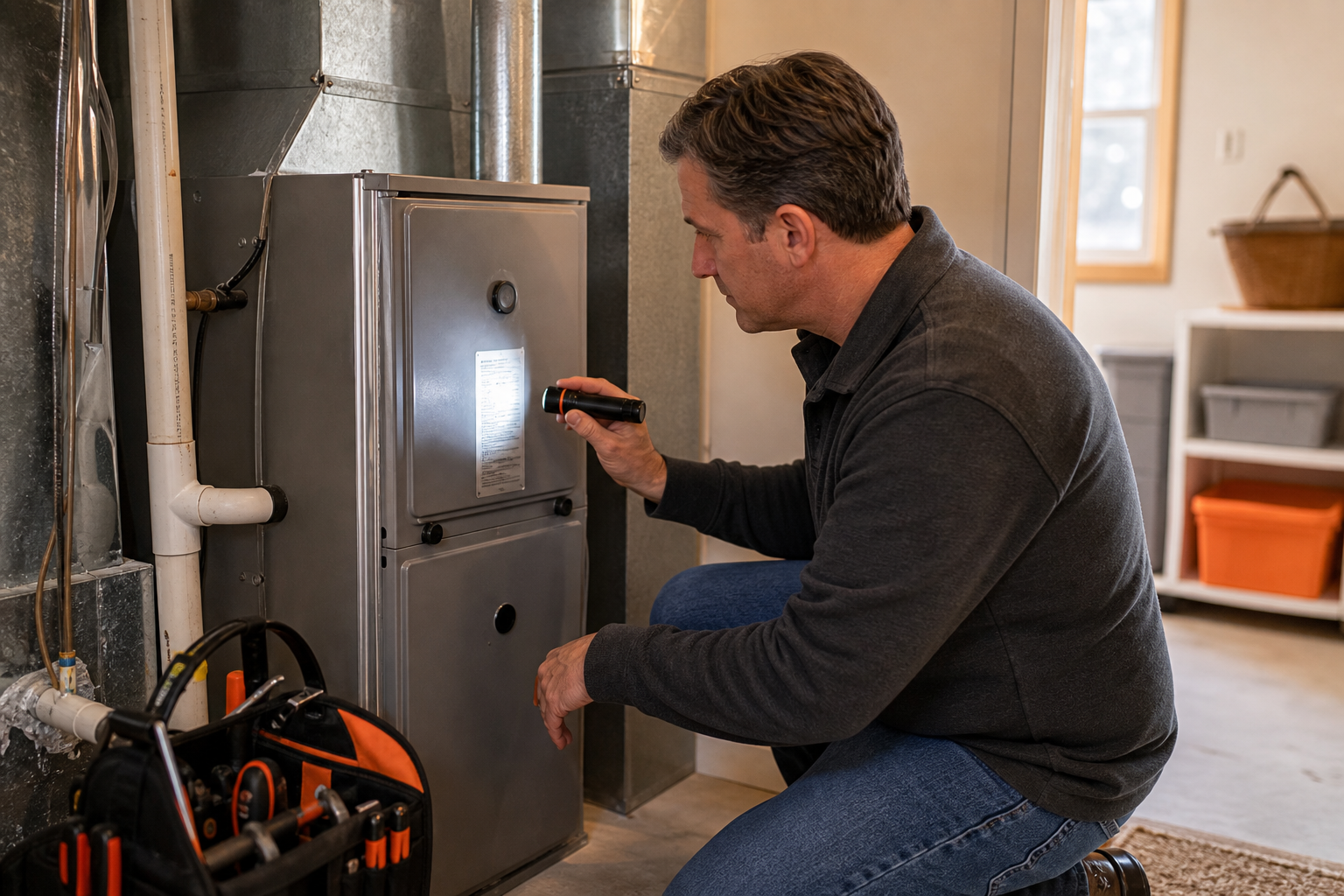
Find the furnace cabinet, usually in a garage, closet, attic, or utility room. Look for a metal nameplate or sticker. Write down the brand, model number, serial number, and any manufacturing date marked “MFG Date.” The manufacturing date is often close to the installation year, though a unit may have sat in storage first.
If you bought a newer home, check the closing papers or maintenance file. An installation invoice gives you a better date than a serial number lookup. If you can't find either record, an HVAC technician can often estimate age from the model and serial number.
Furnace type | Typical life range | What to inspect | Planning note |
Gas | 15 to 20 years | Burners, heat exchanger, venting, blower | Plan ahead as it nears 15 years |
Electric | 20 to 30 years | Heating elements, relays, blower, controls | Repair cost still matters |
Oil | 15 to 25 years | Burner, nozzle, filter, combustion setup | Skipped service can shorten life |
These ranges come from furnace service-life references, but age alone doesn't prove that a unit has failed. A well-kept 19-year-old furnace may be safer to keep than a poorly installed 10-year-old system. The key is to pair the age with repair history and current performance. Furnace lifespan ranges by fuel type show why the system's design is only one part of the answer.
Step 2: Check the Factors That Affect Furnace Lifespan
How long does a furnace last in your home? The answer depends on how hard it works and how well the system was set up. Fuel type matters, but it doesn't tell the whole story.
Start with sizing. An oversized furnace heats the home fast, then shuts down. That repeated start and stop cycle is called short cycling . It adds wear and can leave rooms unevenly heated. An undersized furnace may run for long stretches without reaching the thermostat setting.
Proper sizing starts with a load calculation. Square footage alone isn't enough. The calculation should account for insulation, windows, ceiling height, sun exposure, and local weather. If you're replacing a unit, don't let the old furnace size decide the new one automatically. Old systems are sometimes oversized.
Installation quality matters just as much. Poor duct connections can leak heated air. A restricted return can starve the blower. Incorrect wiring or venting can create safety and performance problems. In foothill homes, attic heat in summer and cold winter nights can add more stress to equipment that already has airflow issues.
Efficiency is a separate question from lifespan. AFUE, or Annual Fuel Utilization Efficiency , measures how much fuel becomes useful heat. Furnace examples range from 78% to 96% AFUE. A higher rating may lower fuel use, but it doesn't guarantee a longer service life. Some furnace designs also have extra parts, such as a secondary heat exchanger and condensate system, that need proper care.
For a gas-versus-electric decision, operating cost and available fuel may matter more than the service-life estimate. Our guide to gas and electric furnace choices for California homes can help frame that comparison before you request an installation quote.
Key Takeaway:Correct sizing, sound installation, open airflow, and steady maintenance usually matter more than choosing the highest AFUE rating.
Step 3: Follow a Furnace Maintenance Routine
A maintenance routine gives your furnace the best chance of reaching its expected life. It also helps you spot a small fault before it becomes a no-heat call.
Check the filter every month
Inspect the filter once a month. Replace it when it looks loaded with dust or when the manufacturer's schedule says it is due. A dirty filter cuts airflow. That forces the blower to work harder and can make the furnace overheat.
Use the correct filter size. Check the arrow on the frame, which should point toward the furnace or air handler. A filter that is too restrictive for the system can also reduce airflow, so ask a technician about the right filter type if the furnace struggles after a change.
Keep vents and returns open
Walk through the home before heating season. Move rugs, boxes, and furniture away from supply vents. Keep return grilles clear. If one room stays cold, don't close several other vents to force more heat into it. That can raise pressure in the duct system and make the problem worse.
Schedule professional service
Arrange a professional heating inspection before the coldest part of the season. The technician can inspect combustion, electrical parts, the blower, safety controls, and heat exchanger. Gas and oil equipment needs special care because it burns fuel. Never open or adjust gas components as a DIY project.
Home Worx Heating and Cooling provides maintenance contracts for homeowners who want a set schedule. That can help in busy households, where a missed filter change or skipped tune-up is easy to forget. We also look at the system as a whole, including airflow and installation issues that may not show up at the thermostat.
Keep a simple service record. Note the date of each filter change, the service visit, and any part that was replaced. That record makes future repair decisions easier. It also gives a technician a clear history when you move into a home with older equipment.
Regular filter changes, proper sizing, installation quality, climate, and airflow can all affect furnace life.
Step 4: Look for Signs Your Furnace Is Near the End of Its Life
When a furnace is near the end of its service life, how it behaves matters more than the number on the nameplate. Watch for changes that repeat or grow worse.
Frequent repairs:One small repair may make sense. Several major repairs in a short period suggest that other parts may follow.
Rising heating bills:Compare bills across similar weather. A sharp increase may point to lost efficiency, airflow trouble, or longer run times.
Uneven temperatures:Cold rooms can result from duct leaks or sizing problems, but they can also signal a furnace that no longer moves air well.
Strange sounds:Banging, scraping, rattling, or repeated squealing needs inspection. Loose panels and worn motors can both make noise.
Short cycling:If the furnace starts and stops often, check the filter first. If the pattern continues, schedule service.
Yellow or flickering flame:On a gas furnace, this can indicate a combustion problem. Turn the system off and get professional help.
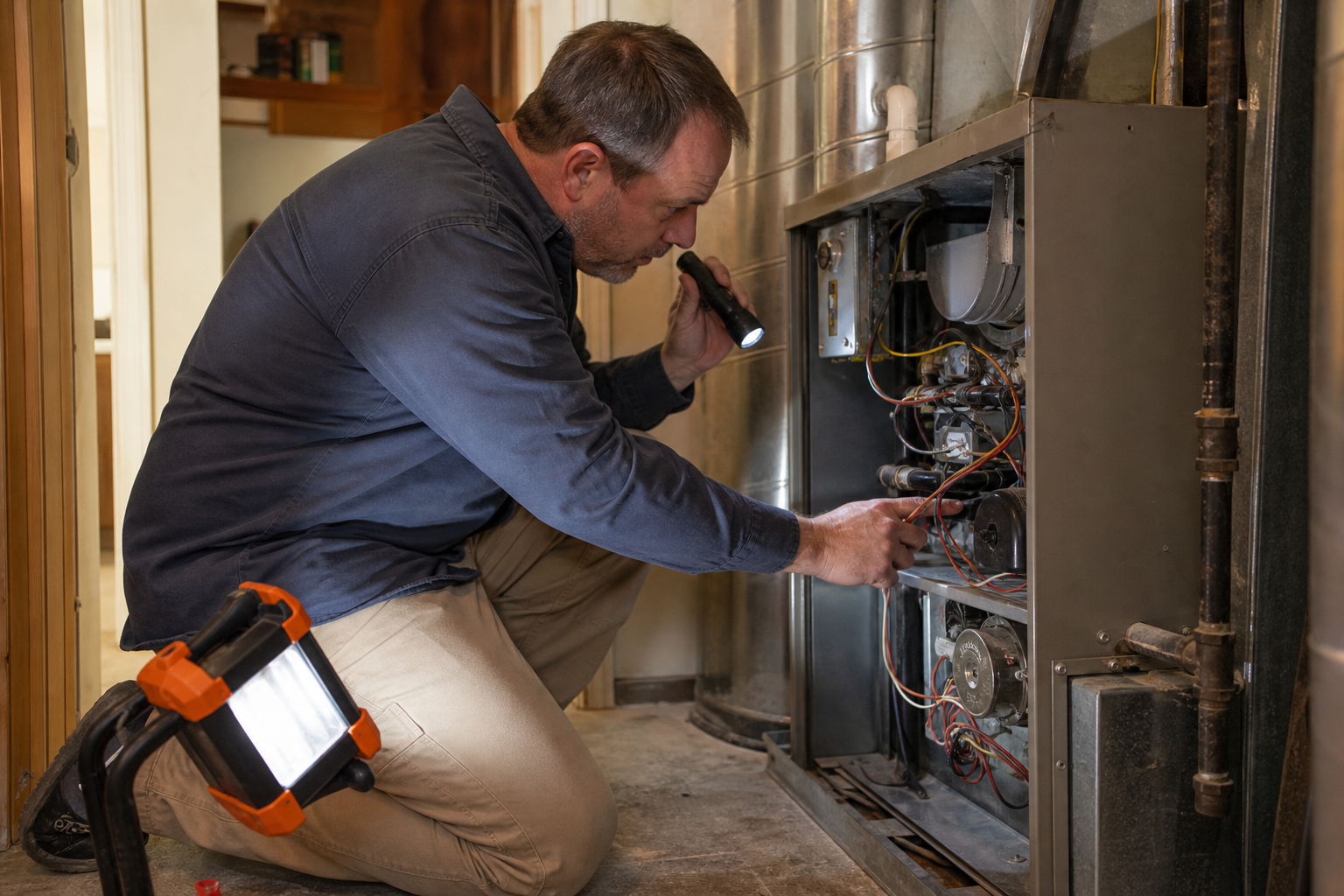
A cracked heat exchanger is a serious safety concern because combustion gases may enter the home. If you smell exhaust, see soot, or have a carbon monoxide alarm, leave the area and follow your alarm manufacturer's safety instructions. Don't keep testing the furnace yourself.
A dirty flame sensor can also cause a furnace to light briefly, then shut off. That problem may be repairable and doesn't automatically mean replacement. Our guide to furnace flame sensor cleaning explains the symptom, but gas controls and safety faults should stay with a trained technician.
Step 5: Decide Whether to Repair or Replace the Furnace
Repair is often the sensible choice when the furnace is younger, the fault is isolated, and the heat exchanger remains safe. Replacement deserves more thought when the unit is near or beyond its typical life range and repair needs keep returning.
Repair may fit when:
The furnace is well below 15 years old.
The repair fixes one clear part rather than a chain of failures.
The system has a sound heat exchanger and proper venting.
Heating performance stays steady after service.
Replacement may fit when:
The furnace is around 15 to 20 years old or older.
Major repairs keep appearing.
Energy use has climbed without a clear weather reason.
The heat exchanger or other safety part has failed.
Parts are hard to source or the system has poor airflow by design.
Ask for a written diagnosis before making the choice. The quote should separate repair cost from replacement cost. It should also explain the expected result, warranty terms, equipment size, AFUE rating, and any duct or vent changes.
For Northern California homeowners, check whether the proposed equipment needs a permit. Ask the contractor to explain available PG&E or state energy rebates rather than assuming every high-efficiency furnace qualifies. A 95%+ AFUE condensing furnace may be eligible for a program, but rules change and eligibility depends on the project.
Home Worx Heating and Cooling can compare repair and replacement paths for homes in Placer and Nevada counties. We can also review installation needs before you commit, which is useful when an older furnace sits in a tight attic, crawl space, or closet.
Pro Tip:If your furnace is older than 15 years, gather replacement information before it fails. A planned choice gives you time to compare fit, efficiency, permits, and financing.
There is no single age when every furnace must be replaced. Safety comes first, then condition, repair history, comfort, and the cost of keeping the unit running.
FAQ: Furnace Lifespan and Replacement Questions
How long does a furnace last on average?
Most furnaces last about 15 to 20 years. Gas and oil models often fall in that range, while electric furnaces may reach 20 to 30 years. Actual life depends on sizing, installation quality, airflow, climate, filter care, and service history. A technician should assess condition before age alone drives a replacement decision.
Can a furnace last 30 years?
Yes, some furnaces can last 30 years, but that is beyond the common range for many gas units. A furnace needs good installation, steady maintenance, clean airflow, and timely repairs to reach that age. Even if it still runs, older equipment may have safety concerns or repair costs that make replacement wiser.
How often should I change my furnace filter?
Check the filter once a month and replace it when it is dirty or when the system's instructions require it. Homes with pets, dust, or heavy system use may need more frequent changes. A clogged filter restricts airflow, which makes the furnace work harder and may shorten its service life.
Is it better to repair or replace a 20-year-old furnace?
Replacement is often worth discussing for a 20-year-old furnace, especially after a major repair or repeated breakdowns. Repair may still make sense if the fault is small and the heat exchanger is safe. Ask for a condition report that compares repair cost, expected remaining life, efficiency, and the full replacement scope.
What is the most important way to extend furnace life?
The best starting point is consistent airflow care. Check the filter monthly, keep returns open, and schedule professional service before the heating season. Proper sizing and installation also matter. If the furnace short cycles or struggles to heat rooms, fix the cause instead of relying on a higher thermostat setting.
Conclusion
Plan on roughly 15 to 20 years for most furnaces, while electric models may last longer. Keep the filter clean, arrange routine service, and investigate repeated repairs or safety signs early. If you're in Placer or Nevada County, contact Home Worx Heating and Cooling for a local furnace assessment before a winter breakdown forces the decision.