
How to Fix Uneven Heating in Your House
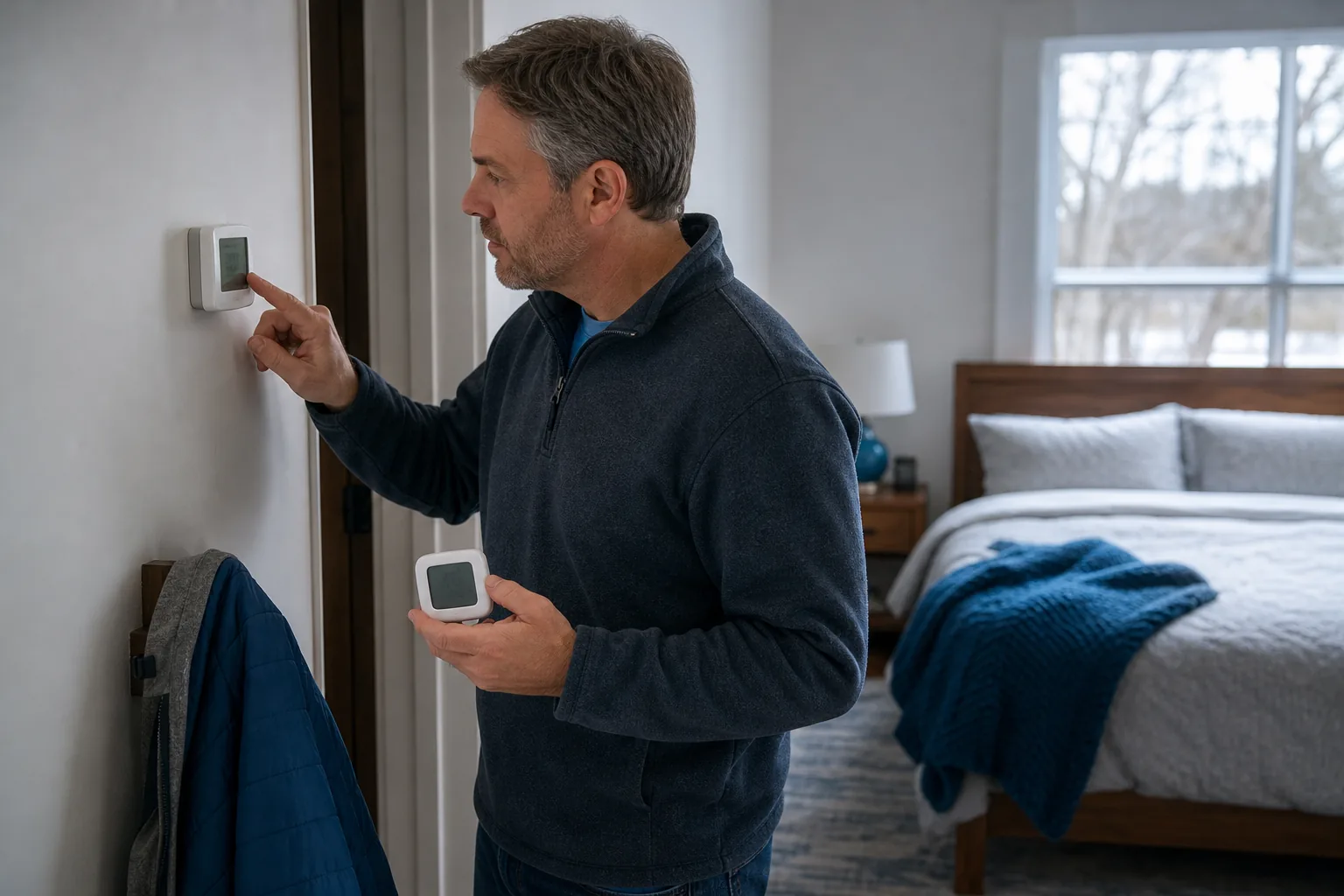
If your living room feels warm but a bedroom stays cold, the furnace may not be the problem. Uneven heating in your house often starts with airflow: a dirty filter, blocked vent, closed door, or duct issue can keep heat from reaching a room. Start with these simple checks, then bring in an HVAC technician if the cause isn’t clear.
We analyzed 6 top-ranking guides on fixing uneven home heating and found that none of the 6 mention closed interior doors blocking return airflow. That gap is a common cause of a single cold bedroom with the door shut overnight.
Table of Contents
Step 1: Check the Thermostat and Compare Room Temperatures
First, check whether the thermostat’s reading reflects the rooms you use. It measures the air near its sensor, not the temperature across your whole house. A thermostat in direct sun, near a heat register, or beside a drafty door can make the system stop heating too soon or run longer than needed.
Set the thermostat to Heat and note its setting. Then use a room thermometer to compare the temperature in the thermostat area with the rooms that feel off. Take readings at about the same time, with the system running as it normally would. Write down the room, reading, time, and whether the door was open.
This simple log helps you spot a pattern. If a room is always cold, its airflow or insulation may be the issue. If the readings shift with sunlight or the time of day, the thermostat’s location may be part of the problem. These checks for rooms with different temperatures can help you narrow down what to look at next.
In Roseville, a cold basement room may need a closer look at its return grille. In a two-story home in Rocklin, compare the upstairs reading with the thermostat before changing the set point. Avoid adjusting thermostat wiring yourself. If its location seems wrong, ask a technician whether it can be moved or set up with room sensors.
By now, you should havea short temperature log and a clearer idea of whether the issue follows one room or the thermostat area.
Step 2: Replace a Dirty Filter and Clear Supply Vents and Returns
A clogged filter can restrict airflow through the whole system. Rooms farther from the furnace or air handler may feel the effect first. Turn the system off at the thermostat before checking the filter. If it looks loaded with dust, replace it with the same size and type, and point the airflow arrow toward the equipment.
Don’t guess the size. Check the label on the old filter or the filter slot, then make sure the new one fits snugly. A filter that doesn’t fit can leave gaps. If you’re unsure which type your system needs, check the equipment instructions or ask an HVAC technician.
Next, walk through the house and check each supply vent, where warm air enters a room. Move furniture, curtains, rugs, and storage bins out of the way. Keep return grilles clear too. Returns carry air back to the system; a blocked return can restrict airflow even when the supply vent is open.
Keep the vents open rather than closing several in rooms you don’t use. Closing vents can raise pressure in the duct system and make airflow less balanced. For a helpful filter routine, see the steps for checking a home HVAC filter and keeping vents clear.
In Lincoln, start with rooms that have weak airflow and a return near a couch or cabinet. After replacing a dirty filter or clearing a vent, let the system run through a normal heating cycle. Check the same rooms again before making another change.
Pro Tip:Change one thing at a time. That makes it easier to tell whether the filter, a blocked grille, or another issue is behind the change in comfort.
By now, you should havea clean, correctly fitted filter and clear paths at the supply vents and returns.
Step 3: Check Door Positions and Room Airflow
A closed bedroom door can interrupt the path air takes back to a central return. Warm air may enter through the supply vent, but if it can’t flow back out, pressure can build in the room and reduce the amount of air coming in.
Try leaving the door open during a heating cycle. If the room feels more comfortable or the airflow changes, the door may be part of the problem. Keep it open for a day or two and compare the room temperature with your earlier notes.
Some rooms have a return grille of their own. Make sure it isn’t blocked by furniture, a curtain, or a rug. If the room has a supply vent but no return, a technician can check whether the home has another suitable path for return air. That may involve a transfer grille or a change to the return setup.
In Auburn, try this check in a bedroom that stays cold with its door shut overnight. Don’t cut a grille into a wall or door on your own. The right return path depends on the home’s layout and equipment, and changes should be planned with airflow in mind.
Keep the thermostat setting steady while you test the door. Raising it to warm one room can overheat the space around the thermostat without fixing the airflow gap.
By now, you should knowwhether leaving the door open changes the room’s comfort. If it doesn’t, keep checking rather than assuming a new thermostat will solve it.
Step 4: Look for Duct Problems and Heat Loss
If one room stays cold after you clear vents and check the door, look for signs of duct trouble or heat loss. Ducts can come loose, get crushed, or lose insulation. A damaged section may leak warm air before it reaches the room. You can look at duct sections that are easy to reach safely, but don’t climb through a tight attic or crawlspace to inspect them.
Pay attention to clues: weak airflow from one vent, a dusty smell near a duct, or a room that gets cold quickly after the system stops. Note where the room sits in the house. Rooms over a garage or crawlspace can lose heat through the floor. Rooms with exterior walls, drafty windows, or a ceiling under an attic may also cool faster.
Duct leaks can waste heated or cooled air before it reaches living spaces. Check accessible ducts for damage and note where repairs may be needed. If you see a disconnected duct or damaged insulation, note its location and ask a technician to assess the repair.
Also check for drafts around window edges and exterior doors. A strip of tissue can help you notice moving air on a windy day. Don’t seal openings that may be needed for equipment or safe ventilation.
In Grass Valley or Penn Valley, an older home with a cold room beneath the roof may need a professional check of duct insulation and attic heat loss. Cold winters in the Sierra foothills can make uneven heating especially noticeable. Fixing the path of the heat matters more than turning the thermostat up.
By now, you should havenotes on any visible duct damage, drafts, or rooms with likely heat loss. Leave repairs in unsafe or hard-to-reach spaces to a trained professional.
Step 5: Ask an HVAC Technician to Balance the System
If the basic checks don’t fix the cold spots, ask an HVAC technician to inspect the system as a whole. Uneven heat can come from supply and return airflow that isn’t balanced, a duct problem, a control issue, or equipment that doesn’t match the home’s needs. A technician can test the system rather than rely on guesswork.
Share your temperature log and explain what you changed. Mention whether the room improved when you opened its door or cleared a vent. Point out any visible duct damage, odd noises, short run cycles, or rooms that are affected most during cold weather.
A technician may inspect the thermostat and ductwork, check airflow and system operation, then adjust balancing dampers if the system has them. Dampers are controls inside ducts that direct air through different branches. They should be adjusted in small steps, with the effect checked across the home. Closing many room vents is not a substitute for proper balancing.
If the home has multiple thermostats or distinct areas that heat very differently, ask whether the zoning controls and dampers are working as intended. A zoning retrofit is a bigger project, so ask for a written local quote. A technician should first check whether simpler airflow or duct repairs can address the issue.
Home Worx Heating and Cooling serves homeowners in Colfax and nearby communities, including Auburn, Rocklin, Roseville, Grass Valley, Penn Valley, and Lincoln. We provide heating repair and maintenance, plus ductwork, zoning, and thermostat services. If you need help finding the cause, share your room-by-room notes with our team and ask for an assessment.
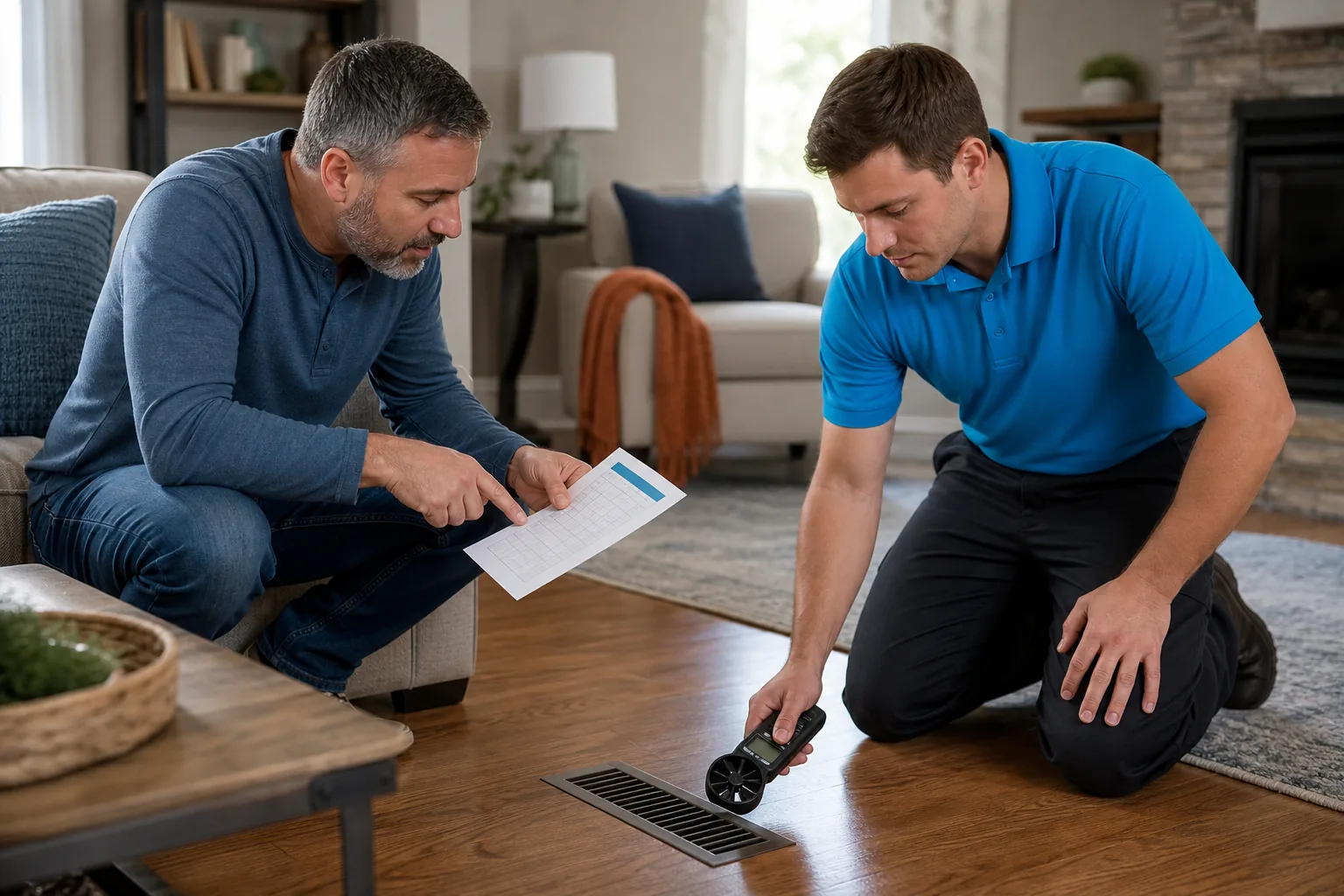
By now, you should havea list of the checks you tried and a clear handoff for the technician. That gives them a useful starting point for diagnosis.
Frequently Asked Questions
Why is one room colder than the rest of my house?
One room is often colder because it gets less warm air or loses heat faster than nearby rooms. Start by clearing its vent and return, checking the filter, and testing whether an open door changes airflow. If the room still lags, a duct leak, poor insulation, draft, or system balance issue may need a professional check.
Should I close vents in rooms I don’t use?
No, don’t close several vents to push heat into another room. Closing vents can change pressure in the duct system and worsen airflow balance. Keep supply vents open and clear. If some rooms get too much air while others get too little, ask a technician to check the system’s balancing dampers.
Can a dirty furnace filter cause uneven heating?
Yes. A dirty filter can restrict airflow, and rooms far from the system may feel the effect first. Turn the system off before checking it. Replace a loaded filter with the correct size and type, following the airflow arrow. If airflow stays weak after the change, the cause may be elsewhere.
When should I call an HVAC technician about uneven heating?
Call a technician if basic checks don’t help, airflow stays weak, or you suspect damaged ducts or a control problem. A professional can inspect the system and test how air moves through it. Don’t enter an unsafe attic or crawlspace, open equipment panels, or adjust wiring to find the cause.
Will a new thermostat fix uneven heating?
Not always. A thermostat can cause trouble if it’s poorly placed or faulty, but many cold spots come from airflow, ductwork, or heat loss. Compare temperatures around the house first. If the thermostat’s location seems to affect when the system runs, ask a technician to check its placement before replacing it.
Conclusion
Start with the filter, clear the vents and returns, then test whether an open door changes the cold room. If those checks don’t help, contact Home Worx Heating and Cooling for local service in Placer and Nevada County. Bring your temperature notes so we can focus the assessment on the rooms and changes you’ve already checked.