
Why Are Some Rooms Hotter Than Others? How to Fix It
Why are some rooms hotter than others, even when the thermostat says the house is cool? Often, the trouble is sun, insulation, or airflow, not a broken thermostat. A sunny west-facing bedroom can heat up while a basement office stays cool. Use these steps to spot the cause and decide what to fix first.
We analyzed 51 comments and questions from YouTube, Quora and Reddit about uneven room temperatures and found that 22% mentioned room location and sun exposure.
Table of Contents
Step 1: Measure the Temperature Difference
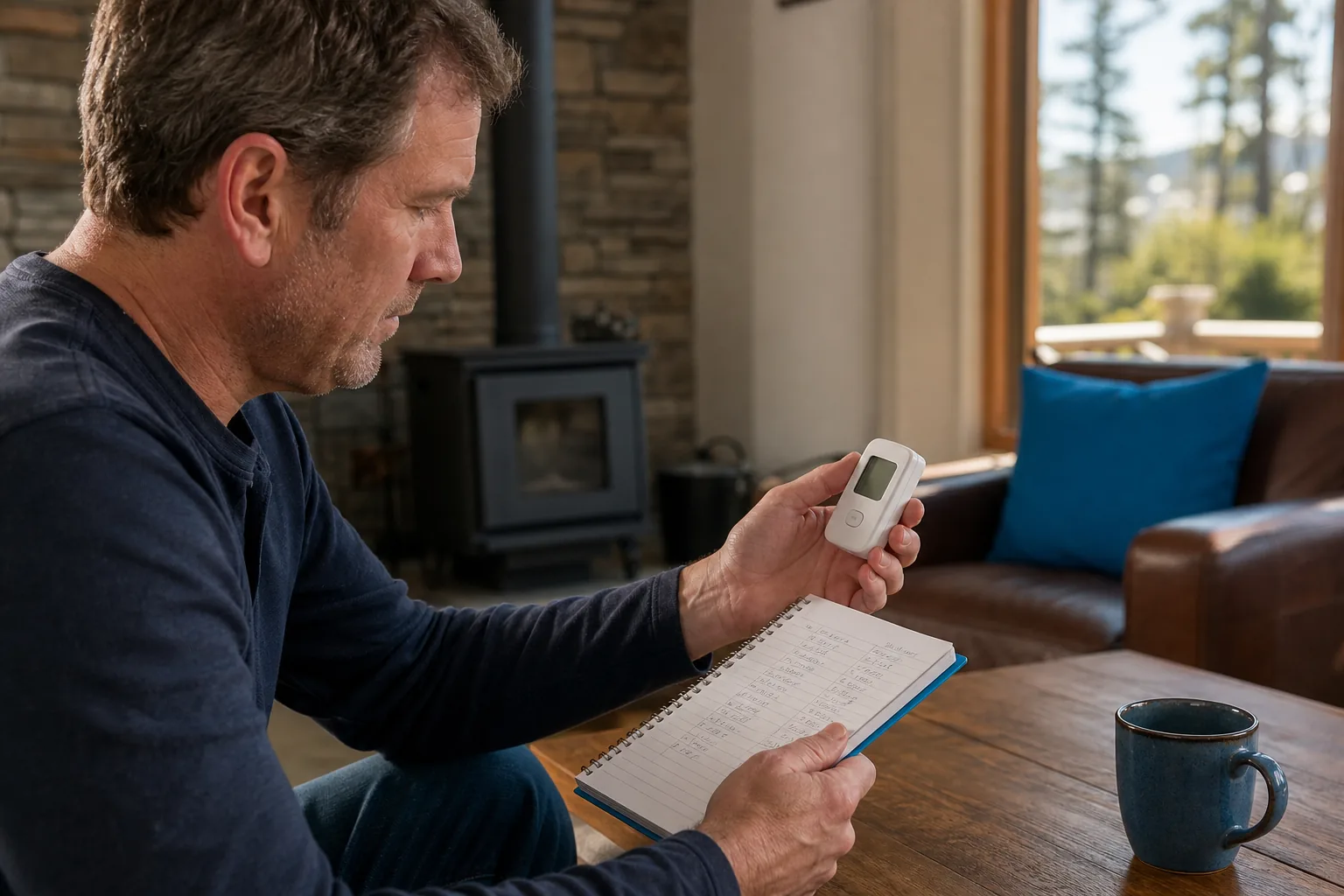
First, check whether the room is truly warmer or simply feels stuffy. A small thermometer and a short log can show when the difference starts and which rooms are affected.
Place a thermometer at about head height in each room. Keep it away from windows, direct sun, supply vents, appliances, and exterior doors. Take readings at the same time in each room, then repeat every hour from mid-morning through late afternoon on a warm day.
Write down the room, time, temperature, and whether the HVAC system is running. Note when direct sun hits the window, too. If the warm room heats up mainly in the afternoon, sunlight or a hot attic may be adding heat. If it stays warm all day, weak airflow or a duct issue may be more likely.
Compare the problem room with a nearby room on the same floor. Then compare an upstairs room with a downstairs one. This helps you see whether the pattern follows the floor, the side of the house, or one particular room.
Keep the log for a few days if the issue comes and goes. For an upstairs room that stays warm after sunset, our steps for cooling an upstairs bedroom may help you narrow down roof heat and airflow issues.
By now, you should have a clear pattern: when the room warms up and which rooms feel different. That pattern is more useful than changing the thermostat at random.
Step 2: Check Sunlight, Windows, and Insulation
Next, look for heat entering through the building shell. Rooms with west- or south-facing windows can take on more sun, especially during a hot, dry afternoon in the Sierra foothills. In Auburn, Rocklin, or Roseville, note whether direct sun lines up with the time your room feels warmest.
Close blinds or curtains before sunlight lands on the glass. Reflective blinds, heavier curtains, or exterior shade can limit the heat reaching the room. Window film may also reduce solar heat, but check that it suits your window type before applying it. Shading can help reduce unwanted solar heat before it enters a home.
Then look above and around the room. A ceiling below an attic may feel warm when insulation is thin, uneven, compressed, or missing. Check for obvious gaps around the attic hatch, ceiling fixtures, and plumbing openings, but don't move insulation near wiring or enter an unsafe attic.
Exterior walls and floors can matter, too. A new addition may have different insulation from the older part of the house. Tall ceilings can also leave warm air high above the spot where people sit. These features can make the room feel different even when the HVAC system is running.
In Colfax, Grass Valley, or Penn Valley, compare a sunny room with one on the shaded side of the home. If the temperature gap follows sunlight, start with shade and insulation checks before assuming the system needs replacement. Homeowners in Lincoln can use the same approach. For local help, contact Home Worx Heating and Cooling .
Step 3: Inspect Vents, Filters, and Airflow
A room needs a clear path for air to enter and return. Check that supply vents are open and that furniture, rugs, or curtains aren't covering them. Also find the return grille, which lets room air flow back to the HVAC system, and keep it clear.
Look at the filter next. A dusty filter can restrict airflow, so check it based on the system maker's instructions and replace it when needed. Use the correct size, and point the arrow on the filter frame toward the air handler.
Feel the air coming from each supply vent while the system runs. Compare a warm room with a comfortable one. A weak stream in one room may point to a blocked vent or a duct restriction. Weak airflow in several rooms may signal a broader system or duct problem.
Don't close vents in rooms that feel cold to force more air into a warm room. Closing vents can raise pressure in the duct system and push air through leaks. It may also reduce the airflow the whole system needs.
Check interior doors during the test. If a closed bedroom door traps air and the room has no return grille, try leaving the door open and see whether airflow improves. A ceiling fan can make people feel cooler by moving room air, though it doesn't lower the room's actual temperature.
For more ways to keep the system moving air as intended, see our guide to improving HVAC efficiency at home . By now, you should know whether the issue looks like a single vent or a wider airflow problem.
Step 4: Look for Duct Leaks and System Imbalances
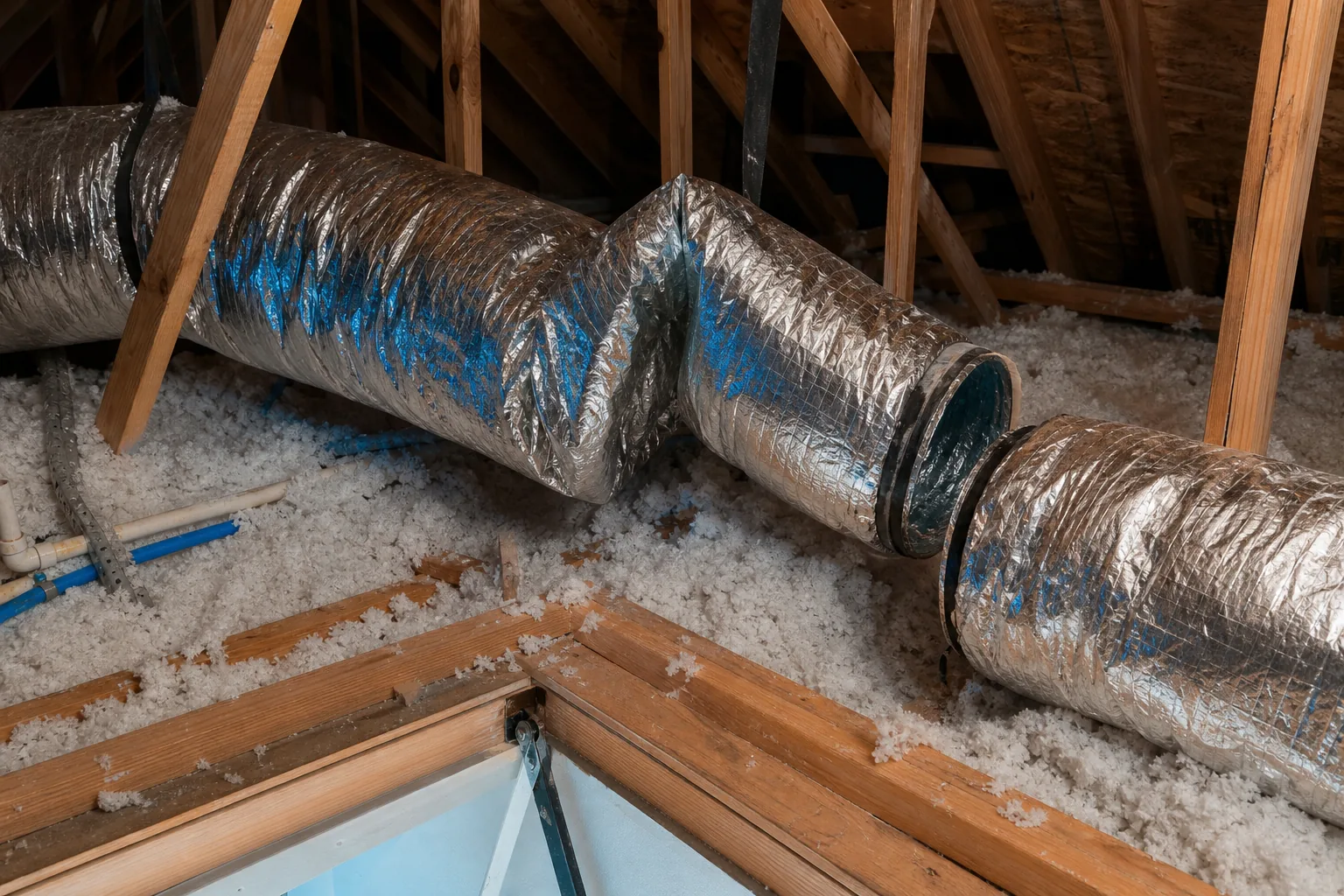
If a vent has weak airflow, the problem may be between the HVAC unit and the room. Ducts can leak at joints, come loose, or get crushed. Long duct runs through a hot attic can also lose some of their cooling before air reaches the room.
Only inspect ductwork you can reach safely. With the system running, look for a disconnected joint, a crushed section, or damaged insulation. Don't climb across attic joists or handle wiring. Ducts hidden in walls or ceilings need a qualified technician to inspect.
ASHRAE's HVAC handbook chapter on building air movement is a technical reference for how air moves through buildings. For a homeowner, the useful clue is simpler: if one room gets much less air than nearby rooms, the duct path deserves a closer look.
Rooms added or changed during a remodel can also fall out of balance. A new office may have a longer duct run than the original bedrooms. A room with high ceilings or large west-facing windows may need more heating or cooling than its floor area suggests.
A single thermostat measures the area around itself, not every room. If it sits in a cool hallway, the system may stop cooling while a sunny bedroom is still warm. If it's near an appliance or in direct sun, its reading may not reflect the rest of the home.
These problems can be mistaken for an equipment-size issue. ASHRAE guidance and an HVAC professional can help assess airflow and the home's heating and cooling needs before anyone recommends a larger system. A bigger unit alone won't fix a leak or a poor duct path.
Uneven rooms upstairs are common in homes where attic heat and duct routes add to the load.
By now, you should have a short list of likely causes to share with an HVAC technician. That list can help guide an inspection of the ducts, thermostat, and system balance.
Step 5: Try Safe Adjustments and Know When to Call a Pro
Make small changes one at a time. That way, you can tell what helped instead of changing several things and guessing at the result.
Open supply vents and clear return grilles.
Replace a dirty filter with the correct size.
Close curtains or blinds before strong sun reaches the windows.
Use a ceiling fan or portable fan while people are in the room.
Turn off unused electronics that add heat to a small room.
In summer, block sun before it warms the glass and room. In winter, check for drafts around doors and windows, and use a draft stopper if you find a gap. Keep doors open during a test if a room lacks a return grille, but don't block a vent to force air elsewhere.
Set the thermostat to the mode you want, then give the system time to run. Don't keep lowering the set point to make one room catch up. The thermostat may cool the area around it while the warmer room still has a sun, insulation, or airflow problem.
If the same rooms stay uncomfortable after these checks, ask an HVAC professional to assess the system. A technician can inspect duct connections, check airflow, review thermostat placement, and consider whether the equipment fits the home's needs. A zoning system may help when rooms have different schedules or sun exposure; our explanation of how HVAC zoning systems work covers the basics.
Home Worx Heating and Cooling serves homeowners in Roseville, Penn Valley, and Lincoln, along with nearby foothill communities. We handle HVAC repair, maintenance, installation, heat pump service, and duct and vent work. If the issue needs a system-level check, share your temperature log and the rooms that feel off.
Consider professional help sooner if airflow drops across the home, the system makes a new noise, or you see a damaged duct you can't safely reach. Home Worx Heating and Cooling is a family-owned contractor serving Placer and Nevada County communities.
Frequently Asked Questions
Why is one room hotter than the rest of the house?
One room may be hotter because it gets more sun, has weaker insulation, or receives less conditioned air. Check the room at different times of day and compare its vent airflow with a nearby room. A pattern tied to afternoon sun points toward window heat, while weak airflow may point to a vent or duct issue.
Should I close vents in rooms that are too cold?
No, don't close vents to push more air into another room. Closing vents can raise pressure in the ducts and reduce airflow through the system. Keep supply vents open and clear. If the room balance remains off, a technician can check duct flow and system setup.
Can a ceiling fan cool a hot room?
A ceiling fan can help people feel cooler by moving air across the skin, but it doesn't lower the room's temperature. Use it when someone is in the room, and turn it off when the room is empty. If the room itself stays much warmer, check sun exposure, insulation, and airflow.
When should I call an HVAC professional about uneven temperatures?
Call an HVAC professional if the same rooms stay too hot or cold after you clear vents and replace a dirty filter. Get help if several rooms have weak airflow or you find damaged ductwork. A professional can assess the ducts, thermostat, equipment size, and whether zoning may suit the home.
Conclusion
Start with a temperature log, then check sunlight and airflow before making larger changes. If the imbalance persists, contact Home Worx Heating and Cooling for a local HVAC assessment in the Placer or Nevada County area.