
How to Improve Home Energy Efficiency
Learning how to improve home energy efficiency starts with finding where your house loses heated or cooled air. In the Sierra foothills, hot summers and cold winters can put extra strain on a home. Start with an energy check, seal the building, then tune or upgrade equipment. That order helps you spend on the problems your home actually has.
We analyzed 6 top-ranking home energy efficiency guides about improving home energy efficiency and found that none of the 6 recommend sealing air leaks and insulating before replacing HVAC equipment, and only 1 mentions duct sealing.
Table of Contents
Step 1: Find Your Home’s Biggest Energy Losses
First, make a baseline. Gather your recent utility bills and note the months when energy use climbs. Compare similar seasons, since a summer cooling bill and a mild spring bill don't tell the same story.
Walk through the house on a hot afternoon and again on a chilly day. Notice rooms that feel drafty, ceilings that get hot, or spaces that take much longer to reach a comfortable temperature. Check around doors, windows, the attic hatch, and visible duct runs. Write down what you find rather than trying to fix everything at once.
The ENERGY STAR Home Energy Yardstick compares a home's annual energy use with similar homes. It uses details such as ZIP code, square footage, household size, and the fuels used in the home. It gives you a starting point, not a diagnosis of a leak or a faulty system.
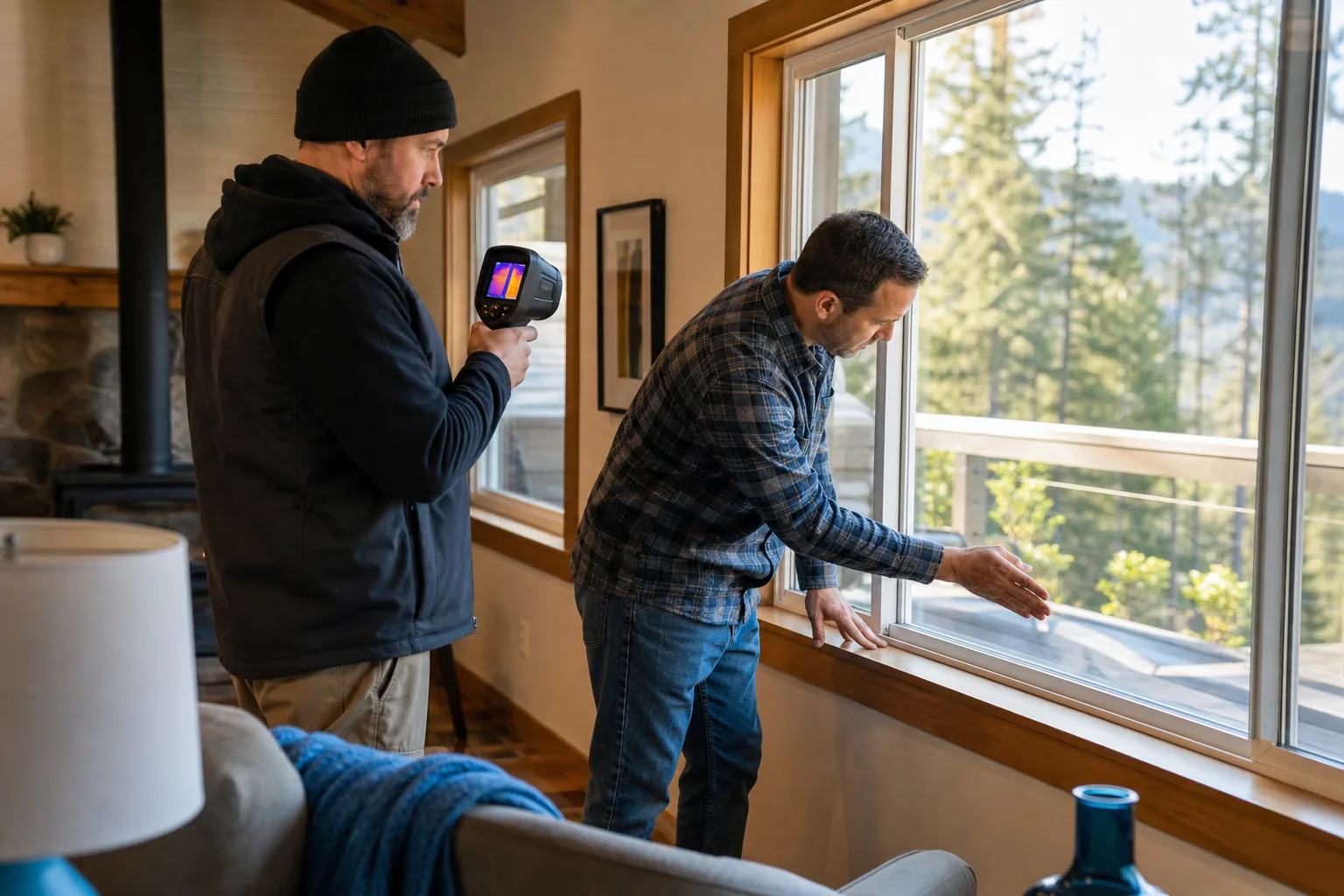
For a closer look, a home energy assessment can help locate problems that aren't easy to spot. A trained assessor may use a blower door to measure air leakage or an infrared camera to find areas where heat moves through the building shell. If you live in Auburn or Colfax, note whether the concern is an upstairs room, a draft near an entry, or a system that runs for long stretches.
Keep the list in order of impact and urgency. A visible gap under a door may be a simple fix. A home that stays uncomfortable despite a working system may need an inspection of insulation, ducts, or HVAC performance before you buy new equipment.
Homeowners who want more ways to check their heating and cooling system can use our HVAC efficiency steps for the home as a companion checklist. For residents in Rocklin or Roseville, record the same details before and after a repair so you can see whether the change helped.
Step 2: Seal Air Leaks and Insulate the Attic
Fix the building shell before asking a heating or cooling system to do more work. Air sealing closes gaps where outside air moves in or conditioned air escapes. Insulation slows heat moving through ceilings and walls. Together, these steps can make rooms feel steadier through hot afternoons and cold nights.
Start with small, accessible gaps around door frames and window trim. Weatherstripping works on parts that move, such as a door. Caulk is for fixed cracks. Follow the product directions, and don't seal vents or openings that need to stay clear for safe operation.
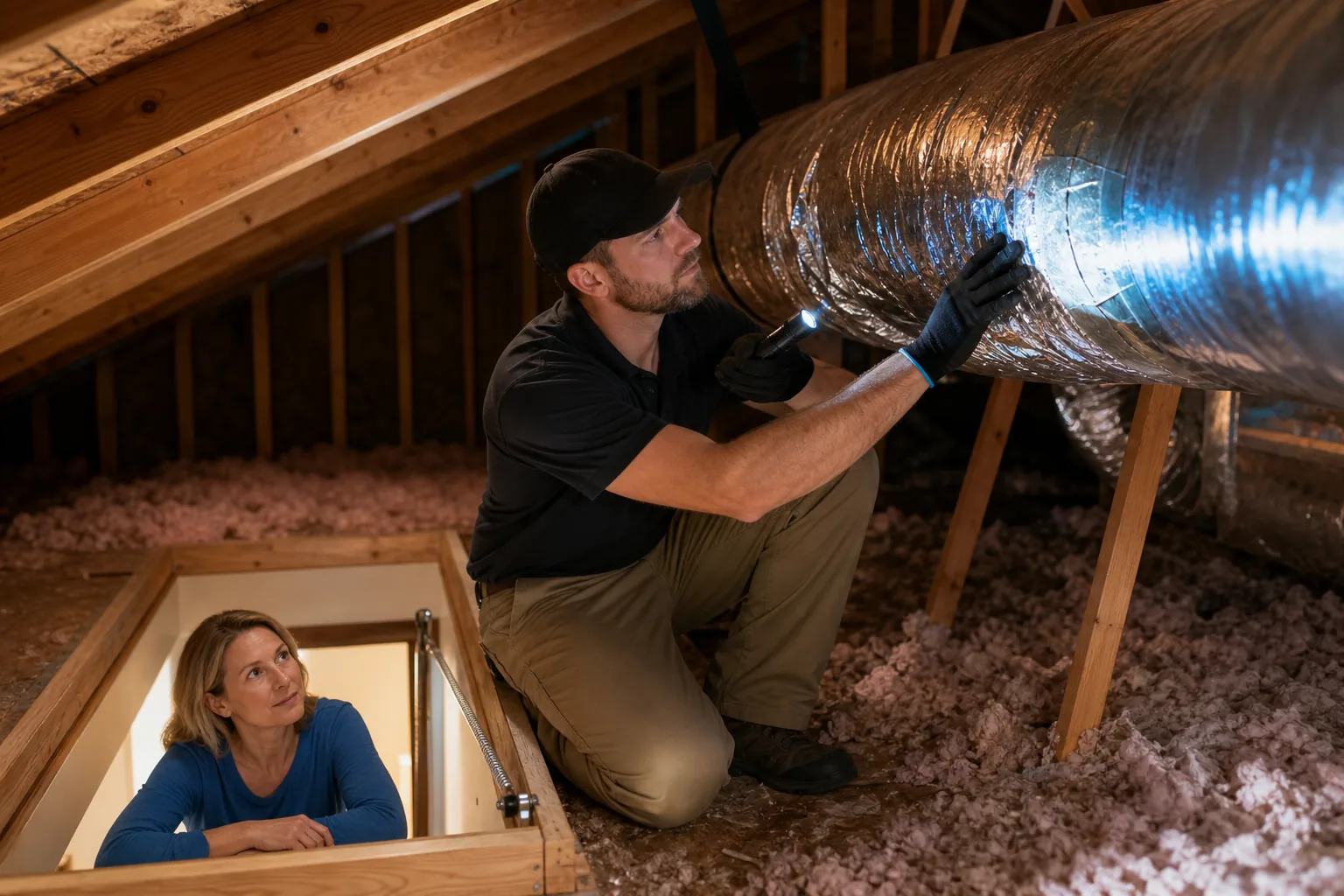
Next, inspect the attic from a safe access point. Look for bare areas, insulation that has been compressed, or gaps around the hatch. Don't step between ceiling joists or move materials if you can't do so safely. If you see signs of moisture, damaged wiring, or an uncertain material, pause and ask a qualified professional to assess it.
For an overview of the topic, see sealing and insulation . Air sealing and added insulation can provide up to 10% savings on annual energy bills. Results depend on the home and the work done.
Don't cover attic vents or recessed lights unless the fixture and insulation instructions allow it. In foothill communities such as Grass Valley and Penn Valley, an attic may face strong summer heat as well as cold winter conditions, so have insulation needs assessed for the whole space rather than adding material wherever it seems thin. For HVAC help along the way, contact Home Worx Heating and Cooling for local service.
Do this work before planning a major equipment replacement. A tighter, better-insulated home may have a different heating and cooling load, which affects what size system it needs. If you're weighing a seasonal heating plan too, our winter heating bill tips cover household steps that can support the envelope work.
Key Takeaway:Seal and insulate first, then assess whether the HVAC system still struggles to keep rooms comfortable.
Step 3: Improve HVAC Performance and Seal Ducts
Once leaks and insulation are on your list, check the heating and cooling equipment. Begin with the filter. ENERGY STAR advises checking it monthly during heavy-use months. If it looks dirty after a month, replace it; at minimum, change it every three months, or follow the filter maker's instructions.
A clogged filter can slow airflow and make the system work harder. Keep supply vents and return grilles clear of furniture or rugs. If one room feels stuffy while another is comfortable, note the pattern. Don't close multiple vents as a quick fix, since restricted airflow can affect system operation.
Ducts deserve a look, especially where they pass through an attic, garage, crawlspace, or other unheated area. Check for loose joints, damaged insulation, or air escaping at a seam, but only inspect areas you can reach safely. Sealing and insulating ducts can improve HVAC efficiency by as much as 20 percent, and ducts in unconditioned spaces are a sensible place to start.
ENERGY STAR also recommends a yearly tune-up. If equipment is more than 10 years old or no longer keeps the home comfortable, ask a qualified HVAC contractor to evaluate it. A replacement should follow envelope and duct repairs when possible. A new unit can't fix a major leak or poorly sealed duct by itself.
Installation quality matters, too. ENERGY STAR notes that improper installation can reduce a new system's efficiency by up to 30 percent. Ask the contractor how the system will be sized for your home and what checks confirm it is working as intended. We provide HVAC installation, repair, maintenance, heat pump service, and ductwork service in our local service area.
Home Worx Heating and Cooling serves homeowners in Lincoln and nearby communities. Our team can assess HVAC concerns and discuss whether repair, maintenance, or replacement fits the situation. For routine homeowner checks, our air-conditioning efficiency tips cover filter care and everyday system habits.
Step 4: Reduce Heat Gain and Upgrade Everyday Energy Users
After improving the shell and HVAC system, reduce heat entering the home and review other large energy users. In summer, close blinds or curtains on windows in direct afternoon sun. Open them when the sun has moved away if outdoor conditions allow. Shade trees can also reduce direct sun on parts of a home, but keep growth clear of the outdoor HVAC unit so air can move around it.
Look at lighting, appliances, and water heating when an item needs repair or replacement. ENERGY STAR identifies these as areas where qualified products may reduce energy use. Replacing a working appliance just to chase a label may not be the best next step. Compare the likely energy use with the cost and expected life of the new item.
Windows are another choice, but replacement isn't always the first fix. If a window has a small draft, caulk or weatherstripping may help. If the frame is damaged or the glass is failing, get an assessment before choosing a replacement. ENERGY STAR notes that window recommendations should fit the local climate.
In a Roseville home, for example, afternoon sun on west-facing rooms may be the main comfort issue. In a Penn Valley home, the first concern might instead be a cold room or heat escaping through an attic. Match the measure to what you observed in Step 1, and avoid treating every home as if it has the same weak spot.
Once efficiency work is in place, you can consider renewable energy systems such as solar. ENERGY STAR places renewable energy among measures to consider after energy efficiency improvements. That order matters: reducing waste first can help you understand the home's remaining energy needs before deciding on a larger upgrade.
Home Worx Heating and Cooling can help assess heating and cooling needs when you reach the equipment stage. It offers HVAC installations and financing options, including a new system installation plan from $120 a month. Terms and conditions apply, so ask for details and compare the full proposal with your budget.
Step 5: Check Results, Incentives, and Your Next Upgrade
Use the baseline from Step 1 to see whether your changes are working. Compare energy bills from similar seasons, not a hot month with a mild one. Also track comfort: note whether the room that used to run hot now holds its temperature, or whether the system runs for less time.
Keep a simple record of the work. Write down what changed and when, then save receipts, equipment details, and any contractor paperwork. For a rental or small commercial property in Lincoln, this record can help a property manager keep track of work across units and plan the next repair.
Before buying equipment, check whether current federal, California, utility, or local incentives apply to your project. Program rules can change, and eligibility may depend on the equipment, household, installation, or project savings. Confirm the terms with the program administrator before signing a contract or counting a rebate toward your budget.
Some home energy rebate programs use modeled or measured savings thresholds. Don't assume that an upgrade qualifies based on its name alone. Ask what documentation the program requires, when the work must happen, and whether envelope measures need to come before mechanical upgrades. Local permit needs can also depend on the work and jurisdiction, so check with the relevant building department before construction begins.
Use this order when deciding what to do next: address safety concerns, fix major air leaks, improve attic insulation, seal ducts, then evaluate equipment. Everyday changes and appliance upgrades can follow as they fit your home's condition and budget. This sequence makes it easier to avoid paying for new HVAC equipment before you know whether the home itself needs attention.
We serve Auburn, Colfax, Rocklin, Roseville, Grass Valley, Penn Valley, and Lincoln. Home Worx Heating and Cooling can help with local HVAC maintenance, repair, and installation questions as you plan the next step.
Frequently Asked Questions
What is the first step to make a home more energy efficient?
Start by checking where your home loses energy and recording your utility use. Review bills from similar seasons, then note drafts, uneven rooms, and attic or duct concerns. A home energy assessment can identify issues that aren't visible during a basic walk-through. This gives you a better basis for choosing repairs before replacing equipment.
Should I insulate or replace my HVAC system first?
Address major air leaks and insulation problems before replacing HVAC equipment when it is safe and practical to do so. The home's heating and cooling needs may change after the building shell improves. Then have a qualified contractor assess the system and size any replacement for the home's current condition.
How often should I change my HVAC filter?
Check your filter every month during heavy heating or cooling use. Replace it if it looks dirty after a month, and change it at least every three months unless the filter maker gives different instructions. A clean filter helps maintain airflow, but it won't fix duct leaks or an equipment problem.
Can a new HVAC system lower energy use?
A new system may use less energy than an older or poorly performing one, but the result depends on proper sizing and installation. First address major air leaks and duct issues. Ask a contractor to evaluate the home and explain how the proposed system fits its heating and cooling needs.
How can I tell if an energy upgrade worked?
Compare energy bills from similar weather periods and track comfort in the rooms that had problems. Note when the work was done and what changed. A lower bill can be useful evidence, but weather and household habits also affect energy use, so look at more than one month before judging the result.
Conclusion
Start with an energy check, then seal and insulate before making a major HVAC decision. Keep notes so you can judge the results and choose the next upgrade with care. If your home in Placer or Nevada County needs an HVAC assessment, contact Home Worx Heating and Cooling to discuss local service options.