
How to Keep House Cool Without AC
A dry Sierra foothill home can stay far cooler without running traditional AC. Evaporative cooling may lower air temperature by 15 to 40°F in the right weather, while shade and night ventilation cost little. Use these steps in order, then decide if your home needs a larger upgrade.
We pulled July temperature data for five Placer and Nevada County towns from Weather Spark's station-based records: Auburn, Colfax, Grass Valley, Roseville and Lincoln. Average July highs ranged from 88°F in Grass Valley to 95°F in Roseville, with lows near 59°F to 66°F across the same towns. The gap between daily high and low averaged 30°F across the five towns, from 26°F in Auburn to 33°F in Lincoln. A swing that size makes early-morning and after-sunset window ventilation effective for flushing daytime heat from a foothill home.
Table of Contents
Step 1: Block Sunlight and Heat Before It Enters
To learn how to keep house cool without ac, start with the sun. Heat that never enters your home is easier to manage than heat trapped in rooms, walls, and furniture.
Walk around your home during the hottest part of the day. Find the windows where sunlight lands directly, with extra focus on west-facing glass. Afternoon sun can turn a bedroom or living room into the hottest space in the house.
Close blinds, curtains, or shades before the sun reaches the glass. Light-colored or reflective backing helps send sunlight back out. Some shades add an air pocket near the window, while heavier curtains can work well in bedrooms.
Exterior shade works even better because it blocks sunlight before it reaches the window. Try temporary outdoor shade on the worst window. Keep fire safety in mind when adding plants or shade structures near a home in Colfax or Auburn.
Reflective window film is useful when you still want daylight or a clear view. It can be a good fit for south-facing glass in Rocklin and Roseville, as well as bright rooms in Grass Valley, where a room can heat up quickly. Check the film instructions before cleaning it. Some films can lose their warranty when cleaned with ammonia.
Also seal easy air leaks. Add weatherstripping around doors, caulk gaps around window trim, and check the attic hatch. Shading, insulation, and air sealing are parts of the same cooling plan.
Start with the two windows that cause the most heat. You don't need to cover every pane at once. This approach can help homes in Penn Valley and Lincoln target the biggest sources of afternoon heat first.
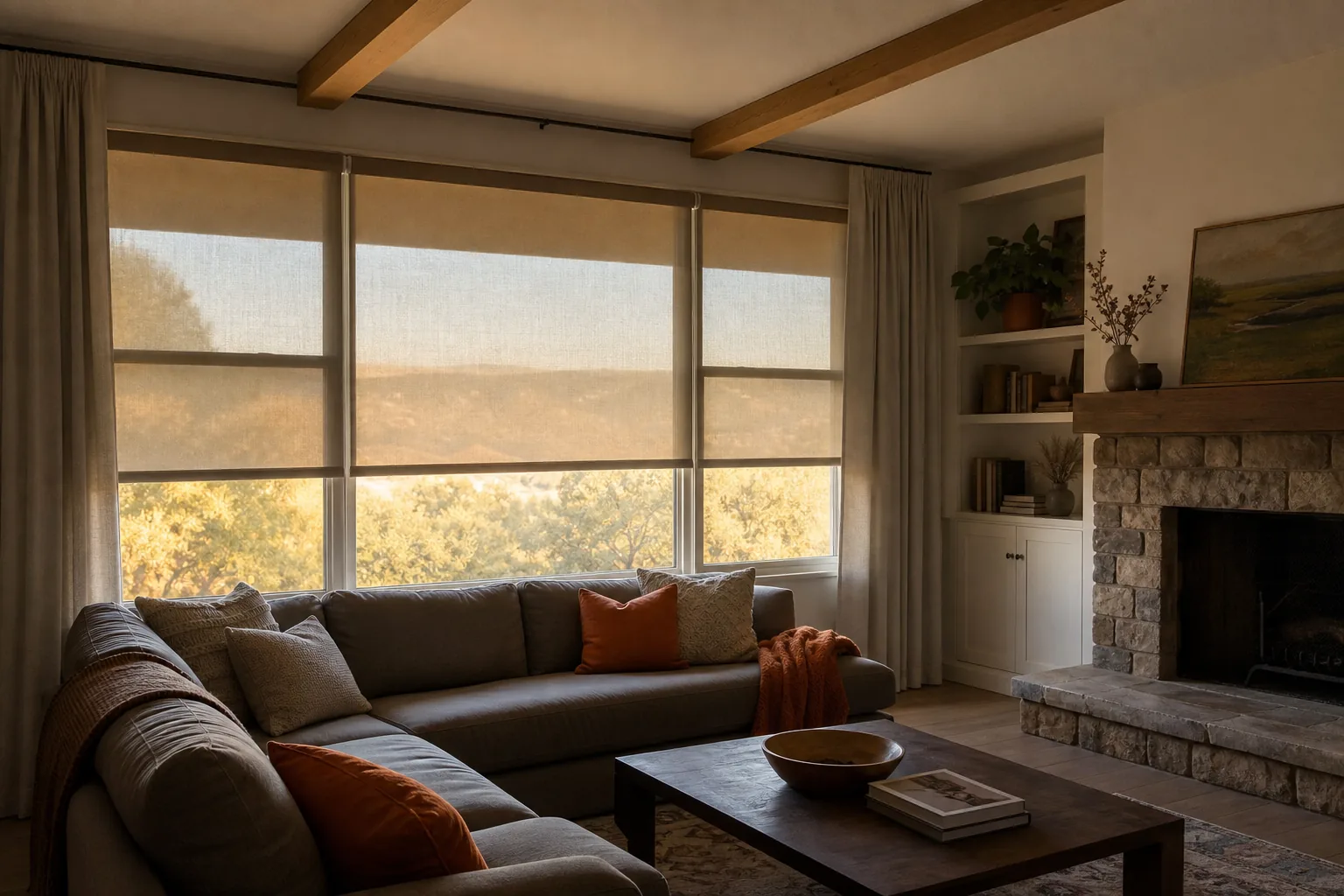
Key Takeaway:Close sun-facing window coverings before the room heats up, then add exterior shade where indoor treatments aren't enough.
Step 2: Ventilate at the Right Time of Day
Good timing is the heart of how to keep house cool without ac. Open windows when outdoor air is cooler than indoor air, then close the house before the heat returns.
In many foothill homes, the best window is early morning. Open windows on opposite sides of the house while the outside air still feels cool. This creates cross-ventilation instead of leaving warm air to sit in one room.
Repeat the process after sunset. Check the indoor and outdoor temperature first. If the outside air is warmer, leave the windows shut. Opening them too soon can bring the day's heat inside.
For stronger airflow, place a box fan in a high window and point it outward. Hot air rises, so an upstairs window often makes a better exhaust point. Open a lower window on the shaded side of the home to let cooler air enter.
Try this routine:
Open windows early in the morning while outside air is cooler.
Close windows and blinds before late-morning heat builds.
Open windows again after sunset when outdoor air drops below the indoor temperature.
Run the exhaust fan until the house feels cooler, then close the windows before dawn.
Keep windows closed during wildfire smoke, heavy dust, or poor outdoor air quality. A cool room isn't worth bringing smoke indoors. Homes in Grass Valley and Penn Valley may also need a different schedule when nighttime temperatures stay high during a heat wave.
A whole-house fan can make this routine faster. It pulls cool air through open windows and pushes hot air toward attic vents. The fan only works when the outside air is cooler, though. It also needs proper venting and safe operation around gas appliances.
By now, you should have a simple daily schedule: shade during the day, flush heat after sunset, and seal the house before outdoor temperatures rise.
Step 3: Create Airflow With Fans and Evaporative Cooling
Fans don't lower the room's actual temperature, but they can make you feel cooler by moving air across your skin. That makes them one of the simplest tools for keeping a house comfortable without AC.
Set ceiling fans to rotate counterclockwise when viewed from below. This pushes air down toward people. Turn the fan off when you leave the room because an empty room gets no comfort benefit.
Point a portable fan at the people in the room, not at a wall. If you have two fans, place one near an open window to exhaust hot air. Put the second one across the room where it can move the incoming air toward you.
Evaporative cooling adds another layer. A cooler draws warm air across water-saturated pads, then sends cooler air into the room. It works best when the air is dry. If indoor humidity rises too far, the room may feel sticky and mold risk can increase.
The Sierra foothills, including Auburn, Colfax, and Rocklin, often have dry summer periods, but conditions change. Check humidity before buying a large evaporative unit. Conditions can also vary in Roseville, Grass Valley, and Penn Valley. For a small test, place a shallow bowl of ice in front of a fan. Expect a small cool zone near the airflow, not whole-house cooling.
Method | Best use | Main limit |
Ceiling fan | Cooling people in occupied rooms | Doesn't lower room temperature |
Window fan | Exhausting hot air at night | Needs cooler outdoor air |
Portable evaporative cooler | Dry rooms or focused cooling | Adds moisture to indoor air |
Whole-house fan | Flushing heat from the full home | Needs open windows and proper venting |
When comparing options, review swamp cooler versus air conditioner choices alongside local humidity and outdoor-air conditions. A fan may be all you need in a dry bedroom. A sealed cooling system may be safer when outdoor air is smoky.
Keep water-based coolers clean. Follow the unit's pad and filter schedule, empty standing water, and stop using the cooler if you see mold or smell stale moisture. In Lincoln, where dry heat can feel sharp, evaporative cooling may work well during the right weather window. It is still a climate tool, not a cure for every hot day.
Pro Tip:Use fans to cool people during the day, then use window or whole-house ventilation at night to remove heat from the building.
For local cooling guidance in Auburn, Colfax, Rocklin, Roseville, Grass Valley, Penn Valley, and Lincoln, contact Home Worx Heating and Cooling .
Step 4: Reduce Heat From the Attic, Roof, and Appliances
A hot attic can keep rooms warm long after sunset. If you want to keep your house cool without ac, inspect the attic before buying more fans.
Look for thin insulation, gaps around the attic hatch, blocked soffit vents, and crushed insulation near the roof edge. Insulation slows heat moving through the ceiling. Air sealing stops hot attic air from leaking into the living space.
Passive attic ventilation can help move hot air out without electricity. A solar attic fan can also exhaust heat while the sun is shining, but it must match the attic's existing intake and exhaust design. Adding a fan to a poorly vented attic may not fix the main problem.
Ask a qualified professional to check the attic before changing vents or adding insulation. Before sealing and insulating, identify leaks and moisture risks with an inspection .
Reduce indoor heat at the same time. Use the oven late in the evening or choose a lower-heat cooking method on very hot days. Run the dryer and dishwasher after sunset. Choose lighting that produces less heat during use.
Pay attention to warm electronics in small rooms. Computers, televisions, or groups of chargers can add noticeable heat when the windows are closed. Shut down equipment you aren't using.
Roof color and roof condition also affect attic heat. A suitable roof improvement may help, but check product rules, roof warranties, and local requirements first. Don't make a roof change as a quick fix for missing insulation.
Homes in Rocklin, Roseville, and Lincoln may have different roof layouts and attic access. The right fix depends on the actual weak point. A small air leak at an attic hatch can matter more than a new powered fan. Auburn and Colfax homes may have different attic conditions as well, so inspect before choosing a solution.
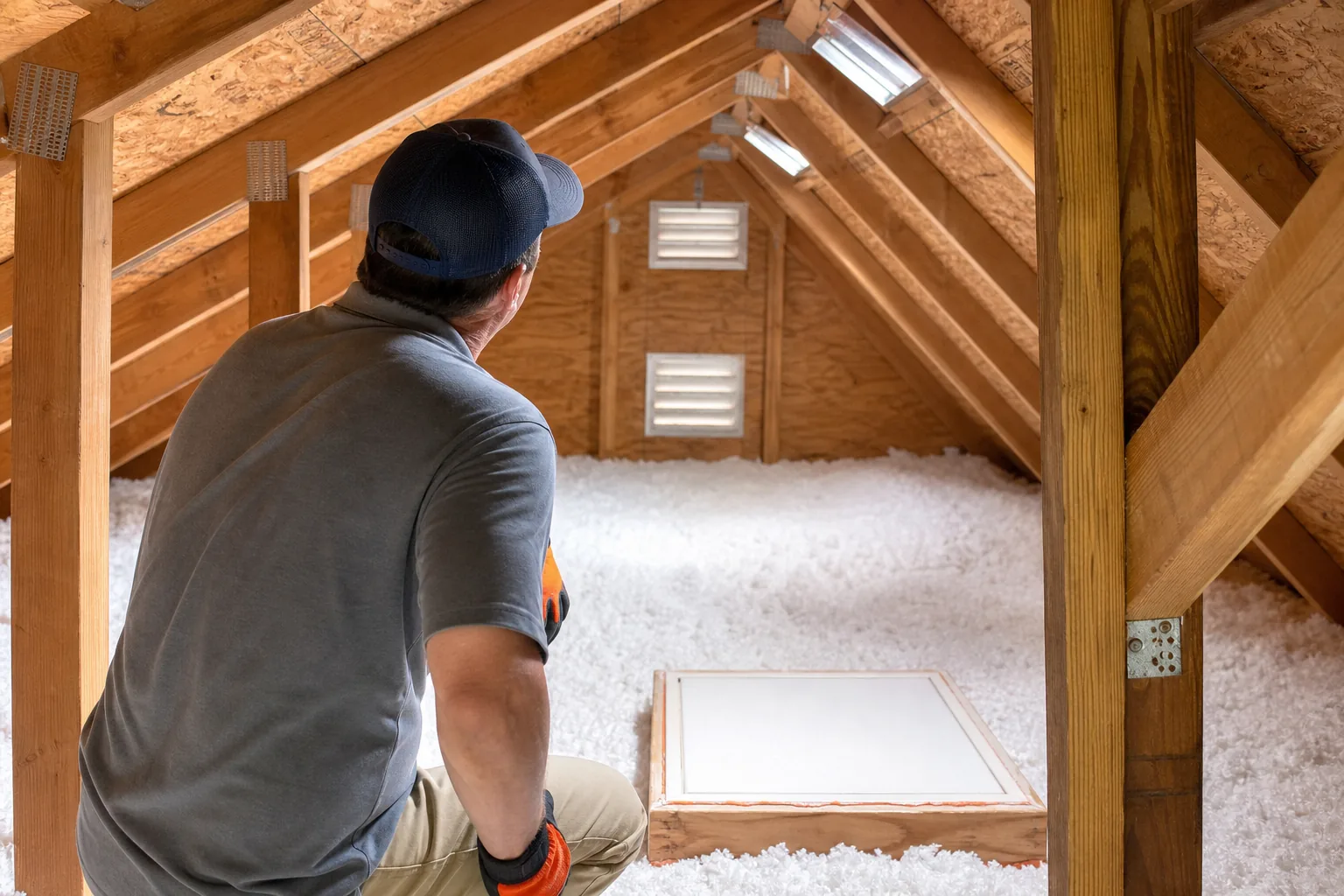
Once the attic is sealed and insulated, shift your focus to the largest indoor heat sources. That order keeps you from spending money to move heat that you could have stopped. Homes in Grass Valley and Penn Valley can benefit from the same careful inspection. For local guidance, contact Home Worx Heating and Cooling.
Step 5: Choose a Whole-Home Cooling Upgrade When Needed
Passive methods may handle many days, but some homes need a whole-home cooling upgrade. The right choice depends on heat, humidity, smoke exposure, ductwork, and how much control you want.
A whole-house fan is a strong fit when evenings cool down and the home has usable attic venting. It can flush hot indoor air quickly, but it won't help much when outdoor temperatures stay above indoor temperatures. Never run one carelessly around fuel-burning appliances because negative pressure can pull combustion gases into the home.
A targeted room-by-room cooling approach can cool one room or a small group of rooms without adding full ductwork. This can suit a converted garage, guest room, addition, or home with one problem area. Sizing and indoor-unit placement matter; see the room-by-room cooling installation guide .
A ductless heat pump can also provide heating in winter. That matters in Grass Valley, Penn Valley, and Colfax, where summer cooling is only half the comfort problem. Ask for a load calculation instead of choosing equipment by room size alone.
Home Worx Heating and Cooling helps homeowners compare these options across Auburn, Colfax, Rocklin, Roseville, Grass Valley, Penn Valley, and Lincoln. We look at the home's layout, attic, electrical needs, and outdoor air conditions before recommending equipment.
Cost data for non-AC cooling methods is limited. One research set lists a full-size evaporative unit at roughly $1,100 to $2,400 installed, while many passive options lack reliable cost data. That gap is why a written local estimate is more useful than a generic online price.
California permit rules may apply to electrical work, roof changes, or HVAC installation. Rebate rules can also change, so ask about current state or federal programs before signing a contract. Home Worx Heating and Cooling can help you identify which questions belong in the quote.
Decision rule:Choose passive cooling first when nights are cool. Get a professional assessment when heat, smoke, humidity, or poor insulation keeps defeating the basic steps.
FAQ: Keeping a House Cool Without AC
How do I cool my house fast without AC?
Open windows only when outdoor air is cooler, then use a fan in a high window to exhaust hot air. Close sun-facing blinds during the day. Move to the coolest room while the house flushes. In dry weather, an evaporative cooler can add a stronger cool zone, but it also adds moisture.
Does putting ice in front of a fan cool a room?
Ice in front of a fan can cool the air directly in front of the fan, but it usually won't lower the temperature of a whole room. The effect works best in dry air. Use a tray that can catch water, keep the fan dry, and treat this as spot relief rather than a replacement for ventilation.
Should I open windows when it is hot outside?
Keep windows closed when outdoor air is hotter than indoor air. Open them in the early morning or after sunset once outside temperatures drop. Create a path between opposite sides of the home. Close windows again before the next warm period, and keep them shut during wildfire smoke.
Are evaporative coolers good for Northern California?
Evaporative coolers can work well in dry Northern California weather, but results depend on humidity. They add moisture as they cool, so performance drops when the air is already damp. Check indoor humidity first. If smoke or high humidity is common, a professionally assessed cooling system may be a better fit.
When should I call an HVAC contractor?
Contact an HVAC contractor when your home stays hot after shading, ventilation, and attic checks, or when you need electrical, roof, duct, or combustion-safety work. Home Worx Heating and Cooling can assess homes in Placer and Nevada counties and compare a whole-house fan, ductless system, heat pump, or other option. For local guidance in Auburn, Colfax, Rocklin, Roseville, Grass Valley, Penn Valley, or Lincoln, contact Home Worx Heating and Cooling for service.
Conclusion
Start tonight by shading the hottest windows, then flush the house with cool evening air. If those steps don't hold comfort through the day, contact Home Worx Heating and Cooling for a local assessment in Auburn, Colfax, Rocklin, Roseville, Grass Valley, Penn Valley, or Lincoln. We'll help you choose a cooling plan that fits the home, the weather, and your budget.