
Why Is My AC Unit So Loud? Causes and Fixes
A loud AC can point to something small, such as a loose panel, or a serious motor or electrical fault. The sound itself gives you useful clues, but it doesn't tell you to open the unit. Start with a safe visual check, then shut the system down when the noise is harsh, new, or paired with poor cooling.
Home Worx Heating and Cooling helps homeowners across the Sierra foothills sort out that next step without guesswork.
Table of Contents
What Different AC Noises Usually Mean
When you're asking why your AC unit is so loud, begin with the sound and when it happens. A noise at startup points to a different problem than one that continues while the fan runs.
Buzzingmay come from debris, a loose part, or an electrical component. If the outdoor fan isn't turning while the indoor blower runs, shut the system off. A technician needs to test parts such as the capacitor, contactor, wiring, or motor. If the noise is paired with poor cooling or repeated startup trouble, review these signs of a failing AC compressor without opening the equipment.
Rattling or vibrationoften starts with a loose exterior panel, screw, or fan guard. Debris can also strike the fan. A light cabinet rattle may be simple, but a sudden bang or worsening vibration needs prompt service.
Clickingonce at startup can be normal. Repeated clicking is different. It may point to a thermostat signal, relay, contactor, or another electrical fault.
Squealing or screechingusually means a moving part is wearing. A blower motor bearing, belt, or fan motor may be rubbing or losing its smooth motion. Turn the system off rather than waiting for the sound to stop on its own.
Hissingthat continues during operation can point to escaping air or a refrigerant problem. If it comes with weak cooling, ice, or a bubbling sound near the indoor coil, stop the AC and arrange service.
Whistlingis often linked to restricted airflow. A dirty filter or blocked vent can make air squeeze through a narrow opening. Replace the filter and check visible vents first. If the whistle remains, the duct system or blower needs a closer look.
Research gathered for this topic found that 27 of 39 listed noise causes were marked as requiring professional service. That leaves room for simple checks, but the numbers support a cautious approach when the sound comes from inside the equipment.
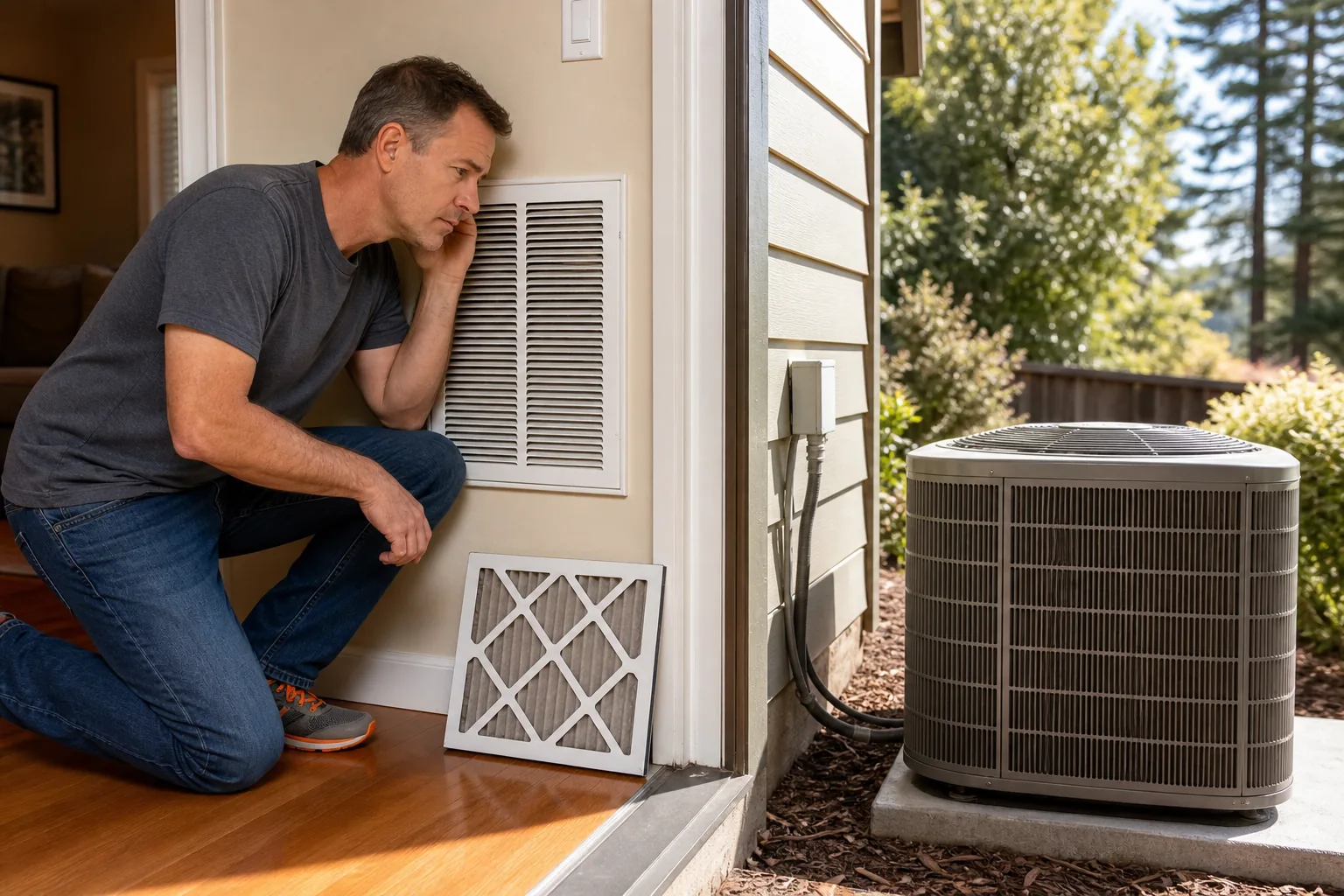
Key Takeaway:A loose panel or dirty filter may be safe to check. Electrical, refrigerant, motor, and metal-on-metal sounds call for a trained HVAC technician.
Indoor Versus Outdoor AC Noise: Where to Listen First
If you're still wondering why your AC unit is so loud, find the source before you decide what to do. Stand near the indoor air handler first, then listen outside near the condenser without touching it.
Indoor noise often comes through the vents or return grille. A high whistle can mean a dirty filter or blocked airflow. A rattle from the ceiling or closet may come from loose duct metal, a blower wheel, or a cabinet panel. Hissing near the indoor coil deserves more care, especially when cooling has dropped.
Check the thermostat too. Fan mode can keep the indoor blower running even when the compressor is off, which may make the house seem louder than usual. If the system runs but the air feels warm, a guide to common AC cooling problems can help you sort out airflow, thermostat, and refrigerant clues.
Outside, a steady fan and compressor hum can be normal. A new grind, screech, bang, or harsh buzz is not. A fan that hums but doesn't spin is a reason to turn the thermostat to Off. Continued operation can overheat the compressor or damage the motor.
Don't put a hand, stick, hose, or screwdriver near the outdoor fan. Don't oil the motor or remove panels to reach electrical parts. Outdoor condensers contain moving equipment and high voltage.
For a homeowner in Auburn, the same listening order works as it does in Roseville or Rocklin. It also works for homeowners in Colfax, Grass Valley, Penn Valley, and Lincoln. Note the location, the exact sound, whether the fan spins, and whether the air is still cold. Those details help Home Worx Heating and Cooling narrow the fault faster.
Which Loud AC Sounds Are an Emergency?
A loud AC noise is an emergency when it comes with a safety warning or a sign that the unit is failing fast. Turn the thermostat to Off if you hear grinding, metallic banging, harsh screeching, or loud buzzing with no outdoor fan movement. For homeowners in Auburn and Rocklin, the same warning signs apply.
Also shut the system down if you notice any of these signs:
A burning smell near the indoor or outdoor unit.
Smoke, scorched insulation, or visible wiring damage.
A breaker that trips again after one reset.
Ice on the refrigerant line or indoor coil.
Water near the air handler or a fast loss of cooling.
A sharp bang that repeats each time the system starts.
Metal-on-metal banging can mean a damaged fan blade, a loose mount, or a part moving inside the cabinet. Grinding and screeching can mean bearing wear. Neither sound improves because you let the unit run longer.
A loud buzz deserves special care. The cause might be a loose panel, but it might also involve the contactor, capacitor, wiring, or compressor. You can't confirm that safely by ear. Keep clear of the cabinet and arrange a professional check.
Hissing deserves a similar response when it is continuous. Refrigerant work isn't a homeowner task, and adding refrigerant without finding the leak only hides the fault for a while. Regular professional maintenance can identify issues that a visual check misses. This is especially important for homes in Roseville and Penn Valley.
Home Worx Heating and Cooling provides emergency repair service for homeowners in Colfax, Grass Valley, Auburn, Rocklin, Roseville, Penn Valley, Lincoln, and nearby communities. If the unit smells hot or trips the breaker, leave it off until help arrives.
Safe Checks You Can Make Before Calling an HVAC Professional
Before calling about a loud AC, you can inspect a few outside parts without opening the equipment. These checks help with simple airflow or debris problems, and they give your technician better information.
Start inside
Set the thermostat to Cool. Set the fan to Auto. Then check the filter behind the return grille or inside the air handler. Hold it up to a light. If dust blocks much of the surface, replace it with the correct size.
Walk through the rooms and make sure supply vents are open. Move furniture away from them. A blocked vent can create a whistle and force the blower to work harder. If your AC is also blowing warm air, check the thermostat before assuming the compressor has failed.
Look around the outdoor unit
Turn the thermostat off before clearing leaves, grass, or stored items from around the condenser. Keep plants and objects away from the cabinet. Look for a loose exterior panel, but don't remove the cabinet or reach through the grille.
Look at the fan without touching it. When the AC runs, the fan should spin. If it doesn't, or if it starts with a loud hum, turn the system off again. Never try to push the blade into motion.
Check for ice and water
Ice on the copper line or indoor coil can come from restricted airflow, a blower problem, or low refrigerant. Turn the system off and let the ice melt. Don't chip it away or use a heat gun. If it freezes again, the cause needs professional testing.
Water near the indoor unit may come from a blocked drain or melting ice. Protect the floor, shut the system down, and arrange service if the leak continues.
Pro Tip:Record the sound for ten seconds from a safe distance. Note whether it starts at startup, changes with the fan, or stops when the thermostat is off. A short recording can make the service visit more efficient.
Homeowners in Penn Valley and Lincoln may notice extra dust after dry, windy weather. In Roseville, summer heat can make a weak outdoor fan show up quickly. Either way, keep the inspection visual. Don't test capacitors, contactors, refrigerant pressure, or live wiring yourself.
Preventing Loud AC Problems in Placer and Nevada Counties
Preventing AC noise starts before the first hot week. Sierra foothill homes face hot, dry summers, winter cold, dust, pollen, and wind-blown plant debris. That mix can restrict airflow or shake loose outdoor cabinet parts.
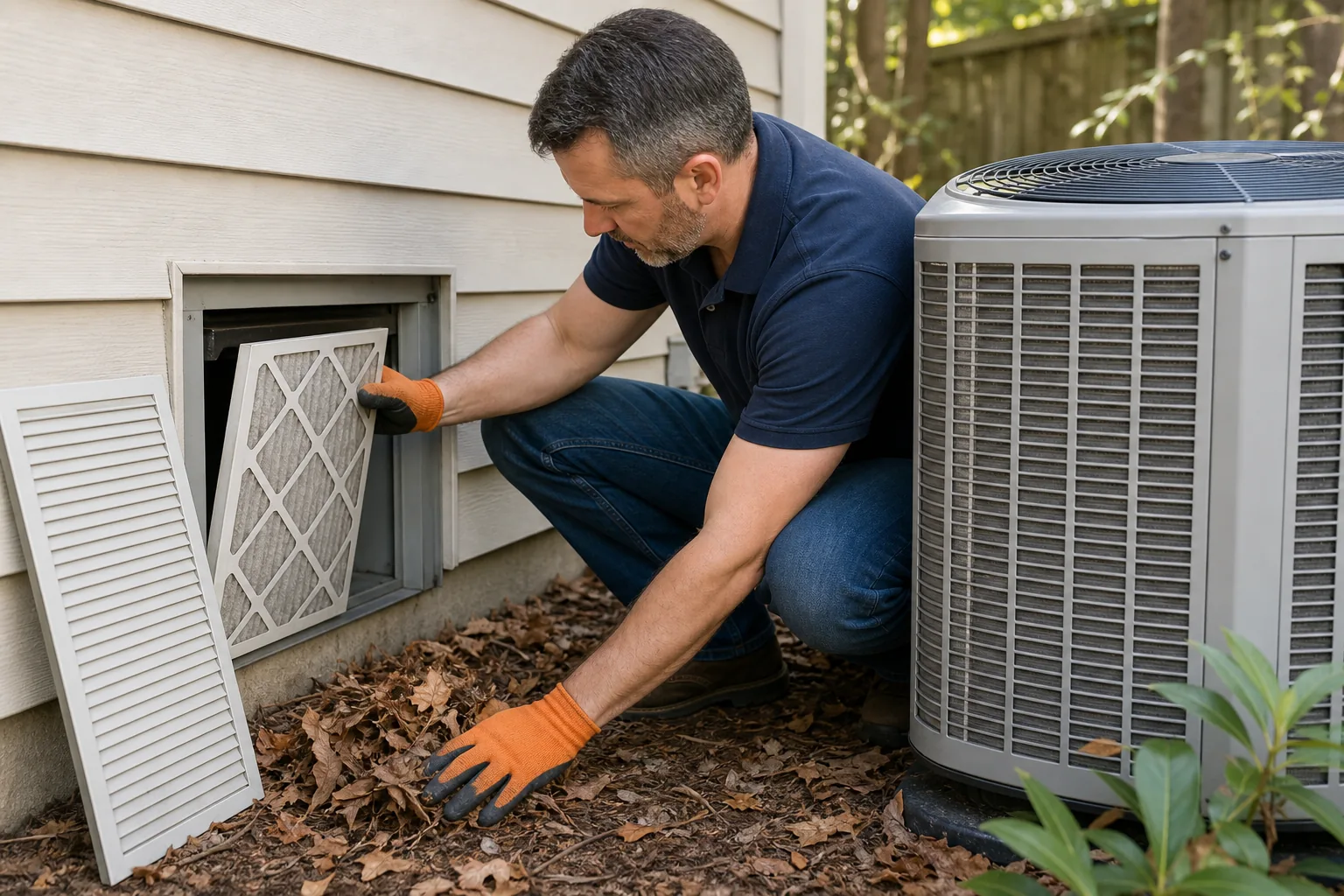
Replace a loaded filter before cooling season gets busy. Keep the condenser area clear after yard work. Check that the cabinet has not shifted after a storm or impact. These small checks can catch a rattle before it becomes a fan or motor problem.
Schedule maintenance before you need full cooling. A technician can inspect the blower, fan motor, electrical connections, coil condition, refrigerant circuit, and drain system. We don't recommend waiting for a strange noise to become a no-cooling call.
Maintenance also helps you decide when repair still makes sense. An older system with repeated motor or compressor trouble may cost more to keep running than a replacement. Home Worx Heating and Cooling can explain both paths instead of pushing one answer.
For larger work, ask about permit needs in your California city and check current PG&E or state rebate rules before approving an installation. Available programs can change, so confirm the terms at the time of the project. Home Worx also lists financing for a new HVAC system at $120 per month, or about $4 per day, subject to its terms and approval.
That option may help a homeowner in Colfax, Auburn, Rocklin, Roseville, Grass Valley, Penn Valley, or Lincoln who faces a professional-only failure and an aging system. Diagnosis should come first. Replacement is a decision made from the repair findings, system age, comfort needs, and budget.
FAQ
Why is my AC unit so loud all of a sudden?
A sudden loud AC noise often means a loose part, damaged fan, failing motor, electrical fault, or debris in the outdoor unit. Turn it off if the sound is harsh, metallic, or paired with poor cooling. You can check the filter and visible debris, but don't open the condenser. Arrange service if the noise remains.
Is a buzzing AC unit dangerous?
A buzzing AC unit can be dangerous when the outdoor fan isn't spinning, the breaker trips, or you smell burning. Shut the system off and keep away from the cabinet. A quiet hum may be normal, but a loud or new buzz needs testing because the cause can involve high-voltage parts.
Can a dirty filter make my AC loud?
Yes, a dirty filter can make an AC loud by restricting airflow and causing a whistle or strain at the return. Turn the system off, replace the filter with the right size, and check that vents are open. If the sound continues after airflow improves, the blower or duct system may need professional inspection.
Should I turn off an AC that is rattling?
Turn off an AC that rattles loudly, starts suddenly, or gets worse while running. A loose panel may be harmless, but vibration can also come from a fan guard, blade, mount, or internal part. You can look for visible debris and loose exterior hardware. Don't reach through the grille or remove access panels.
Turn off an AC that makes a new harsh noise until the cause is checked. Professional-required noises such as metallic banging, motor bearing wear, refrigerant leaks, and electrical buzzing call for a certified technician. Shut it off, note the sound, and contact Home Worx Heating and Cooling for a safe diagnosis.
Get the Noise Diagnosed Safely
Check the filter, vents, and visible outdoor debris first. Then stop the system if the sound is loud, new, metallic, electrical, or linked to poor cooling. Home Worx Heating and Cooling serves Auburn, Colfax, Rocklin, Roseville, Grass Valley, Penn Valley, and Lincoln, so you can arrange local help without taking apart equipment that may be unsafe.