
Best Energy-Efficient Home Heating Options
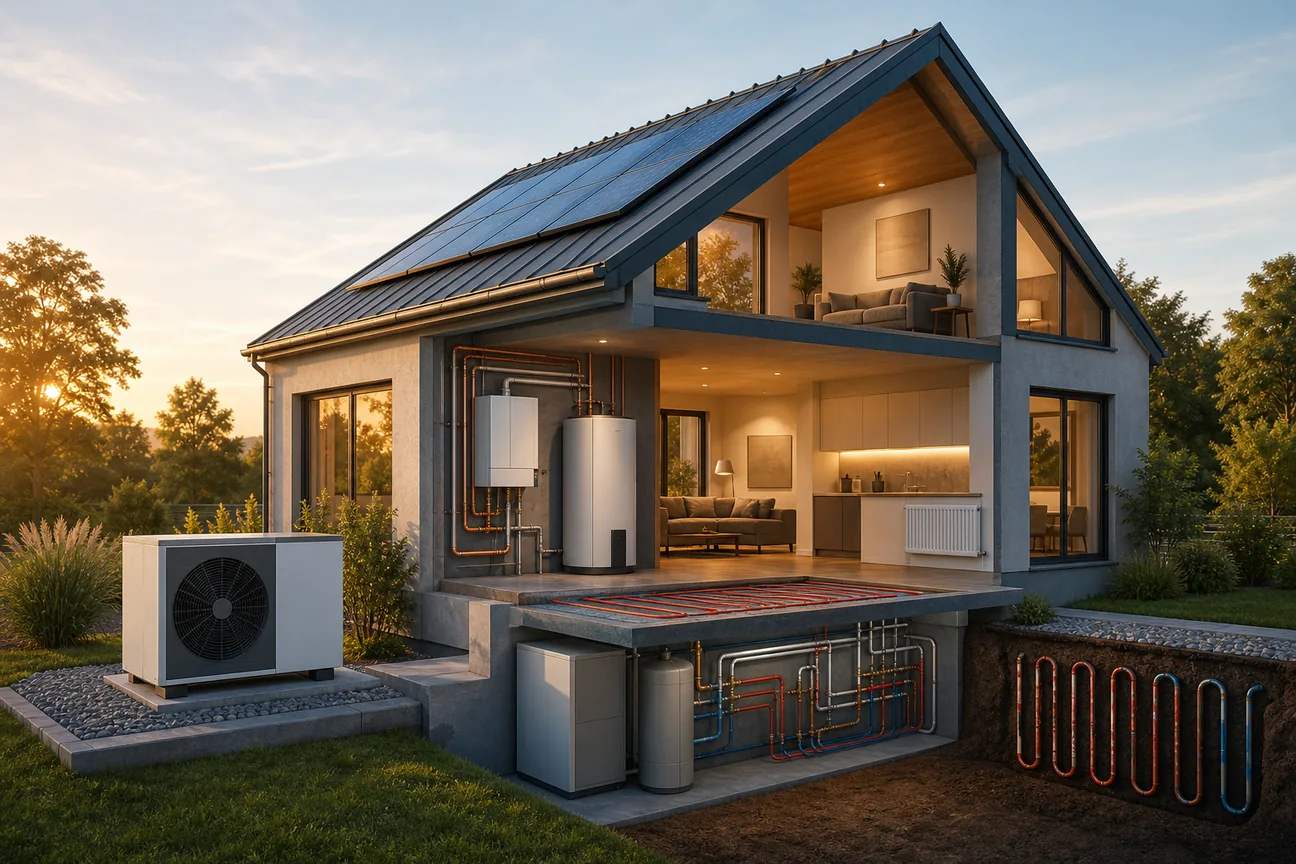
Energy-efficient home heating options can look great on paper and still be a poor fit for your house. In the Sierra foothills, the right pick depends on winter lows, ductwork, space for equipment, and the cost of installation. Here are five systems to compare, plus simple upgrades that help any of them work better.
We analyzed 58 comments and questions from YouTube and Quora about ENERGY efficient home heating options and found that 36% mentioned wood and pellet stoves.
Table of Contents
1. Air-Source Heat Pump: Efficient Heating and Cooling in One System
An air-source heat pump moves heat instead of making it by burning fuel. It can heat your home in winter and cool it in summer, which makes it a strong option for many Northern California homes.

Air-source heat pumps can have a heating COP of 2 to 3. COP means the ratio of heat delivered to electricity used. A COP above 1 means the system moves more heat than the amount of electricity it uses, though the actual result changes with outdoor conditions and system setup.
Air-source heat pumps move heat between indoors and outdoors. For a home with existing ducts, a ducted model may use those runs. Have the ducts checked first. Leaks or poor insulation can waste heat before it reaches the rooms.
In Auburn, Rocklin, or Roseville, one system may cover both heating and cooling needs. In Colfax, Grass Valley, or Penn Valley, where winter cold can be sharper, ask how the selected model performs at low outdoor temperatures and whether backup heat makes sense. A cold-climate model is designed for colder weather, but its capacity can still fall in extreme cold.
Home Worx Heating and Cooling provides heat pump services and heating system installation in the local area. We can assess the home and discuss equipment fit, duct condition, and available utility or state incentives. For a wider system comparison, see our overview of energy-efficient HVAC systems for Northern California homes .
Key Takeaway:An air-source heat pump is a sensible first option when you want one system for heating and cooling, provided the equipment and ducts suit the home.
2. Ductless Mini-Split Heat Pump: Targeted Comfort Without Ductwork
A ductless mini-split is an air-source heat pump with one or more indoor units that heat and cool specific zones. It can fit a home with no ducts, an addition, or rooms that never feel comfortable with the central system.
Compare SEER2 and HSPF2 ratings between models: SEER2 measures seasonal cooling efficiency, and HSPF2 measures heat pump heating efficiency. Installation cost depends mostly on the number of zones, line routing, and electrical work, so ask for a written quote.
That zone control can help in a two-story home where the upstairs gets warm in summer while a downstairs room stays chilly in winter. Instead of conditioning every room the same way, you can set temperatures for the areas served by indoor units. The final layout depends on room size, insulation, window exposure, and how the family uses each space.
Mini-splits can be useful in Grass Valley or Penn Valley homes with older or leaky ducts, as well as homes in Auburn, Colfax, and Rocklin. They also suit a finished garage or a room added after the main HVAC system went in. An installer should check placement, line routing, drainage, and electrical needs before quoting a project.
Home Worx Heating and Cooling offers mini-split installation and ductless heating and cooling. We can help you compare a targeted mini-split with a whole-home heat pump before you commit. If you want a closer look at the tradeoffs, our heat pump and furnace comparison covers common choices for local homes.
A mini-split isn't automatically the right answer for every room. A good plan accounts for open doorways, room use, and whether you need whole-home heating or just better comfort in a few spots.
3. Geothermal Heat Pump: High Efficiency for Long-Term Owners
A geothermal heat pump uses buried pipes, called a ground loop, to exchange heat with the earth. Because ground temperatures change less than outdoor air, the system can work with a steadier heat source.

Geothermal systems have a COP range of 3 to 5 and higher upfront costs. Local energy rates, the home's heating demand, and the loop design all affect operating costs.
Geothermal heat pumps use the ground as a heat source in winter and a heat sink in summer. That stable source can support high efficiency, but installing a loop takes suitable land or drilling. The site itself can rule the system in or out.
Geothermal may be worth a closer look if you plan to stay in the home for many years and have space for the ground loop. For a foothill property with limited yard space, steep terrain, or a tighter project budget, a conventional heat pump may be easier to fit. Compare the full installed cost with expected energy use rather than choosing by COP alone.
Ask the contractor how the loop will fit the property and what site work it needs. Also confirm local permit requirements before work begins. In Colfax or Grass Valley, a site visit can uncover access or terrain limits that a phone estimate cannot.
Pro Tip:Compare geothermal with an air-source heat pump using the same home's heating load and energy rates. A higher efficiency rating alone doesn't show how quickly the extra installation cost could pay back.
4. High-Efficiency Condensing Gas Furnace: A Familiar Fuel-Based Option
A high-efficiency condensing gas furnace burns natural gas to heat air, then sends that air through ducts. Condensing models capture some heat from exhaust that older furnace designs would lose. High-efficiency condensing furnaces are generally rated at 90% AFUE or higher. AFUE is the share of fuel energy converted to heat over a typical heating season.
A furnace can suit a home with working gas service and sound ducts, especially when the owner wants to keep a familiar forced-air setup. It may also be part of a dual-fuel system: the heat pump handles milder weather, then the furnace takes over when conditions or control settings call for it.
Compare more than the furnace rating. Check the duct system, venting, and the home's heating load. An oversized furnace can cycle on and off too often, while leaky ducts send heated air into an attic or crawlspace instead of living areas. Sealing and insulating accessible ducts can help the system deliver its heat where it is needed.
In Roseville or Lincoln, a gas furnace may be a straightforward replacement when the home already has a compatible system. In colder parts of the foothills, a dual-fuel design is one way to keep a furnace available for colder periods. The changeover point should be set for the home, not guessed from a generic rule.
For routine upkeep, replace or clean the filter as directed by its maker and keep return grilles clear. A professional tune-up can check combustion and system operation. Our article on ways to improve furnace efficiency covers filter care, heat loss, and thermostat habits.
Fuel prices and equipment choices affect the cost over time. Compare the installed quote and expected energy use with a heat pump option before deciding, particularly if you also need new cooling equipment.
5. Radiant Floor Heating: Even Warmth for New Builds and Targeted Upgrades
Radiant floor heating warms a room through pipes carrying hot water or through electric heating elements beneath the floor. Hydronic systems use water; electric systems use resistance heating. The warmth comes up through the floor rather than blowing through supply vents.
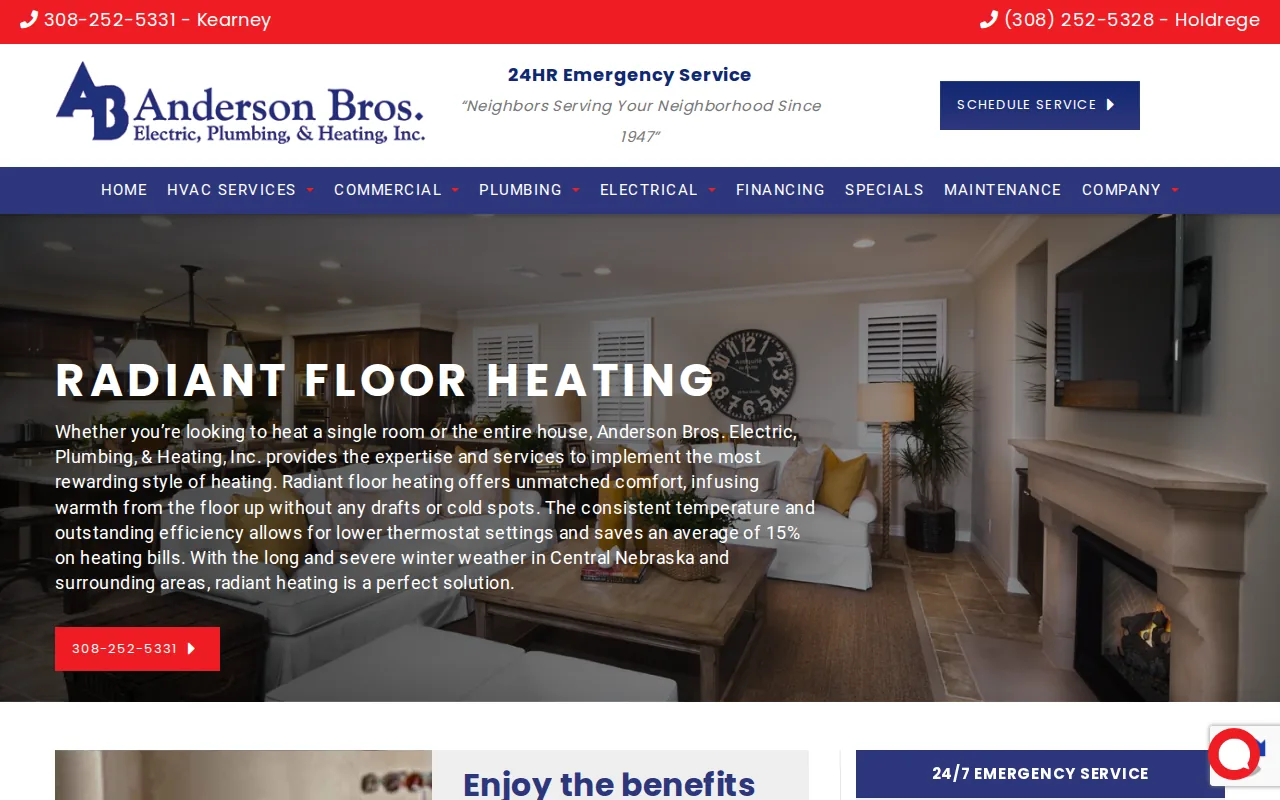
Radiant floors are often easiest to plan during new construction or a major floor renovation. They can also work in a targeted area, such as a bathroom addition, if the floor assembly and heat source suit the project. Radiant floors work well with low-temperature heat sources, including heat pumps.
Because the floor itself warms the room, radiant heat can feel different from forced air. It doesn't depend on a duct run to deliver heat. But installation can involve changes below the finished floor, so the project needs to account for floor height, insulation, controls, and the heat source.
For an existing home in Penn Valley or Auburn, compare the disruption and scope of a floor retrofit with a ductless mini-split. In a new build, radiant heating can be designed alongside insulation and the rest of the heating system, rather than squeezed into a finished room later.
Small building upgrades can also lower heating demand before you pick equipment. Seal drafts around doors and windows, add insulation where appropriate, and use lined curtains at night. Passive solar gain can warm sunlit rooms during the day, while insulated pipe wraps reduce heat loss from accessible hot-water lines. These changes don't replace a heating system, but they may reduce how hard it has to work.
Compare the Five Energy-Efficient Heating Options
Use this table to match a system to the work your home needs. Ask for an in-home assessment that accounts for equipment size, duct condition, insulation, and local permit needs in Auburn and Colfax.
Option | Best fit | What to weigh | Planning note |
Air-source heat pump | Many homes needing heating and cooling | One system handles both seasons | Ask for a site-specific installation estimate |
Ductless mini-split | Homes without ducts or rooms needing separate control | Zones can match how rooms are used | Cost rises with each added zone; ask for a written quote |
Geothermal heat pump | Long-term owners with a suitable site | High efficiency comes with major site work | Higher upfront cost; site work varies |
Condensing gas furnace | Homes with gas service and usable ducts | Compare fuel costs and furnace rating | Condensing models are rated 90% AFUE or higher |
Radiant floor heating | New builds or planned floor renovations | Floor construction shapes the project | Pair with a suitable heat source and controls |
A high COP or AFUE rating can't make up for a poor fit. Ask for a room-by-room heating load calculation and equipment sized to that load. Insulation and air sealing matter, too. Smart or programmable thermostats can help avoid heating an empty home, but the settings should fit your schedule and comfort needs.
Maintenance is part of the system choice. Keep filters clean, leave outdoor heat pump units clear of debris, and arrange professional service based on the equipment maker's guidance. For Rocklin and Roseville homes with year-round heat pumps, regular checks can catch airflow or control issues before they affect comfort.
Off-grid or backup heat is a separate decision from the main system. Supplemental fuel-burning heaters need safe venting and careful operation. Don't run an outdoor heater indoors. Keep appropriate safety devices in the home, and choose equipment rated for the intended space. A masonry heater or other thermal-mass design can store heat, but it usually needs to be planned as part of the building.
California and local permit rules can affect replacement work. For projects in Grass Valley, Penn Valley and Lincoln, confirm requirements with the authority having jurisdiction for your address. Rebate programs also change; check current state and utility rules before counting an incentive toward your budget.
Frequently Asked Questions
What is the most energy-efficient way to heat a house?
There isn't one most efficient system for every house. Geothermal heat pumps can have a high COP, but they need a suitable site and a large upfront budget. For many Northern California homes, an air-source heat pump or ductless mini-split can balance efficiency with installation needs. Sealed ducts, good insulation, correct sizing, and proper setup all affect performance.
Are heat pumps a good choice for Northern California winters?
Yes, heat pumps can suit many Northern California homes, but the model and setup should match local winter conditions. Ask how the system performs during cold snaps and whether backup heat is needed for your home. A contractor should also check insulation and ductwork. Homes in colder foothill areas may need a different design than homes in milder parts of the region.
Is geothermal heating worth the cost?
Geothermal may be worth considering if you plan to stay for many years and your property can support a ground loop. Installation costs vary, so compare the project with other options using your home's heating demand and energy rates. A site assessment is key; limited land or difficult access may change the project.
Do radiant floors use less energy than forced-air heating?
Not by default. Energy use depends on the heat source, insulation, floor design, controls, and how the system is run. Radiant floors can fit a new build or a planned floor renovation, especially with a low-temperature heat source. For an existing room, compare installation scope with a ductless system before choosing.
What can I do to lower heating use without replacing my system?
Start by sealing obvious drafts and checking insulation around the home. Use curtains to limit heat loss at night, keep supply and return vents clear, and set a thermostat schedule that fits your daily routine. Replace or clean filters as directed. If rooms still heat unevenly, ask a contractor to inspect the ducts and system setup.
Conclusion
For many local homes, start by comparing an air-source heat pump with a ductless mini-split; consider geothermal when the site and long-term budget support it. Home Worx Heating and Cooling serves Auburn, Colfax, Rocklin, Roseville, Grass Valley, Penn Valley, and Lincoln. Contact our team for a home assessment and a system recommendation suited to your property.