
How to Improve Indoor Air Quality Naturally

If your home feels stuffier than the fresh air outside, start with the source of the problem. How to improve indoor air quality naturally comes down to a few steady habits: reduce pollution, bring in outdoor air when it’s clean, and keep moisture in check.
We analyzed 31 comments and questions from YouTube and Quora about indoor air quality and found that 26% mentioned fresh air.
Table of Contents
Step 1: Find and Reduce Indoor Pollution Sources
The first goal is to stop pollutants before they spread through your home. Source control is often the most effective way to address indoor air quality problems.
Walk through each room and note what could add smoke, dust, dampness, or chemical fumes. Common sources include cooking, tobacco smoke, cleaning sprays, dust, pet dander, and new furnishings. Check under sinks and around windows for leaks. A musty smell or a damp patch needs attention before you add an air cleaner.
Make a short fix list. Don’t smoke indoors. Use a kitchen exhaust fan while cooking, and run the bathroom fan during a shower if it vents outdoors. Choose lower-emission products when buying paint or furnishings. Use cleaning products as their labels direct, and avoid mixing products. For more ways to weigh source control against filters and other options, see our guide to ways to improve indoor air quality at home .
Dust can also travel in on shoes. Set a mat near the door, then leave outdoor footwear there when you can. A damp cloth picks up settled dust instead of sending it into the air. Vacuum rugs and floors on a regular schedule, especially near entryways and pet beds.
Houseplants can make a room feel welcoming, but don’t count on them to clean the air. There’s no evidence that plants significantly remove indoor pollutants in homes. Overwatering can also leave wet soil or damp surfaces, so use plants for décor rather than air cleaning.
For example, a Roseville homeowner might start by sealing a drafty gap, then check whether a bathroom fan is carrying damp air outside. In a Lincoln kitchen, running the exhaust fan while cooking can help remove moisture and airborne particles at their source.
By now, you should have a short list of pollution sources to remove or control first.
Step 2: Ventilate Strategically When Outdoor Air Is Clean
The goal is to replace stale indoor air without bringing in outdoor pollution. When weather and outdoor air allow, open a window or door to create a path for fresh air to move through the home.
Try opening windows on opposite sides of a room or home for cross-ventilation. You don’t need to leave them open all day. A short airing during a cool, clean part of the day can help, while closing them again keeps out smoke, heavy pollen, dust, or extreme heat. In Auburn, north-facing windows may bring in cooler evening air during hot weather.
Use kitchen and bathroom exhaust fans during cooking or bathing. They work best when they send air outdoors, rather than into an attic or another indoor space. If a fan seems weak or doesn’t clear steam, check that its grille isn’t blocked. A fan that only recirculates room air won’t remove moisture from the house.
For the bigger airflow picture, our guide on improving airflow in a house explains how vents, filters, and room layout can affect circulation. If open-window ventilation isn’t a good fit for your home, ask an HVAC professional about planned ventilation. An energy recovery ventilator, or ERV, and a heat recovery ventilator, or HRV, exchange indoor and outdoor air while transferring some heat between the air streams.
We help homeowners in Colfax and nearby foothill communities think through ventilation alongside heating and cooling needs. Keep windows shut when outdoor air is smoky or dusty. Fresh air helps only when the air coming in is suitable for your home.
Pro Tip:Check outdoor conditions before opening windows, especially during wildfire smoke or high-pollen periods.
By now, you should know when to air out a room and when to keep the windows closed.
Step 3: Remove Moisture and Keep Humidity in Range
The goal is to stop damp areas from feeding mold and dust mites. A useful target for indoor relative humidity is 30% to 50%.
A small humidity meter can show whether a room is staying in that range. Check rooms that often feel damp, such as bathrooms, laundry areas, or lower levels. If a window fogs often, a closet smells musty, or paint starts to peel, look for the moisture source rather than masking the smell.
Run the bathroom fan during a shower and afterward until the room clears. Use the kitchen exhaust fan while boiling water or cooking. Fix plumbing leaks promptly. If a room stays damp, a dehumidifier may help; empty and clean it as its maker directs.
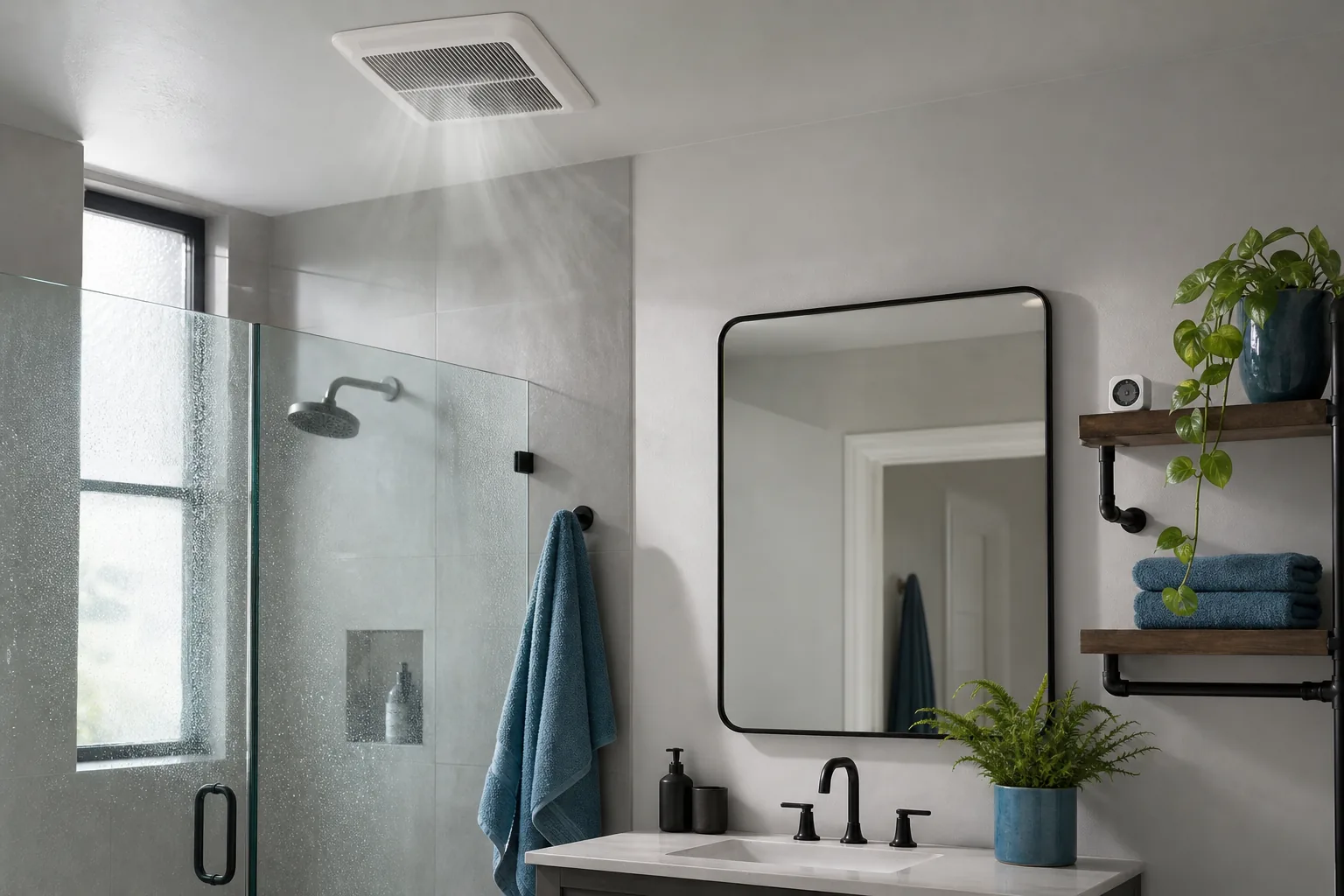
Humidifiers need regular care too. Clean one daily and refill it with fresh water. If you see visible mold or have recurring water damage, deal with the leak or damp material first. Adding fragrance or running an air purifier won’t fix a wet wall.
Home Worx Heating and Cooling offers HVAC maintenance and air-quality solutions for homes in Rocklin and the surrounding area. A technician can help assess ventilation or system concerns, while day-to-day moisture checks are easy to do yourself. Our guide to reducing humidity in your house covers more ways to find and manage indoor moisture.
By now, you should have a way to spot damp rooms and a plan to dry them out.
Step 4: Check for Radon and Seal Possible Entry Points
The goal is to find radon before assuming your home’s air is safe. Radon is an indoor air concern that you can’t detect by smell or sight. A do-it-yourself test kit gives you a way to check the level in your home.
Follow the kit instructions closely, including where to place it and how long to leave it in place. Keep windows and exterior doors in the position the instructions require during the test. If the result calls for follow-up, arrange a second test or speak with a qualified radon professional about what to do next.
Look for cracks or gaps around the foundation and in lower-level walls. Caulk and seal small openings where suitable. This may reduce entry points for radon and outdoor air, but sealing cracks alone doesn’t confirm that radon is controlled. Testing is the step that tells you whether more action may be needed.
Think of it as a check, not a one-time fix. Re-test after major changes to the home or if a professional recommends it. Keep the kit’s instructions and result together with your home records so another household member can find them.
Also keep working carbon monoxide alarms in the home and follow their maker’s directions. Carbon monoxide is a separate safety hazard, not something a window, plant, or particle filter can detect. If an alarm sounds, follow its safety instructions and leave the home.
Homeowners in Penn Valley and Grass Valley can add a radon test to a seasonal home check. Sealing a visible gap is useful upkeep, but test results should guide any radon-specific next step.
Key Takeaway:Test for radon, then use the result to decide whether you need expert help.
Step 5: Make Your Air-Quality Habits Seasonal
The goal is to change your routine as weather and outdoor air change. A window that helps on a cool, clear evening may bring smoke or pollen indoors on another day.
In warm weather, check outdoor air before airing out rooms. Use exhaust fans when cooking or showering. During wildfire smoke or heavy pollen, keep windows shut and focus on source control, cleaning, and suitable filtration.
In colder months, you may keep windows closed for long stretches. Keep indoor sources low, use exhaust fans when needed, and check for condensation or damp spots. If the home feels stuffy despite those steps, ask an HVAC professional whether the ventilation system suits the home’s needs.
Filters can help capture particles that move through a forced-air system, but fit matters. Check the filter size and follow the system or filter maker’s directions. A filter that doesn’t fit can let air pass around it. Don’t assume a higher-rated filter is right for every system; ask a technician if you’re unsure. Duct cleaning also isn’t a routine fix for every air concern. Start with visible dirt, a filter issue, or a specific system problem.
Portable air cleaners can help with particles in the room where they run, but they don’t replace fresh-air ventilation or source control. Avoid air cleaners that intentionally produce ozone. The California Air Resources Board explains that some air-cleaning devices can produce ozone, so check the device type before buying. Ionizing settings should not be treated as a shortcut for removing pollution at its source.
Here’s a simple seasonal check: look at the filter, check for moisture, and decide whether outdoor air is clean enough for open windows. Then adjust one habit at a time. Home Worx Heating and Cooling serves homes across Placer and Nevada County. Our seasonal HVAC tune-ups can help keep heating and cooling equipment working as intended.
By now, you should have a seasonal routine for ventilation, moisture, and your HVAC filter.
Frequently Asked Questions
What is the most effective natural way to improve indoor air quality?
Reducing pollution at its source is often the most effective first step. Stop indoor smoking, use exhaust fans that vent outdoors, and fix leaks or other moisture sources. Open windows when outdoor air is clean enough. These steps address the cause rather than relying on a plant or air cleaner to solve every air problem.
Do houseplants clean indoor air?
Houseplants haven’t been shown to remove indoor pollutants in meaningful amounts in homes. They can still add color and make a room feel pleasant. Avoid overwatering, since wet soil can add moisture. For cleaner air, focus first on reducing pollution sources and managing ventilation and humidity.
When should I open windows to improve indoor air?
Open windows when outdoor air is clean and the weather is comfortable. A short period of cross-ventilation can bring in fresh air and help dilute indoor pollutants. Keep windows closed during wildfire smoke, heavy pollen, or dusty conditions. Use kitchen and bathroom exhaust fans to remove moisture and pollutants at their source.
Can sealing cracks prevent radon?
Sealing cracks can reduce possible entry points, but it doesn’t show whether radon is present or confirm that a home is safe. Use a radon test kit and follow its instructions. If the result calls for follow-up, ask a qualified radon professional about the next step. Testing should guide decisions about radon control.
Conclusion
Start by stopping indoor pollution at its source, then add safe ventilation and moisture checks. Pick one room to inspect today, and make a short list of changes you can handle this week. If you need help with HVAC ventilation or maintenance in the foothills, contact Home Worx Heating and Cooling for local service.