
How to Prep Your AC for Summer: 5 Easy Steps
How to prep your AC for summer comes down to a few checks you can do before the first long hot spell. Start with the filter and thermostat, then clear the outdoor unit and note any warning signs. In the Sierra foothills, spring is a good time to spot trouble before your system has to work hard.
We analyzed 25 YouTube comments about preparing an air conditioner for summer and found that 28% mentioned regular cleaning of filters and coils.
Table of Contents
Step 1: Replace the Air Filter and Clear the Vents
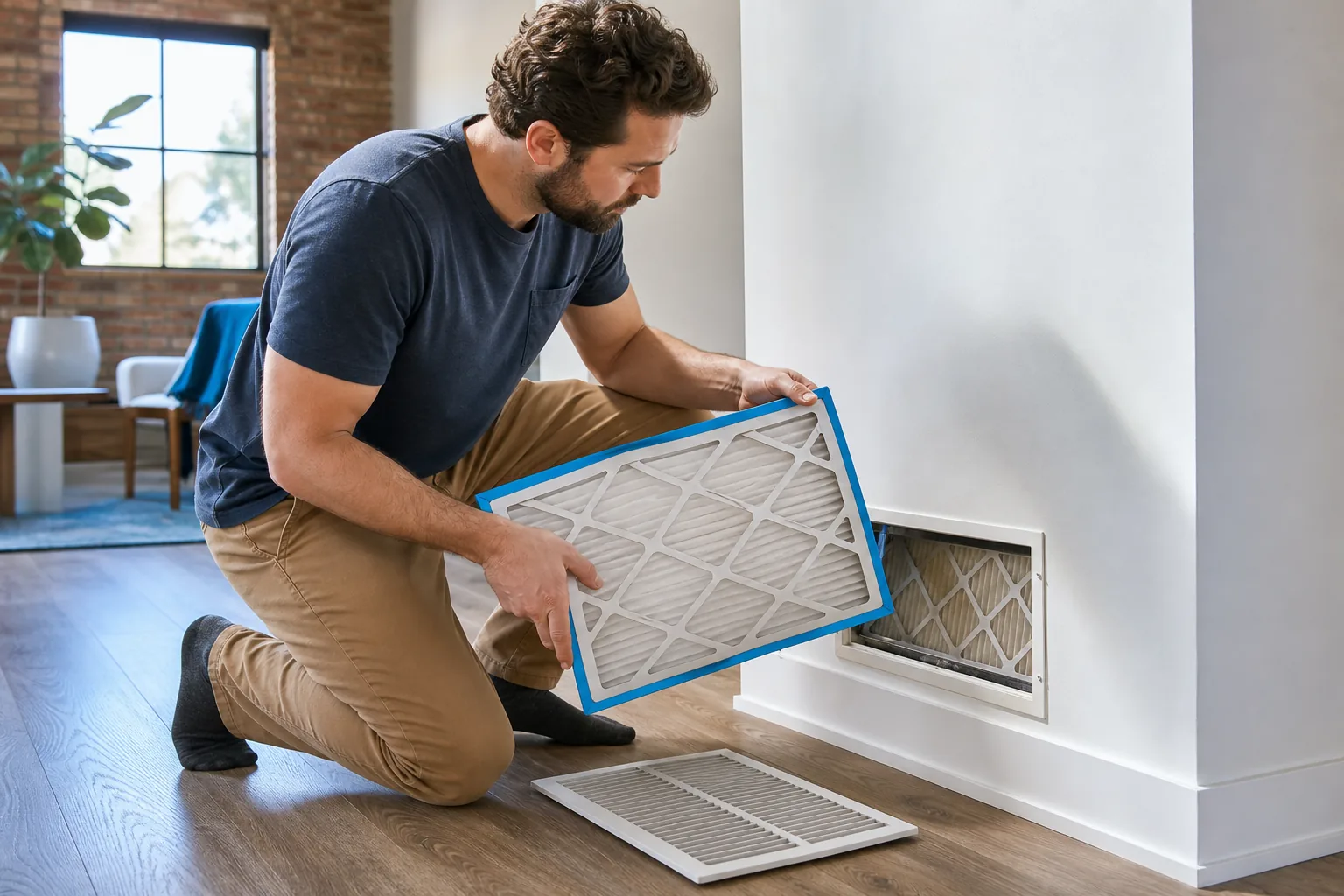
A clean, correctly fitted filter helps air move through your system. Check it before the cooling season, then keep an eye on it as the AC runs. Dust, pet hair, smoke, and long run times can mean it needs attention sooner than the calendar suggests. In Grass Valley, dusty conditions can make regular checks especially useful.
Turn the thermostat off before you remove the filter. Look for its size on the frame, then buy a replacement with the same size and type. Follow the airflow arrow printed on the frame when you slide the new filter into place. If your system has a washable filter, clean it only as the equipment maker directs, and let it dry fully before putting it back. Penn Valley homeowners should also follow the equipment maker’s directions.
Check the filter regularly during cooling season, and more often if your home is dusty or the system runs most of the year.
Walk through each room and look at the supply vents, where cool air comes out, and the return grilles, where air goes back to the system. Move rugs, furniture, or boxes that block them. Keep the vents open unless your system’s instructions say otherwise. If airflow feels weak in one room, note the room and tell a technician rather than taking apart ductwork. In Rocklin and Roseville, note any room with weak airflow.
Homeowners in Colfax and Auburn may see dust build up quickly during a dry stretch. A monthly visual check during heavy use makes it easier to catch a filter that needs changing before it becomes packed with debris. For other homeowner-safe seasonal checks, use our summer HVAC maintenance checklist .
By now, you should have:a clean filter in the right direction, plus clear indoor vents and return grilles.
For local AC service in Lincoln, contact Home Worx Heating and Cooling .
Step 2: Check the Thermostat and Test the System
The goal is to confirm the thermostat can start a cooling cycle and that cool air reaches the rooms you use. Check its display first. If it uses batteries, replace them if the display is dim or the unit warns that power is low. Set the mode to Cool, then choose a temperature below the current room temperature.
If your thermostat is programmable or smart, review its schedule. Set a comfortable temperature for the hours you’re home, then choose a warmer setting for times when the house is empty if that suits your routine. A schedule can help avoid cooling an empty home as much, but comfort comes first. Don’t set the temperature so low that the system runs for hours trying to catch up.
Give the system time to start. Check the air at a few supply vents, not just one. It should feel cooler than the room. Listen for new rattling, buzzing, or squealing. Watch to see whether the system starts and stops in a steady way. A short test won’t prove every part is sound, but it can show that the thermostat responds and air is moving.
In Rocklin and Roseville, a mild spring day is a useful time to run this check before a heat wave. If the AC won’t start, blows warm air, or shuts off after only a few minutes, switch it off and write down what happened. A pattern such as weak airflow in one room can help a technician narrow down the issue.
For guidance on choosing a set point that fits your home, see our article on what temperature to set your AC in summer . Don’t keep changing the thermostat to force the system to cool faster. It won’t make the equipment produce cold air more quickly.
By now, you should knowwhether the thermostat calls for cooling and whether air reaches the main rooms. Note any odd sounds or uneven airflow.
Step 3: Clean Up Around the Outdoor AC Unit
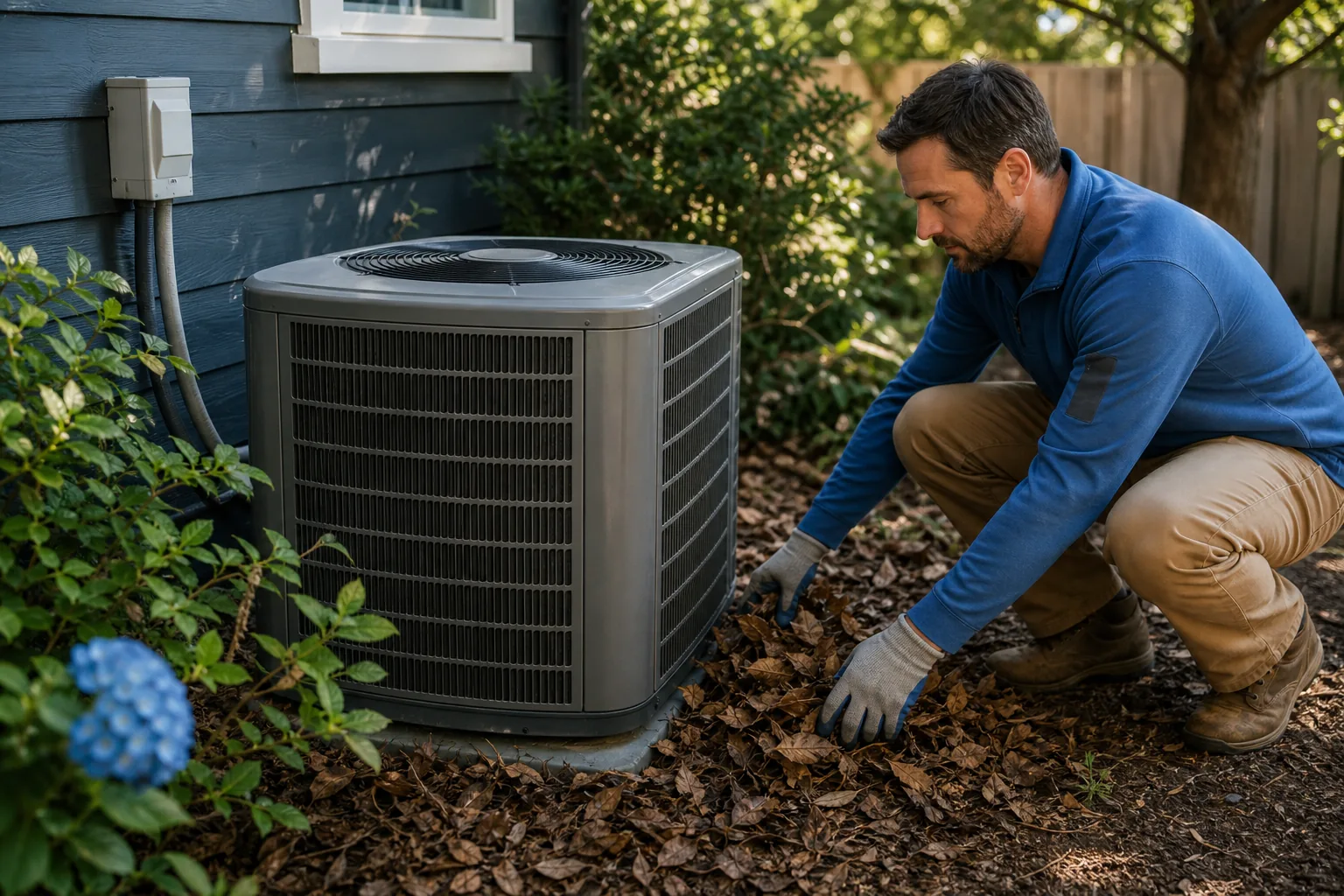
The outdoor unit needs open space so it can release heat. Before moving anything, switch the thermostat off. If you plan to clean near the unit, turn off power at the outdoor disconnect or the correct breaker. Don’t remove electrical covers or reach through the fan grille.
Clear away loose leaves and grass clippings by hand, keeping your fingers away from the grille. Move stored items that sit close to the cabinet. Trim nearby plants so they don’t grow into the unit. Check your equipment manual for its required clearance; if you can’t find it, ask a technician rather than guessing.
Look at the outside of the coil through the grille. If you see a light layer of dirt, a gentle rinse with a garden hose may help. Use low pressure and keep water away from electrical parts. Don’t use a pressure washer. The thin metal fins can bend and block airflow. Skip coil cleaning if you’d need to remove panels or reach into the unit.
Check for a winter cover and remove it before running the AC. Also look for bent fins, signs of damage, or debris you can’t safely reach. Leave those issues for a pro. If your outdoor unit sits in direct afternoon sun, don’t build a tight enclosure or put a cover over it while it runs. Shade should never block the airflow the unit needs.
Grass clippings and dry leaves can collect around units in Grass Valley and Penn Valley after yard work. A quick look after mowing helps keep loose debris from piling up. If you want more detail on safe outdoor cleaning, our guide to cleaning an outdoor AC unit safely covers what to do and what to leave alone.
By now, the area around the unit should be clear, and you should know whether the coil or cabinet needs a technician’s attention.
Step 4: Inspect for Problems You Shouldn’t Fix Yourself
A visual check can help you spot a concern early. It can’t replace tests that need special tools. Look around the indoor unit for water on the floor or in the drain pan, if the pan is easy to see without opening a panel. A damp patch, musty smell, or water stain near the equipment may point to a drainage problem.
Some systems have an accessible condensate drain outlet near the outdoor unit. Check for a visible blockage or water that seems to be backing up. Don’t pour cleaners into the line unless your equipment maker or technician recommends it. If water is pooling indoors, turn off the system and arrange service to help prevent water damage.
Look at exposed refrigerant line insulation from a safe distance. Cracked or missing foam is worth noting. Ice on the lines or indoor coil, oily marks, or a sudden loss of cooling needs professional attention. Don’t try to add refrigerant or open the sealed system. A technician needs the right tools to test for a leak and check the refrigerant charge.
Also stop and get help if you see frayed wires, scorch marks, or a breaker that trips again after you reset it once. Don’t open electrical panels or test live parts. A burning smell, grinding noise, or loud buzzing is another reason to shut the system off rather than keep testing it.
Keep a short note of what you noticed and when it happens. For example, write down whether the noise starts at the indoor unit or outside, or whether water appears only after the AC has run for a while. That gives a service technician a clearer starting point. Some checks are suitable for homeowners, while others should be left to a technician.
Stop the DIY checkif a task would mean removing a panel, touching wiring, or working on refrigerant parts.
Step 5: Schedule Professional AC Maintenance
Book a tune-up before your system faces long hours of summer use. A spring visit gives you time to ask questions and plan any repair before the hottest days arrive. May is a useful target for many foothill homes, though the best date depends on your system and the weather.
A technician can inspect parts that aren’t safe or usable to test at home. Depending on the equipment and service scope, a tune-up may include checking electrical connections, inspecting coils, testing controls, reviewing drainage, and checking system performance. Ask what the visit covers and whether a repair, if needed, is a separate cost.
When you book, share what you observed during your test. Mention any warm air, uneven cooling, water near the indoor unit, strange sounds, or repeated shutdowns. Ask whether the technician will check the refrigerant system and electrical parts, and what happens if the inspection finds a problem. A tune-up is preventive maintenance, not a promise that equipment can’t fail later.
Home Worx Heating and Cooling serves homeowners across Placer and Nevada County, including Lincoln. Our services include AC repair, HVAC maintenance, and seasonal tune-ups. Seasonal tune-ups can help keep systems efficient, reliable, and under warranty; ask us which service package fits your equipment.
If a system is older or needs repeated repairs, ask the technician whether repair still makes sense. Home Worx Heating and Cooling offers financing for a new HVAC system starting at $120 per month, with terms and conditions. We also offer a satisfaction guarantee for HVAC repair services. Those details can help you weigh options without rushing into a decision during a heat wave.
Residents in Sacramento County can use the same steps: check the basics early, then book service if the system shows a warning sign. Contact Home Worx Heating and Cooling through our website to ask about maintenance in your area.
By now, you should havea maintenance date or a clear plan to book one, plus notes about any problems you found.
Frequently Asked Questions
How often should I change my AC filter?
Check your AC filter at least once a month during heavy use, and replace it when it looks dirty or clogged. Many filters need changing every two to three months, but dust, pets, smoke, and long run times can shorten that interval. Follow your equipment maker’s instructions and use the correct filter size and type.
When should I schedule AC maintenance before summer?
Schedule maintenance in spring, before your AC faces steady hot weather. May is a useful target in the Sierra foothills, but don’t wait if the system already makes odd sounds or struggles to cool. Booking early gives you time to discuss findings and plan repairs before the hottest stretch.
Can I clean my outdoor AC unit myself?
Yes, you can clear loose leaves and grass from around the unit after switching it off. If you rinse visible dirt from the coil, use a gentle garden-hose spray and keep water away from electrical parts. Don’t use a pressure washer or remove panels. Leave deep cleaning and damaged fins to a technician.
What should I do if my AC blows warm air?
Check that the thermostat is set to Cool and that the filter isn’t clogged. If the system still blows warm air, or you see ice, hear an unusual noise, or notice water near the indoor unit, turn it off and arrange professional service. Don’t open electrical panels or try to add refrigerant yourself.
Conclusion
Start with the filter and a short thermostat test, then clear the outdoor unit and note anything unusual. Book a spring tune-up before the first long hot spell. If you’re in Auburn, Colfax, Rocklin, Roseville, Grass Valley, Penn Valley, or Lincoln, contact Home Worx Heating and Cooling through our website to ask about local service.