
How to Prevent Mold in Your HVAC System
A musty smell when the heat or AC starts can point to hidden moisture in your HVAC system. Preventing mold in your HVAC system comes down to keeping moisture in check, maintaining airflow, and finding drainage problems early. These steps help homeowners in Northern California foothill communities protect their homes through hot summers and cold winters.
We analyzed 87 comments and questions from YouTube, Reddit and Quora about preventing mold in HVAC systems and found that 30% mentioned regular cleaning of the system.
Table of Contents
Step 1: Keep Indoor Humidity in Check
Start with a humidity meter, also called a hygrometer. Set it in a room where you spend time, away from a vent or window. Keep indoor relative humidity below 60%. A range of 30% to 50% is a useful target for most homes.
Check readings at different times. Cooking, showers, and drying clothes indoors can add moisture, while a leak can keep one room damp even when the rest of the house feels dry. Make sure moisture from showers is vented outdoors. A dehumidifier can help when readings stay high, but first look for the source of the moisture.
In Colfax, Auburn, Rocklin, Roseville, Grass Valley, Penn Valley, and Lincoln, indoor moisture can collect around a cool coil or in a damp crawl space. During winter, a furnace humidifier can add too much moisture if its setting is too high. Keep an eye on readings as seasons change instead of relying on how the air feels.
Moisture is one of the conditions homeowners can control to help prevent mold. If humidity stays high, check for leaks and condensation before adding another device.
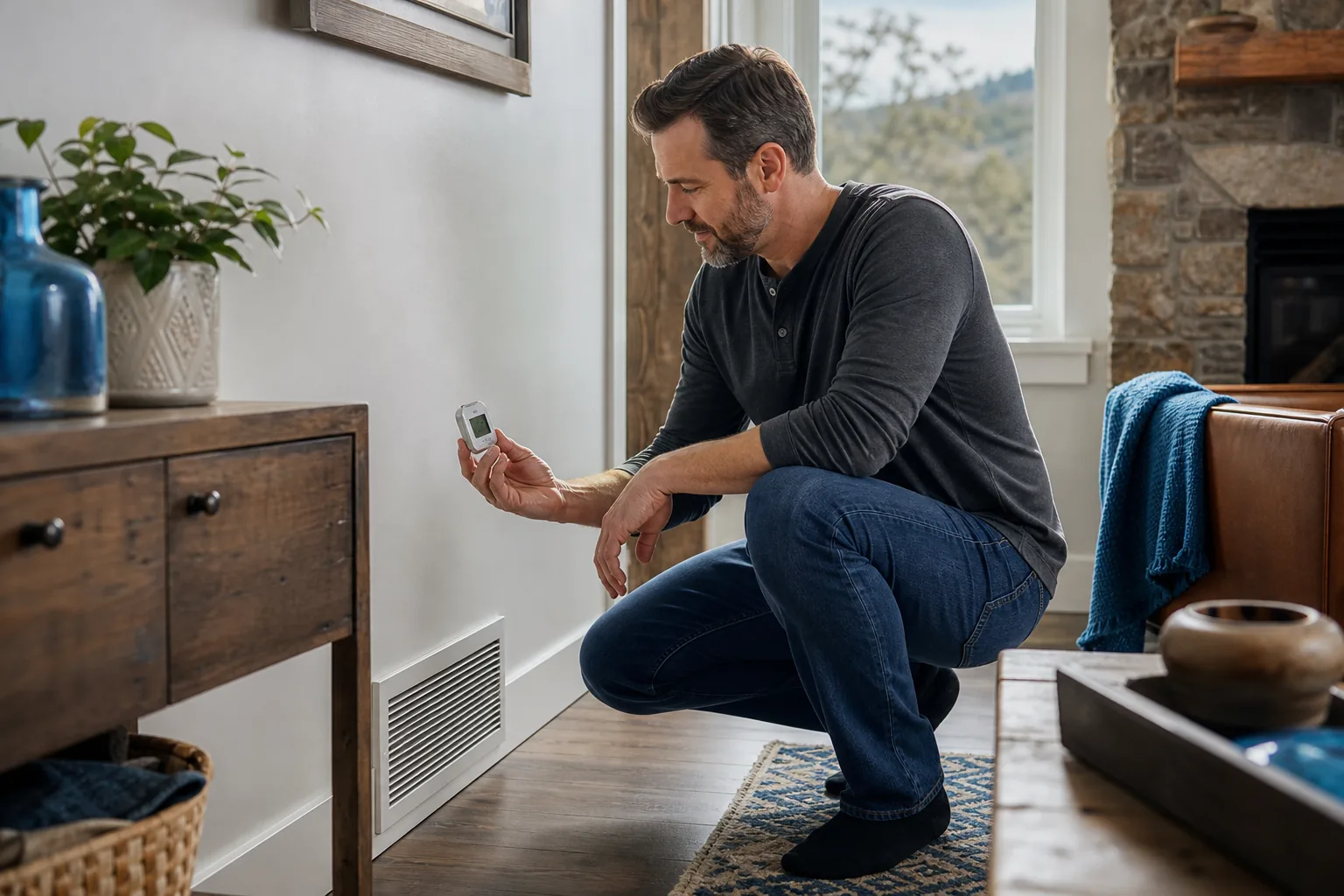
Milestone:You should know your home’s humidity level and have a plan for rooms that remain damp. For local help, contact Home Worx Heating and Cooling .
Step 2: Maintain Airflow and Replace Filters on Schedule
A dirty filter can slow airflow through the system. Restricted airflow may affect how the coil cools and drains, so check the filter every month during heavy heating or cooling use. Replace it when it looks loaded with dust, or follow the schedule on the filter and equipment instructions. Many homes need a change every one to three months, but use and indoor dust levels can shift that timing.
Use the filter size and type recommended for your system. A filter that does not fit can leave gaps where air bypasses it. A higher-efficiency filter may catch more particles, but it still needs to suit the equipment’s airflow needs. If you’re unsure, ask a technician to check the filter fit and the system’s airflow before upgrading.
Keep supply vents and return grilles open. Move rugs, curtains, or furniture that block them. In Rocklin, where summer dust can collect around the home, take a quick look at the filter more often during peak cooling. A sudden drop in airflow or a filter that gets dirty quickly may point to a wider issue.
For a filter schedule based on your home and system, see our guide to how often to change an HVAC filter . Home Worx Heating and Cooling can also check airflow during routine HVAC maintenance. That helps spot a blocked return or a filter fit problem before the system runs under strain.
Milestone:Your filter should fit snugly, and air should move freely through open vents and returns.
Step 3: Check the Condensate Pan and Drain Line
When an air conditioner removes moisture from indoor air, water drips from the evaporator coil into a condensate pan. A drain line carries that water away. If the line clogs or the pan holds standing water, moisture can collect inside the air handler and give mold a place to grow.
Look around the indoor unit for pooled water, rust marks, damp insulation, or stains on nearby surfaces. If the pan is easy to see without removing panels, check for standing water or visible buildup. Don’t reach into the equipment or take apart the cabinet to inspect hidden parts. Turn the system off if you see water near electrical components, then arrange service.
Check the drain outlet, if it is safely accessible, for signs that water is flowing during cooling. A slow drip, overflow, or recurring wet spot calls for a closer look. Avoid pouring cleaners into the system unless the equipment instructions or a qualified technician say to do so. The wrong product or method can damage parts.
The EPA advises checking HVAC drain and condensate pans routinely so they do not become reservoirs for water and microbial growth. Our condensate drain line cleaning guide covers safe basic upkeep and when to stop and arrange professional help. In Grass Valley, check the area around the indoor unit after a long cooling run, especially if you notice dampness or a musty odor.
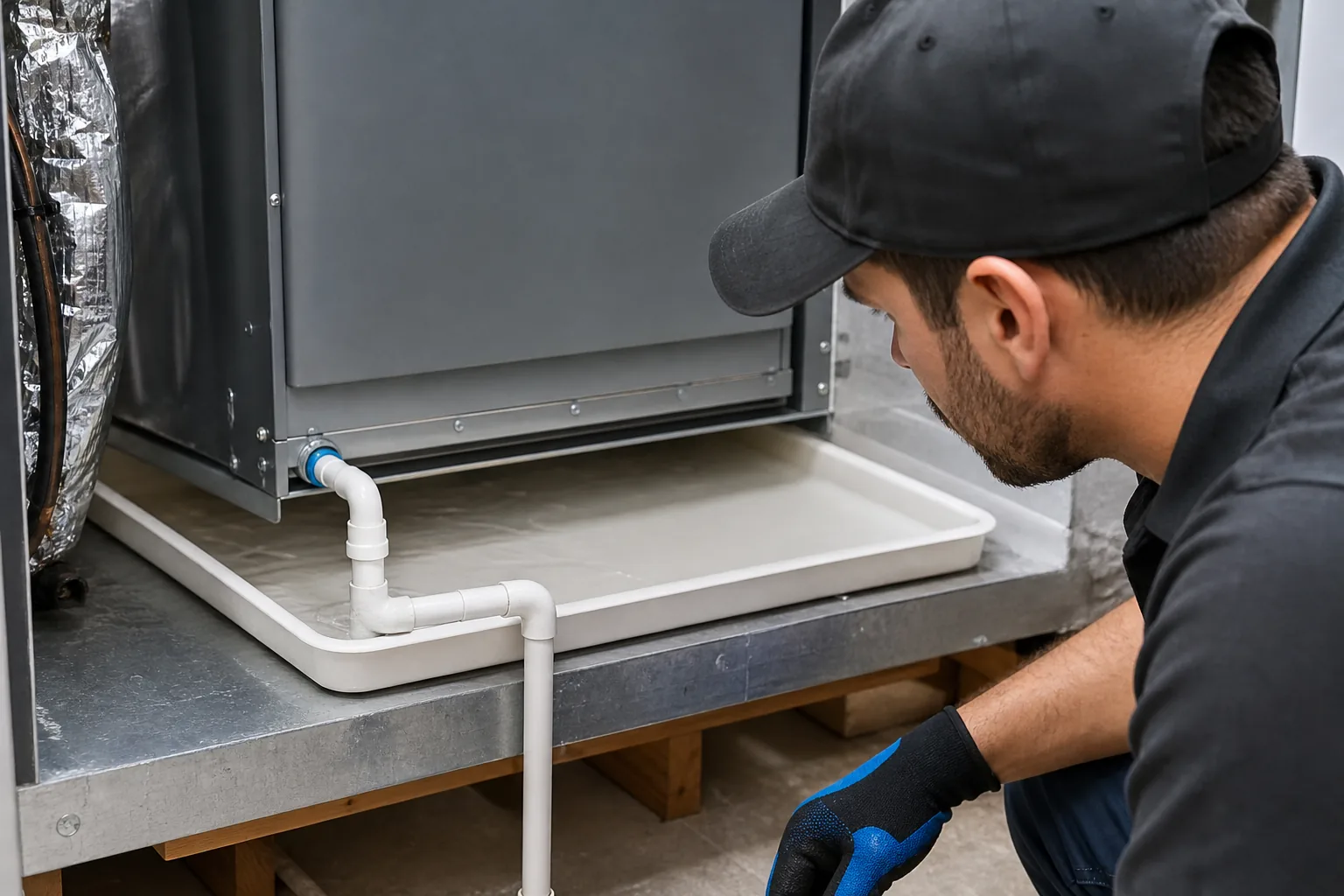
Milestone:The pan should drain without standing water, and the area around the air handler should stay dry.
Step 4: Arrange Coil, Duct, and System Maintenance
Cooling coils collect condensation as they remove moisture from the air. Dust on a damp coil can add material mold can grow on. Have the coil checked during regular service, and leave deep cleaning to a trained technician. Coil fins can bend easily, and an unsuitable cleaner or strong spray can damage them.
Schedule an HVAC inspection at least once a year. In foothill communities, a spring visit gives a technician a chance to check cooling and drainage before the hottest weather. A fall check can help prepare heating equipment for cold nights. Home Worx Heating and Cooling offers HVAC maintenance and seasonal tune-ups for homes in the area.
Ask the technician to look for duct leaks, damp insulation, blocked airflow, and signs of condensation. A leak in ductwork can let humid air enter a cooler space, where water may form. This matters in attics and crawl spaces, where dampness can stay hidden. Proper AC sizing also matters: a unit that cools a home too quickly may run for short periods and remove less moisture.
Routine duct cleaning is not a substitute for fixing a water source. The EPA notes that duct cleaning has no proven health benefit for most homes and may be needed when there is visible mold, a pest problem, or heavy dust. Home Worx Heating and Cooling provides indoor air quality solutions tailored to each home and can discuss whether filtration or other options make sense for yours.
For a safe overview of coil care, use our guide to cleaning an evaporator coil . Leave internal cleaning and any suspected mold in hidden duct areas to a qualified professional.
Milestone:You should have a service date on the calendar and know whether the system needs a repair or a closer inspection.
Step 5: Clean Humidifiers and Respond to Signs of Mold
If your furnace has a humidifier, clean it regularly and follow the maker’s care instructions. A dirty humidifier can hold water and support mold or bacterial growth. Stand-alone humidifiers need frequent cleaning too. Don’t set a humidifier so high that indoor humidity stays above your target range.
Watch for a musty smell that gets stronger when the HVAC system starts. Also look for dark or discolored patches near vents, a damp filter, water stains, or reduced airflow. These signs do not prove mold is inside the ducts, but they do mean you should find the moisture source. Symptoms such as irritated eyes, sneezing, or coughing can have other causes; note whether they seem worse when the system runs and share that pattern with a professional.
Do not spray bleach, fragrances, or household cleaners into vents. That can spread fumes through the home without fixing the damp spot. If you see a small patch on a surface, avoid disturbing a larger or hidden growth just to test it. Take a photo and note where it is, then arrange an inspection if the source is unclear or the problem returns.
Home Worx Heating and Cooling serves homeowners in Penn Valley and Lincoln, along with other nearby communities. We can assess the HVAC system and discuss targeted air-quality options. UV lighting may be one part of a plan, but it does not replace moisture control, clean drainage, or regular maintenance.
Milestone:If the odor or visible growth returns after you address moisture, arrange a professional inspection rather than masking the smell.
Frequently Asked Questions
What causes mold in an HVAC system?
Mold can grow when moisture sits on a surface with dust or other organic material. Common trouble spots include a wet coil, a clogged drain line, a drain pan that holds water, or damp duct insulation. High indoor humidity can add to the risk. Find and fix the moisture source first, since cleaning alone may not stop the problem from returning.
How often should I change my HVAC filter to prevent mold?
Check your filter monthly during heavy system use and replace it when it is dirty or when its maker recommends a change. Many homes need a new filter every one to three months. Dust, pets, smoke, and long cooling runs can affect how quickly it loads up. Use the correct size so air cannot pass around the filter.
Does duct cleaning prevent mold?
Duct cleaning alone does not prevent mold if moisture remains in the system. The EPA says routine duct cleaning has no proven health benefit for most homes. A closer look may be warranted when you see mold, find pests, or have heavy dust inside the ducts. Fix the leak or drainage issue first, then ask a professional what cleaning is needed.
When should I call an HVAC professional about possible mold?
Arrange an inspection when a musty smell keeps returning, you see growth near the air handler or vents, water collects in the drain pan, or airflow drops without a clear cause. Also get help if the suspected growth is hidden inside ducts or the system. A technician can check for moisture and airflow problems without spreading debris through the home.
Conclusion
Keep humidity in range, check filters and drainage, and schedule routine HVAC service. If you notice recurring moisture or a musty odor, contact Home Worx Heating and Cooling for a local assessment in Auburn, Colfax, Rocklin, Roseville, Grass Valley, Penn Valley, or Lincoln.