
How to Save Money on HVAC: 5 Practical Steps
High heating and cooling bills often come from small habits or problems your system has to work around. If you’re figuring out how to save money on HVAC, start with these five steps: adjust your thermostat, protect airflow, seal leaks, plan maintenance, and check upgrade costs before you buy.
We analyzed 58 comments and questions from Reddit, YouTube and Quora about saving money on HVAC and found that 19% mentioned proper coil cleaning methods.
Table of Contents
Step 1: Adjust Your Thermostat for Sierra Foothill Weather
Set a schedule that fits your day, then leave it alone long enough to see how your home responds. In Auburn and Colfax, summer afternoons can heat a house quickly, while winter nights call for steady, reliable warmth. Raising the cooling set point while you’re away can reduce run time. You don’t need to shut the system off or make a sharp change.
A useful starting point for cooling is 78°F when people are home, if that feels comfortable. Try a higher setting when the house is empty. Make one change at a time, then compare your energy use over the next billing period. A thermostat can follow a schedule, but it can’t save energy if you keep overriding it.
Smart thermostats can make schedules easier to manage. Some let you change settings remotely or adjust them when the home is empty. Check compatibility before buying, especially if your system uses a heat pump or has more than one heating stage. A thermostat that’s wired or set up for the wrong system can cause comfort problems.
Use care with heat pumps in winter. A steep overnight temperature drop may prompt some systems to use backup electric heat to recover quickly. Set a smaller setback instead, or ask a technician how your thermostat controls auxiliary heat. The right setting depends on the system and the home.
Pro Tip:Write down your current schedule before making changes. If comfort gets worse, you can return to a setting that worked.
Home Worx Heating and Cooling helps local homeowners check thermostat operation and system fit. A short review can show whether the schedule, equipment, or another issue is behind a high bill.
Step 2: Keep Filters and Airflow in Good Shape
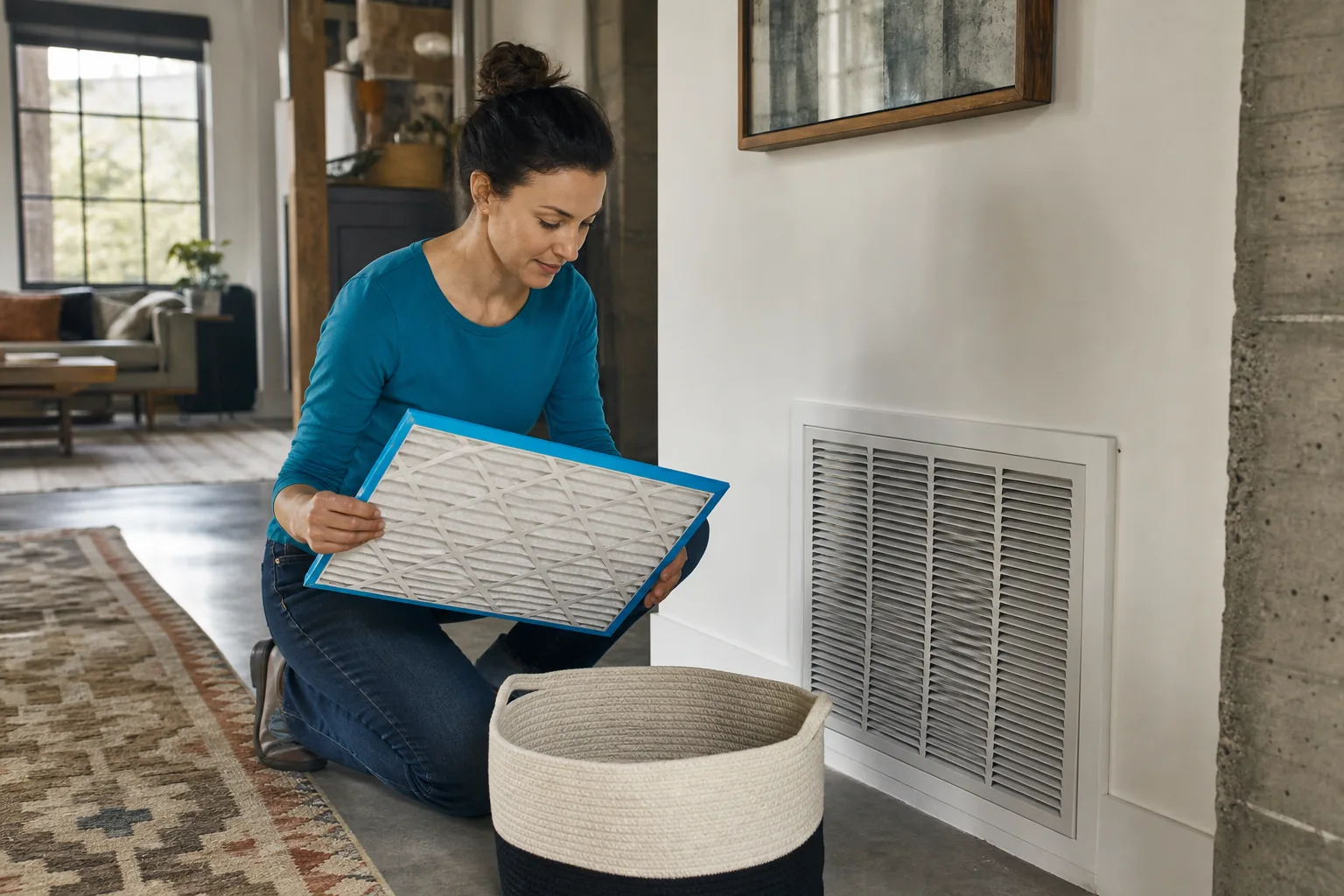
A clogged filter makes it harder for air to move through the system. Check yours each month, then replace it when it looks dirty or as the equipment maker directs. The right interval varies with the filter, household use, pets, and dust. Don’t assume every filter needs the same schedule.
Before you buy a new filter, check the size printed on the old one and follow the system’s recommended rating. A filter that’s too restrictive can limit airflow. Slide it in the direction shown by the airflow arrow, then make sure the cover closes fully. If the filter bows or won’t fit, stop and confirm the size.
Keep supply vents and return grilles clear of rugs, furniture, or curtains. Closing many vents doesn’t make a central system use less energy in a simple, reliable way. It can disrupt airflow instead. For a closer look at that tradeoff, read how closed vents affect HVAC airflow .
Check the outdoor unit, too. Clear leaves and grass from around it, but don’t bend the thin metal fins or spray them with a pressure washer. A ceiling fan can help people feel cooler in an occupied room, but it doesn’t lower the room’s temperature. Turn it off when the room is empty.
ENERGY STAR’s maintenance checklist recommends regular filter care and seasonal professional checkups. If a new filter doesn’t fix weak airflow, or the system makes a new sound, have the equipment checked rather than opening electrical or sealed parts yourself.
Small airflow fixes are useful, but they won’t fix a blocked duct or a failing blower. Keep track of rooms that stay stuffy or warm. That pattern can help a technician find the source.
Step 3: Reduce Heating and Cooling Loss Around the Home
Your HVAC system has to replace the warm or cool air that leaks outside. Start with doors and windows. On a hot afternoon, check for warm air near the frame. Add weather-stripping to moving parts, such as a door, and use caulk for small fixed gaps. The seal should close the gap without stopping the door or window from working.
Look for drafts around plumbing openings, attic hatches, and places where pipes or wires pass through walls. Seal only gaps that are safe to reach. If you find gaps near a furnace, vent, or other combustion equipment, ask a qualified professional before sealing them. Those systems need proper airflow and safe venting.
Duct leaks can waste heated or cooled air before it reaches a room. ENERGY STAR says leaky ducts can reduce heating and cooling efficiency by as much as 20 percent. If you suspect a leak, ask for an inspection rather than covering ductwork with ordinary cloth tape. Ducts in an attic or crawl space may need both sealing and insulation.
Window coverings can also limit direct sun. Close thick curtains or blinds on sunny windows during the hottest part of the day. In winter, open them when sunlight reaches the room, then close them after dusk. That’s a low-cost change, though it won’t fix poor insulation or a drafty window.
Attic insulation may help when rooms below the roof feel much hotter than the rest of the home. A radiant barrier reflects radiant heat, but it isn’t a replacement for adequate insulation. Powered attic fans need careful review. If a ceiling has air gaps, a fan may pull conditioned air from the home into the attic. Fix air leaks and check attic ventilation before adding a powered fan.
In Rocklin or Roseville, note which rooms heat up first during a hot day. That detail can help separate sun exposure from duct or insulation trouble. A simple DIY check can find obvious drafts, but a home energy assessment can help locate hidden leaks.
Skip shortcuts that involve burying copper tubing for homemade ground-loop cooling or spraying chemicals into coils and ducts. These approaches can damage equipment or create safety risks. Use the system’s approved cleaning steps, and leave coil or duct work to a trained technician when access or chemicals are involved.
Step 4: Schedule HVAC Maintenance Before Peak Season
Book cooling service in spring and heating service in fall, before demand climbs. A seasonal check gives a technician time to spot a developing issue before the system faces its heaviest use. In Grass Valley and Penn Valley, winter cold and summer heat both put seasonal demands on equipment.
A professional visit can include checks of airflow, controls, electrical parts, coils, and drainage. The exact work depends on the system. Ask what the visit covers and request a record of the inspection. If the technician recommends a repair, ask what they found and what may happen if you wait. Homeowners in Rocklin and Roseville can keep those records to compare visits over time.
Homeowners can handle basic tasks between visits. Check the filter, keep the outdoor unit clear, and notice changes in airflow or sound. Don’t test live electrical parts or handle refrigerant. Those jobs need proper training and tools. A small DIY step should never put your safety or equipment at risk.
Routine service can help maintain efficiency and identify problems before they lead to unexpected repairs. Check filters regularly. Maintenance can’t promise a specific bill or prevent every breakdown, but it gives you a chance to address wear before the busiest weather arrives.
Home Worx Heating and Cooling provides seasonal tune-ups and maintenance options for local homes. If you want to know what a seasonal visit can include, use our summer HVAC maintenance checklist to prepare questions before booking.
Plan ahead rather than waiting for the first heat wave or cold snap. A service visit during a busy week may be harder to schedule, and an equipment fault can leave you without comfort when you need it most.
Step 5: Check Rebates and Compare Upgrade Costs Carefully
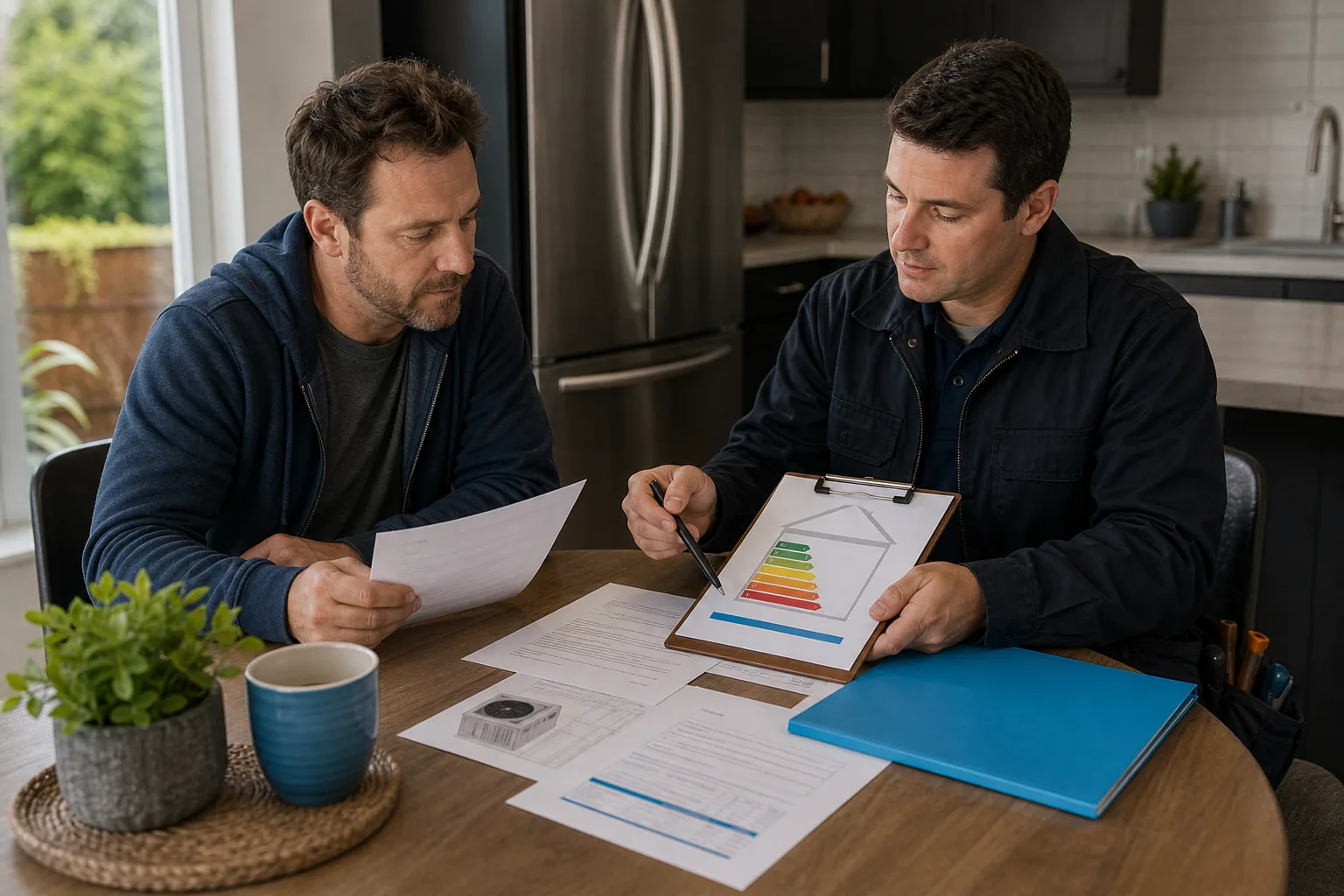
When a system is old or needs repeated repairs, compare the cost of keeping it with the cost of replacing it. Don’t decide from age alone. Ask for a written estimate that explains the proposed equipment, installation work, and any needed duct changes. A high-efficiency unit may use less energy, but correct sizing and installation matter too.
Ask whether the system is ENERGY STAR rated and how its efficiency compares with the equipment you have now. Have the contractor assess the home’s heating and cooling needs instead of sizing a replacement by copying the old unit. An oversized system can cycle too often, while an undersized one may struggle to keep up.
Check current incentive rules before signing a contract, since eligibility terms may change. Confirm the equipment qualifies, ask what paperwork you’ll need, and find out whether the incentive is paid upfront or later. Homeowners can review California HVAC rebate guidance , then verify current details with the program itself.
Financing can spread the cost of a new system, but compare the full amount you’ll repay, the term, and any fees. Ask whether financing is available and request the full terms in writing before you agree.
For a new furnace or heat pump, ask for current loan terms, fees, and eligibility criteria directly. Compare the monthly payment with the total repayment amount. A lower payment can mean a longer term.
Home Worx serves homes in Lincoln, Auburn, Colfax, Rocklin, Roseville, Grass Valley, and Penn Valley. Hot, dry summers and cold winters in these Sierra foothill communities can make system condition and sizing important. Bring your repair history to any upgrade estimate so the comparison is fair.
Key Takeaway:Compare the total cost of repair, replacement, and financing before choosing new equipment.
Frequently Asked Questions
What thermostat setting saves the most on air conditioning?
There isn’t one setting that suits every home, but 78°F is a common starting point when people are home and comfortable. Raise the setting while the house is empty, then check how the change affects comfort and energy use. Try small changes first. A heat pump may need a gentler winter setback to avoid heavy use of backup heat.
How often should I change my HVAC filter?
Check your filter monthly and replace it when it’s dirty or when the system maker says to. The right timing depends on the filter and how much dust or household activity it faces. Use the correct size and rating for your equipment. If airflow stays weak with a clean filter, the cause may be elsewhere.
Does sealing air ducts lower energy bills?
It can. Leaky ducts let heated or cooled air escape before it reaches your rooms, which can make the system run longer. Have the ductwork checked if some rooms are hard to heat or cool. Sealing may need to be paired with insulation, especially for ducts in an attic or crawl space.
Should I repair my HVAC system or replace it?
Compare the repair estimate with a replacement estimate, then consider the system’s age, past repair needs, comfort, and energy use. Ask for an inspection before deciding. If replacement makes sense, compare equipment efficiency and installation details. Don’t choose a unit based only on its monthly payment or the size of your old system.
Can I clean HVAC coils myself?
Some basic outdoor-unit care is safe, such as clearing leaves from around the unit. Coil cleaning can be more delicate. Bent fins can restrict airflow, and electrical parts may pose a shock risk. Don’t spray chemicals or use a pressure washer. Ask a qualified technician to clean coils if they need more than gentle surface care.
Conclusion
Start with the low-cost checks: adjust the thermostat, inspect the filter, and seal obvious drafts. If bills stay high or the equipment struggles, arrange a professional inspection before committing to an upgrade. Contact Home Worx Heating and Cooling for local HVAC service and a clear review of your options.