
Is a High-Efficiency Furnace Worth It?
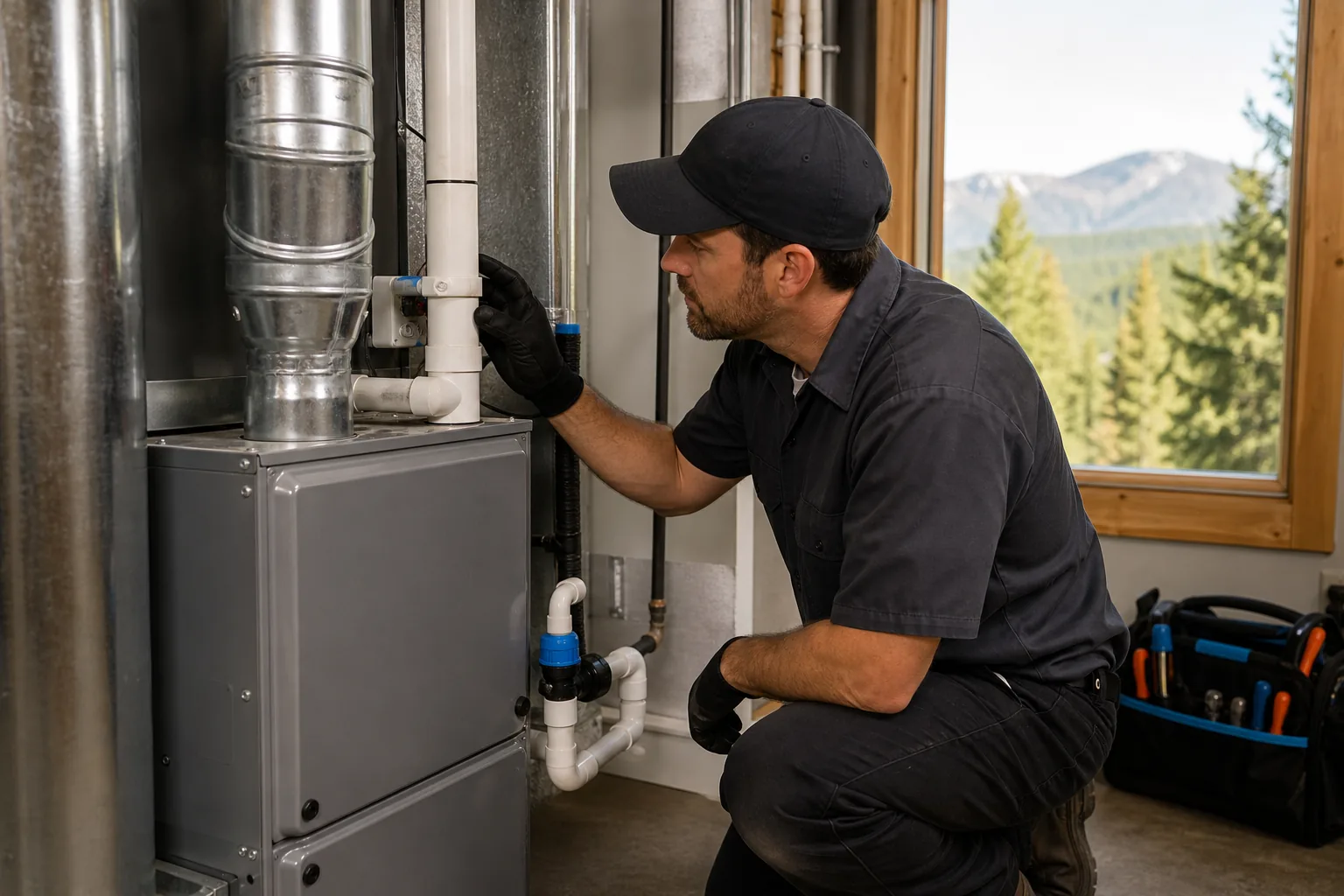
An older furnace can waste a lot of fuel, but a more efficient model costs more to install. So, is a high-efficiency furnace worth it? For many foothill homes, it can be, especially when the current furnace is aging and winter heating costs are high. The right answer depends on your home, your fuel use, and how long you plan to stay.
We analyzed 76 YouTube comments about high efficiency furnace worth it and found that 29% mentioned frequent component failures.
Table of Contents
What Makes a Furnace High Efficiency?
A high-efficiency gas furnace has an Annual Fuel Utilization Efficiency rating , or AFUE, of 90% or more. AFUE estimates how much of the fuel a furnace turns into heat over a heating season. A 95% AFUE model converts about 95% of its fuel into heat. The rest leaves through the exhaust.
By comparison, many standard gas furnaces are rated around 80% AFUE. A 90% model wastes less fuel than an 80% model, but the rating doesn't tell you exactly what your monthly bill will be. Outdoor temperature, insulation, air leaks, and thermostat settings all affect how much heat your home needs.
That distinction matters in the Sierra foothills. A furnace in Colfax or Grass Valley may run through colder winter stretches than one in lower-elevation Roseville, Rocklin, Auburn, Penn Valley, or Lincoln. The best AFUE rating on paper won't make up for a furnace that's too large or a home that loses heat through leaky ducts.
High-efficiency gas furnaces capture more heat with a secondary heat exchanger. That process also creates water from the exhaust, so the furnace needs a drain and venting that can handle the moisture. Many models use PVC vent pipes rather than the metal flue found on standard-efficiency units. Some have sealed combustion, which draws air for burning from outdoors rather than from the room.
The installation has to fit the home. A contractor should check the heat load, duct system, vent route, drain location, and available space. A poor fit can lead to short cycling, uneven heat, or equipment that fails to reach its expected performance.
Some high-efficiency furnaces use two-stage variable-speed operation, while others use a modulating gas valve. Those controls adjust heat output in different ways.
For homeowners comparing daily comfort as well as fuel use, variable-speed furnace benefits are worth weighing. A lower AFUE rating doesn't automatically mean a furnace will feel less steady or cost more to run in every home.
Key Takeaway:AFUE measures fuel conversion. Sizing, venting, controls, and the home's heat loss shape what you experience.
How Much Can a High-Efficiency Furnace Save?
Savings depend on how much fuel your current furnace uses and how often it runs. The rating gives you a way to compare fuel conversion, not a promise of a set dollar amount. Your actual bill also reflects fuel prices, winter weather, and how well your home holds heat.
Here’s a simple comparison. To deliver the same amount of heat, an 80% AFUE furnace needs more fuel than a 95% model. Using the ratings alone, the 95% furnace would need about 16% less fuel for that heat output. That’s a theoretical comparison, not a forecast of a 16% drop in your total bill. Your home may use energy for water heating, cooking, or other needs.
For a household in Auburn or Grass Valley, the furnace may run for longer stretches during cold weather. That can make improved fuel use more valuable than it would be in a mild climate. But a well-insulated home with a newer 90% furnace may see a smaller payoff than a drafty home replacing an older 80% unit.
To estimate payback, compare the extra upfront cost of the high-efficiency model with expected yearly fuel savings. Then divide that added cost by the annual savings. For example, an option that costs $1,000 more and saves $100 a year takes about 10 years to pay back. Payback takes longer when your furnace runs less or your fuel bill is low.
Use your own bills as a starting point. Look at winter gas use, not just the total utility bill, since other appliances can affect it. Ask the contractor to compare options using your home's heat loss and current fuel use. For more background, see the U.S. Department of Energy's guide to high-efficiency gas furnaces .
Rebates or utility incentives can shorten payback, but the rules may depend on the equipment, location, and current program funding. Check eligibility before you choose a model. Don't count a rebate as guaranteed savings until you confirm that the installed furnace qualifies.
At Home Worx Heating and Cooling, we recommend comparing the full heating picture, not AFUE alone. If you're also weighing a different system type, our guide to gas furnace versus heat pump costs in California can help frame that choice.
What Does a High-Efficiency Furnace Cost to Install?
Installed costs vary with the furnace and the work involved. A high-efficiency model may need new venting, a condensate drain, or changes to the existing setup. Treat any estimate as specific to the home and project.
The final price depends on the furnace size and the work around it. A straightforward replacement may use much of the existing ductwork and gas connection. A conversion from a standard-efficiency furnace can need new PVC vent pipes and a safe path for the drain. Tight access or a long vent route can add labor.
In Lincoln or Rocklin, a contractor should still check more than the old unit's label before choosing a replacement. The previous furnace may have been oversized. A load calculation estimates how much heat the home needs, while a duct review checks whether warm air can reach each room. The new unit should match both.
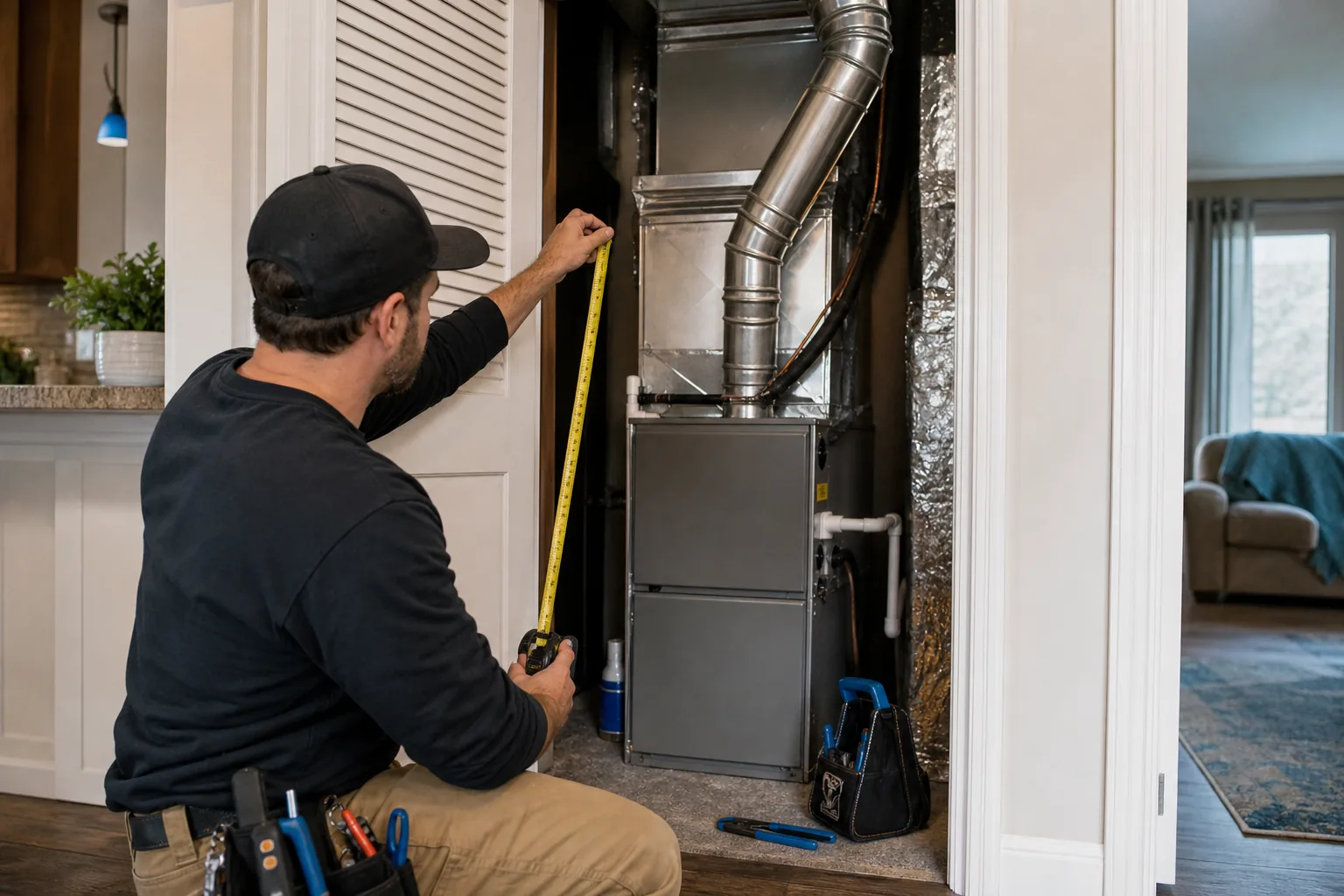
Ask for a written estimate that separates equipment from installation work. It should explain whether the quote includes vent changes, drain work, permits, duct repairs, and any thermostat changes. That makes it easier to compare estimates that may include different tasks.
Financing can help spread out the upfront cost, but compare the payment plan with the full project price and its terms. At Home Worx Heating and Cooling , new HVAC systems start at $120 a month (terms and conditions apply). That figure applies to a new HVAC system, so ask what applies to your furnace project.
In California, permit requirements depend on the local jurisdiction and scope of work. Ask the contractor who will handle permits and inspections. If a quote skips necessary vent or drain work, a lower price may not reflect a complete installation.
During the estimate, ask how the installer will handle the condensate drain in freezing weather. The drain needs a suitable route and must not be left where it can freeze and stop the furnace. These details are part of the job, not optional extras.
When Is the Upgrade Worth It, and When Is It Not?
A high-efficiency furnace is more likely to pay off when your current unit is old, has a low AFUE rating, or needs frequent repairs. It also makes more sense when you expect to stay in the home long enough to benefit from lower fuel use. In Penn Valley, a home with long winter run times may get more value than a lightly heated home with a newer furnace.
The upgrade may be harder to justify if your current furnace works well, your home needs little heat, or you're likely to move soon. In those cases, the added installation cost may take longer to earn back. A repair could be the better short-term choice if the equipment is otherwise in good shape.
Home insulation matters. If warm air escapes through the attic or gaps around doors, the furnace has to run more to keep up. Fixing heat loss can help a new furnace work as intended. Filter care and thermostat habits also affect how the system runs, as covered in our advice on making a furnace more efficient .
Think about comfort, too. Two-stage or variable-speed operation can run at lower output for longer periods, which may help reduce temperature swings. The added controls can also mean more parts than a basic furnace. Good maintenance helps keep the system operating as designed, but no furnace is free from repairs over time.
Warranty coverage is another part of the decision. Our full installs come with 10-year parts coverage and a 5-year labor warranty. Check the terms for the specific equipment and installation in your quote. Coverage can make an upgrade feel less risky, but it doesn't replace proper sizing or upkeep.
Furnace stages can affect how closely the system controls heat output. Compare those operating features alongside AFUE rather than treating the highest number as the only measure.
A useful rule:If the furnace is nearing replacement anyway, compare high-efficiency options during the same estimate. If it's newer and reliable, first ask whether service or home heat-loss fixes can address the problem.
Frequently Asked Questions
Is a high-efficiency furnace worth it in California?
It can be worth it in California foothill towns when the current furnace is old or runs often in winter. Colder nights around Colfax or Grass Valley can increase heating demand. Compare the added installation cost with your winter gas use, and check current rebate rules before assuming an incentive will reduce the price.
How much can I save by replacing an 80% furnace?
The savings depend on your old furnace, home, and fuel use. Based on AFUE ratings alone, a 95% furnace uses about 16% less fuel than an 80% furnace to deliver the same heat. That doesn't mean your total gas bill will fall by 16%, since other appliances and household use affect it.
Does a high-efficiency furnace need different venting?
Often, yes. High-efficiency gas furnaces create condensate as they capture more heat, so they commonly need PVC venting and a drain. The route must suit the equipment and local code. Have a qualified installer check the existing flue, drain path, and combustion air before the new unit is selected.
Does a 98% AFUE furnace always save more than a 97% model?
No. AFUE compares seasonal fuel conversion, but it doesn't capture every factor that affects comfort or operating cost. A 97% model with two-stage variable-speed operation may control heat differently from a 98% model with a modulating valve. Correct sizing and installation matter, too.
Conclusion
A high-efficiency furnace is a strong option when your current system wastes fuel and you plan to stay long enough to benefit. Start with a home-specific load and installation assessment, then compare the full quote, warranty, and likely fuel use. Contact Home Worx Heating and Cooling to discuss furnace options for your foothill home.