
When Is the Best Time to Replace an HVAC System?
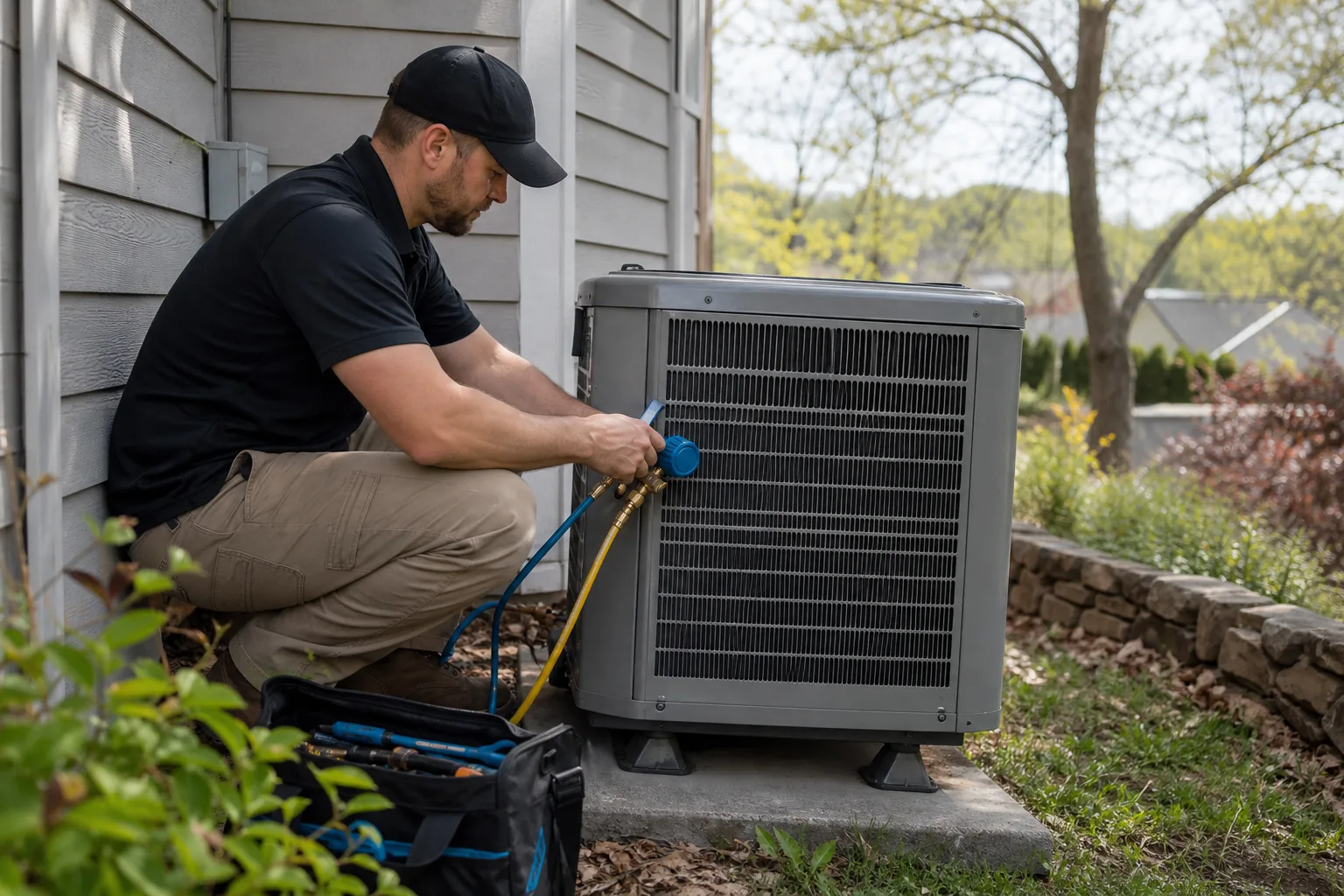
When is the best time to replace HVAC equipment? Usually in spring or fall, before extreme weather puts your old system under strain. But the calendar comes second to safety, repeated breakdowns, and a major repair bill. In Northern California, an early plan can help you avoid making the choice during a heat wave or cold snap.
Table of Contents
Why Spring and Fall Are Often Practical Replacement Seasons
Spring and fall are useful windows because heating or cooling demand is often lower than during a heat wave or a cold stretch. That gives you more time to compare estimates and plan the work. Spring is especially appealing if your air conditioner is aging. You can replace it before summer demand climbs, then check how the new system cools your home.
Fall can suit homes with a furnace or heat pump that struggles in cold weather. In foothill towns, a system may have to cool through hot, dry summers and then heat the home during a cold winter. Replacing before the next season puts the work on your schedule, rather than leaving the decision until the system fails.
There isn’t one perfect month for every home. A spring replacement may be a better fit if cooling has become unreliable. Fall may make more sense if heating is the main concern. In Auburn or Colfax, think about which season puts the greatest strain on your equipment, then plan ahead of it. Our guide to HVAC replacement signs and timing can help you weigh those warning signs.
Homeowners often ask when is the best time of year to replace HVAC equipment if the system still runs. If it’s old but working, use the shoulder season to get an assessment and compare options. If it has stopped working or may be unsafe, don’t wait for a preferred month.
Key Takeaway:Spring or fall can make scheduling easier, but a failing or unsafe system needs attention when the problem occurs.
When System Age, Breakdowns, or Repair Costs Mean Timing Can’t Wait
Age is a signal to inspect, not a fixed deadline. Many systems last about 10 to 15 years, though maintenance, installation quality, and how hard the equipment works can affect its life. ENERGY STAR advises homeowners to consider replacement when an air conditioner or heat pump is over 10 years old, or a furnace is over 15. ENERGY STAR’s replacement guidance is a useful starting point, not a rule that every system must follow.
Look at the full pattern. Has the system needed several repairs? Are energy bills rising without a clear reason? Does one room stay too warm while another feels chilly? Odd sounds or smells, repeated icing, or dusty and musty air also deserve a technician’s attention. These problems can have more than one cause, so a filter, thermostat, or airflow issue may be fixable without replacing the equipment.
The $5,000 rule is a rough way to compare repair cost with age: multiply the system’s age in years by the repair estimate. For example, an eight-year-old system facing a hypothetical $1,000 repair gives a result of $8,000. That points to a closer look at replacement, but it isn’t a quote or a final answer. The rule doesn’t account for warranty coverage, system condition, safety, or how well the equipment fits the home.
Ask the technician to explain the fault and the likely cost of repair. Then compare that estimate with replacement, including efficiency and warranty terms. If you’re weighing a furnace repair, our furnace repair-or-replacement guide covers the same decision from the heating side. Home Worx Heating and Cooling can assess repair and installation needs across the local service area.
Pro Tip:Keep a short record of repair dates, bills, and comfort problems. A clear history makes it easier to judge whether one repair is an isolated event or part of a pattern.
How Efficiency, Comfort, and Equipment Compatibility Affect the Decision
A new system may use less energy than an older, less efficient one, but the result depends on the equipment and the home. ENERGY STAR says a properly sized, high-efficiency system can reduce heating and cooling costs by up to 20 percent. Treat that as a possible outcome, not a promise for every household. Its guidance on replacing heating and cooling equipment also points homeowners toward qualified help with the decision.
Comfort matters too. If some rooms never reach the thermostat setting, a new outdoor unit alone may not fix the problem. Duct size, leaks, blocked vents, and poor airflow can all affect how air moves through the home. Ask the contractor to check the ducts and airflow as part of the replacement plan. The new equipment needs to match the home, not just the old unit’s label.
System designs differ. A single-stage unit runs at one output. Multi-stage equipment can run at more than one level, while variable-speed and inverter systems can adjust their output. Those designs may provide steadier operation, but the right fit depends on the house, duct system, and budget. A heat pump can provide both heating and cooling, while a ductless mini-split can serve a space without standard ductwork.
Ask what the installation includes, how the system will be sized, and what warranty terms apply. Compare estimates on the same basis. Home Worx Heating and Cooling installs central HVAC systems, heat pumps, and ductless systems, and can discuss which type suits your home.
How Northern California’s Climate Changes the Ideal Window
Northern California’s Sierra foothill communities see hot, dry summers and cold winters. That means a system can face a long cooling season and still need dependable heat later in the year. The best replacement window depends on which part of the system is causing trouble and how soon the next season will put it under load.
In Rocklin or Roseville, an older air conditioner that struggles during warm weather is a good reason to plan before summer demand rises. In Grass Valley, where winter heating needs also matter, a furnace or heat pump that has become unreliable deserves attention before cold weather sets in. These are planning cues, not a claim that each city follows the same weather pattern every year.
Smoke and dust can also affect indoor air and filter condition. Check the filter during heavy use, and follow the equipment maker’s instructions for when to replace it. A clogged filter can restrict airflow, which may make the system work harder. If a room feels stuffy or temperatures vary, ask whether the issue is the equipment, ductwork, or airflow before choosing a replacement.
California projects may involve permit requirements, and the work needed can depend on the home and the scope of installation. Ask your contractor whether permits or inspections apply. Rebate programs also change, so confirm that a specific incentive is active and that your chosen equipment qualifies before you build it into your budget.
For a home in Penn Valley, Lincoln, or another foothill community, schedule an evaluation while the system is still running if possible. That gives you time to consider repair, equipment type, and timing without the pressure of a breakdown.
What to Plan Before Scheduling an HVAC Replacement
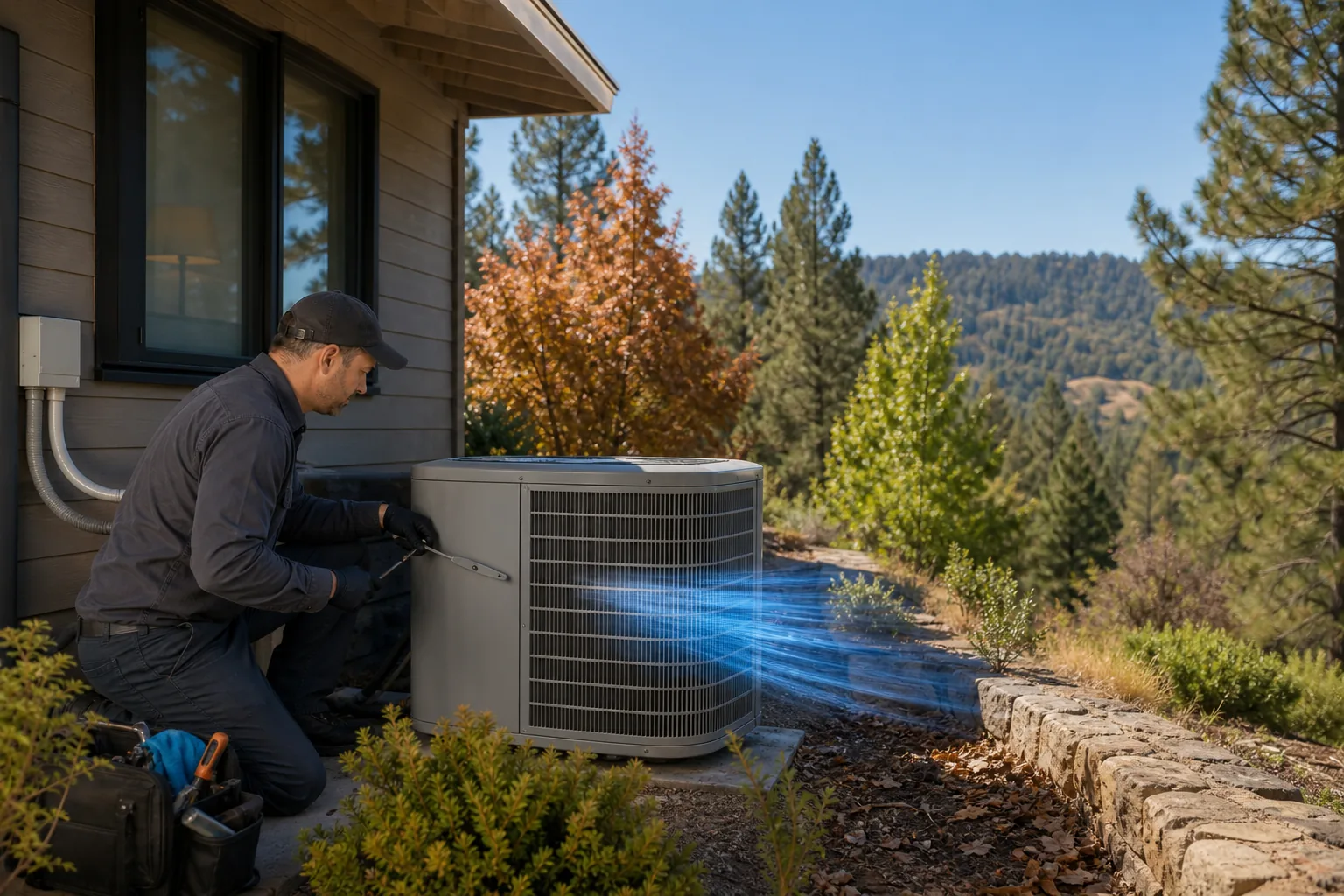
Before you approve work, ask for an assessment of the full system. That includes the existing equipment and, where relevant, ducts, vents, thermostat, and airflow. If the rooms have never felt even, tell the contractor which ones are uncomfortable and when the issue occurs. Those details help connect the equipment choice to the way the home is used.
Get a written estimate that describes the proposed system and the work involved. Ask how the contractor will size the equipment and test it after installation. Check that the contractor is properly licensed for the work in California, and ask what permits or inspections may apply. A careful installation matters because a well-chosen unit can still perform poorly if it’s set up incorrectly.
Compare repair and replacement as separate choices. Include any warranty that may cover a repair, plus the expected operating costs and warranty terms for new equipment. Don’t treat a general savings estimate as a guarantee. Energy use depends on the system, the home, and how it’s run.
Plan for the schedule, too. Equipment changes or ductwork can affect how long a project takes. Our HVAC installation timeline guide explains what can shape the work period. If the upfront cost is a concern, Home Worx Heating and Cooling advertises new HVAC system financing from $120 a month, with terms and conditions. Confirm the terms and eligibility before making a decision.
Seasonal rebates can lower the cost when a program is open and the equipment qualifies. Check the program rules before scheduling, since funding and eligibility can change. A rebate is a bonus, not a reason to install a system that doesn’t fit your home.
Frequently Asked Questions
Is spring or fall better for HVAC replacement?
Spring or fall can both work well for a planned replacement. Spring gives you time to prepare for summer cooling, while fall can be a good fit before heating demand rises. Choose based on which part of your system is struggling and what the home needs next. If the equipment is unsafe or has failed, arrange an assessment rather than waiting for a preferred season.
How old should an HVAC system be before I replace it?
Consider an assessment as an air conditioner or heat pump reaches about 10 years, or a furnace reaches about 15. Age alone doesn’t mean replacement is needed. Repair history, comfort, energy use, safety, and warranty coverage all matter. A well-maintained system may keep running, while a newer unit with a serious fault may need a different plan.
Does the $5,000 rule tell me for sure when to replace HVAC?
No. The $5,000 rule is a rough screen that multiplies equipment age by the repair estimate. A result above $5,000 suggests comparing replacement, but it doesn’t include every factor. Ask about the system’s condition and warranty, then weigh the repair against replacement costs and expected performance before deciding.
Can I wait until my HVAC system stops working?
You can wait if the system is safe and reliable, but a failure during extreme weather can leave less time to compare choices. If it’s older or showing warning signs, schedule an assessment before peak demand. That doesn’t mean you must replace it. A technician may find a repair or airflow fix is enough.
Conclusion
Plan a spring or fall assessment if your HVAC system is aging, but don’t let the calendar delay a needed repair or a safety check. Homeowners across Placer and Nevada County can contact Home Worx Heating and Cooling to discuss local repair or replacement options.