
Why Is My Electric Bill So High in Summer?
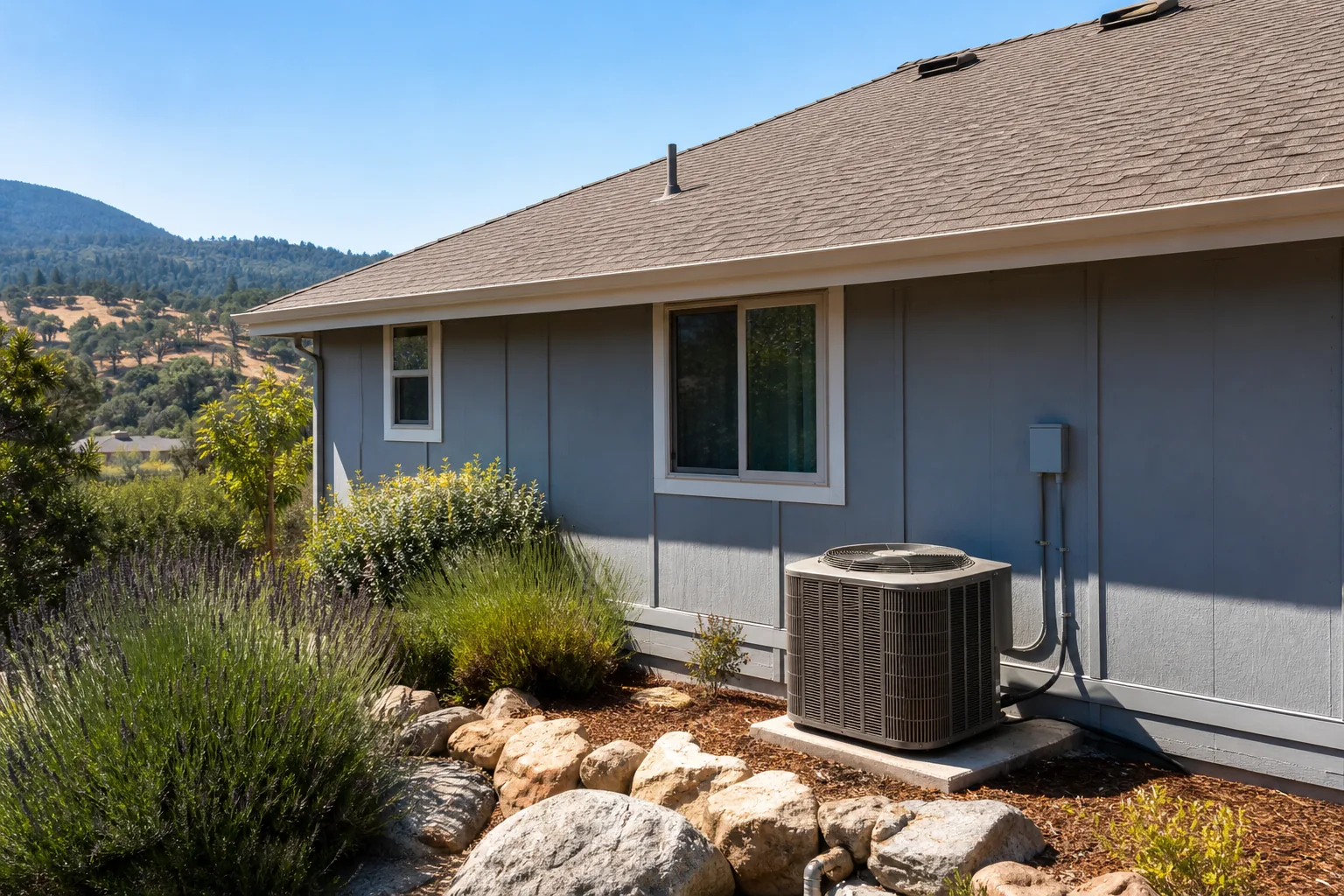
Why is my electric bill so high in summer? Often, your air conditioner is running longer, but the thermostat may not be the whole story. Leaky ducts, worn equipment, and peak-hour rates can add to the cost. Here’s how to spot what’s driving your bill and where to start.
We analyzed 41 comments from YouTube and Reddit about high summer electric bills and found that 34% mentioned energy-hungry appliances.
Table of Contents
Why summer heat drives up electricity use
On a hot afternoon, your air conditioner has to move heat out of your home. The hotter it is outdoors, the longer the system may run to keep the indoor temperature steady. Those extra hours show up as more kilowatt-hours, or kWh, on your bill.
Cooling demand can rise fast during a heat wave. In Auburn or Roseville, for example, a home that stays cool through a mild week may need much longer AC cycles during several hot days in a row. Your habits may be the same. The weather isn’t.
An AC system cools indoor air by moving heat outdoors. If yours runs for much of the day, check how much more electricity you used, not only how many dollars the bill lists.
That distinction matters because a bill can rise for two separate reasons: you used more power, or your utility charged more for it. The bill may also cover a different number of days than the one before it. Compare kWh per day when you can, then look at the rate plan and billing dates.
Aging or poorly maintained HVAC equipment can also use more power for the same cooling. That points to a key clue: hidden equipment problems can matter as much as thermostat settings.
For everyday steps that can reduce cooling demand, see our guide to ways to reduce your summer energy bill . Start by comparing this bill with one from a cooler month.
How your HVAC system and home affect cooling costs
A cooling system can use more power when air can’t move well or conditioned air escapes before reaching your rooms. A clogged filter can restrict airflow. Dirty coils may reduce heat transfer. A refrigerant problem can also affect cooling, but it needs a trained technician to diagnose.
Age alone doesn’t prove that an HVAC system is the cause. Look for a pattern: the AC runs much longer than before, rooms cool unevenly, or your kWh rises even though the weather and thermostat habits seem similar. A professional check can help separate normal summer demand from a repair or airflow issue.
ENERGY STAR estimates that in a typical house about 20% to 30% of the air moving through the ducts is lost. That’s a broad estimate, not a measurement of your duct system. Leaks are worth checking when ducts pass through a hot attic or crawlspace, especially if some rooms stay warm while others cool down.
Poor insulation and gaps around openings can add to the load too. Every home is different, but this is why sealing drafts and improving attic insulation can matter alongside AC repairs.
We help homeowners look at HVAC operation and ductwork when cooling costs jump. Home Worx Heating and Cooling provides HVAC repair, maintenance, and system installation. If your home uses a heat pump, its power use depends on factors such as weather and insulation; our guide explains what affects a heat pump’s electricity use .
Regular attention to air-conditioning filters and system maintenance can help keep the system operating properly. A filter check is a simple first step, but don’t try to handle refrigerant or electrical repairs yourself. Those need qualified service.
If your home still feels uneven after basic filter care, have the airflow and ducts checked before assuming you need a new system. Home Worx Heating and Cooling is a family-owned contractor serving Placer and Nevada County communities.
How electricity rates and peak-hour pricing change the total
Your bill can climb even when your kWh barely changes. If your rate plan charges more during certain hours, cooling the home during a weekday afternoon may cost more than using the same power at an off-peak time.
Check the rate name and time windows on your bill or utility account. Time-of-use plans set different prices by time of day. Some plans also have seasonal rates. If your account is with PG&E, review the current plan details in your utility account rather than assuming your rate stayed the same.
For homes on a time-of-use plan, shifting flexible loads can help. Run laundry or a dishwasher later if that fits your schedule. If your utility plan and equipment allow it, charging an electric vehicle outside peak hours may also reduce the amount of power used during the costlier period.
Pre-cooling can be useful in some homes. Cool the house before the peak window, then let the temperature rise a little while the rate is higher. A smart thermostat can follow a schedule, but set it to match your comfort and your utility’s actual rate hours.
Demand charges are another possible bill factor, especially for some business accounts. These charges are tied to a high level of power use during a short period, rather than only the total kWh used across the month. Check your rate details to see whether your account has one; don’t assume every residential bill does.
Solar panels may offset some electricity use, but the value depends on your system and utility billing terms. Community solar options and net-energy billing rules vary too. Before making a decision, check current program terms and ask how credits apply to your specific account.
Rates and incentive terms can change. If a bill jump doesn’t match your usage, compare the rate plan and billing period before blaming the AC.
Other summer electricity loads that can add to your bill
The air conditioner gets much of the attention, but other equipment can add steady or short bursts of use. A pool pump, hot tub, dehumidifier, or electric water heater may run more often in summer. Check the hours of use before deciding that one appliance caused the whole increase.
Pool heating is one load to review. Lowering the water-heater temperature setting or reducing pool heating temperature or limiting pool use may help limit electricity costs. Whether those steps fit depends on your household needs and equipment settings.
Standby power can add up as well. Devices that stay plugged in can draw a little power even when they seem off. A smart power strip can cut power to a group of devices when they’re not in use, but avoid using one for equipment that needs to stay on.
Window sun can heat a room before the AC has a chance to catch up. Close blinds or curtains on sun-facing windows during the hottest part of the day. Reflective window film or an exterior awning may also help limit direct sun, depending on the window and the home.
Fans can help you feel cooler in an occupied room, but they don’t cool an empty room. Turn them off when you leave. And keep the thermostat at a setting that feels comfortable rather than turning it very low to cool the house faster.
Our summer AC bill tips cover thermostat habits, shade, and HVAC care. For a closer look at home energy use, a smart plug or energy monitor can show when a device draws power. Use the readings to spot a pattern, then test one change at a time.
A pool pump may be an easy load to schedule differently, and a west-facing room may need shade before late-day heat builds. The best first step depends on what your bill and daily routine point to.
What your electric bill can reveal about the cause
Start with the usage section. Compare the current bill’s kWh with a cooler month, then account for the number of billing days. If the kWh per day rose sharply, your home likely used more electricity. If usage stayed close but the total cost rose, a rate change or billing detail may explain more.
Your own bill usually won’t tell you exactly which appliance used each kWh, but it can show when overall usage changed. Smart meter data, if your utility provides it, may help you see the time of day when use rises.
Look for a pattern that matches your home. A steady rise during hot afternoons may point to longer cooling cycles. A sharp jump at a certain hour could come from several large loads starting at once. Compare those times with your thermostat schedule and appliance use before changing equipment.
Check the billing period and rate plan too. A longer billing cycle can make the total look unusually high. A new seasonal rate or time-of-use plan can raise the cost even if your kWh is similar. If a charge is unfamiliar, ask the utility what it covers.
For an easy comparison, note these details from two bills:
Billing dates and total days in the period.
Total kWh and, if possible, kWh per day.
Rate plan and any time-based charges.
Weather, thermostat settings, and major changes in household use.
When the usage increase lines up with longer AC run time, a technician can check the system and ductwork. Home Worx Heating and Cooling can run that check. A bill comparison gives the technician a clearer starting point.
Frequently asked questions
Why did my electric bill go up if I didn’t change the thermostat?
Hotter weather can make your AC run longer even when the thermostat setting stays the same. A dirty filter, duct leak, or change in utility rates can add to the increase. Compare kWh per billing day with a cooler month. That helps show whether you used more electricity or paid a higher rate.
Can leaky ducts make my electric bill higher?
Yes, leaky ducts can raise cooling costs by letting conditioned air escape before it reaches living spaces. ENERGY STAR estimates that a typical house loses about 20% to 30% of the air moving through its ducts, though the amount varies by home. Uneven room temperatures or long AC cycles are reasons to ask about a duct inspection.
Does peak-hour pricing affect air-conditioning costs?
It can, if your utility plan charges more during peak hours. Check the time windows and rates on your current plan. You may be able to shift flexible tasks, such as laundry, to off-peak hours. Pre-cooling can also help some households, but follow your utility’s actual schedule.
What should I check first when my summer bill is high?
Compare kWh and billing days on your current bill with a bill from a cooler period. Then check the rate plan, filter, and thermostat schedule. If electricity use rose and your AC runs much longer or rooms cool unevenly, have the system and ducts checked before deciding it needs replacement.
Conclusion
Compare daily electricity use and rates first, then look at cooling performance and ductwork if usage has climbed. For local HVAC help in Auburn, Colfax, Rocklin, Roseville, Grass Valley, Penn Valley, or Lincoln, contact Home Worx Heating and Cooling to discuss an inspection.